How to Avoid Damage to Medical Supplies When Flying: Why This Matters Before You Even Pack
Most travelers pack luggage around clothing, convenience, and saving space. However, medical travel requires a different mindset because you are packing stability and safety, not just personal items. If you rely on medical supplies, disability-related gear, or special needs support items, you need to avoid damage to medical supplies when flying because one mistake can impact your entire day. Additionally, airports create real physical stress on luggage through stacking, vibration, shifting weight, and rushed handling. Because of that, a suitcase that looks perfectly organized at home can arrive at the destination with broken parts, crushed packaging, or missing small items. Therefore, the safest approach is to pack for realistic airport conditions, not best-case conditions.
What Causes the Most Damage in Airport Luggage Systems
Medical supply damage rarely comes from one single event. Instead, it usually happens because multiple small stresses stack up across check-in, screening, loading, and baggage claim. Even when everyone does their job correctly, bags still get squeezed, shifted, and moved quickly. Furthermore, fragile supplies often include plastic connectors, sealed components, delicate packaging, or rigid parts that do not tolerate pressure. As a result, medical travelers need to treat luggage handling like an industrial environment, not like a gentle handoff. Therefore, understanding the most common sources of damage helps you avoid damage to medical supplies when flying more consistently.
How to avoid damage to medical supplies when flying in checked luggage
Checked bags travel through conveyor transitions, automated diverters, carts, and stacking zones. Additionally, bags often get loaded tightly in cargo compartments where space is limited and pressure builds quickly. When heavy objects sit on top of fragile medical items, cracking and crushing become much more likely. For example, shoes, toiletry kits, or dense electronics can crush delicate medical packaging without you noticing until later. Consequently, you can arrive at your destination with supplies that look intact but no longer function correctly. Therefore, checked luggage requires protection strategies that assume impact and compression.
Why tight packing makes it harder to avoid damage to medical supplies when flying
Tight packing feels efficient because it prevents items from sliding around. However, the downside is that tight packing leaves no buffer space when the suitcase gets squeezed by other bags. Additionally, hard objects transfer pressure directly into fragile medical items when there is no padding or spacing. Over time, that pressure can bend tubing, crack plastic pieces, and damage sealed pouches. Because of that, a bag that looks “firm and secure” can actually be more dangerous than a bag with controlled spacing. Therefore, controlled room inside the suitcase becomes a protective advantage rather than wasted space.
Avoiding Damage During TSA Inspections
TSA inspections happen frequently, and medical travelers often experience them more than the average passenger. This occurs because medical items create dense and complex shapes on screening systems, even when packed legally and correctly. Additionally, TSA focuses on completing screening efficiently and returning bags into the flow quickly. Because of that, your carefully built packing layout can come back disrupted, compressed, or reorganized. As a result, fragile items may lose their protection or get placed under heavier objects. Therefore, if you want to avoid damage to medical supplies when flying, you should pack as if TSA might open and re-close your suitcase.
Medical Travel Bag System: The Simple Way to Keep Supplies Protected and Organized
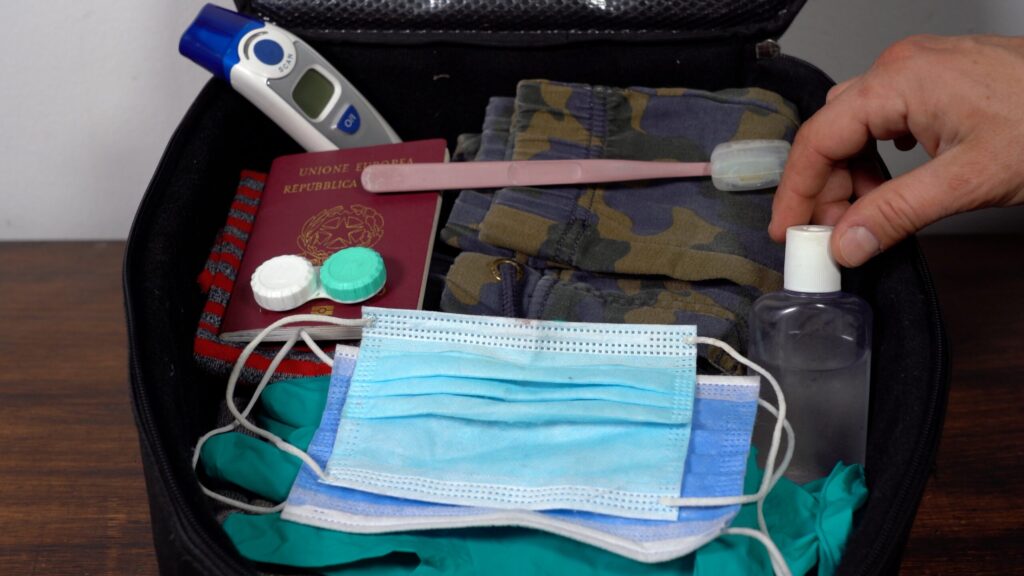
A reliable medical travel bag system helps protect supplies because it keeps fragile items stable, separated, and easier to recover if your suitcase gets disturbed. Instead of packing everything tightly in one space, the system works by choosing the right bag type for your kit size and using structured compartments to prevent shifting, bending, and crushing. Additionally, waterproof and organizer-style bags reduce spill exposure and stop small support items from scattering into the bottom of your luggage. Ultimately, this approach helps you avoid damage to medical supplies when flying by turning your packing setup into a repeatable routine rather than a one-time guess. Please see the Article from Airport News Now, ‘Medical Travel Bag System – How to Avoid Damage to Medical Supplies When Flying‘ Where we take a look at medical travel bag systems and product comparisons
Why TSA opens bags that contain medical items
Medical travel bags often include tubing, layered supplies, thick packaging, gels, and dense plastic components. These items can create unclear images on scans, which increases the chance of a manual inspection. Additionally, battery-powered devices and accessories may look unusual because they combine wiring, dense electronics, and compact shapes. Consequently, TSA might open your bag even when you did nothing wrong and followed every rule. Therefore, the safest approach is to accept that inspection is possible and make your packing system resilient.
How loose items delay TSA screening and increase medical supply damage
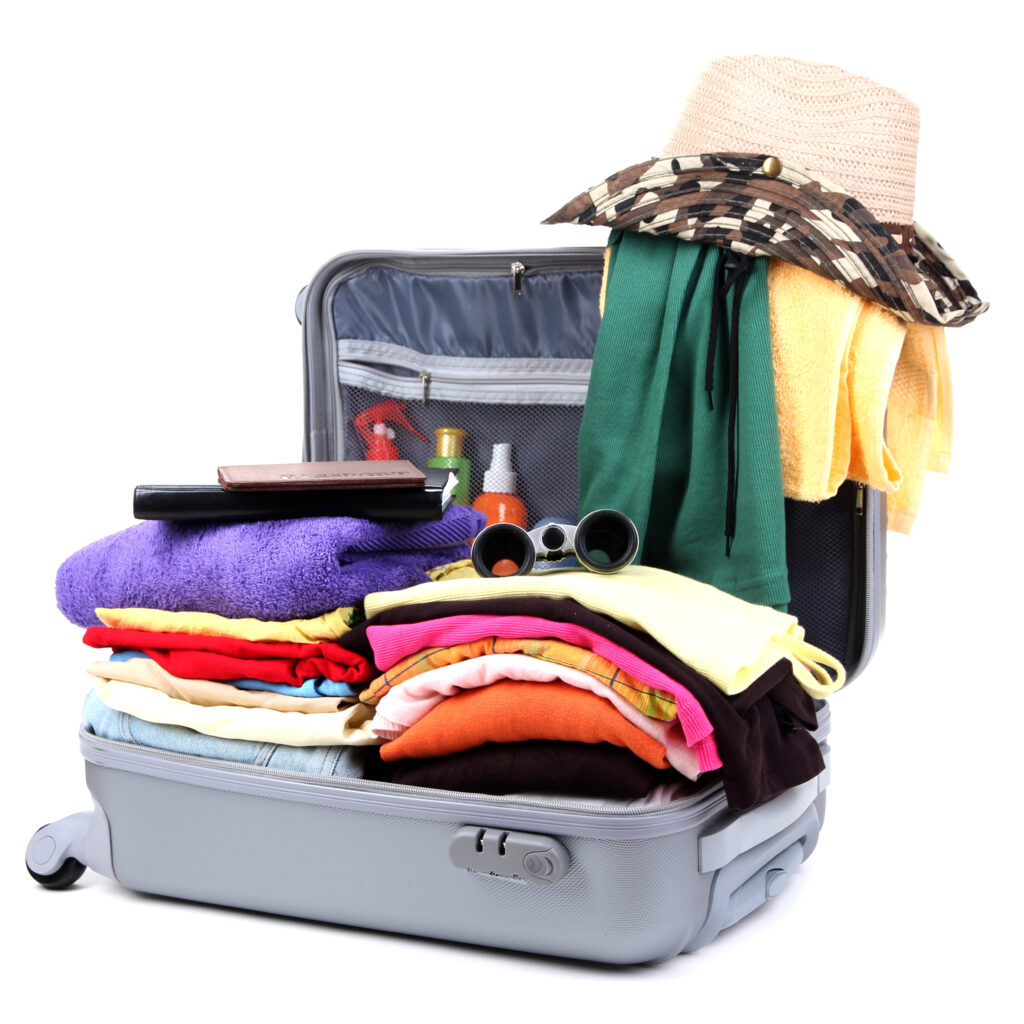
Loose items inside a suitcase can slow TSA baggage screening because clutter creates dense, overlapping shapes that screening systems cannot clear as quickly. As a result, the bag becomes more likely to trigger additional review, which increases handling and increases the chance that fragile medical supplies get shifted or compressed. Therefore, grouping supplies into structured modules and keeping similar items together helps the bag move through screening with fewer interruptions. Ultimately, fewer screening delays mean less unnecessary handling, which supports your goal to avoid damage to medical supplies when flying. Please see the Airport News Now Article on ‘Packing Smartly: TSA Screening Made Easy for You‘ Where we take a deeper dive into the TSA Checked Baggage Screening Process, and discuss tips for successful luggage packing to avoid less scrutiny from the TSA during the checked baggage screening process.
How to avoid damage to medical supplies when flying even if TSA repacks your suitcase
TSA inspection problems rarely come from malice, and they usually come from speed. TSA must inspect and return bags quickly because the screening system processes a huge number of bags per hour. As a result, items may go back into the suitcase in a functional way, but not in a medically organized way. In particular, clean zones, fragile zones, and “do not crush” areas may not survive repacking. Therefore, your best defense is to pack medical supplies inside containers that hold their shape even if moved. See this article from the TSA about Security Screening for more information.
How to Avoid Damage to Medical Supplies When Flying by Preventing Contamination and Clean-Zone Breakdowns
Medical travel is not only about preventing physical breakage. Cleanliness also matters because many supplies must remain sealed, sanitary, and separated from everyday travel items. However, after inspections or shifting, clean supplies can end up next to shoes, used clothing, or toiletry spill areas. Additionally, even sealed items can become questionable if they get crushed, distorted, or exposed to leakage from nearby products. Because of that, medical travelers often arrive unsure whether certain supplies remain safe to use. Therefore, to avoid damage to medical supplies when flying, you should protect both physical integrity and hygiene integrity.
Clean-zone packing to avoid damage to medical supplies when flying
A clean zone is a protected section of luggage that stays isolated from shoes, clothing, and toiletry items. Instead of relying on a suitcase pocket to stay clean, medical travelers should use sealed pouches and dedicated containers for medical supplies. Additionally, clean-zone packing helps prevent shifting because contained items move less during travel. Over time, this keeps supplies organized and reduces the chance of contamination. Consequently, you arrive with supplies that remain both accessible and usable. Therefore, a clean zone becomes one of the most reliable protective strategies.
How to Avoid Damage to Medical Supplies When Flying: Medication Planning That Survives Travel Delays
Medication is one of the highest-risk travel categories because it involves timing, consistency, and safety. Even if medication arrives at the destination, disorganization can still cause major problems. Additionally, small items like dosing tools, spare labels, or backup supplies can disappear into suitcase corners during repacking. Because of that, medication planning should prioritize fast access and certainty. Therefore, travelers who avoid damage to medical supplies when flying usually treat medication as a carry-on priority.
Carry-on vs checked luggage to avoid damage to medical supplies when flying with medications
Checked luggage can be delayed, misrouted, or separated from you during connections. Even when the bag arrives, its internal organization may not survive TSA inspection or shifting. Additionally, late arrivals can make replacement difficult because local pharmacies may be closed. Therefore, essential medication should stay in carry-on luggage whenever possible. This approach reduces both physical damage risk and access risk. Consequently, you can manage your needs even when baggage systems do not cooperate.
How to protect medication packaging from crushing and leakage
Medication packaging can crack, bend, or pop open under pressure. Blister packs can bend, pill bottles can loosen, and liquid containers can leak if placed under heavy items. Additionally, crushed packaging can create uncertainty about whether the medication remains safe and usable. Therefore, medication should be placed inside a structured container that resists pressure. Consequently, you reduce risk and maintain confidence after arrival. See the TSA checklist for what you can bring for carry-on and checked luggage for medical supplies for further details.
How to Avoid Damage to Medical Supplies When Flying With Devices, Chargers, and Battery Accessories
Many medical and special needs travelers rely on equipment that requires power, accessories, or specialized cables. These items become high-risk because one missing cable can disable the entire device setup. Additionally, TSA inspections can separate cords from equipment if components get moved around. Because of that, device packing needs structure rather than loose storage. Therefore, travelers who avoid damage to medical supplies when flying usually treat electronics as a contained kit.
How to pack medical electronics to avoid damage to medical supplies when flying
A device kit works best when everything stays together in one protected pouch or case. This includes the device, charger, adapters, spare cables, and any accessory required for daily use. Additionally, padded protection reduces impact damage during baggage movement. Over time, this reduces connector bending and cable damage that can cause silent failures. Consequently, you arrive with equipment that powers up reliably. Therefore, grouping electronics as a kit prevents the most common breakdowns.
How to Avoid Damage By Using Modular Packing That TSA Cannot Easily Destroy
Modular packing means you pack in contained units instead of loose layers. Rather than spreading supplies across the suitcase, you keep categories separated using cubes, cases, and labeled pouches. Additionally, modular packing makes TSA repacking easier because items remain grouped even when removed and replaced. Because of that, you reduce scatter, crushing, and missed components. Therefore, modular packing is one of the strongest ways to avoid damage to medical supplies when flying.
Packing cubes and sealed pouches to avoid damage to medical supplies when flying
Loose items scatter during inspections, suitcase shifting, and baggage handling. However, cubes and sealed pouches hold shape and prevent small items from disappearing into gaps. Additionally, modular containers distribute pressure more evenly across surfaces. As a result, fragile items resist crushing better than when packed loose. Consequently, your supplies arrive in a usable condition more often. Therefore, containment becomes a practical form of protection.
Load order strategies to avoid damage to medical supplies when flying
Heavy items should not sit directly on medical supplies. Instead, place medical supplies in the most protected interior zone of the suitcase, with barriers around them. Additionally, place heavier items closer to reinforced areas or toward the base of the suitcase where they create less crushing pressure. Because of that, shifting weight creates less damage during movement. Therefore, load order becomes part of safety planning, not just a packing habit.
How to Avoid Damage to Medical Supplies When Flying by Checking Your Items Before Leaving the Airport
After arrival, it helps to confirm supplies immediately rather than waiting until later. Many problems become harder to fix once you leave the airport or arrive late at night. Additionally, missing accessories and damaged packaging often go unnoticed until the moment you need them. Because of that, a quick post-flight check can prevent a small issue from becoming an emergency. Therefore, travelers who avoid damage to medical supplies when flying usually verify essentials as soon as possible.
A quick post-flight check to avoid damage to medical supplies when flying
Start by locating medication and time-sensitive essentials first. Next, confirm that critical accessories like chargers and cables stayed together. Then, inspect fragile packaging for cracks, crushing, or contamination risk. Additionally, separate any items that may have been exposed to spills or dirty zones. Consequently, you protect usability before you need to rely on the supplies. Therefore, the post-flight check becomes a practical safety habit. See the Disability Bill of Rights, provided by the Department of Transportation.
Final Thoughts: Avoid Damage to Medical Supplies When Flying by Packing for Real Airport Conditions
Medical travel requires planning that holds up under real-world handling, not ideal conditions. Because inspections happen and baggage systems can compress and shift luggage, fragile supplies need structured protection. Therefore, modular packing, clean zones, and carry-on survival planning create the strongest safety margin. Additionally, immediate post-arrival checking helps you catch problems while you still have options. In the end, the goal stays simple: avoid damage to medical supplies when flying so your trip remains safe, stable, and predictable. Consequently, you spend less time reacting to problems and more time getting where you need to go.