Medical Travel Bag System – An Introduction
A medical travel bag system matters because medical supplies do not behave like regular travel items. Instead, fragile packaging, tubing, labels, and small accessories can get crushed or ruined when they shift inside luggage. Additionally, travelers often discover damage only after they land, which turns a manageable problem into a stressful situation fast. Because of that, the best solution involves choosing the right medical travel bag and packing it with structure. Furthermore, the right bag reduces confusion, which helps you move confidently through travel days without constant re-checking. Ultimately, a strong medical travel bag system helps you avoid damage to medical supplies when flying by keeping items stable, separated, and protected.
Choose the Medical Travel Bag That Works Best for You Before You Choose the Packing Method
Many travelers buy organizers after they pack, and that approach causes tight layouts and pressure points. However, when you choose the bag first, you get the right shape, capacity, and compartments for the supplies you actually carry. Additionally, the right bag reduces overstuffing, which prevents cracking, bending, and broken seals. Since different travelers carry different medical loads, the bag has to match the kit size instead of forcing the kit to match the bag. For that reason, it helps to think in terms of use cases: rolling stability, waterproof separation, extra-wide storage, or compartment-based access. Therefore, selecting the right bag becomes the foundation of avoiding damage to medical supplies when flying.
Protect your supplies from compression, leaks, and confusion
Damage doesn’t always look dramatic, and that’s the problem. Sometimes medical supplies fail because of slow bending, pressure creep, moisture exposure, or missing small parts. Additionally, a messy travel setup increases mistakes because the traveler can’t quickly confirm what is where. Because of that, medical supplies benefit from a bag system that controls movement and keeps categories separated. Furthermore, when the bag stays predictable, the traveler stays calmer and makes fewer rushed decisions. In the end, organization prevents damage because the system reduces exposure to the biggest travel risks.
CPAP Prep That Makes TSA Screening Faster and Less Stressful
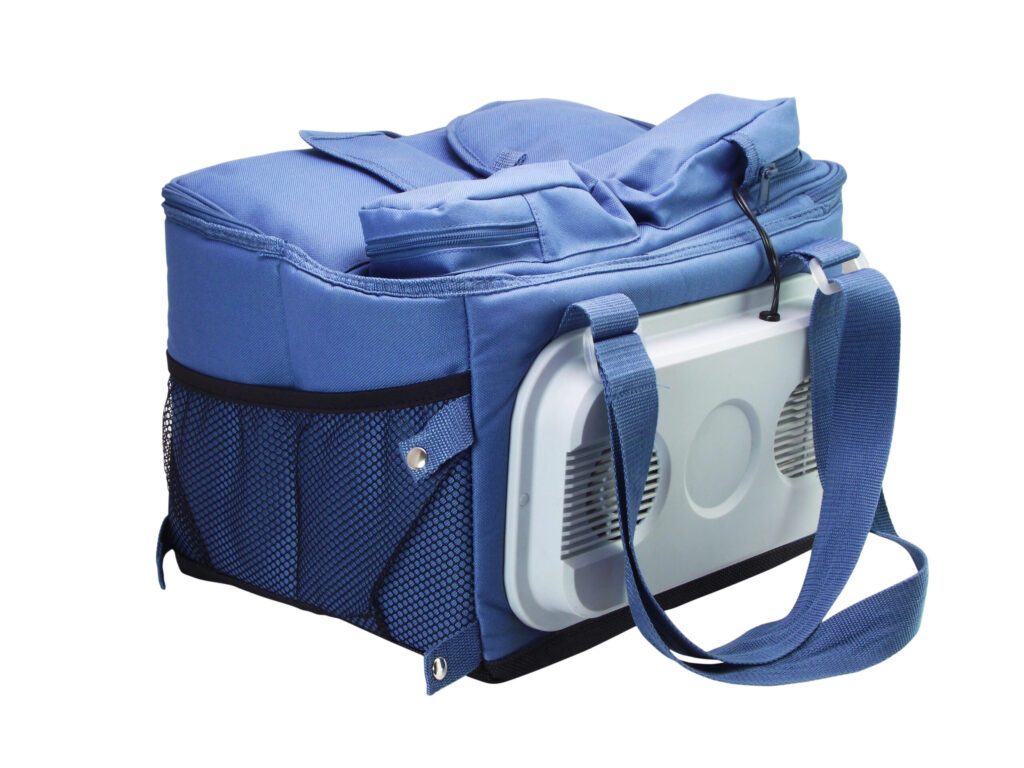
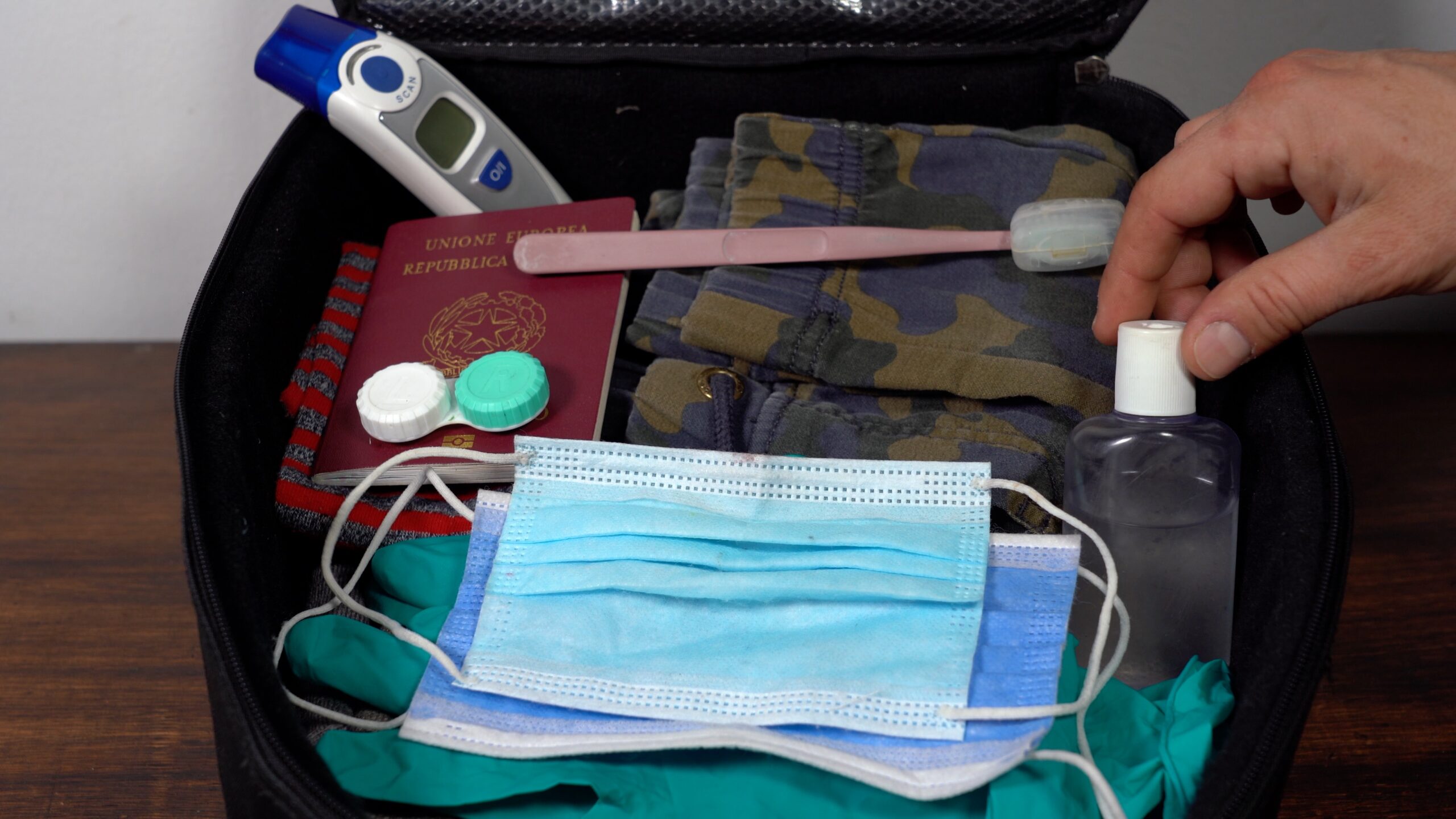
A medical travel bag system becomes even more valuable when you fly with sensitive equipment like a CPAP machine that needs fast access and careful handling. Please see the Airport News Now Article, “CPAP Screening Travel Products That Actually Work Well” where we break down practical travel products that help protect your CPAP, keep parts organized, and reduce checkpoint confusion when you need to move quickly. That kind of CPAP planning also lowers the chance of contamination, accidental damage, or missing accessories during a long travel day. Once your CPAP setup stays clean, protected, and easy to explain, you protect both your health and your schedule.
Comparison Table: Which medical travel bag system fits your trip best?
| Product | Best For | Main Strength | Biggest Advantage | Ideal Traveler Type |
| Qiase Rolling Medical Bag With Wheels | Large kits + long walking distances | Stable rolling transport | Reduces shifting + strain | Travelers with bulk supplies or long airport walks |
| NOMATIC Toiletry Bag | Small support items + clean organization | Premium compartment layout | Prevents loose-item chaos | Travelers who want controlled “small items” storage |
| Hopkins Medical Waterproof Extra-Wide Bag | Bulky or flat supplies | Extra width + waterproof protection | Reduces bend stress | Travelers with wide or awkward-shaped supplies |
| Responder Medical Backpack Organizer | Fast access + compartment organization | Multiple sections + hands-free carry | Keeps categories separated | Travelers who need speed, access, and repeatable layout |
How to avoid damage with a medical travel bag system by reducing “tight packing pressure”
Tight packing seems efficient because it prevents movement, but it causes the wrong kind of pressure. When supplies press into each other, plastic cracks, tubing kinks, and packaging seals weaken. Additionally, tight packing creates stress points that get worse when luggage shifts during travel. For that reason, your goal should be controlled containment instead of packed-to-the-max compression. Furthermore, space helps fragile items “breathe,” which prevents hidden damage you only notice later. Therefore, a medical travel bag system works best when it supports structure without forcing everything into a hard block.
Qiase Rolling Medical Bag With Wheels
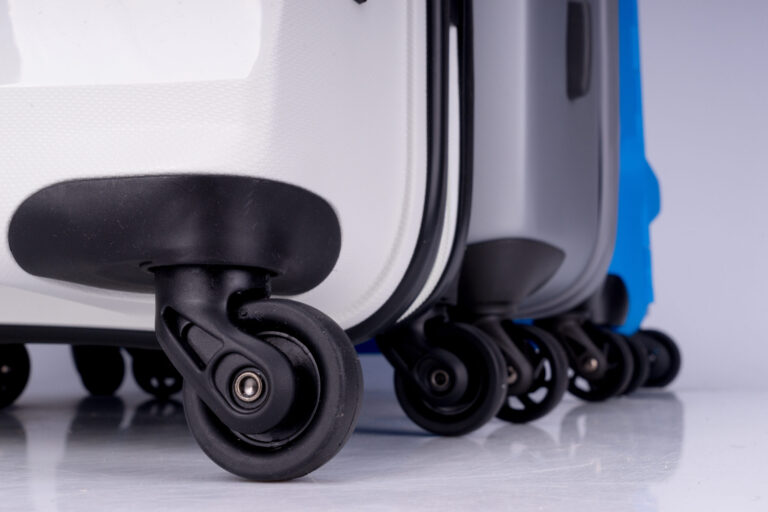
The Qiase Rolling Medical Bag With Wheels works best for travelers carrying a larger medical kit who need stable transport during long travel days. The rolling medical bag keeps supplies upright and reduces shifting, which helps protect fragile packaging and small accessories. Additionally, the rolling format reduces strain because you stop lifting and dragging a heavy bag through terminals. This bag also supports a more repeatable layout, which helps keep your medical travel bag system consistent trip after trip. Since you want to avoid damage to medical supplies when flying, stability matters because stable bags reduce drops, impacts, and internal sliding. Overall, this option fits travelers who carry a full kit and need dependable structure more than compact size.
How to protect supplies with a medical travel bag system using “small-item containment”
Small items create big problems because they disappear, mix, and get crushed easily. For example, wipes, gloves, backup labels, tiny bottles, and support tools often end up scattered in the bottom of a travel bag. Additionally, loose items create clutter, which makes it harder to confirm what you packed. Because of that, small items need a dedicated organizer that holds shape and stays consistent. Furthermore, when small items stay controlled, the rest of the medical kit stays safer because nothing leaks or presses into sensitive packaging. Therefore, small-item containment becomes one of the most practical parts of a medical travel bag system.
NOMATIC Toiletry Bag
The NOMATIC Toiletry Bag works well for travelers who want a premium organizer for medical-related small items and support supplies. This toiletry bag helps prevent loose-item chaos by keeping wipes, gloves, small bottles, hygiene items, and backups in a controlled layout. Additionally, the structured design reduces shifting inside luggage, which helps keep pressure off fragile medical packaging. This organizer also improves speed because you can locate small items quickly without dumping out a mixed bag. Since you want to avoid damage to medical supplies when flying, keeping small items contained reduces spills, clutter, and accidental crushing. Overall, this option fits travelers who want a consistent medical travel bag system that stays clean and organized.
How to reduce bend damage with a medical travel bag system by choosing extra width
Some supplies fail because they bend slowly, not because they shatter instantly. Tubing kinks, flat packages crease, and long items warp when they get squeezed into tight corners. Additionally, narrow bags encourage stacking, which increases pressure points across delicate items. Because of that, extra width protects supplies by allowing flatter storage and better spacing. Furthermore, a flatter layout helps you see what you packed, which prevents accidental double-stacking of fragile items. Therefore, a wide medical bag can be the difference between supplies arriving usable or arriving compromised.
Hopkins Medical Products Waterproof Extra-Wide Bag
The Hopkins Medical Products Waterproof Extra-Wide Bag works best for travelers who need room to store larger supplies in a flatter, safer layout. The waterproof extra-wide bag reduces bend stress because the extra width prevents tight corner compression. Additionally, the wide format makes it easier to separate categories so supplies do not stack into a dense block. The waterproof material also protects supplies from spills, damp surfaces, and messy travel conditions. Since you want to avoid damage to medical supplies when flying, reduced bend pressure helps prevent hidden failures like kinked tubing or creased packaging. Overall, this option supports a medical travel bag system built around width, separation, and cleanliness.
How to build a medical travel bag system with compartment control and fast access
Travel becomes harder when everything lives in one open space. When supplies mix together, the traveler loses time and increases stress, especially when something needs attention quickly. Additionally, small accessories get crushed under larger items when categories have no separation. Because of that, compartment organization keeps each group in its own space and reduces movement inside the bag. Furthermore, the ability to reach supplies quickly helps you stay calm and organized during long travel days. Therefore, compartment-based storage supports reliability and prevents avoidable damage.
Responder Medical Backpack Organizer
The Responder Medical Backpack Organizer works well for travelers who want compartment control and hands-free access for medical supplies. This organizer keeps categories separated so smaller items do not get crushed under heavier supplies. Additionally, the backpack format keeps your hands free, which helps when you handle other luggage or assist another traveler. This organizer supports repeatable packing because each compartment becomes a consistent home for the same items every trip. Since you want to avoid damage to medical supplies when flying, compartment separation prevents mixing, shifting, and accidental loss of critical accessories. Overall, this option fits travelers who want a medical travel bag system built for speed, access, and predictable organization.
Final Thoughts: medical travel bag system choices that prevent damage
A medical travel bag system works best when it matches how you travel and how much you carry. A rolling bag supports stability and heavier kits, while waterproof and wide bags support cleanliness and safer storage layouts. Additionally, a compartment backpack supports speed and repeatable organization when you need access during the travel day. Because of that, the “best” option depends on your kit size, your mobility needs, and how you prefer to organize supplies. Ultimately, you avoid damage to medical supplies when flying by choosing the right bag and sticking to the same system every trip.
Amazon Affiliate Disclosure
Airport News Now participates in the Amazon Services LLC Associates Program, an affiliate advertising program designed to provide a way for websites to earn advertising fees by advertising and linking to Amazon.com. If you click an Amazon link on this site and make a purchase, we may earn a small commission at no additional cost to you.