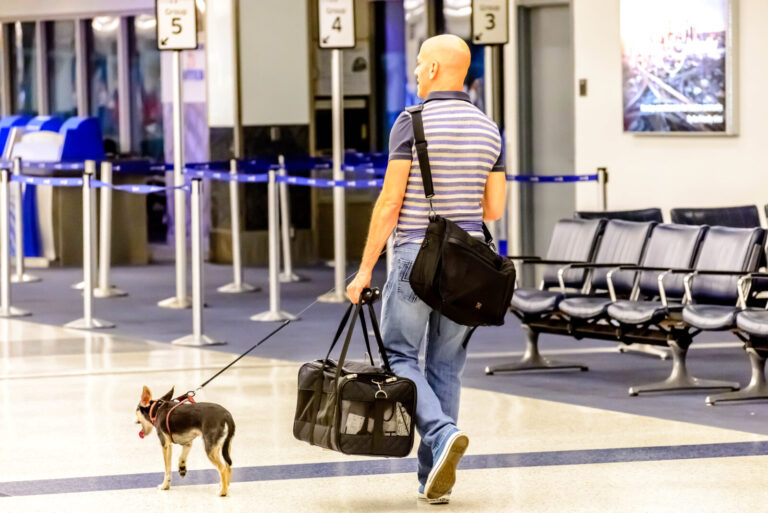
Wheel the World helps disabled travelers plan trips with far fewer unknowns, especially at airports. However, the company does not provide airport services directly. Instead, Wheel the World organizes trip details so airlines understand exactly what support a traveler needs. This preparation covers mobility devices, medical gear, service animals, and assistance requests.
Because travelers settle details early, they arrive with a clear plan. Therefore, airport staff can stage wheelchairs, carts, escorts, or specialized equipment before peak periods. Check-in agents also see documented notes tied to the reservation. Consequently, Wheel the World planning allows travelers to move through the terminal with far less friction and stress.
Why Advance Information Matters to Airport Staff
Airports operate under strict timelines and heavy passenger loads. When assistance needs appear without warning, staff must improvise immediately. As a result, delays spread across multiple processes. Advance documentation allows teams to prepare equipment and personnel beforehand.
Prepared staff can focus on execution instead of emergency problem solving. Thus, safety improves for both travelers and employees. Service quality also becomes more consistent. Ultimately, preparation determines whether the airport experience feels manageable or overwhelming.
How Wheel the World Planning Reduces Airport Surprises
Major disruptions often begin at the destination rather than the departure airport. When a hotel fails to deliver accessibility, travelers must fix the problem after landing. Wheel the World verifies accessibility for hotels, transfers, and activities before booking completes. This verification reduces the risk of arriving somewhere unusable.
Once downstream logistics are confirmed, airport travel becomes more predictable. Travelers do not scramble to locate ramps or accessible vehicles upon arrival. Likewise, airlines encounter fewer emergencies tied to incorrect information. In practice, Wheel the World preparation produces smoother operations for everyone.
Detailed Mobility Information Improves Airline Preparation
Airlines rely heavily on procedures, so accurate requests matter. Wheel the World encourages travelers to document device dimensions, battery types, and transfer needs. These details help staff tag mobility equipment correctly. They also allow teams to prepare aisle chairs or lifts in advance.
During peak periods, coordination becomes even more critical. Without prior information, travelers may wait while staff search for equipment. Meanwhile, rushed transfers increase injury risk for passengers and employees. Early Wheel the World coordination allows assistance teams to schedule help efficiently.
Protecting Mobility Devices from Airport Damage and Mishandling
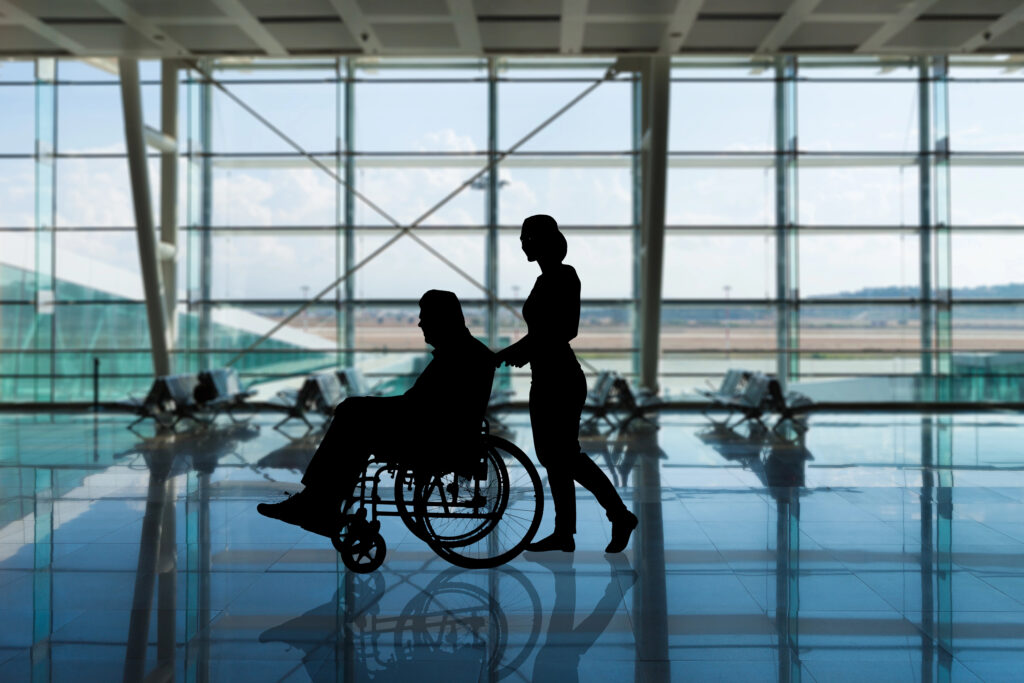
Mobility devices represent independence, so airport mishandling can create immediate safety risks and trip failures. The article explains how travelers should document their equipment, remove fragile components, and photograph the device before surrendering it at check-in. Please see the Airport News Now article, “Mobility Device Protection: How to Handle Airport Mishandling“, for detailed steps on reporting damage and securing compensation. Overall, this guidance complements Wheel the World planning by addressing what to do when prevention fails and real-world airport handling problems occur.
Visiting Seattle as a Wheelchair User — What an Accessible Trip Really Looks Like
This video which is a collaboration from Wheel the World and Visit Seattle documents a wheelchair user’s first trip to Seattle, showing real accessibility conditions rather than relying on tourism claims. The traveler navigates sidewalks, attractions, transportation, and public spaces while evaluating how usable the city feels day to day. Additionally, the experience highlights how tools like Wheel the World can help set expectations by providing verified accessibility details before arrival. Overall, the trip demonstrates that careful planning, realistic expectations, and platforms such as Wheel the World can make unfamiliar destinations far more manageable for disabled travelers.
How Advance Coordination Streamlines Airport Operations
Airports process enormous passenger volumes every day. Unexpected assistance needs create operational strain across multiple departments. When travelers arrive without documentation, staff must improvise immediately. Wheel the World reduces that chaos by encouraging advance confirmation of requirements.
Predictable needs allow supervisors to allocate personnel more effectively. Special-assistance desks process requests faster when accurate information already exists. Security officers coordinate screening with less disruption to checkpoint flow. Gate agents board passengers in a controlled sequence that supports on-time departures.
Real-World Scenario — Wheel the World vs. No Documentation
Consider a traveler using a heavy power wheelchair without prior documentation. Staff must determine battery type and handling procedures on the spot. Boarding slows while personnel search for equipment and trained staff. The situation creates stress and increases the risk of damage.
With Wheel the World planning, those details exist before travel day. Staff know how to disconnect power and transport the chair safely. The traveler boards in an organized sequence rather than a scramble. What could have caused disruption becomes a routine process.
What a Wheel the World–Planned Airport Journey Looks Like
A planned journey follows a predictable path from curb to aircraft seat. Wheel the World assistance requests alert staff before the traveler arrives. Reservation notes confirm equipment details during check-in. Security officers coordinate screening with minimal confusion.
At the gate, pre-boarding occurs smoothly with equipment ready. After landing, an escort can meet the aircraft at the door. This structured flow reduces delays and miscommunication. Predictability transforms a stressful process into a manageable one.
Benefits, Legal Protections, and Real-World Limits
Many travelers face multiple challenges during air travel. A person may use a wheelchair, carry medical devices, and travel with a service animal. Wheel the World supports one coordinated plan instead of disconnected requests. This unified approach reduces fatigue before boarding even begins.
Caregivers benefit from the structure as much as the traveler. Instead of negotiating assistance repeatedly, they follow a known sequence. Predictability reduces anxiety and prevents missed connections. For many families, Wheel the World planning makes travel feasible again.
Understanding Your Legal Rights
Planning tools complement legal protections that already exist. In the United States, the Air Carrier Access Act guarantees disability assistance at no extra charge. Airlines must provide wheelchair service and boarding help. They must also transport mobility equipment as priority items.
Passengers may request a Complaint Resolution Official if problems occur. These representatives handle disability issues immediately at the airport. Knowing these rights strengthens a traveler’s position. Preparation combined with awareness provides strong protection.
Limits No Planning Platform Can Control
No platform controls staffing shortages or flight delays. Airlines and airports execute most operational functions. Some facilities operate in older buildings with limited accessibility upgrades. Travelers should still build extra time into their schedules.
Smart preparation includes documenting equipment with photos. Critical medical items should remain in carry-on baggage. These precautions improve outcomes if problems occur. Wheel the World preparation reduces risk but cannot eliminate it completely.
Bottom Line — Why Wheel the World Matters for Air Travel
Wheel the World reduces uncertainty long before the journey begins. By verifying accessibility details early, the platform shifts problem solving upstream. Travelers arrive prepared instead of overwhelmed. Airport staff respond with appropriate resources already in place.
For disabled travelers, unpredictability often creates the largest barrier to flying. When uncertainty disappears, confidence returns. Wheel the World cannot control every airport variable. Nevertheless, it transforms chaos into a manageable process.