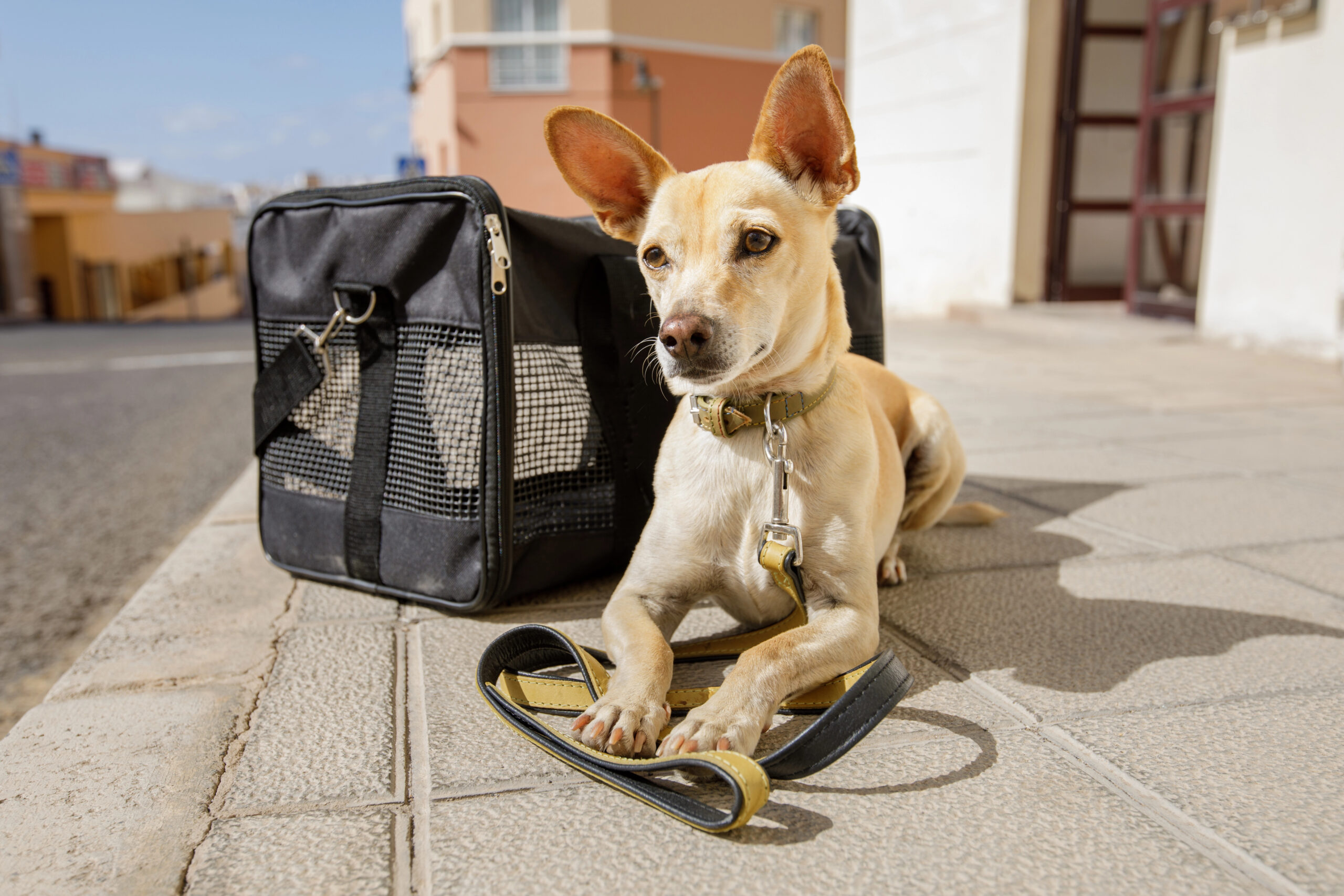
Why Wearable Pet Cameras for Travel Matter
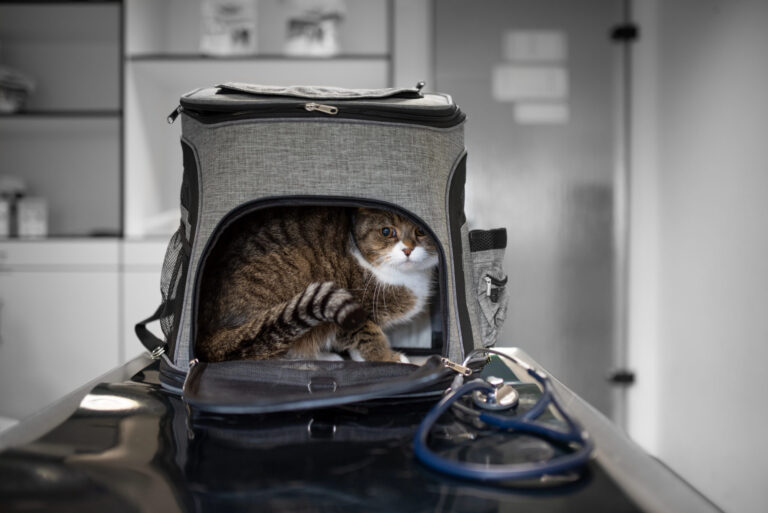
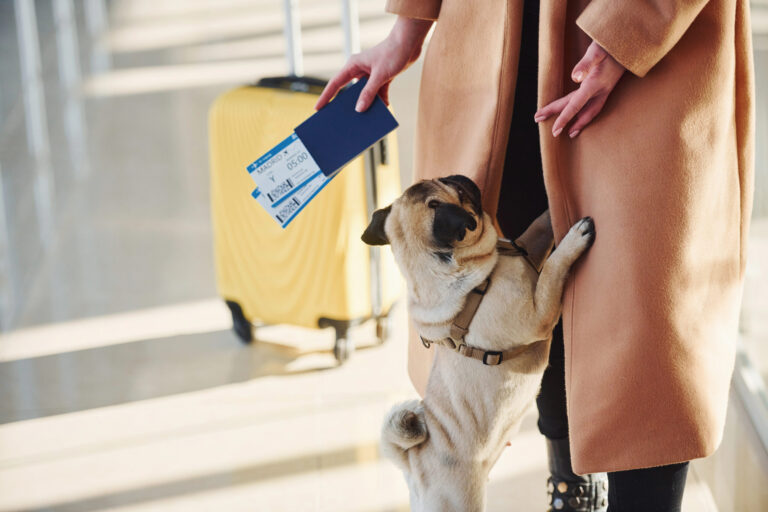
Air travel separates pets from their owners during check-in, hotel stays, and ground transfers. During these gaps, travelers lose direct visibility into a pet’s condition. Noise, unfamiliar environments, and schedule disruptions increase stress quickly, especially for older or anxious animals. Wearable pet cameras focus on this problem by being attached to your pet, rather than focusing on a room. That difference matters in real travel conditions where pets move through terminals, vehicles, and temporary holding spaces.
Airlines and hotels offer limited monitoring once pets leave direct supervision. As a result, travelers rely on personal tools to maintain awareness. Wearable cameras allow owners to review movement, posture, and behavior from the pet’s perspective, which supports faster decisions when conditions change.
Where Wearable Pet Cameras Perform Best During Air Travel
Flight disruptions often lead to unplanned hotel stays or extended terminal waits. During these periods, wearable pet cameras for travel provide continuity without requiring pets to remain in one location. Instead of checking on an empty hotel room, owners can review how the animal behaves while alone.
Low-light environments remain common during overnight stays. Therefore, wearable cameras with infrared night vision maintain visibility when room lights remain off. Motion-triggered recording also reduces unnecessary footage while capturing meaningful activity.
Ground transportation creates another critical monitoring gap. During transfers between terminals, hotels, and cargo facilities, wearable cameras help document handling conditions. Collar-mounted devices confirm general movement and orientation, which supports accountability if concerns arise later.
Wearable Pet Cameras – What to Look For
Point-of-view recording defines the value of wearable pet cameras. Devices mounted directly on collars capture front-facing video that reflects the pet’s actual environment rather than a fixed angle. This perspective matters during movement between locations.
Battery life also plays a critical role. Travel environments rarely guarantee charging access. Wearable cameras must operate independently for several hours, especially during delays. Infrared night vision remains equally important, as dark hotel rooms and back-of-house airport spaces limit visibility without it.
Because no single device covers every scenario, travelers often benefit from combining a wearable camera with a smart collar that tracks location or activity.
Wearable Pet Camera and Smart Collar Comparison
KinetCam 1080p Pet Collar Camera – Best for visual monitoring without Wi-Fi
KinetCam focuses on true point-of-view recording with local storage. It records directly to internal memory, which makes it practical in hotels, holding rooms, and ground transfers where Wi-Fi remains unreliable. Its lightweight design minimizes interference with collars and harnesses. Travelers who want visual confirmation of how a pet moves and behaves during separation often prefer this type of collar-mounted camera.
KinetCam 1080p Pet Collar Camera
ehomful HD 1080P Cat Camera Collar Best lightweight alternative
Ehomful offers a simpler wearable camera at a lower price point. It records locally and avoids reliance on cloud services. While it lacks advanced analytics, it performs well for documenting movement and handling during short separations. This option fits travelers who want basic visual documentation without added complexity.
Ehomful Wireless Dog & Cat Collar Camera
Tractive GPS Dog LTE Smart Collar – Best for location awareness during transfers
Tractive does not include a camera, but it fills a different travel need. It provides real-time location tracking and activity monitoring during transfers, rebooking, and third-party pet transport. When travelers need to confirm where a pet is rather than what it sees, Tractive delivers consistent coverage, including support for international itineraries.
Tractive GPS Dog LTE Smart Collar
Fi Series 3 Smart Dog Collar – Best for activity and stress monitoring
Fi Series 3 emphasizes activity trends, escape alerts, and long battery life. Although it does not record video, it helps owners identify abnormal pacing or inactivity that may indicate stress. Its extended battery life appeals to frequent travelers who prefer fewer charging requirements during multi-day trips.
Wearable Cameras Versus GPS and Smart Collars
Wearable pet cameras for travel provide visual confirmation and behavioral context. GPS collars answer a different question: where the pet is. Activity-tracking collars add insight into movement patterns that may signal distress.
Because these tools serve different purposes, they work best together. A wearable camera shows experience, a GPS collar confirms location, and an activity collar highlights behavioral changes. This layered approach improves situational awareness without relying on airline updates alone.
Airline and Travel Limitations to Understand
Wearable pet cameras improve awareness but do not override airline policies. Airlines typically prohibit electronic devices inside crates once cargo acceptance occurs. Wireless connectivity does not function during flight, and battery regulations vary by carrier.
For these reasons, wearable pet cameras for travel perform best before and after flights rather than during air transport itself. Even so, they remain valuable during hotel stays, ground transfers, and airport holding periods where airline oversight remains limited.
Who Benefits Most from Wearable Pet Cameras for Travel
Frequent flyers traveling with pets benefit from added visibility during unpredictable schedules. International travelers gain reassurance during extended layovers and multi-leg itineraries. Owners of anxious or senior animals receive earlier indicators of stress. Travelers using third-party pet transport services gain documentation and accountability during handoffs.
Final Assessment
Wearable pet cameras bring monitoring into the pet’s real environment instead of anchoring it to a room. These devices improve visibility, reduce uncertainty, and support better decisions during air travel disruptions. Although they do not replace airline responsibility, they address a real monitoring gap that traditional home cameras cannot fill.
Amazon Affiliate Disclosure
Airport News Now participates in the Amazon Services LLC Associates Program, an affiliate advertising program designed to provide a means for sites to earn advertising fees by linking to Amazon.com and related marketplaces. As an Amazon Associate, Airport News Now earns from qualifying purchases. Product mentions reflect practical relevance to airport, hotel, and ground-transport travel scenarios and do not influence editorial conclusions.