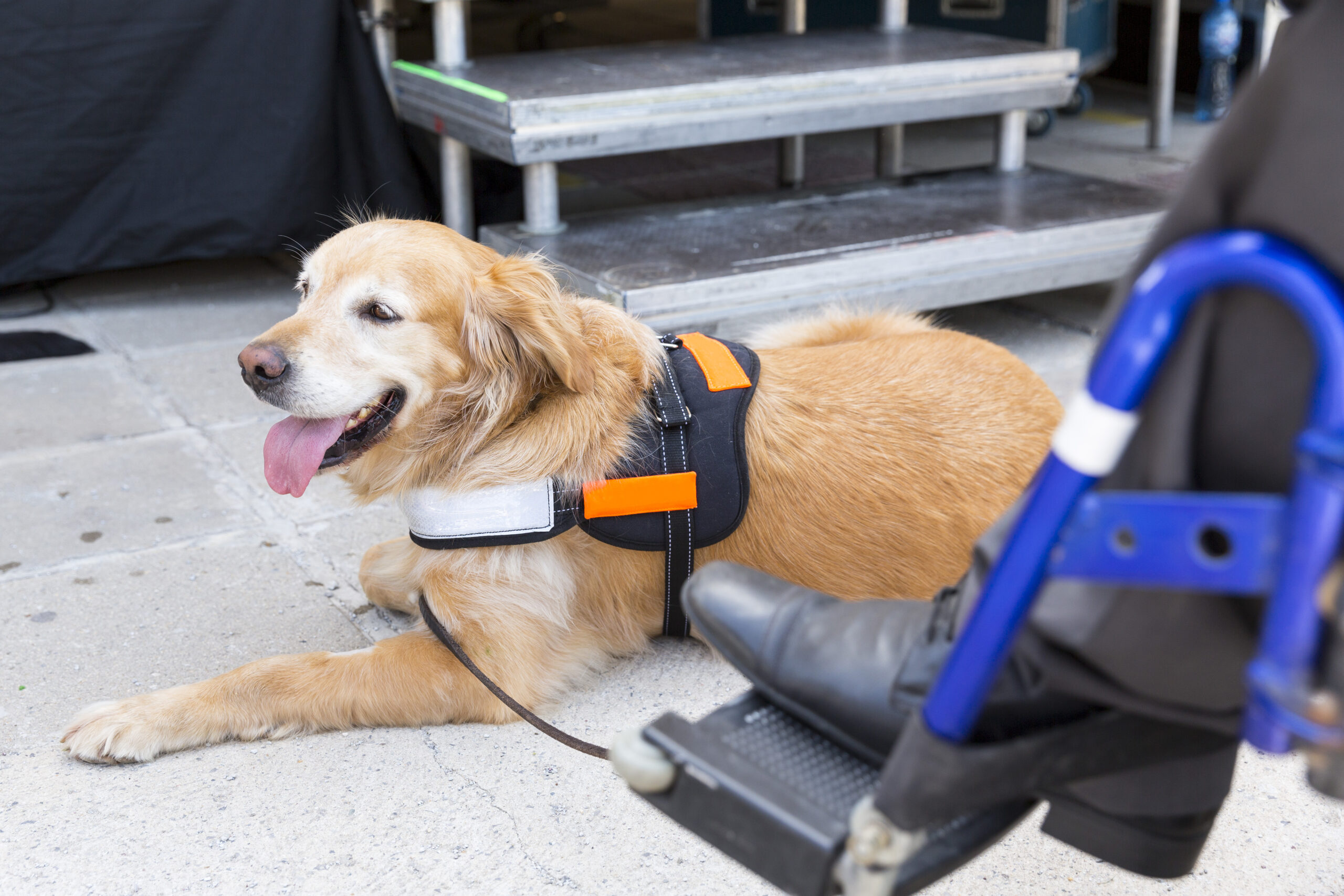
Key TSA Procedures Every Service Dog Handler Must Understand Before Reaching the Checkpoint
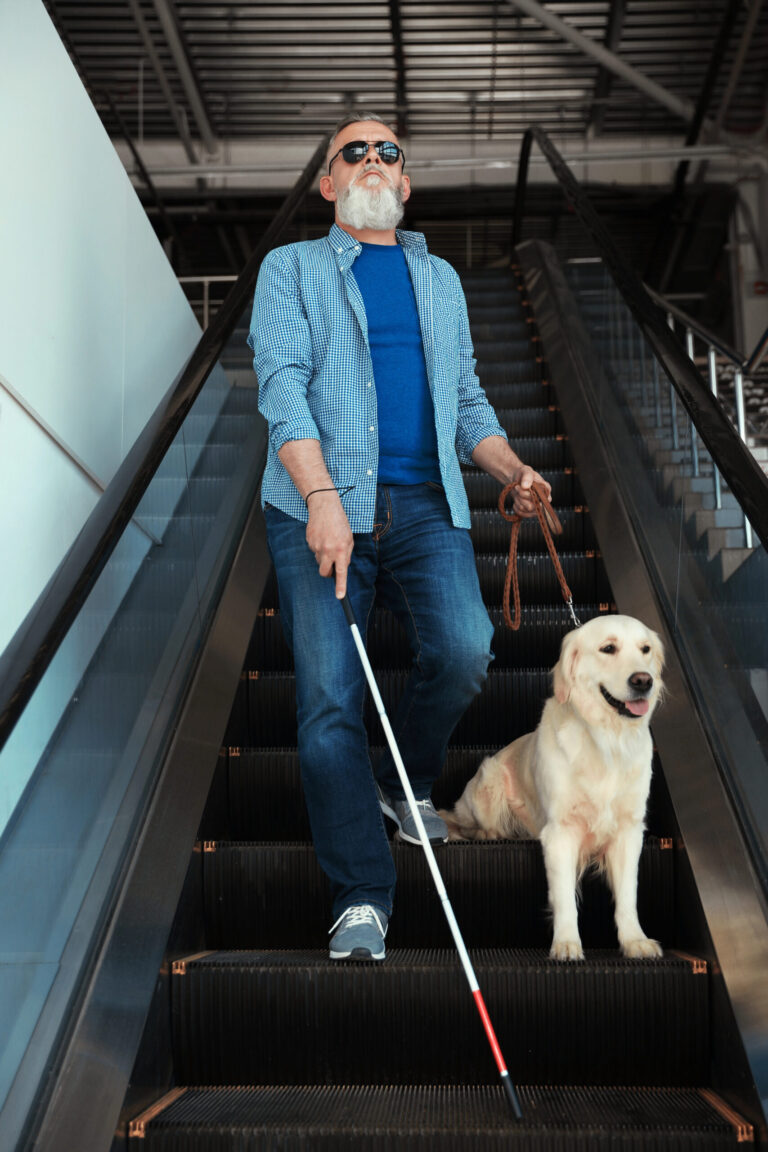
TSA rules for service dogs follow strict operational protocols that determine how handlers move through the checkpoint and how officers evaluate the working animal. Because TSA—not the airline—controls everything from document verification to the screening sequence, travelers benefit when they understand the exact steps officers use at the checkpoint. This clarity makes the airport experience predictable instead of reactive. TSA guidelines for service dogs provides information on the screening process, and accessories allowed for your guide dog. Scroll to the bottom of the page until you find the bullet point for ‘Service Animals’.
TSA’s expectations differ significantly from airline cabin rules. Airlines handle seating, forms, and in-flight behavior. TSA, however, controls screening movement, equipment inspection, and the specific way a dog passes through the metal detector. When handlers understand both sides clearly, they can manage the airport environment with precision and avoid delays.
Pre-Arrival Preparation Before Entering TSA Security Screening with a Service Dog
Understanding What TSA Actually Regulates
TSA regulates checkpoint procedures, inspection of gear, officer-handler interaction, and secure-area access. TSA does not regulate paperwork for the dog, breed restrictions, cabin placement, or behavior requirements—that responsibility belongs to the airlines. Handlers should focus on what TSA truly controls so they avoid unnecessary confusion at the checkpoint. Travelers often mix TSA and airline rules, which leads to conflicting assumptions that slow down the process.
Choosing Handling Gear for Service Dogs That Works Well at the Checkpoint
Handlers should select gear that clears the metal detector efficiently. Metal harness components may trigger alarms, requiring extra inspection. Using low-metal gear simplifies the checkpoint experience. A guide dog stays focused when its equipment remains familiar, so choosing stable, low-interference gear improves flow. This approach helps handlers maintain control without compromising the dog’s ability to work.
Planning a Relief Routine for Service Dogs Before Entering the Security Line
TSA checkpoints have no access to relief areas inside the sterile zone. Handlers should plan a relief break just before entering the line so the dog remains comfortable during screening and the walk to the gate. Every airport maps its relief areas online, and referencing them before arriving prevents doubling back through crowds.
Approaching the TSA Checkpoint With a Service Dog
Notifying TSA Officers at the Start of Screening
Handlers should notify the first uniformed TSA officer that they are traveling with a service dog. Officers prepare the lane for the screening sequence and may provide guidance on when to enter the metal detector. Quick communication keeps the process smooth. This ensures that the handler maintains control while the dog stays focused on movement through the lane.
Understanding the Correct Screening Sequence when Traveling with a Service Dog
TSA uses a predictable three-step sequence for service dogs:
- Handler and dog walk together through the metal detector. The dog never walks through alone.
- If the dog or harness triggers the alarm, TSA performs a brief visual and physical inspection while the handler maintains control.
- The dog always remains with the handler. TSA never separates them.
This sequence never changes. A trained assistance dog responds best when the handler maintains even pacing and consistent commands during the walkthrough. Predictability improves performance and reduces stress.
Handling the Metal Detector Alarm with a Service Dog Is Easy When You Expect It
If the metal detector alarm sounds, TSA officers simply inspect the harness and swipe the handler’s hands for explosive trace detection. Officers conduct the inspection quickly and with respect for both handler and dog. Clear verbal commands from the handler keep the working canine calm during the extra screening step. This predictable process ensures safe passage without unnecessary disruption.
Managing Belongings and Staying Organized in the Screening Lane
Consolidating Items Before Reaching the Conveyor Belt
TSA requires electronics, liquids, and personal items to be removed. Handlers should consolidate these items into a single accessible pouch before entering the line. This prevents juggling multiple objects while also controlling a mobility support dog. Staying organized sharpens timing and reduces the chance of fumbling items during screening.
Keeping One Hand Available for the Service Dog
Handlers should place belongings on the conveyor belt with one hand while the other maintains control of the dog’s leash or harness. This technique ensures the dog remains steady as items move toward the x-ray machine. Control during this phase is essential, since the area near the belt gets crowded and noisy.
Stepping Into a Calm Position for the Walkthrough with a Service Dog
Before entering the metal detector, handlers should position their working canine directly at heel. A steady stance prepares the dog for a controlled walkthrough. Calm preparation delivers consistent movement when the environment becomes busy or unpredictable.
Moving Into the Terminal with Service Dog After TSA Screening
Choosing Terminal Routes That Support a Service Dog’s Work
After exiting the checkpoint, handlers should choose wider walkways to give their task-trained dog space to navigate. Gate clusters often create bottlenecks, so using outer concourse paths helps maintain consistent movement. This strategy keeps the dog focused and prevents sudden directional changes that disrupt navigation.
Selecting Seating That Gives the Service Dog Room To Settle
Handlers should select seats with adequate floor space so the working canine can rest comfortably. Many airports include designated accessible seating at gate clusters. These zones reduce congestion and help the dog maintain a calm resting posture. A comfortable dog performs better during pre-boarding.
Maintaining Hydration Without Overloading Before Boarding
Handlers should offer water in controlled amounts at predictable intervals. Balanced hydration prevents mid-terminal emergencies and keeps the dog ready for cabin entry. Timing hydration smartly improves the overall flow of travel.
TSA Rules During Security Events, Alarms, and High-Traffic Conditions
Understanding How TSA Handles Random Screening and Swabbing
If TSA selects a handler for random screening, officers perform additional inspection while allowing the animal to remain at heel. TSA may swab the dog’s harness or the handler’s hands. These steps follow strict procedure and never separate the team.
Navigating Congested Checkpoints With Predictable Handling
Congestion increases noise, crowding, and unpredictability. A handler should maintain steady commands that ground the dog in familiar patterns. This helps the dog stay focused despite distractions. TSA officers also adjust flow when needed to ensure safe movement through dense crowds.
Responding to Emergency Situations at the Checkpoint
If TSA halts screening due to a security event, handlers should position their support animal beside them in a controlled down. This position stabilizes the dog during sudden noise or crowd movement. Emergency stops occur rarely, but handlers who understand the correct response prevent confusion.
Understanding What TSA Does NOT Regulate
Cabin Placement and Seating Are Airline Responsibilities
TSA does not control where the dog sits in the cabin. Airlines manage seat spacing, foot room, and accessibility seating. Travelers should resolve seating issues before reaching TSA to avoid unnecessary negotiation in the terminal.
Training Standards and Behavior Requirements Fall Under DOT and Airlines
TSA does not evaluate training credentials. Airlines and DOT regulations govern acceptable service dog behavior. Handlers should understand these separate responsibilities so they know who to contact for each issue: You can find more in-depth information from the Department of Transportation about service dogs on commercial flights.
Breed Restrictions Never Apply to Service Dogs
TSA does not impose breed limits. Airlines cannot impose breed restrictions on service dogs either. Understanding this prevents misunderstandings when encountering inconsistent staff knowledge.
Working With Airline Personnel After Clearing TSA
Confirming Boarding Procedures Early
After clearing the checkpoint, handlers should visit the gate desk and confirm pre-boarding arrangements. This gives airline staff time to adjust cabin handling plans and ensure the dog has adequate space. Early conversation prevents last-minute crowding around the jet bridge.
Evaluating Space Requirements for a Service Dog Before Cabin Entry
Handlers should determine whether bulkhead seating improves the dog’s comfort or if standard seating works better for legroom. Airlines typically work with handlers to accommodate the animal’s size. Knowing these preferences in advance improves boarding flow.
Handling Last-Minute Gate Changes with Clear Movement
Gate changes create long walks through crowded terminals. Handlers benefit from identifying alternate relief areas and quiet pathways early. This helps the dog maintain focus even when the routing abruptly shifts.
Traveling with a Seizure Alert Dog
For further reading information on service dogs, be sure to read the Airport News Now Article on Traveling with a Seizure Alert Dog.
Boarding the Aircraft with a Service Dog
Entering the Aircraft with a Service Dog using Controlled Commands
When boarding begins, handlers should direct their handler’s service dog using consistent, predictable commands. The narrow aircraft aisle requires steady alignment. Proper handling prevents collisions with seat edges or passengers.
Positioning a Service Dog Safely for Taxi and Takeoff
Handlers should place the support animal beneath the seat in front or directly at their feet. This provides safety during turbulence and keeps the aisle clear. Dogs relax easily when the handler offers light physical reassurance.
Managing Long-Haul Flights Efficiently
For long flights, handlers should monitor their service dog’s posture, comfort, and calmness. Airline crew may offer assistance, but the handler retains full responsibility for the animal. Maintaining order prevents disruptions and maintains compliance with airline requirements.
Handling Layovers and Re-Entering TSA Screening Zones with a Service Dog
Planning Relief Breaks for a Service Dog Between Terminals
Some airports require re-screening for terminal changes. Handlers should plan which relief area to visit before returning to TSA. Efficient routing prevents missed connections and supports the dog’s comfort during long days.
Preparing a Service Dog for Another Screening Cycle
If the route requires multiple TSA screenings, handlers should re-establish focus before reaching the checkpoint. Familiar commands bring the dog back into working mode, ensuring smooth movement through the lane again.
Managing International Layovers with Variable Screening Rules
Travelers entering international terminals may encounter stricter inspection procedures. Handlers should expect harness inspection, leash swabbing, or additional walkthrough checks. Staying composed keeps the animal performing reliably.
Quick-Reference Checklist for TSA Rules for Service Dogs
Before Arrival: study relief areas, choose stable gear, consolidate belongings
At TSA: notify officers early, maintain control, expect metal detector walkthrough
After TSA: select wide routes, choose dog-friendly seating, control hydration
At Gate: confirm pre-boarding, evaluate space, manage congestion
In Flight: guide calmly, position dog safely, maintain routines
Layovers: plan relief breaks, prepare for re-screening, manage international differences
Final Thoughts on Service Dogs and TSA Security
Travelers who understand TSA rules for service dogs navigate the airport with sharp control and predictable flow. When handlers separate TSA’s responsibilities from airline requirements, they avoid unnecessary confusion and maintain a smooth experience from entrance to aircraft door. Airport environments reward preparation, consistent communication, and strong handler-dog coordination. By approaching the checkpoint with a clear strategy and a confident understanding of operational procedures, service dog teams move through airports efficiently and without disruption. The result is a stable journey where both handler and dog remain focused and comfortable at every stage.