TSA lockable luggage for airport compliance and how approved locking systems operate within TSA screening authority
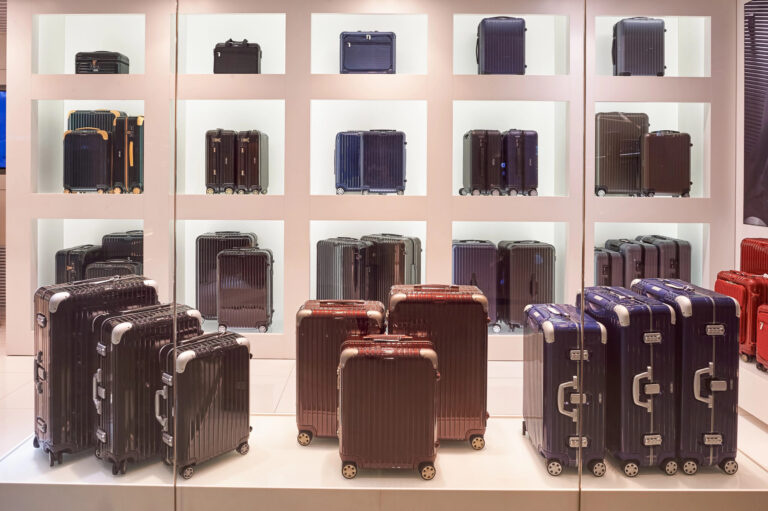
Air travel places checked baggage into automated systems, multiple transfers, and mandatory security inspections. TSA screening authority allows officers to open any checked bag when alarms or random selection require inspection. Therefore, travelers must secure belongings without obstructing access. TSA lockable luggage meets this requirement by using approved locking systems that permit TSA entry while maintaining protection against unauthorized access. Consequently, TSA lockable luggage aligns personal security with airport operations rather than conflicting with them. Importantly, TSA lockable luggage does not restrict inspection authority. Instead, it supports inspection workflows already in place.
TSA Lockable Luggage and TSA Screening Authority
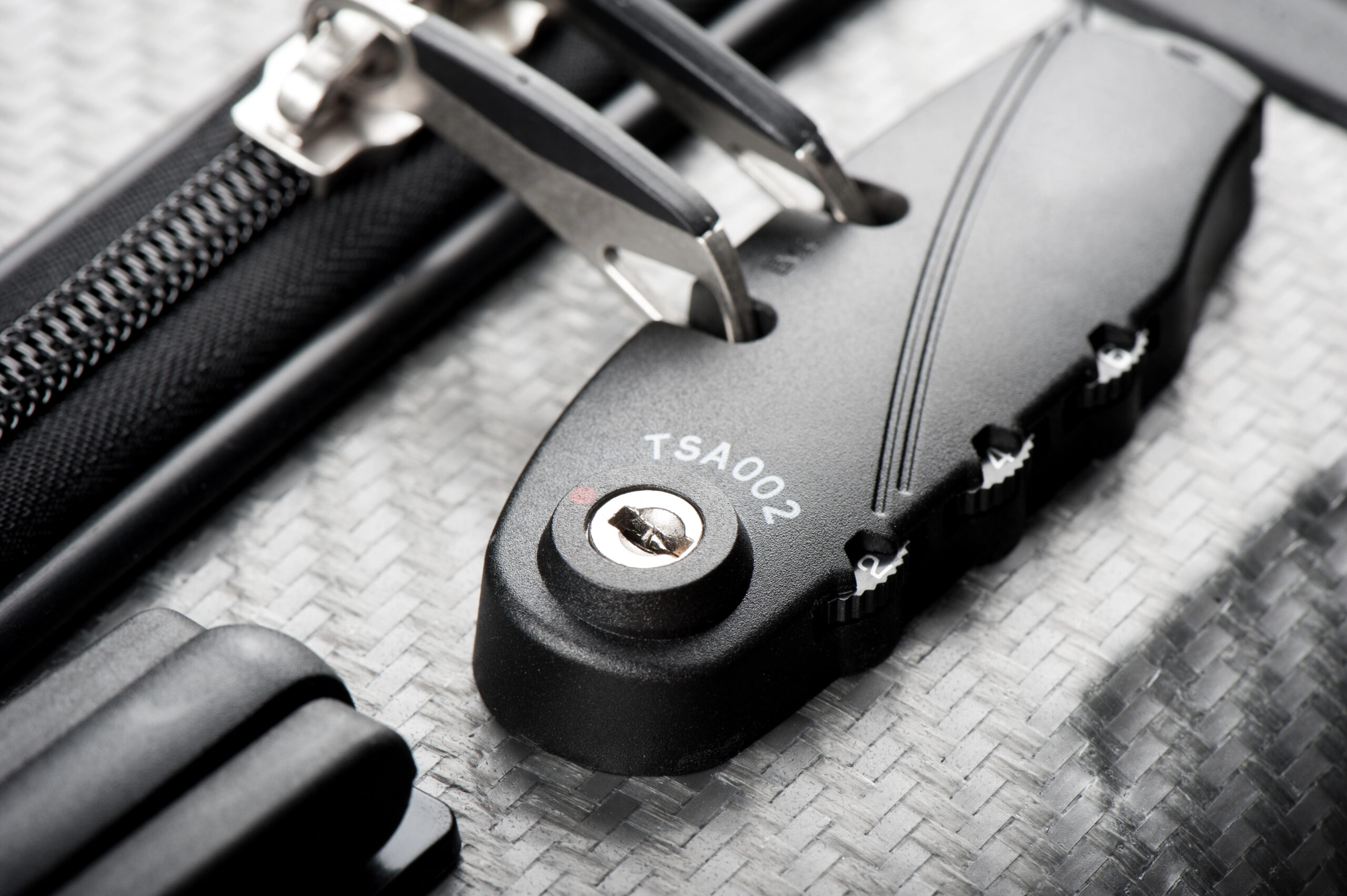
TSA maintains full authority to inspect all checked baggage. Screeners open bags to resolve alarms, verify contents, or complete random inspections. When travelers use non-approved locks, officers may cut or remove them to proceed. However, these locks use standardized lock cylinders that TSA officers open with master keys and relock after inspection. As a result, TSA lockable luggage preserves bag integrity while allowing uninterrupted enforcement.
TSA Checked Baggage Screening Explained
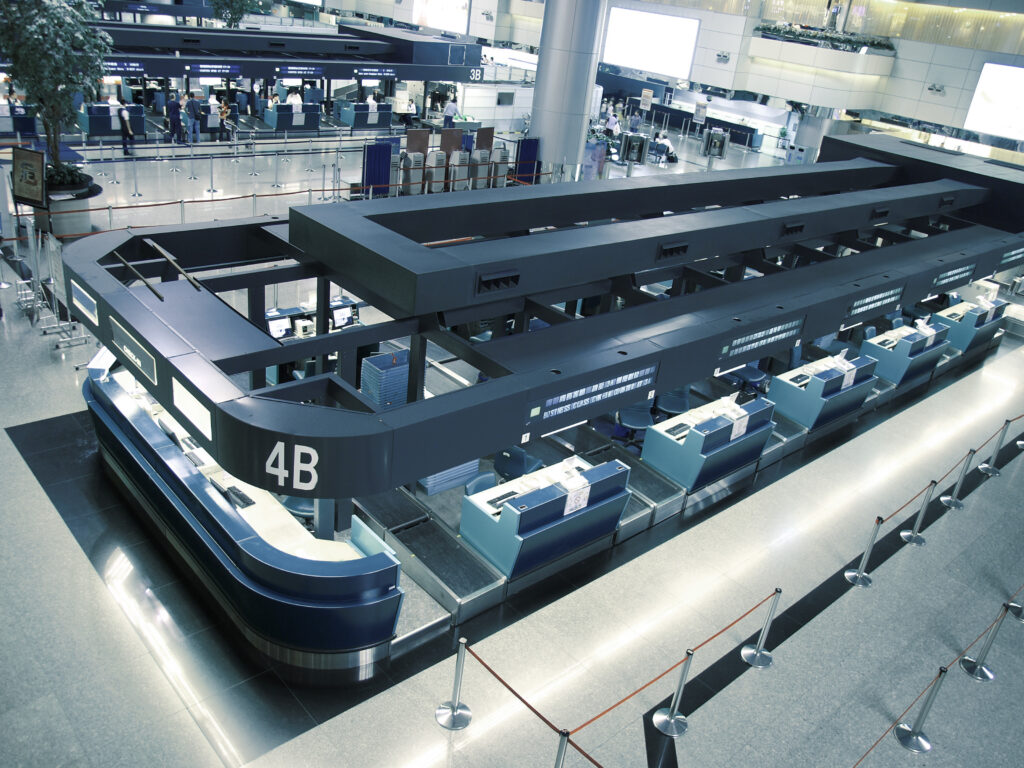
Please don’t miss the Airport News Now Article “Inside the TSA Checked Baggage Screening Process: EDS, OSR, and CBRA Explained”. In that article, we break down how modern checked baggage screening systems work, including Explosive Detection Systems (EDS), On Screen Resolution (OSR), and the Checked Baggage Resolution Area (CBRA), all designed to inspect bags before flight. Understanding these technical layers reinforces why TSA-approved locks matter — they let security personnel access flagged luggage without damaging locks or case integrity. Together with lockable luggage, knowledge of the screening process helps travelers protect gear and anticipate how cases move through the system
How TSA Lockable Luggage Functions Inside Baggage Handling Systems
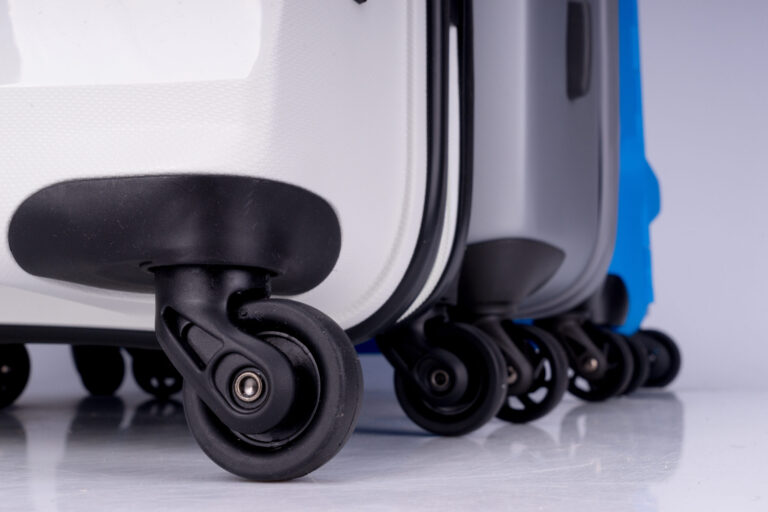
Checked bags move through conveyors, explosive detection systems, and automated sortation devices before aircraft loading. During this process, some bags divert for secondary inspection. TSA compliant locks allows officers to open compartments, resolve screening issues, and return bags to the system without removing locks. Meanwhile, integrated lock housings and reinforced zipper tracks reduce snagging and accidental opening during mechanical handling. Therefore, TSA lockable luggage supports both screening efficiency and system reliability.
TSA Locks Compared to Non-Approved Locks
Non-approved locks obstruct inspection access and increase damage risk. TSA lockable luggage eliminates this conflict by allowing authorized access without destruction. Additionally, damaged locks often expose contents during later handling stages. Accordingly, TSA lockable luggage reduces inspection-related damage while protecting belongings throughout transport.
TSA Lockable Hard-Shell Suitcase
A TSA lockable hard-shell suitcase integrates a TSA-approved combination lock directly into the case structure. This design secures contents while allowing TSA officers to open and relock the bag during inspection without cutting hardware. Rigid shells also protect against impact forces within baggage systems, which improves durability during screening and airline handling.
TSA Lockable Hard-Shell Suitcase
TSA Lockable Luggage During Secondary Inspection Events
Electronics, dense objects, batteries, and irregular packing frequently trigger secondary inspection. TSA lockable luggage allows officers to resolve these alarms efficiently without damaging zippers or lock mechanisms. Conversely, non-approved locks often lead to forced entry. Consequently, this reduces delays and preserves bag usability after screening.
Lockable Baggage and Airline Liability Reality
Airlines transport baggage but do not control TSA inspections. When TSA cuts a lock, airlines typically deny responsibility for resulting damage. Thus, this minimizes this exposure by preventing lock destruction during inspection. Therefore, travelers who use TSA lockable luggage reduce disputes related to broken locks or compromised bags.
TSA Lockable Luggage for Checked Bags Versus Carry-On Bags
Carry-on bags remain under passenger control, so locks provide limited benefit. Checked bags leave passenger oversight and pass through multiple handling stages. TSA lockable luggage specifically addresses checked-baggage risk by balancing access and security. Accordingly, TSA lockable luggage applies primarily to checked baggage rather than cabin items.
TSA-Approved Cable Lock Set
A TSA-approved cable lock set provides flexible security for luggage without integrated locks. These accessories secure zipper pulls, external compartments, or expandable sections while allowing TSA access with master keys. Travelers often use cable locks to supplement TSA lockable luggage or retrofit older suitcases for compliance.
TSA-Approved Cable Lock Set
Aluminum Carry-Ons and Their Role in Secure TSA Screening

Please see the Airport News Now Article “Aluminum Carry-On Luggage: Premium All-Metal Travel Solution”. Where we show you how all-metal luggage delivers enhanced durability, structural rigidity, and resistance to airport handling impacts compared with traditional fabric or polycarbonate designs. Its emphasis on rigid strength and crush resistance complements the baseline discussion of TSA-approved lock systems by showing how suitcase choice itself supports secure, inspection-friendly travel gear. Integrating premium aluminum carry-ons with approved lockable luggage improves both screening access and long-term protection for delicate or high-value items.
Construction Factors That Define Effective Lockable Luggage
Lock approval alone does not determine performance. TSA lockable luggage also requires reinforced zipper tracks, metal lock housings, and recessed lock placement to resist shear forces from conveyors and loaders. Additionally, proper alignment between lock and zipper prevents jamming during inspection. Therefore, travelers should evaluate construction quality alongside TSA approval.
Lockable Luggage for International and U.S.-Bound Travel
Many international airports recognize TSA-approved locks on U.S.-bound flights. While foreign authorities may inspect bags independently, TSA lockable luggage still protects contents during U.S. screening stages. Consequently, travelers benefit from TSA lockable luggage even on international itineraries.
TSA-Approved Combination Padlock
A TSA-approved combination padlock offers a compact locking option for luggage compartments, duffels, or cases without integrated systems. These locks allow TSA access while maintaining security during airline handling. Travelers often pair padlocks with TSA lockable luggage for secondary compartments.
TSA-Approved Combination Lock
Common Errors That Undermine TSA Lockable Luggage
Some travelers attach non-TSA locks alongside approved locks, which defeats compliance. Others overload compartments, increasing zipper stress during inspection. Additionally, misaligned locks may jam after impact. Proper selection and packing preserve TSA lockable luggage effectiveness.
TSA-Approved Luggage Lock Strap
A TSA-approved luggage lock strap wraps around a suitcase and secures it during transit while allowing inspection access. These straps add tamper resistance and visibility, especially for expandable or soft-side bags. Lock straps complement TSA lockable luggage by stabilizing cases during handling.
TSA-Approved Luggage Lock Strap
Conclusion
TSA lockable luggage functions within established TSA screening authority and airline baggage handling systems by allowing authorized access without compromising bag security. These locks do not restrict inspection or alter enforcement procedures. Instead, TSA lockable luggage reduces damage, preserves bag integrity, and aligns passenger security needs with operational realities. When travelers select well-constructed TSA lockable luggage and compatible accessories, they improve baggage outcomes across modern air travel environments.
Amazon Affiliate Disclosure – Airport News Now
Airport News Now participates in the Amazon Services LLC Associates Program, an affiliate advertising program designed to provide a means for sites to earn advertising fees by advertising and linking to Amazon.com. This means that some links on this site are affiliate links. If you click an affiliate link and make a purchase, Airport News Now may earn a small commission at no additional cost to you. Affiliate links do not influence editorial content. Product references appear based on relevance to airport operations, TSA screening compatibility, and airline handling procedures. Prices, availability, and features change at Amazon’s discretion. Airport News Now does not manufacture, sell, ship, or service products listed through affiliate links.