Guidelines to Know Before Flying with Medical Needles. Understanding the TSA rules for sharps is crucial to ensure a hassle-free experience at the airport.
Flying with medical necessities like syringes, auto-injectors, or lancets can feel intimidating—especially if you’re unsure how the Transportation Security Administration (TSA) handles “sharps” at airport security checkpoints. Therefore, for travelers managing diabetes, severe allergies, or conditions requiring injections, knowing your rights along with TSA’s rules for medical sharps before reaching TSA screening can save time, stress, and unnecessary confrontation.
Understanding TSA Rules for Sharps
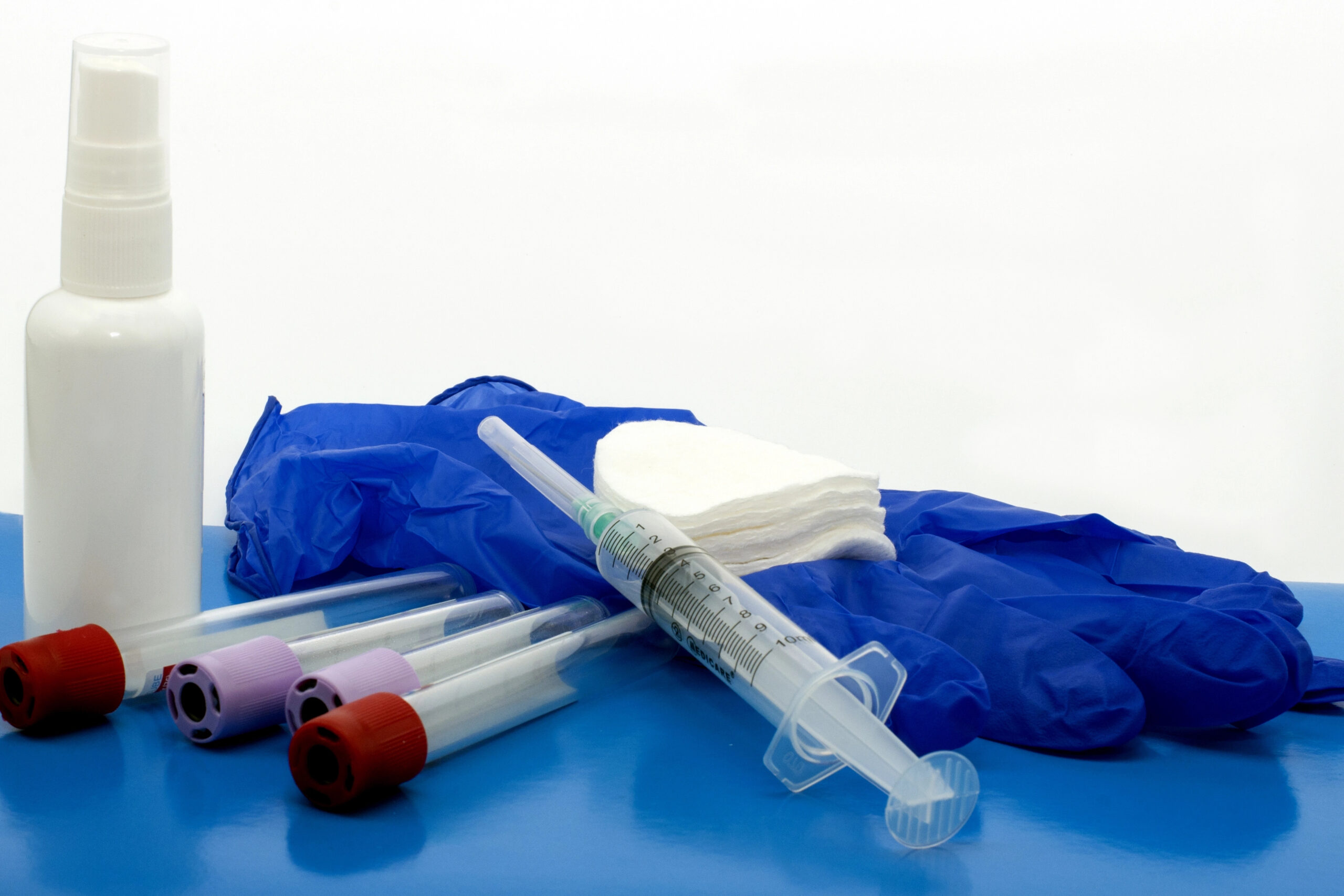
The TSA’s official policy on Traveling with Disabilities and Medical Conditions allows passengers to bring syringes, injectable medications, preloaded auto-injectors (like EpiPens), and blood sugar testing lancets through airport security. Ultimately, these are recognized as medically necessary items and are treated differently from prohibited sharp objects.
To make the process easier:
- Declare medical sharps to TSA officers at the start of screening.
- Keep them in original containers if possible.
- Separate medical items from other belongings to streamline inspection.
You can review the official TSA medical guidance directly on the TSA Medical Devices & Medications page.
TSA Rules for Sharps – Tips for Carrying Syringes and Insulin Pens Safely
If you use insulin pens, pre-filled syringes, or other injection devices, pack them in a dedicated medical bag. Notably, TSA does not require that these be stored in a quart-sized bag, as the 3-1-1 liquid rule does not apply to medically necessary liquids, gels, or needles.
You’re not required to have a doctor’s note, but bringing a copy of your prescription can help prevent misunderstandings—especially when carrying multiple vials or injectors.
Pro Tip: When traveling internationally, always confirm customs and airline-specific rules regarding medications and syringes, since other countries may apply stricter import restrictions.
TSA Rules for Sharps – Auto-Injectors (EpiPens) and Airline Compliance Guidelines
Auto-injectors, such as EpiPens and other epinephrine devices, are permitted through TSA checkpoints as medically necessary items. Consequently, these devices are recognized for their importance in treating severe allergic reactions and are not subject to the standard restrictions applied to sharp objects. For example, TSA officers are trained to identify and differentiate auto-injectors from prohibited items, which helps ensure that passengers who need these life-saving medications can travel with confidence.
If you encounter a TSA agent who is unfamiliar with auto-injectors or question their allowance, you should politely request clarification from a supervisor or lead Transportation Security Officer. Meanwhile, it is also helpful to keep your auto-injectors in their original packaging and clearly separate them from other belongings for easier inspection. In addition, TSA rules for sharps does not require carrying a prescription or a doctor’s note, but having one available can prevent confusion, especially when traveling with multiple devices. Therefore, always confirm any additional airline regulations prior to your trip, as individual carriers may have their own policies regarding medical devices on board. Being proactive in organizing and declaring your auto-injectors can help facilitate a smoother security screening experience.
TSA Rules for Sharps – Lancets and Blood Glucose Testing
TSA rules for sharps allows for lancets for blood glucose testing through TSA security checkpoints, provided they are capped, sheathed, or otherwise stored safely. As a result, it’s strongly recommended to use a portable sharps container for disposing of used lancets during your journey. These containers are available at most pharmacies or medical supply stores and are small enough to fit in your carry-on bag. TSA permits travelers to bring these medical disposal containers, ensuring safe and compliant disposal of sharps while traveling.
Your Rights During Additional TSA Screening
If you are selected for additional screening at a TSA checkpoint, it is important to know that you have specific rights throughout the process:
- You have the right to request a private screening area. Ultimately, this ensures your privacy and comfort during the inspection.
- You may ask for a TSA officer of the same gender to conduct the screening.
- You are allowed to bring a companion to assist you during the screening.
For travelers who need further assistance, the TSA Cares Program offers valuable support. For example, to receive personalized help at security checkpoints, contact TSA Cares 72 hours before your flight by calling 1-855-787-2227 or by submitting an online request form. If you happen to be traveling with oxygen canisters, the TSA has very specific guidelines about that as well. In this article from Airport News Now, we take a deeper dive into traveling with oxygen canisters.
Guidelines For Packing a Medical “Go-Bag” for Travel
Preparing a dedicated medical travel bag is an essential step to ensure your critical supplies are easily accessible and protected from damage or contamination. In practice, organizing your medical items in a single, well-structured kit helps streamline the security screening process and demonstrates your preparedness to TSA officers.
Key Components of Your Medical Go-Bag
- Medical Documentation and Prescriptions: Carry a copy of your relevant medical documentation, including prescriptions for medications and devices. Therefore, this can help verify your need for specific items if questions arise during screening.
- TSA Cares Contact Information: Include your TSA Cares contact details in the bag. This ensures you have quick access to support should you need personalized assistance at security checkpoints.
- Backup Medications or Devices: Pack extra doses of your medications and additional medical devices as backups. For example, having spares can be crucial if your primary items are lost, damaged, or become inaccessible during travel.
- Emergency Information Card: Prepare a card listing your allergies and emergency contacts. Notably, this provides vital information to medical personnel or fellow travelers in the event of an emergency.
Organizing your medical go-bag in this manner not only ensures compliance with TSA rules for sharps but also helps facilitate a faster and smoother screening experience.
International Air Travel: Guidelines for Medical Sharps Regulations Abroad
Before traveling internationally with medical sharps or related supplies, it is important to check the most current import regulations and requirements for your destination. For starters, begin by contacting the country’s embassy or consulate to confirm what medical items are permitted and any documentation needed for entry. More importantly, If you are unsure, consult the U.S. Department of State – Country Information Page for additional guidance on travel policies. Below is a table outlining the medical sharps regulations in select regions, including the responsible regulatory agency, relevant policies, required documentation, and any additional requirements you may encounter.
| Region/Country | Regulating Agency | Medical Sharps Policy | Documentation Required | Additional Requirements |
| European Union | EASA | Allows medical syringes and injectors on flights within the EU | Prescription documentation, EHIC or equivalent ID | May require verification |
| Japan | Ministry of Health | Advance declaration required for injectable medications | Yakkan Shoumei (import certificate), translated doctor’s note | Import permit may be needed |
| Singapore | Not specified | Advance declaration required for injectable medications | Translated doctor’s note or import permit | Not specified |
| UAE | Not specified | Advance declaration required for injectable medications | Translated doctor’s note or import permit | Not specified |
| Australia | CASA | Medical sharps permitted | Declaration on arrival | Inspection by biosecurity officers if temperature-sensitive or animal-derived |
| New Zealand | CASA | Medical sharps permitted | Declaration on arrival | Inspection by biosecurity officers if temperature-sensitive or animal-derived |
| General Advice | Not specified | Contact embassy or consulate for import policies | Refer to U.S. Department of State – Country Information Page | When in doubt, check official sources |
TSA Rules for Sharps – Airport Medical Coordination and Emergency Procedures
Major airports across the United States maintain a dedicated medical response unit, which is typically staffed by paramedics or contracted emergency medical technicians (EMTs). Consequently, these medical professionals work in direct coordination with TSA officers and airport police whenever a medical event occurs at the airport.
TSA Rules for Sharps – Medical Emergencies During Security Screening
If you experience a medical emergency while presenting or handling medical sharps or devices during the security screening process, TSA officers are trained to act quickly. As a result, they will immediately call for airport medical personnel, who are prepared to manage situations such as diabetic or allergic reactions. With your permission, these responders can retrieve emergency medications from your bag. Meanwhile, during treatment, they will also secure the area to ensure your privacy is maintained.
In-Flight and Arrival Coordination
Should a medical event occur while you are in flight, flight attendants will promptly notify the arrival airport, so that medical teams are often ready and waiting at the gate when the plane lands. Likewise, to help facilitate this process, it is important to inform airline staff if you have a medical condition that requires injections. Therefore, airline personnel can then log this information in your passenger profile, ensuring better coordination in the event of an emergency.
If a medical emergency arises during your flight, flight attendants will immediately alert the arrival airport so that medical teams are typically standing by at the gate when the aircraft lands. To support this process, it’s important to notify airline staff if you have a medical condition that necessitates injections. This allows airline personnel to record the information in your passenger profile, improving coordination should an emergency occur. For further details on how airports prepare for medical events, consult the guidance provided by the Federal Aviation Administration (FAA).
Final Thoughts on TSA Rules for Sharps
Understanding the Transportation Security Administration’s (TSA) rules for medical sharps is essential for travelers who rely on syringes, auto-injectors, and lancets. By familiarizing yourself with these guidelines, you can approach your journey with greater confidence and security, knowing that you are prepared for screening at airport checkpoints.
Preparation and Documentation
Proper preparation plays a critical role in ensuring a seamless travel experience. Therefore, gather all necessary documentation related to your medical equipment, such as prescriptions or doctor’s notes, before arriving at the airport. Ultimately, having this information readily available can help you address any questions TSA officers may have and demonstrate the legitimate need for your medical sharps.
Effective Communication
Clear and proactive communication with both TSA and airline staff is key to minimizing disruptions. Thus, it is important to Inform security officers about your medical equipment as you approach the checkpoint and be prepared to explain its purpose. Meanwhile, if traveling internationally, be aware of other countries’ regulations regarding medical sharps to avoid potential complications during your journey.
Peace of Mind Through Planning
Taking the time to plan and organize your medical equipment not only reduces the likelihood of delays but also enhances your overall safety during travel. When it comes to medical devices, precision and preparation truly matter. As a result, by adopting a calm and methodical approach, you can ensure that your travel experience is as smooth and stress-free as possible.
As Always, Happy Travels from Airport News Now!
— Bill
Secondary Sources