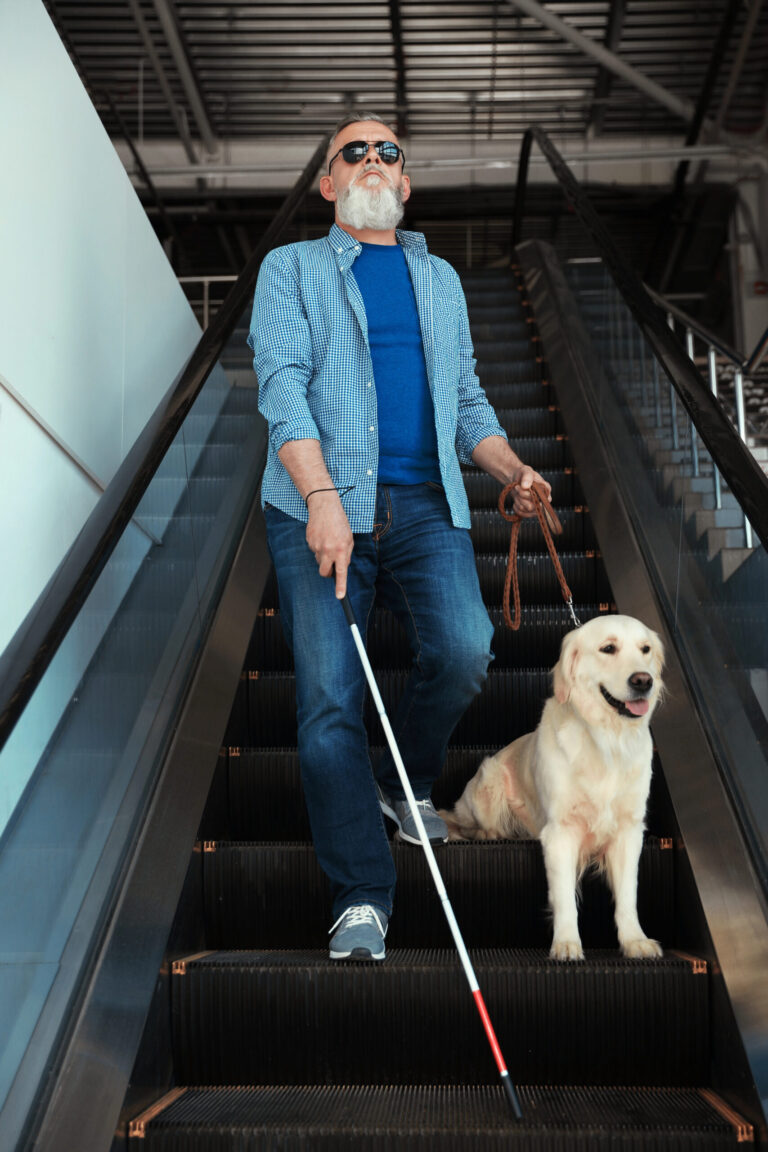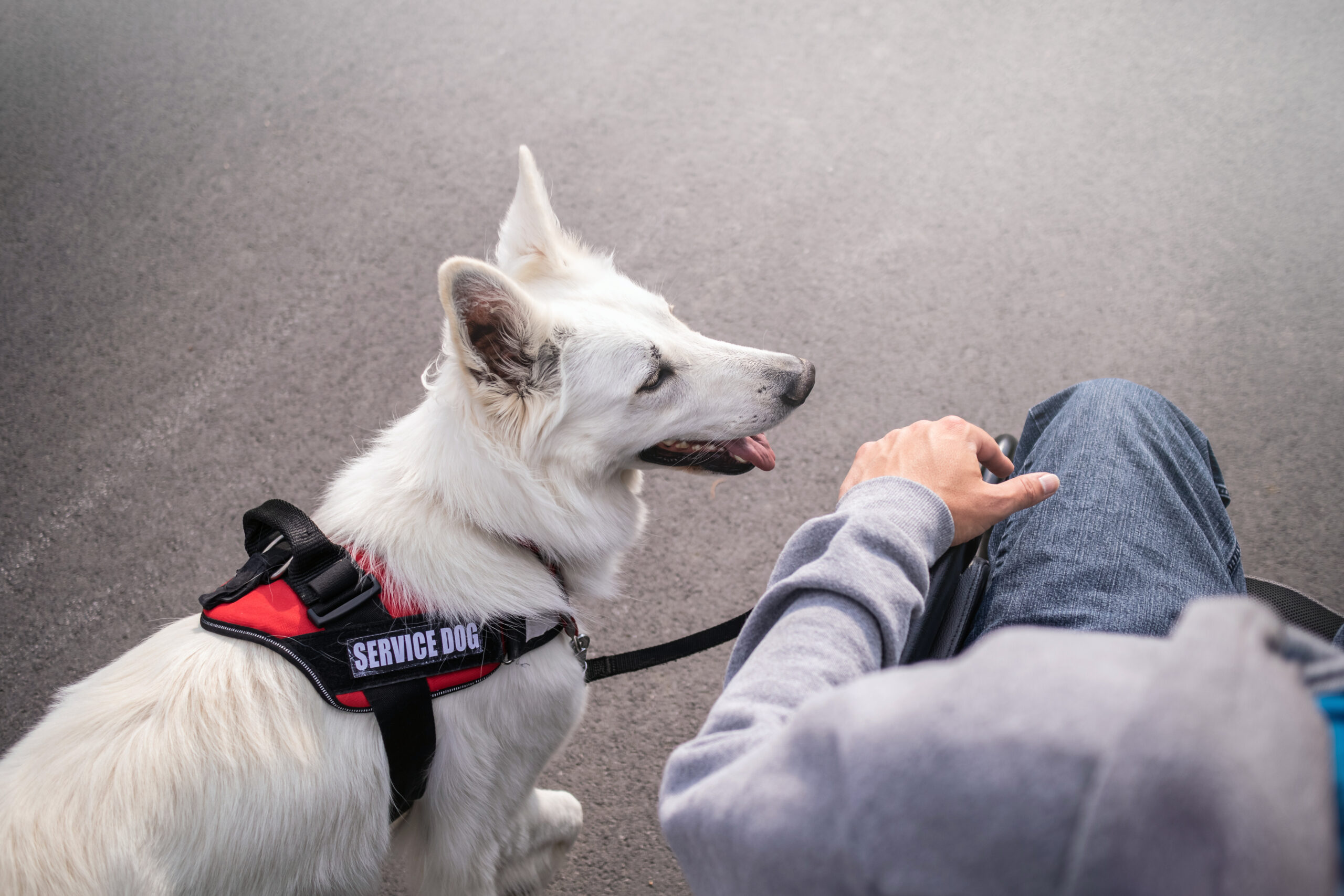
If you’re traveling with a seizure alert dog, every step of the trip needs to be planned like a mission. These dogs aren’t pets—they’re trained medical professionals on four legs. They detect seizures before they happen, provide critical support during medical emergencies, and restore independence to travelers who might otherwise be grounded. But when it comes to air travel, knowing your rights and how to navigate the process is just as important as the dog’s training.
What Is a Seizure Alert Dog?
A seizure alert dog is specially trained to recognize the warning signs of a seizure before it happens. Some dogs naturally pick up on subtle physical or scent changes; others are trained through structured medical scent detection programs.
Once a dog detects a seizure onset, it will alert its handler by nudging, barking, pawing, or positioning itself strategically—often signaling the need to sit, find a safe space, or alert someone nearby.
For individuals with epilepsy or seizure disorders, these dogs are far more than companions—they’re essential medical equipment. They provide safety, independence, and confidence, especially in high-stress travel environments like airports.
Legal Protections for Seizure Alert Dogs
U.S. Regulations
In the United States, seizure alert dogs are protected under the Americans with Disabilities Act (ADA). This law mandates that service animals are granted full public access. Airlines, hotels, taxis, rideshare companies, and restaurants cannot deny entry, charge fees, or impose breed or size restrictions on legitimate service animals.
When flying, the Air Carrier Access Act (ACAA) also protects travelers with service animals. Airlines must permit the dog to travel in the cabin at no additional cost. However, recent Department of Transportation (DOT) rules require travelers to submit standardized forms confirming the dog’s training and behavior—typically 48 hours before departure.
Helpful Links:
- ADA Service Animal Requirements (U.S. DOJ)
- U.S. DOT Service Animal Transportation Forms
- Air Carrier Access Act Overview
International Regulations
Outside the U.S., it’s a completely different story. Some countries treat seizure alert dogs like medical devices—others classify them no differently than pets.
This means you might encounter:
- Extra documentation requirements
- Veterinary inspections
- Mandatory quarantine periods
- Outright denial of entry
Before you book, check your destination country’s service animal import policy. You can find this information through that country’s official aviation or agriculture ministry.
For U.S.-based travelers, the CDC Pet Travel Guidance and USDA APHIS Pet Export Rules are excellent starting points.
Preparing for Air Travel with a Seizure Alert Dog
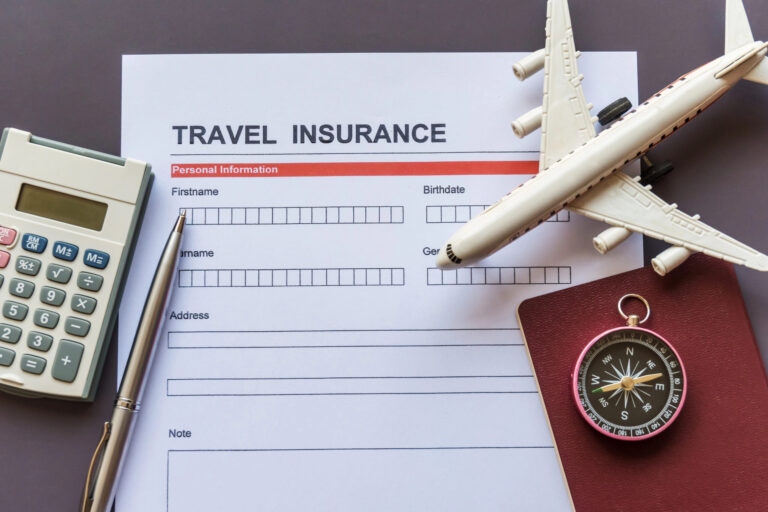
Preparation is key. Airlines have their own policies, but they generally follow DOT and ACAA guidelines. You should notify the airline during booking that you’re traveling with a service dog.
You’ll usually be required to submit:
- Service Animal Transportation Form (confirms your dog is trained)
- Service Animal Relief Attestation Form (confirms your dog can behave appropriately during long flights)
Keep digital and printed copies handy—some airlines require both.
Also, carry:
- Current vaccination records
- Microchip information
- Veterinary letter of health
- Visible service vest (not legally required, but highly recommended)
- Medical documentation confirming your seizure condition (optional but helpful)
Airport Security Screening with a Seizure Alert Dog
Here’s what to expect once you reach TSA:
- You’ll bring your dog through the metal detector on leash.
- If an alarm goes off, you’ll both undergo additional screening—this might include a pat-down, visual inspection, or an explosive trace detection swab.
- Never remove your dog’s harness or leash if doing so compromises control or safety.
- Any accessories, such as packs or jackets attached to the dog, may need to be screened separately.
It’s smart to wear visible medical alert jewelry or carry a laminated medical explanation card. This can help TSA officers understand your situation quickly if a seizure occurs during screening.
TSA agents are trained to call for medical assistance, but they cannot administer care—so your seizure alert dog remains your first line of response in any emergency.
Managing a Seizure Alert Dog During the Flight
Your seizure alert dog must fit entirely in your foot space without blocking aisles or exits. If your dog is large, request bulkhead seating (the front row behind the cabin wall) when you book. Airlines often reserve these for service-animal travelers because they provide additional floor space.
Pro Tips:
- Feed your dog lightly before flying to reduce motion sickness.
- Bring a collapsible travel water bowl.
- Keep a small absorbent pad in case of an accident.
- Carry a ziplock bag with dry treats or calming chews for long flights.
Hydration is especially important in pressurized cabins. Offer water during the flight, but limit intake just before boarding to avoid accidents.
Traveling Internationally with a Seizure Alert Dog
International travel takes the challenge up several notches. Some countries require:
- Rabies titers (FAVN blood test)
- Tapeworm treatments
- Veterinary endorsement
- Microchip registration
- Quarantine periods
Even service animals are not exempt in certain places. Australia, for example, enforces a mandatory quarantine for all incoming animals—service dogs included. The U.K., Japan, and New Zealand have similar requirements.
Always contact the destination’s embassy or consulate months ahead. Have your USDA-accredited veterinarian review your paperwork before departure to avoid being turned away at customs.
Tip: Keep your dog’s flight reservation, veterinary forms, and import permits in one waterproof travel folder. Many handlers also store digital copies on their phones for quick access.
Accommodations and Ground Transportation
Under the ADA, hotels, taxis, and rideshares (like Uber or Lyft) must accept service animals without additional fees. If anyone challenges you, calmly remind them that the ADA recognizes seizure alert dogs as legitimate medical support animals—not pets.
However, outside the U.S., these protections can disappear fast. Some European and Asian hotels, for instance, will only accept service dogs with advance notice or special certification. Always call ahead and document your confirmation emails in case there’s a dispute upon arrival.
Handling a Medical Episode During Travel
If a seizure occurs mid-flight:
- Flight attendants should move nearby passengers, allowing your dog space to respond.
- They are trained to notify medical responders on arrival but cannot administer medication.
- Your dog’s ability to remain calm and alert is critical in these moments—reinforcing why documentation, training, and calm preparation matter so much.
Summary of Your Key Legal Protections
| Regulation | Applies To | Summary |
| ADA (Americans with Disabilities Act) | Public access in the U.S. | Guarantees equal access to businesses, hotels, and transportation. |
| ACAA (Air Carrier Access Act) | Air travel | Requires airlines to allow service dogs in-cabin free of charge. |
| DOT Service Animal Rules | Airlines | Mandates submission of forms verifying training and behavior. |
| Foreign Regulations | International travel | Varies widely; may involve quarantine or denial of entry. |
Futher Reading
For further reading on guide dogs, be sure to catch the Airport News Now Article on TSA Rules for Guide Dogs.
Final Thoughts
A seizure alert dog isn’t just a companion—it’s your four-legged medical assistant. These animals restore a sense of safety and freedom that travelers with seizure disorders might otherwise lose. But make no mistake: airports, airlines, and foreign governments won’t cut corners for you.
If your paperwork isn’t complete, your dog won’t fly. It’s that simple.
Plan ahead. Get the right gear. Understand your legal rights under the ADA and ACAA. And always treat your dog’s documentation as vital as your own passport. When everything is in order, you and your seizure alert dog can focus on what really matters—traveling safely and confidently, anywhere in the world.
As Always, Happy Travels from Airport News Now!
— Bill
Secondary Sources