How a well-designed travel backpacks support airline carry-on limits, TSA screening, and efficient boarding
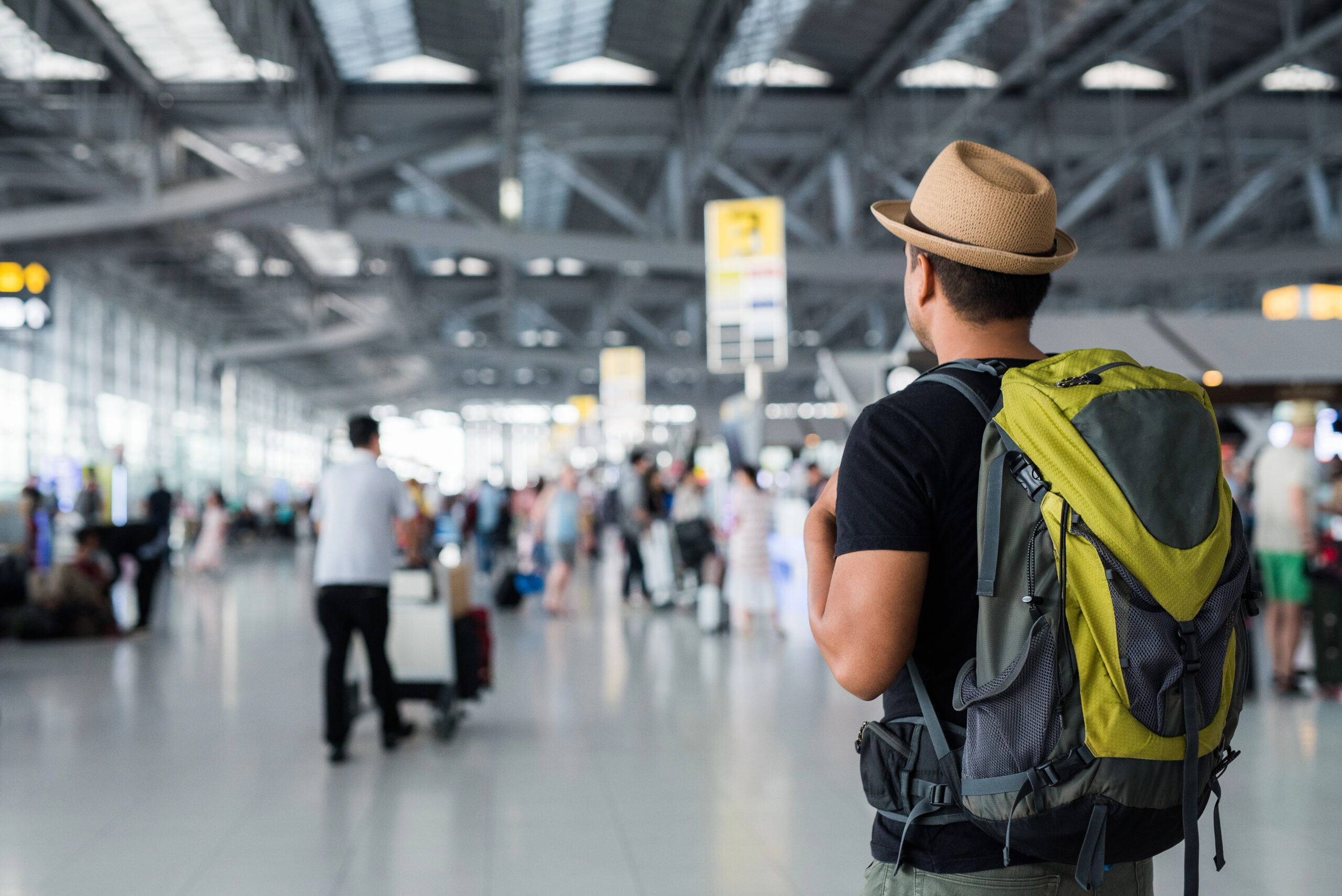
Airlines enforce carry-on rules by measuring external dimensions and counting visible items during boarding. At the same time, overhead bin space continues to shrink as aircraft load factors increase. Because of this, many travelers now rely on travel backpacks to manage essentials in a single, controlled bag. A properly designed travel backpack helps travelers stay within airline size limits while maintaining mobility in crowded terminals. Rather than bending rules, this approach works entirely within how airlines and gate agents already enforce carry-on policies.
How Travel Backpacks Differ from Casual Backpacks
Casual backpacks prioritize flexibility and comfort over structure. When fully packed, they bulge outward and change shape, which often draws attention at the gate. In contrast, travel-focused backpacks use rectangular frames, reinforced panels, and compression straps to maintain a consistent exterior profile. As a result, these packs fit more predictably under seats or in overhead bins and reduce the chance of last-minute repacking.
Airline Enforcement Reality for Travel Backpacks
Gate agents do not evaluate how much a backpack can hold. Instead, they focus on whether it fits within size sizers and looks manageable during boarding. Structured travel backpacks align with this reality because they control expansion and present a clean, compact silhouette. Therefore, travelers avoid unnecessary scrutiny while boarding, especially on full flights or when boarding late.
Structured Travel Backpacks
A best-selling travel backpack designed for airline carry-on use combines a rigid rectangular shape with internal organization and compression straps. This layout helps the bag retain its form when packed and improves compatibility with airline size enforcement at the gate.
TSA Screening and Backpack Layout
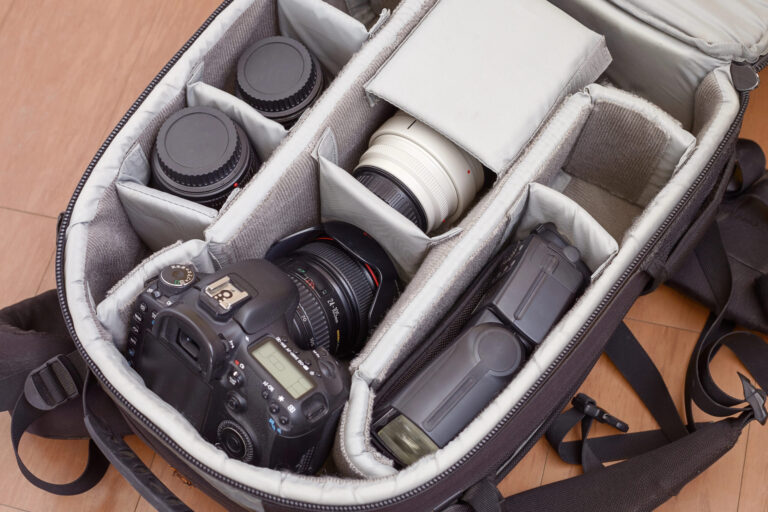
TSA screening evaluates object density and item arrangement rather than bag type. Backpacks with clear compartment separation allow travelers to remove electronics and liquids quickly when required. Because items remain organized instead of stacked loosely, screeners can resolve inspections faster. Consequently, a structured backpack reduces secondary screening delays and keeps checkpoint flow moving.
Why Internal Compression Matters in Backpacks
Internal compression plays a critical role in backpack performance. By pulling clothing inward instead of outward, compression straps prevent bulging that can make a bag appear oversized. Additionally, compressed loads shift less during walking, which improves comfort and stability. Therefore, internal compression supports both airline compliance and physical ergonomics. Along with travel backpacks, to really save space, time, and hassle when it comes to carry-on items, is a ScotteVest. Please see this Article from Airport News Now about Travel vests, and how that offers a 3rd place for your carry-on items, beyond the overhead compartments, and under your feet. Simply wear your carry-on, as you are with a backpack.
Compression Backpacks
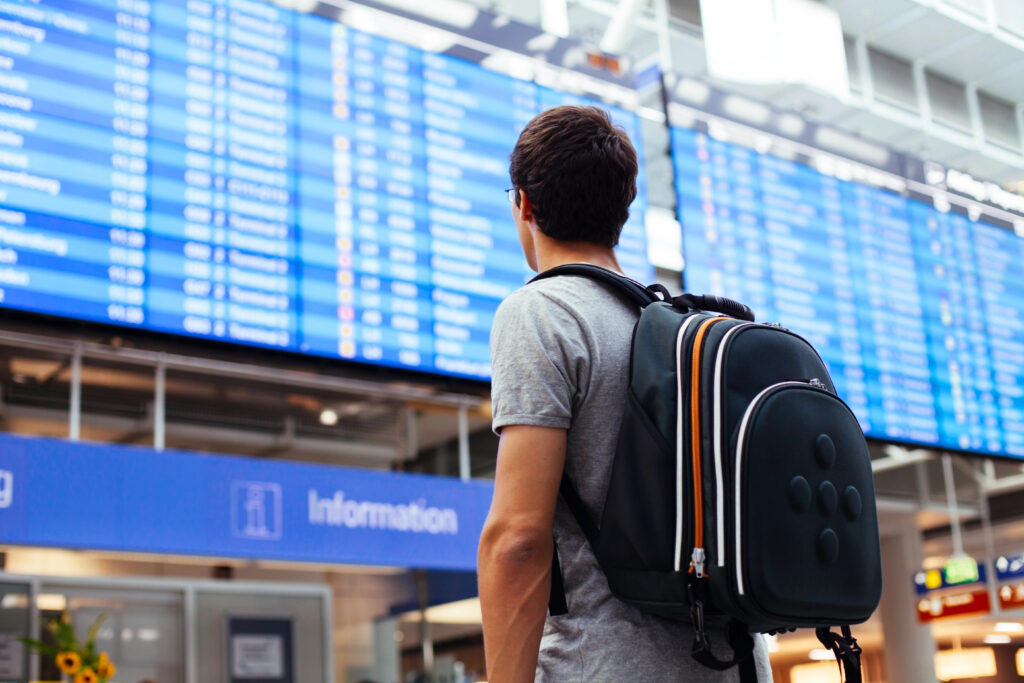
Please be sure to read the Airport News Now Article on Compression backpacks which are another alternative to structured travel backpacks by controlling internal volume without altering exterior dimensions, which aligns with how airlines enforce carry-on size limits. By pulling clothing inward rather than allowing outward bulging, compression systems help backpacks retain their shape while improving comfort and stability during long walks through terminals.
Compression Packing Cubes
Compression packing cubes reduce clothing volume by flattening garments through zippered panels. When used inside a travel backpack, they improve space efficiency while keeping the bag’s exterior dimensions consistent.
Weight Distribution and Carry Comfort
Backpacks carry weight directly on the body, so balance matters more than total capacity. Backpacks position heavier items closer to the spine and distribute load across shoulder straps and back panels. As a result, travelers experience less fatigue during long walks between gates or terminals. Proper load distribution also prevents awkward shifting that can cause backpacks to exceed size limits unexpectedly.
Accessories That Improve Backpack Functionality
Backpacks perform best when paired with accessories that enhance organization without adding bulk. Flexible organizers and low-profile accessories maintain accessibility while preserving internal space. Therefore, travelers should avoid rigid cases that disrupt packing flow or complicated screening.
Travel Tech Organizer
A compact tech organizer separates cables, chargers, and small electronics inside a backpack. This setup simplifies TSA screening and prevents dense clusters that often trigger bag inspections.
Travel Tech Organizer
Backpacks Versus Rolling Carry-On Bags
Rolling carry-ons depend heavily on overhead bin availability. When bins fill, late boarders face gate checks. Backpacks avoid this problem by staying under the traveler’s control throughout boarding. Additionally, backpacks allow hands-free movement through stairs, jet bridges, and ground transportation, which improves overall travel efficiency.
TSA-Approved Travel Lock
A lightweight TSA-approved travel lock secures zipper pulls without interfering with screening access. This accessory adds basic security while remaining compatible with inspection procedures.
Common Mistakes People Make with Travel Backpacks
Some travelers overpack outer pockets, which creates bulging that attracts gate attention. Others place heavy items far from the back, reducing comfort and stability. Additionally, skipping compression leads to wasted space and poor load control. Thoughtful packing prevents these issues and preserves both comfort and compliance.
Conclusion
A well-designed travel backpack supports airline carry-on rules by controlling shape, organizing contents, and maintaining predictable dimensions. This approach aligns with airline enforcement practices, TSA screening workflows, and real-world boarding conditions. When travelers pair a structured backpack with compression and organization accessories, they improve mobility, reduce friction, and move through airports more efficiently.
Amazon Affiliate Disclosure – Airport News Now
Airport News Now participates in the Amazon Services LLC Associates Program, an affiliate advertising program that allows sites to earn advertising fees by linking to Amazon.com. Some links on this site are affiliate links. If you click a link and make a purchase, Airport News Now may earn a commission at no additional cost to you. Affiliate links do not influence editorial content. Product references appear based on relevance to airline rules, airport operations, and traveler utility.