Why a Tracking Device Matters More in an Airport
A tracking device becomes more important in an airport because terminals create fast, stressful separation moments that do not happen in normal daily life. Since airports are loud and crowded, pets can panic even if they are normally calm and well-trained. Additionally, escalators, automatic doors, baggage areas, and long corridors give a loose pet multiple escape paths in seconds. Because of that, any tracking device plan should be built for worst-case conditions, not ideal travel situations. This guide compares three tracking device options—GPS collars, microchips, and Bluetooth tags—based on what they realistically do during airport travel.
What a Tracking Device Must Do in an Airport (The Real Standard)
A tracking device for pets must function inside a building where signals can be weaker, locations can be confusing, and updates can be delayed. For example, terminals can create dead zones, multi-level misdirection, and inconsistent tracking performance depending on the system being used. At the same time, travelers need a tracking device setup that supports both immediate recovery and return-to-owner identification. Additionally, airports include restricted areas where you may not be allowed to search freely, which makes accurate location clues even more valuable. Therefore, the smartest approach is layering your tracking device strategy so one failure does not ruin your entire recovery effort.
Device Type #1: Microchip (Permanent ID, Not Live Location)
How a Microchip Tracking Device Works
A microchip is a tracking device in the identification sense because it stores a unique ID number that can be read using a scanner. However, it does not provide live location tracking, and it does not help you follow a pet through a terminal in real time. Instead, a microchip helps after your pet is found and brought to a shelter, veterinarian, or animal control service that scans for identification. Because collars and tags can fall off, microchips remain one of the most reliable long-term ownership tools travelers can use. Therefore, the microchip should be treated as the foundation of your tracking device plan, not the complete solution.
Microchip Failure Points During Travel (What Most People Miss)
A microchip tracking device only helps if your registration information is correct and current. Unfortunately, many owners chip their pet and never update the database after moving or changing phone numbers. Additionally, airports do not typically scan pets on the spot, which means a microchip is not a fast-recovery tool during the first critical minutes of separation. Because of that, microchips work best when paired with a second tracking device that supports faster location clues. Therefore, a microchip should be viewed as your long-term recovery layer rather than your immediate search solution.
Tracking Device Type #2: Bluetooth Tag (Indoor Clues, Not True GPS)
What a Bluetooth Tag Tracking Device Can Do
A Bluetooth tag is a tracking device that can provide helpful indoor location clues, especially in busy airport environments. However, Bluetooth tags do not use GPS satellites for true live tracking, and many rely on nearby phones to detect them. As a result, the information provided may be delayed, approximate, or based on last-known detection rather than current movement. Even so, Bluetooth tags can help narrow your search area when your pet is loose in a terminal and may be hiding nearby. Therefore, Bluetooth tags are often best used as a secondary tracking device for short-range recovery support.
Bluetooth Tag Failure Points in Airports (Accuracy and Delay Problems)
A Bluetooth tracking device can show a location that is no longer accurate by the time you get there. In airports, multi-level construction often creates confusing results where the tracker appears “close” but is actually above or below you. Additionally, certain areas may have fewer devices passing nearby, which slows updates and reduces usefulness during urgent situations. Because Bluetooth tags are not designed for live pursuit tracking, they should not be treated as your only solution during pet travel. Therefore, the best use of a Bluetooth tracking device is pairing it with either a GPS collar or a strong identification plan.
Device Type #3: GPS Collar (Best Live Tracking, With Conditions)
How a GPS Collar Tracking Device Helps Most
A GPS collar is the strongest live tracking device option for many travelers because it can provide real location tracking over a wider area. Additionally, many GPS collars include movement history, escape alerts, and location refresh features that speed up recovery when a pet moves quickly. However, GPS collars depend on battery life and signal conditions, and airport structures can reduce performance indoors. Because of that, GPS collars tend to work best outside the terminal, such as curbside areas, parking garages, drop-off zones, and access roads. Therefore, GPS collars should be paired with secure fit and backup identification so the tracking device stays attached and useful.
GPS Collar Failure Points at Airports (Battery, Signal, and Fit)
GPS tracking collars fail most often due to battery drain, signal limitations, or poor collar fit. For example, if the collar slips off during a panic sprint, you end up tracking the collar instead of the pet. Additionally, some GPS tracking devices update more slowly indoors, which becomes a serious issue during fast-moving airport separation events. Because airport layouts are complex and crowded, even a small tracking delay can lead to wasted time and missed recovery opportunities. Therefore, a GPS collar tracking device should be treated as high-value equipment that still needs redundancy, secure attachment, and a practical control plan.
Pet Tracker Travel Picks: The 4 Best Options to Build a Stronger Layered Setup
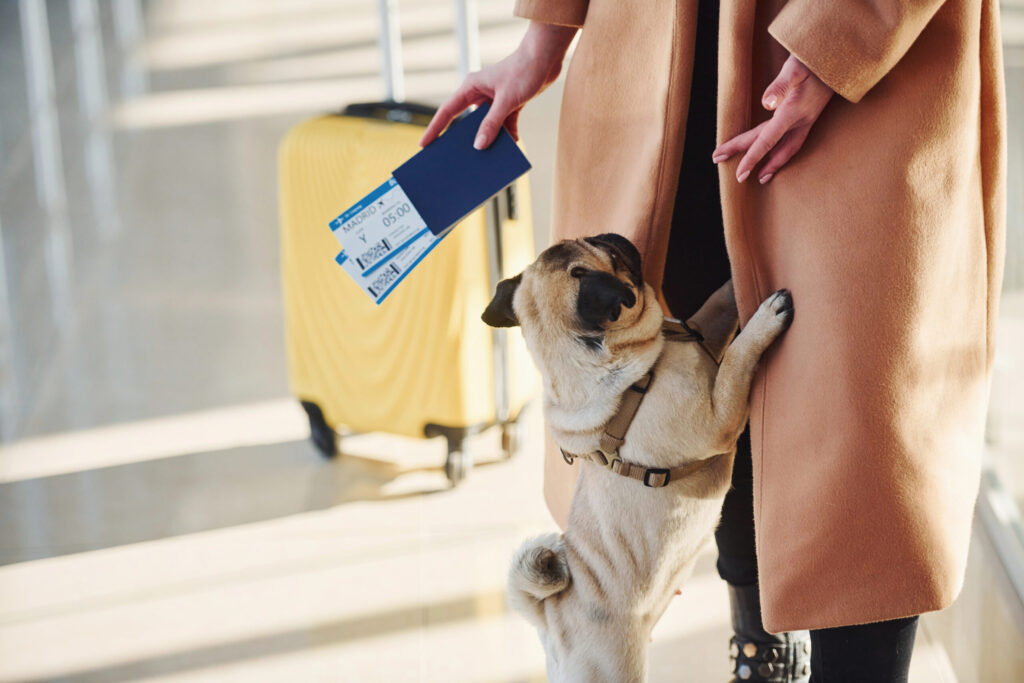
A tracking device plan gets even stronger when it includes a dedicated pet tracker layer that covers both identification and fast recovery inside busy terminals. Please see the Airport News Now article “Pet Tracker Travel Picks: 4 Best Options for Layered Security”, which breaks down four practical options that support microchip ID, Bluetooth proximity clues, and GPS tracking when distance increases. In addition, it explains how each pet tracker category performs differently indoors versus outdoors, which matters in airports where separation can shift zones fast. Ultimately, pairing a tracking device strategy with the right pet tracker tools creates a more complete travel safety setup instead of relying on a single point of failure.
Comparison Table: What Each Tracking Device Does Best
Each tracking device supports a different part of pet recovery, which is why choosing a single winner is not the smartest approach. For example, microchips help with ownership confirmation after your pet is recovered by someone else. Meanwhile, Bluetooth tags help provide indoor clues, even though the results may be delayed or approximate. GPS collars provide the strongest live tracking support when signal conditions are working and the collar stays on securely. Because airports mix indoor and outdoor environments in the same trip, a layered tracking device system fits real travel conditions better than relying on only one tool.
Tracking Device Quick Comparison
| Tracking Device Type | Works Indoors? | Live Location? | Needs Battery? | Best Use |
|---|---|---|---|---|
| Microchip | Yes (scanned) | No | No | Ownership confirmation |
| Bluetooth Tag | Often | Limited | Yes | Indoor search clues |
| GPS Collar | Sometimes | Yes | Yes | Live recovery tracking |
Best Practice: Layer Your Tracking Device Setup
The best pet travel setup uses multiple tracking device layers so you are not dependent on one tool. First, a microchip provides permanent identification that cannot fall off and cannot lose power. Next, a visible collar tag provides immediate contact info that helps others return your pet quickly. Then, a GPS collar or Bluetooth tag adds location support depending on whether your pet is inside or outside the terminal. Because airport conditions can break one system unexpectedly, redundancy is what prevents a small escape from turning into a true disaster. Therefore, layered tracking devices offer the best realistic protection during air travel.
TSA Screening: The Highest-Risk Moment for Pet Separation
TSA screening is a major failure point because pets often must be removed from carriers while the carrier goes through the X-ray machine. During that moment, the traveler’s hands are busy, the environment is loud, and the pet’s stress level is often at its highest. Additionally, sudden noises, rolling bins, and moving crowds can trigger escape behavior in animals that are usually calm. Because of that, tracking devices often become recovery tools rather than prevention tools if an escape happens at the checkpoint. Therefore, travelers should treat TSA screening as a high-risk moment and use strong control habits before entering the line.
FAA Guidance: Why Airline Pet Rules Must Be Confirmed Before Travel
FAA guidance for flying with pets emphasizes that airline policies vary, and travelers must confirm details directly with the airline before departure day. This matters because your tracking device plan must match how your pet will be transported and what access restrictions exist during travel. For example, cabin rules, cargo travel rules, and carrier size requirements affect what you can attach safely and what stays on your pet consistently. Additionally, airline restrictions can impact whether collars, tags, and accessories are allowed or recommended in certain travel scenarios. Therefore, FAA guidance reinforces the reality that airline pet travel is policy-driven, and preparation matters before you ever reach the airport.
DOT Guidance: What Travelers Should Know Before Flying With a Pet
DOT guidance for flying with a pet focuses on traveler responsibilities and highlights that airlines may require documentation or specific compliance steps. This matters because tracking devices help recovery, but documentation and identification still drive successful reunification if your pet is recovered by staff or turned over to services. Additionally, DOT information reinforces that each airline may set different requirements, which changes how you plan the trip safely. Because pet travel combines consumer expectations with carrier policies, DOT guidance helps travelers confirm what they need before travel day. Therefore, DOT resources help you build a correct plan while tracking devices serve as a safety layer if separation happens.
Final Thoughts: The Best Tracking Device Strategy is Built for Airport Reality
A microchip is a critical tracking device for permanent identification, but it does not provide live location tracking. A Bluetooth tag is useful for indoor search clues, but it can be delayed or approximate in busy terminal conditions. A GPS collar is usually the best live tracking device, but it still depends on battery, signal, and secure fit to stay functional. Because airports create fast-moving problems, no single tracking tool covers every situation perfectly. Therefore, the strongest plan is a layered approach that combines identification and location tracking together.