How Therapy Dogs Reduce Stress
Airports introduced therapy dogs and comfort-animal teams to stabilize traveler behavior, support customer service staff, and improve the overall terminal experience. As passengers move through crowded hallways, noisy gate areas, and irregular-operations zones, tension rises quickly. Because of this, airports rely on structured deployment strategies, certified handlers, predictable animal behavior, and coordinated scheduling to manage stress across high-traffic areas. Travelers encounter these animals often; however, most people do not understand the operational planning behind these programs. For this reason, this guide explains how comfort animals work, why airports use them, where they appear, how TSA screens them, and how they strengthen communication and traveler well-being.
Why Airports Use Therapy Dogs
Modern airports experience nonstop movement, unpredictable delays, and inconsistent passenger behavior. As frustration builds, communication breaks down and tension spreads quickly. However, comfort-animal programs reduce emotional overload, stabilize crowds, and strengthen cooperation between travelers and airport staff.
Therapy Dogs Help Reduce Traveler Stress
Airports track stress trends through behavioral observation, self-reported surveys, and direct staff feedback. As irritation builds, crowds move more unpredictably, which creates confusion and slows down essential processes. However, Therapy dogs help travelers regain focus, communicate more clearly, and respond to staff instructions with fewer emotional reactions. As a result, people approach security lines, gate areas, and customer-service counters with steadier behavior after interacting with these wellness teams.
Improved Staff–Passenger Communication
Gate agents, ambassadors, and TSA officers depend on clear communication to keep operations moving. However, overwhelmed travelers often misinterpret instructions or respond emotionally to simple guidance. As a result, therapy animals change the tone of a stressful space quickly, which makes travelers more receptive to spoken announcements and agent directions. Consequently, staff members resolve issues faster because fewer travelers escalate into frustration-driven behavior.
Customer Service Efficiency
Rebooking counters, lost-luggage areas, and irregular-operations zones attract tense crowds. Emotional strain slows down each interaction and increases the number of repeated explanations staff must provide. Comfort-animal teams reduce these obstacles by calming the environment. Travelers communicate more directly, staff work more efficiently, and entire lines move with greater stability.
Enhanced Airport Hospitality
Airports compete for customer-experience rankings. Therefore, when people see therapy dogs at airports, they associate the environment with care, professionalism, and well-managed passenger wellness. Surveys often show higher satisfaction scores in terminals where wellness animals operate consistently. These programs help airports strengthen their reputation and encourage repeat traveler trust.
How Airport Therapy Dogs Program Operate
Airports design therapy dog programs through partnerships with certified therapy-animal organizations. In addition, these programs require predictable behavior, trained handlers, dedicated scheduling, and strict operational guidelines.
Program Structure
A complete program includes a certified animal, a trained handler, airport-issued credentials, and a rotation schedule that aligns with passenger-flow patterns. Moreover, therapy dogs work in loud environments filled with rolling luggage, mobility devices, electric carts, children, and unpredictable movement. Therefore, they must remain calm in every scenario. In addition, customer-experience departments supervise the program, coordinate volunteer shifts, and track performance indicators.
Therapy Dog and Handler Qualifications
Each animal undergoes temperament testing focused on noise tolerance, sudden movement response, and exposure to unfamiliar scents and surfaces. In addition, they must move confidently around strollers, wheelchairs, and large crowds. Likewise, handlers receive airport-specific training that covers situational awareness, communication expectations, emergency procedures, and passenger-flow monitoring. Furthermore, they work closely with terminal staff to adjust positioning as conditions evolve.
Where Travelers Encounter Therapy Dogs at Airports
Airport operations teams deploy therapy dogs based on stress patterns, flight schedules, and real-time data. These teams appear where tension builds fastest and cooperation becomes essential.
TSA Checkpoint Exits
Travelers often step out of security checkpoints feeling disoriented or overwhelmed. As they transition from screening pressure to open concourses, many experience a form of emotional whiplash. However, comfort-animal teams stationed near checkpoint exits help travelers settle quickly and regain their sense of direction.
Gate Hold Areas
Gate zones experience immediate stress when delays develop or boarding times shift. People crowd around podiums, demand clarification, and lose patience during irregular operations. Therapy dogs help stabilize these spaces so gate agents can deliver clear guidance. Travelers relax, listen more carefully, and respond to announcements with fewer confrontational reactions.
Customer Service and Rebooking Desks
Long rebooking lines challenge everyone involved. As irritation builds, passengers struggle to communicate clearly, and staff work through repeated questions under constant pressure. However, comfort-animal teams encourage calmer behavior, reduce agitation, and shorten resolution times.
International Arrivals Halls
Long-haul travelers often feel exhausted, disoriented, and anxious about immigration lines and baggage reclaim. As fatigue sets in, these pressures intensify and make the arrival process feel even longer. Thus, therapy dogs offer grounding support that helps travelers manage fatigue and maintain patience during extended waits.
Weather-Disruption Zones
Storms and rolling delays create intense stress waves across clusters of gates. As planners forecast these disruptions, they position wellness teams together with their therapy dogs along affected corridors to prevent emotional escalation.
TSA Screening Procedures for Therapy Dogs
Handlers guide their animals through screening with the same rules as any other traveler. As TSA officers provide instructions, the handler maintains full control of the leash and keeps the animal focused. The animal then walks through the metal detector, and officers perform explosive trace detection on the handler or the leash. In addition, they conduct a visual inspection to confirm the animal carries no prohibited items. There are no program-specific exceptions, and these teams follow every security requirement to maintain operational integrity.
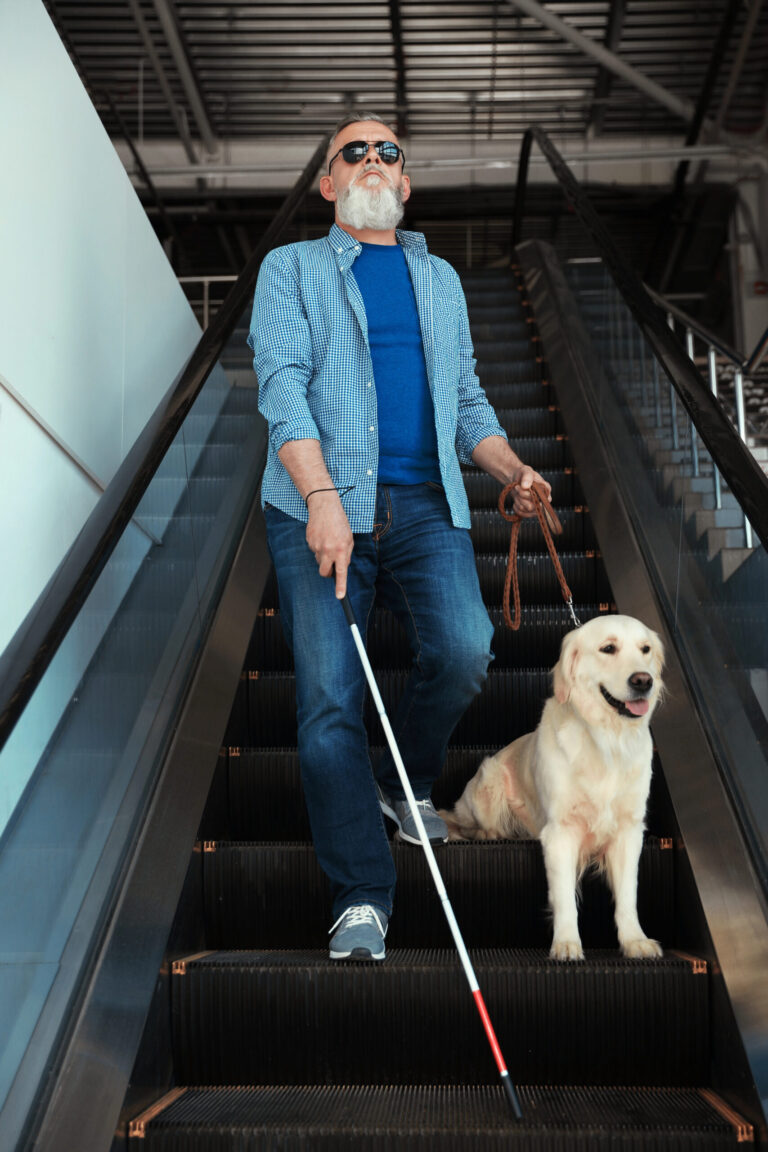
When traveling with a guide dog, like therapy dogs, guide dogs also go through TSA screening. Be sure to read this article from Airport News Now where we take a deep-dive into TSA screening regulations regarding guide dogs.
How Airports Measure Therapy Dog Effectiveness
Airports evaluate therapy dog programs through quantifiable data, staff reports, and real-time behavioral observations. Based on these indicators, airport leaders determine whether to expand coverage, adjust deployment zones, or modify program operations.
Passenger Behavior Reports
Operations teams track behavior around gate podiums, customer-service counters, and concourse intersections. As wellness animals appear in high-stress locations, staff report fewer conflicts and smoother interactions.
Satisfaction Surveys about Therapy Dogs
Many travelers comment positively on therapy dogs in feedback surveys. As these responses accumulate, they highlight increased feelings of safety, calmness, and trust in the airport’s commitment to passenger care.
Crowd-Flow Observations
Airport flow managers watch how groups move around signage, queue lines, and gate seating. As therapy dog teams support the environment, travelers cooperate more reliably and follow directional cues with less hesitation. Consequently, this improvement helps airports maintain efficient movement through restricted areas.
Staff Input
Gate agents, ambassadors, and rebooking specialists provide essential insight. As they evaluate daily interactions, they explain how comfort animals influence tone, communication, and traveler receptiveness. Consequently, their feedback often justifies expanded deployment during holiday peaks and weather disruptions.
Therapy Dog impact During Irregular Operations
When cancellations or misconnects stack together, airports depend on travelers who listen, adapt, and respond quickly. In these moments, therapy dogs help maintain that mindset. As a result, they reduce emotional surges, support orderly movement, and improve operational recovery.
Guidelines for Interacting with Airport Therapy Dogs
Airports encourage positive interactions but also emphasize safety, handler authority, and crowd-management needs. Therefore, travelers should follow predictable guidelines when approaching these teams.
Ask the Handler First
Handlers monitor the environment and track nearby movements. Therefore, travelers should request permission before interacting so the handler can ensure conditions remain safe and controlled.
Let the Therapy Dog Approach
Therapy Dogs introduce themselves calmly and only when conditions allow. As a result, this approach reduces overstimulation and maintains consistent behavior.
Keep Walkways Clear for
Airports depend on unobstructed movement. For this reason, travelers should step aside from main paths, seating rows, and emergency lanes before interacting with the therapy dog.
Do not offer food to the Therapy Dog
Food distracts animals and disrupts handler control. Bearing that in mind, travelers should secure snacks and personal items before approaching a wellness team.
Follow Handler Instructions
Handlers redirect interactions when noise rises, crowds thicken, or operational demands shift. Travelers should listen immediately because handlers manage both public safety and animal well-being.
Examples of Established Airport Therapy Dog Programs
LAX PUP Program
SFO Wag Brigade
Denver CATS Program
These programs maintain strong scheduling, detailed volunteer training, and a high level of public engagement. As such, they provide models other airports follow as they build or expand their own comfort-animal initiatives.
How Therapy Dog Teams Support Accessibility
Although these therapy dogs do not replace service dogs, they help passengers with anxiety, sensory sensitivities, and cognitive stress. In addition, airports integrate therapy animals with programs like sensory pathways, quiet rooms, hidden-disability lanyards, and staff training for travelers who need additional support. Consequently, these combined systems create a more welcoming environment for passengers who struggle with loud spaces, crowds, or sudden disruptions.
Operational Factors That Guide Deployment of Therapy Dogs
Weather Disruptions
Storms create backlogs, gate clusters, and extended delays. Under these conditions, comfort-animal teams help airports maintain order during these operational strains.
Therapy Dogs for Peak Travel Days
Holiday periods and summer travel bring higher stress levels. Airports schedule additional wellness team coverage to match increased passenger volume.
Crew Timing Problems
Crew shortages or misconnects cause rolling delays. Comfort-animal teams help stabilize affected areas so staff can deliver accurate information without managing emotional escalation.
Therapy Dogs at International Arrival Banks
Clusters of long-haul flights produce fatigue and crowd pressure. Wellness animals help travelers regulate their emotions as they enter immigration lines and baggage-claim halls.
Learn More About Therapy Dog Certification
Travelers often assume any friendly dog can join an airport comfort-animal program; however, certification demands strict testing, stable temperament, and consistent behavioral performance. Organizations such as the American Kennel Club evaluate how each dog responds to unpredictable movement, loud environments, and constant foot traffic. In addition, handlers complete structured training programs that teach situational awareness, communication methods, and safe navigation through crowded terminals. As a result, airports rely on these standards to select teams that perform reliably around strollers, wheelchairs, rolling luggage, and dense passenger flow. For travelers who want clear, detailed guidelines, this resource offers an excellent overview of the certification process.
Future of Airport Therapy Dog Programs
Airports continue to expand comfort-animal initiatives with multilingual handlers, advanced training modules, and consideration of additional species for travelers who respond better to alternatives. While dogs remain the standard, some terminals evaluate miniature horses or rabbits for specific passenger needs. Looking ahead, these programs will play a larger long-term role in terminal management as airports increase their focus on wellness and operational stability.
Final Thoughts about Therapy Dogs
Comfort-animal teams support modern airports by reducing stress, improving communication, stabilizing crowd flow, and strengthening the connection between travelers and airport staff. Their presence creates safer, calmer terminals and helps staff maintain control during delays, rebooking events, and holiday surges. Ultimately, travelers who understand how these programs work gain a clearer view of the operational planning behind them and the value they bring to the airport experience.