Urgent Update!
TSA Introduces New $45 “Non-REAL ID” Fee Option Starting February 1st, 2026

Starting February 1st, TSA will introduce a new $45 fee option for travelers who do not have a REAL ID and choose to use that paid option to help complete the identity verification process at the checkpoint. As a result, travelers without REAL ID may face extra cost and added hassle compared to passengers who show a REAL ID-compliant license or another acceptable form of identification. Additionally, this change is designed to give non-REAL ID travelers a pathway to fly, but it clearly signals that showing up unprepared will now come with a price tag. Overall, the smartest move is still the old-school one: get your REAL ID (or travel with a passport) so you don’t end up paying more just to get through security.
How REAL ID Air Travel Requirements Now Shape TSA Identification Procedures
REAL ID air travel requirements now determine how TSA verifies identification at every domestic airport. TSA enforces these standards to ensure that every traveler uses federally recognized documentation, which strengthens nationwide aviation security. When travelers arrive with a standard driver’s license, TSA redirects them into its alternative identity-verification system because that license does not meet REAL ID rules. This redirect triggers TSA’s proposed $18 verification fee, which appears in the agency’s official Federal Register filing. The fee supports the upgraded systems TSA uses to confirm identity for travelers who do not bring compliant documents. As a result, these standards encourage travelers to update their identification before reaching the airport.
These REAL ID regulations also reduce uncertainty at checkpoints by establishing clear expectations for acceptable identification. Travelers who bring compliant IDs move through screening faster because TSA does not need to complete additional verification steps. This improved efficiency benefits both the traveler and airport operations, especially during peak periods. When travelers plan ahead, they avoid the cost, delay, and inconvenience tied to TSA’s alternative verification process. Therefore, REAL ID regulations reinforce smoother security experiences and stronger airport consistency nationwide.
REAL ID Standards and TSA’s Alternative Identity-Verification System
TSA uses its alternative verification system when travelers arrive without REAL ID-compliant identification. This system includes biometric facial-matching technology, secure identity forms, and federal database checks designed to confirm identity through additional steps. These procedures take longer than standard screening because TSA officers must complete multiple verification tasks. Travelers move through this process at a slower pace and must cooperate closely with TSA during each step. The increased workload created by non-compliant identification forms part of the justification for TSA’s proposed fee.
This alternative verification method ensures that TSA maintains consistent security even when a traveler lacks compliant ID. Travelers who understand how the process works can plan accordingly and reduce stress during screenings. Furthermore, the system helps TSA prevent individuals from bypassing security simply because they carry outdated identification. Because of these safeguards, REAL ID rules remain a central component of TSA’s identity-verification strategy.
Along with Real ID, be sure to check out this article from Airport News Now about TSA Precheck and CLEAR for further benefits to help you maneuver through security with efficiency.
Wearable Personal Security

As identification rules tighten and TSA screening becomes more procedural, traveler preparedness extends beyond paperwork alone. Wearable safety devices, discreet alert tools, RFID-blocking accessories, and visibility gear help travelers stay secure and responsive while navigating checkpoints, delays, and crowded terminals created by REAL ID enforcement. For travelers looking to complement compliance with practical, airport-approved protection, this related Article from Airport News Now about Wearable Personal Security highlights safety gear designed to work within real TSA screening and boarding conditions.
Digital ID Options Supported by TSA
TSA now allows travelers to use approved Digital ID formats when passing through airport security, and this option continues to expand as Credential Authentication Technology (CAT) becomes more common. Digital ID allows a traveler to store their identification on a mobile device through a state-supported mobile driver’s license (mDL) program or other TSA-approved digital credential.
When a traveler reaches the checkpoint, the TSA officer prompts the traveler to present the Digital ID directly to the CAT unit, which scans the encrypted credential for authentication. CAT links to the Secure Flight database to verify the traveler’s identity, flight reservation, and PreCheck status in near real-time. This system strengthens identity validation and reduces the risk of physical document fraud. TSA explains that Digital ID offers a secure and efficient alternative for travelers who prefer not to handle a physical driver’s license.
Digital ID does not replace the REAL ID requirement, but it serves as an additional method for meeting REAL ID air travel standards. Travelers must ensure that their state participates in TSA’s Digital ID program, since Digital ID acceptance varies by jurisdiction. When a traveler uses Digital ID, the CAT unit analyzes the encrypted credential and verifies that it matches TSA’s Secure Flight information for that specific traveler.
Passengers still need their boarding pass for airline gate access, but they no longer need one for the TSA checkpoint itself when using Digital ID. This option benefits travelers who use mobile wallets or want to reduce the risk of misplacing their physical license. For many travelers, Digital ID creates faster checkpoint movement and adds extra convenience during busy travel periods.
Why TSA Created the $18 Fee for REAL ID Non-Compliance
TSA introduced its proposed $18 fee to support the cost of processing travelers who do not follow REAL ID air travel requirements. According to the Federal Register, TSA uses upgraded biometric kiosks, database systems, and identity-verification tools that require continuous investment. These resources are necessary only when a traveler arrives with non-compliant identification, which shifts additional workload onto TSA officers. Therefore, TSA assigns a portion of the cost to the traveler who requires this extra support. This fee helps TSA maintain its upgraded systems without diverting funds away from standard checkpoint operations.
This approach encourages travelers to update their IDs before flying, which reduces strain on the alternative verification system. TSA expects that the fee will motivate more travelers to adopt REAL ID-compliant documents. As more travelers comply, TSA can dedicate fewer resources to alternate identity checks and more to efficient screening. The fee ultimately supports long-term security improvements across the nation’s airports.
Air Travel Requirements and TSA’s 10-Day Verification Window
TSA’s proposed rule includes a 10-day access period for travelers who pay the $18 fee. During those 10 days, the traveler may use the alternative verification system as many times as necessary without paying again. This structure benefits travelers with multi-day itineraries or multiple connecting flights. However, once the 10-day window ends, TSA requires a new fee if the traveler still lacks compliant identification. This means frequent flyers who rely on outdated licenses may face repeated charges.
The 10-day structure motivates travelers to bring REAL ID-compliant identification or another approved federal document. This approach promotes consistency across all airports and reduces TSA’s processing load. Furthermore, travelers who update their documents avoid the fee entirely and move through security without delay.
Checking Identification for Compliance Before Travel
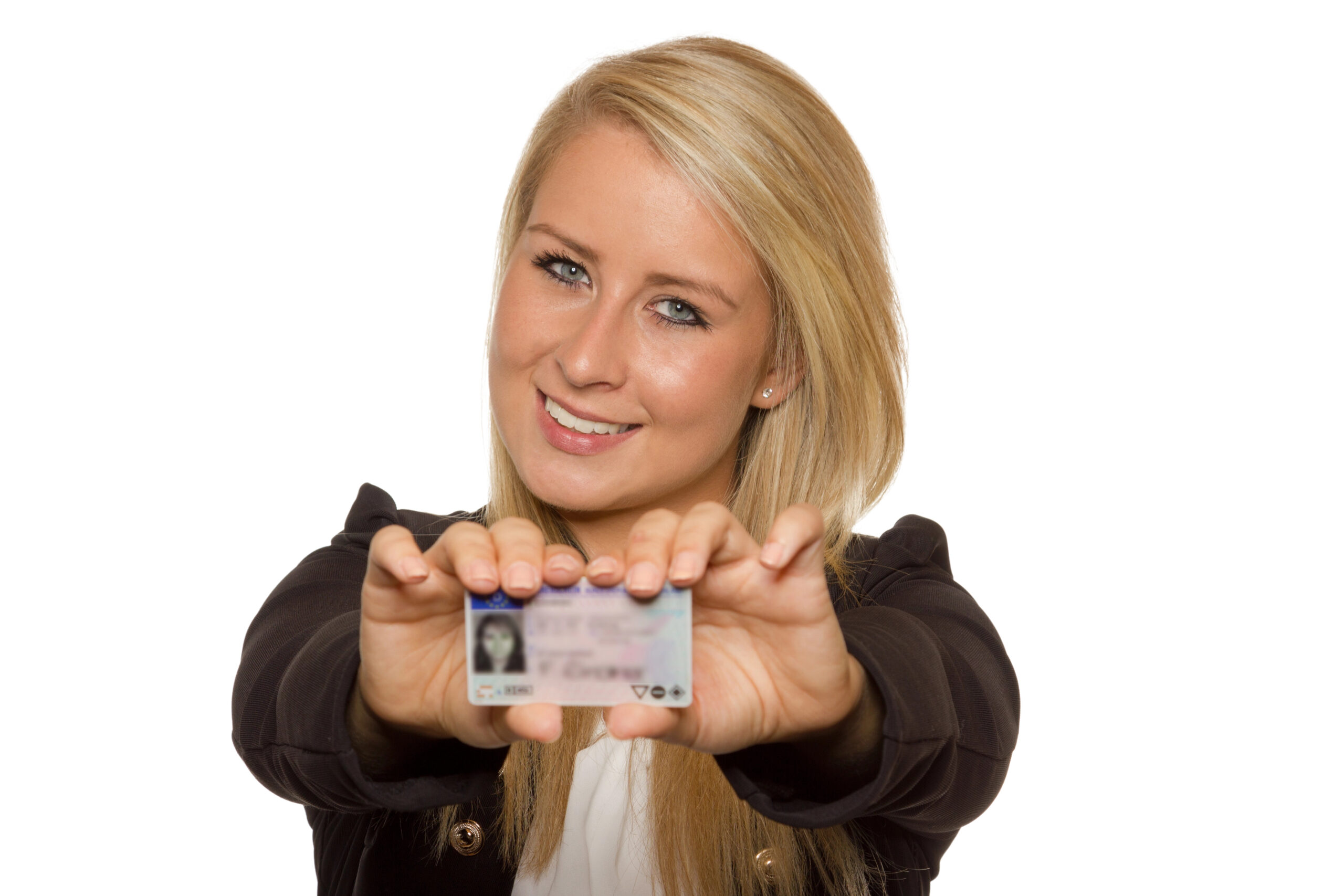
Travelers benefit from checking their identification at home before they begin their journey. A REAL ID-compliant license shows a star symbol, while older licenses lack federal compliance markings. When travelers notice they do not possess REAL ID-compliant ID, they have time to update their license or choose another federally approved document. This simple step prevents last-minute delays at checkpoints and eliminates the need for TSA’s alternative identity-verification process. Preparing ahead ensures a more efficient, stress-free experience at the airport.
Furthermore, checking identification early reduces the risk of encountering TSA’s proposed $18 verification fee. Travelers who review their IDs before leaving home know exactly what to expect at screening. This preparation improves the flow of passengers and reduces pressure on TSA personnel. Therefore, early identification checks help both travelers and airport operations.
Using Passports or DHS-Approved IDs When REAL ID Isn’t Available
Travelers who do not have REAL ID-compliant licenses can still meet REAL ID airport requirements by using federally approved identification. Acceptable documents include passports, passport cards, Global Entry cards, NEXUS cards, SENTRI cards, permanent resident cards, and U.S. military IDs. These documents qualify travelers for standard TSA screening and bypass the need for alternate verification. This flexibility allows travelers to avoid unnecessary fees and extensive identity checks.
Furthermore, these federal IDs remain useful for other purposes, including international travel and certain federal building access. Travelers who already own one of these documents avoid the need for a license upgrade entirely. Using these options ensures smooth screening, predictable timing, and compliance with REAL ID regulations.
Comparing REAL ID Options and Choosing the Best Identification Strategy
Travelers benefit from understanding every identification option that satisfies REAL ID air travel requirements. Although the REAL ID driver’s license remains the most common upgrade, passports and DHS-approved IDs offer additional advantages. Some travelers choose passports because they serve both domestic and international needs, while others prefer programs like Global Entry for fast reentry into the United States. Evaluating these options helps travelers avoid TSA’s alternative verification process and the $18 fee. A well-planned identification strategy provides smoother screening and greater flexibility.
When travelers compare these ID choices, they should consider expiration dates, application costs, convenience, and travel frequency. A passport or Trusted Traveler card may cost more upfront, but the long-term benefits often outweigh the investment. Meanwhile, a REAL ID driver’s license works well for travelers who rarely travel internationally and want a cost-effective option. Each document offers unique strengths that serve different travel styles. The table below helps travelers compare their choices clearly.
Final Thoughts on REAL ID Regulations and TSA’s Proposed Fee
REAL ID air travel requirements now influence how TSA screens identity at every airport in the country. Travelers who carry REAL ID-compliant identification or federally approved documents avoid delays, additional steps, and the proposed $18 fee. Those who continue using outdated licenses must undergo alternate verification, which slows the process and increases costs. TSA’s Federal Register proposal shows a long-term commitment to consistent, secure identity-verification practices nationwide.
When travelers update their identification early, they protect their travel schedule and create a stress-free screening experience. REAL ID remains the simplest and most reliable path for efficient movement through TSA checkpoints. Travelers who follow REAL ID regulations gain predictability, smoother travel days, and faster airport experiences.