Southwest Airlines will introduce assigned seating in early 2026. This change will replace the open seating system used for more than fifty years. Previously, passengers chose any available seat after boarding. Consequently, the process created a fast but unpredictable experience for many travelers.
Now, passengers will receive a specific seat before boarding the aircraft. Accordingly, this approach aligns Southwest with most major airlines. The change will affect booking, boarding, and airport procedures. Therefore, travelers should understand the new system before flying.
Start Date for Southwest Airlines Assigned Seating Implementation
Southwest Airlines will implement Southwest Airlines assigned seating on January 27, 2026. Flights departing on or after that date will use assigned seats. Meanwhile, all flights before that date will continue using open seating. Thus, this clear cutoff separates the old system from the new one.
The transition date protects travelers with existing reservations. In addition, it prevents confusion during the rollout period. Beginning on January 27, every Southwest flight will follow the new rules. Ultimately, the date marks the official end of the airline’s historic boarding process. For more information on Southwest’s roll-out of their new boarding and seating policy, please check out Assigned Seating | Southwest Airlines.
How Southwest Airlines Assigned Seating Works During Booking and Boarding
Passengers will select seats during booking under Southwest Airlines assigned seating. As a result, travelers will no longer compete for boarding position during check-in. Lower fares may receive automatic assignments later. Alternatively, some tickets may require payment for preferred locations.
At the airport, Southwest will use Groups 1 through 8 for boarding. Specifically, fare type, seat location, and loyalty status will determine order. Because seats are already assigned, most passengers will board without rushing. Hence, the new process should create a more orderly experience.
CBS Mornings Report: Southwest Airlines Introduces Assigned Seating and Cabin Changes
The following video from the CBS Mornings YouTube channel reports that Southwest Airlines is introducing assigned seating for the first time, marking a major departure from its long-standing open seating tradition. It explains that passengers will select seats in advance and board in structured groups rather than racing onboard to claim preferred spots. The segment also notes that aircraft cabins are being reconfigured to include preferred and extra-legroom sections, signaling new pricing options and revenue strategies. Overall, CBS Mornings presents the change as a significant modernization effort that could improve predictability for travelers while ending one of the airline’s most recognizable practices.
Gate Experience With Southwest Airlines Assigned Seating
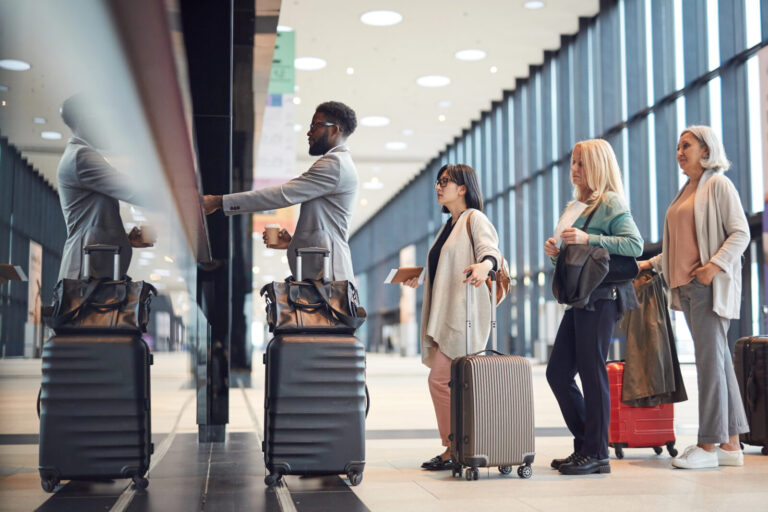
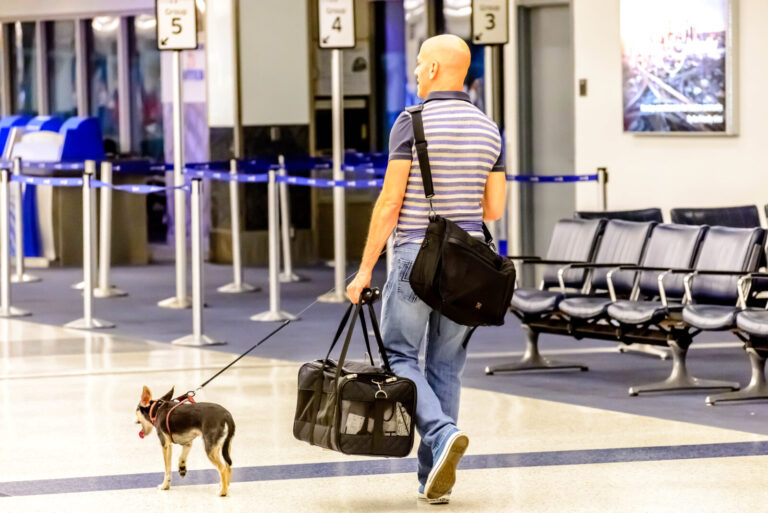
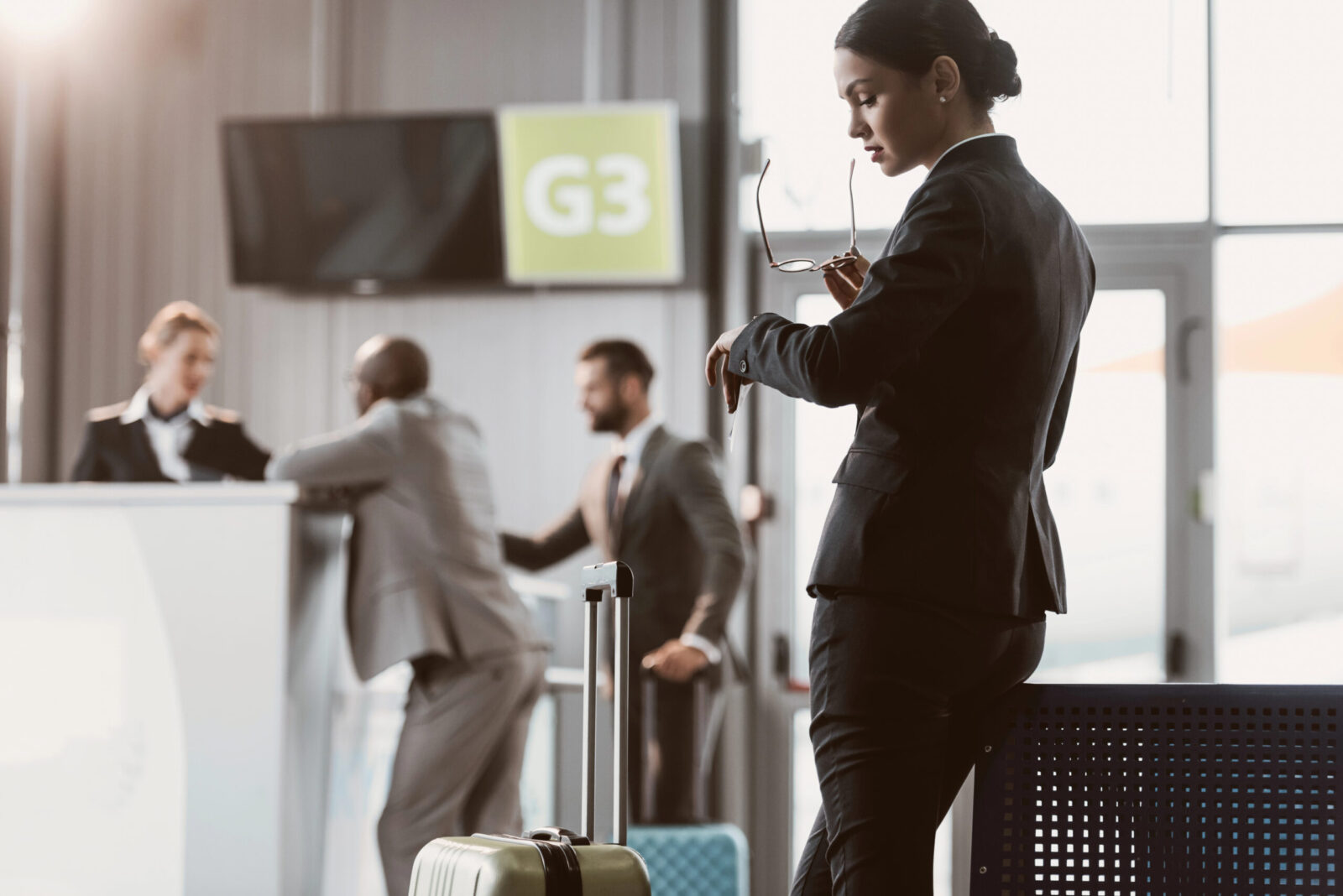
Gate areas will look different under Southwest Airlines assigned seating. For example, airports will remove numbered queue markers and stanchions. Passengers will no longer need to line up early to secure seats. Consequently, this change will reduce crowding near boarding lanes.
Travelers can remain seated until their group is called. Simultaneously, boarding areas should feel less chaotic than before. Airport staff can manage groups more efficiently. Overall, the gate experience should become calmer and more organized.
Keeping Track of Your Bags Under the New Boarding System
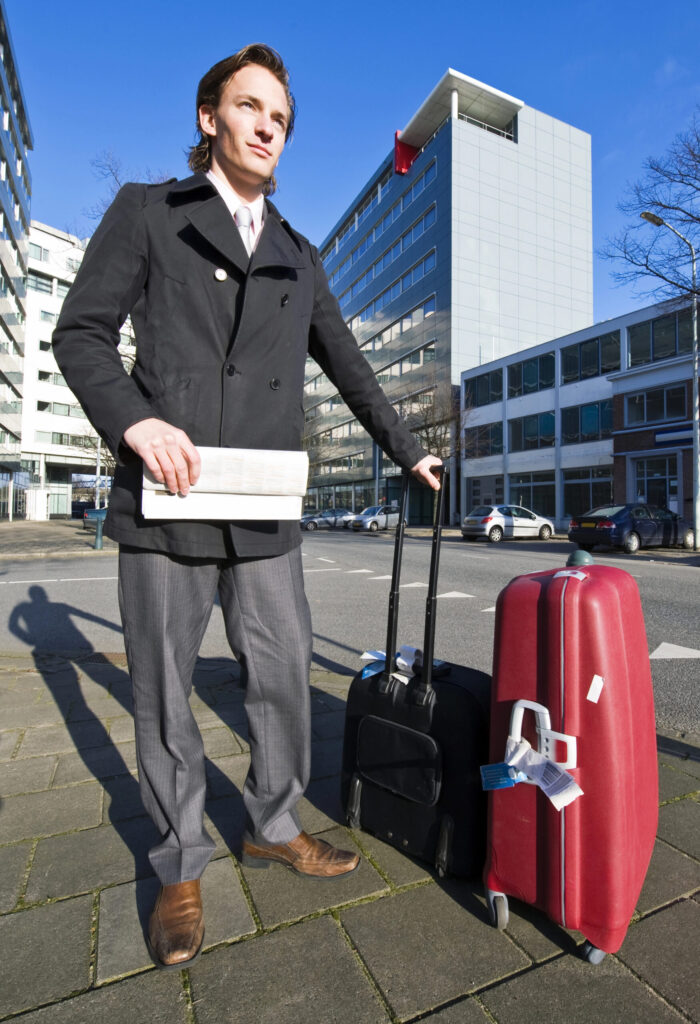
As Southwest Airlines assigned seating changes how passengers board and settle into the cabin, travelers may pay less attention to their luggage until arrival. However, predictable seating does not eliminate the risk of bags being misplaced, delayed, or taken accidentally at crowded claim areas. For that reason, adding reliable identification and tracking tools becomes even more important as travel patterns evolve. Please see the Airport News Now article, “Modern Luggage Identification – The Best Tags and Trackers” for practical solutions that help you quickly locate and confirm your suitcase after landing. Combining assigned seating certainty with strong luggage identification ensures your trip stays organized from gate departure to baggage pickup.
Why Southwest Airlines Introduced Assigned Seating, Family Benefits, and Loyalty Perks
Southwest Airlines introduced Southwest Airlines assigned seating to meet changing customer expectations. Increasingly, travelers prefer knowing their seat in advance. Families often struggled to sit together under the old system. Accordingly, the new approach removes much of that uncertainty.
Parents can now reserve seats next to each other during booking. Likewise, frequent flyers will continue receiving priority benefits. Elite members can access better seats and earlier boarding groups. Together, these perks help reward customer loyalty.
Accessibility, Preboarding, and Revenue Impact of Southwest Airlines Assigned Seating
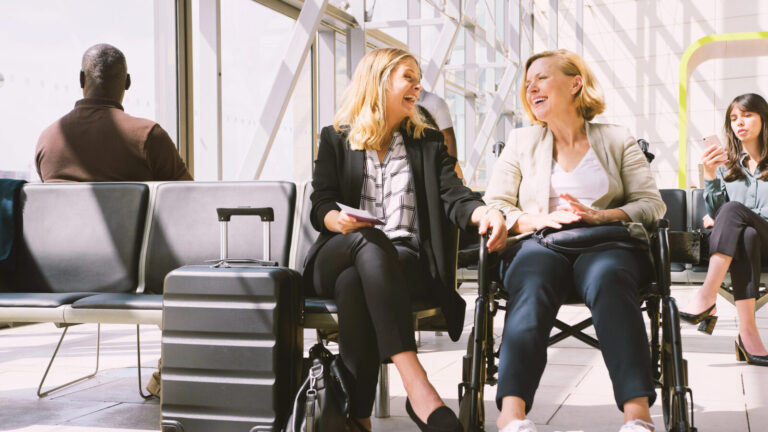
Southwest Airlines will continue preboarding for passengers who need assistance. Importantly, travelers with disabilities can still board ahead of general groups. Federal accessibility requirements will remain in place. Therefore, the airline will maintain protections for vulnerable passengers.
Assigned seating also creates new revenue opportunities. For instance, Southwest can sell preferred seats and extra-legroom rows. Base fares can remain competitive as a result. Consequently, travelers can choose comfort options based on budget.
End of the Open Seating Era and What Southwest Airlines Seating Means for Travelers
Open seating defined Southwest Airlines since 1971. Historically, many passengers viewed the system as simple and fair. Anyone could choose a seat based on boarding order. However, crowded flights eventually made the process stressful.
Assigned seating replaces that uncertainty with structure. Instead, travelers will select seats during booking rather than onboard. Flying Southwest will feel more like flying other airlines. Therefore, passengers should plan ahead to get preferred seats.
Final Notes on Southwest’s Assigned Seating
Southwest Airlines assigned seating represents a major transformation for the airline. Essentially, the change removes uncertainty during boarding. It introduces a fare structure tied to seat selection. Travelers will have more control over their experience.
Those who plan ahead will benefit the most from the new system. Admittedly, some longtime customers may miss the old process. However, the airline aims to improve consistency and efficiency. Ultimately, the shift supports long-term stability for Southwest.