A sudden and largely unannounced shutdown of the pet microchip company SaveThisLife has created a serious identification emergency for pet owners. This danger is especially high for people traveling through airports. Reports indicate the company ceased operations and shut down its registry database. As a result, many microchips no longer link to owner contact information.
Consumer protection listings, including the Better Business Bureau profile, document the company’s status (Save This Life | BBB Business Profile | Better Business Bureau). Officials have not released an exact number of affected clients. Nevertheless, credible reporting warns the closure may impact thousands — and possibly millions — of pets nationwide because the firm distributed chips on a large scale. Veterinary clinics, shelters, breeders, and pet retailers supplied these devices to owners across the country.
SaveThisLife operated as a Texas-based business that entered the pet identification market in late 2011. The company formally incorporated in early 2012 Over time, it grew into a widely used provider of permanent animal identification services in the United States. By January 2025, the company had effectively ceased operations. Subsequently, veterinary authorities confirmed that national lookup systems could no longer access its registry data. Public warnings to pet owners followed soon afterward. Please see AAHA -Microchip company closes unexpectedly: What it means for pet owners, veterinary practices for further information.
How the SaveThisLife Missing Pet Registry affects Airport Travel
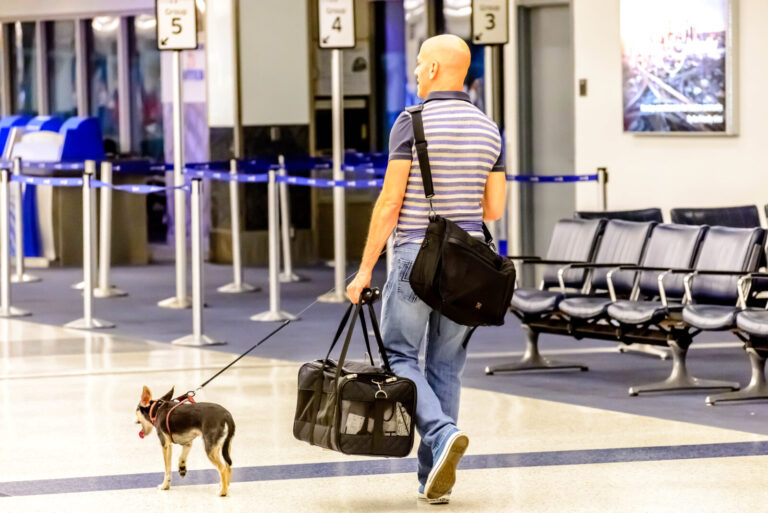
Airport travel amplifies the risk dramatically. In particular, these environments rank among the most stressful places an animal can experience. Security officers may remove pets from carriers during screening. Airline staff may transfer them between aircraft during connections. Cargo personnel may handle them on noisy ramps filled with motion and unfamiliar smells. Owners whose animals relied on the SaveThisLife registry may still believe their microchip provides reliable identification. In reality, the supporting database may no longer exist.
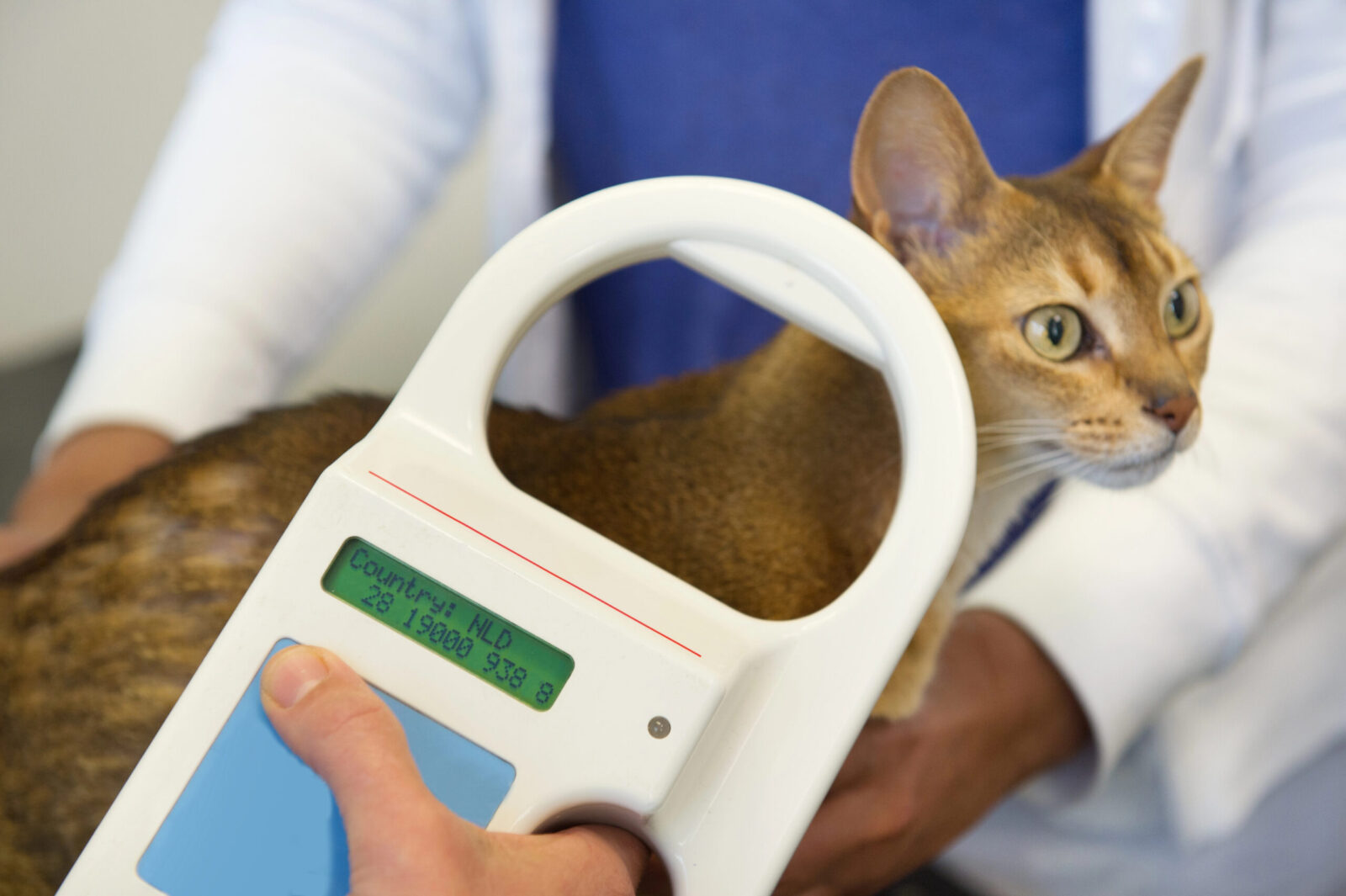
If a frightened pet escapes or becomes separated during handling, responders will scan the microchip. Consequently, the scan may produce only an identification number without usable contact information. Even a quickly recovered animal could remain unidentified. This delay can prevent reunification while flights depart and travel plans collapse. Airports function as complex systems where animals pass through multiple handlers in a short period of time. Therefore, reliable identification is critical. Owners who believed their pets had permanent protection may now travel with animals that no one can trace if separation occurs.
Urgent Video Report: What Owners Are Facing Right Now
The video report below from Local 12 WKRC highlights growing alarm among pet owners. Many discovered their animals’ microchips no longer provide usable identification after the SaveThisLife shutdown. Veterinarians explain that scanners still detect the chip number. However, no accessible registry appears to store the owner’s information. This creates a dangerous false sense of security because many owners assume microchipping alone guarantees recovery. Experts warn authorities may treat a lost pet as an unidentified stray if no registry record exists. Accordingly, the report urges immediate verification and re-registration before any major trip.
Verify, Re-Register, and Prepare Before Traveling
Authorities and recovery organizations warn that pets previously registered with the defunct provider may now have no active identification record. A scanned chip could fail to connect to the owner entirely. Veterinary experts, including the American Animal Hospital Association, recommend that owners scan their pets immediately. A veterinarian, shelter, or animal control agency can perform this check. The goal is to obtain the chip number and confirm whether any functioning registry still exists.
Backup Identification Methods Every Traveling Pet Owner Should Know

When a registry failure leaves a microchip effectively disconnected from owner data, travelers must rely on alternative identification systems that do not depend on a single database. Please see the Airport News Now article, “Layered Identification Tools Best Alternatives to the Defunct SaveThisLife Registry“, which explains how GPS trackers, Bluetooth tags, secondary registries, and physical ID methods can restore a safety net for pets in transit. These tools provide redundancy, ensuring that if one technology fails, another can still help responders identify and return a lost animal. For airport environments where separation can happen quickly, combining multiple independent identification methods dramatically improves the chances of rapid reunification.
If no active database appears, owners can usually re-register the existing chip. A legitimate universal provider can restore identification capability without implanting a second device. Services such as Petkey allow owners to store updated contact information. Additionally, these services can alert nearby clinics and rescue organizations if a pet goes missing. This greatly improves recovery chances. Officials stress that owners should treat re-registration as an urgent priority before traveling. Otherwise, a lost pet without a valid registry could disappear into the system with no reliable path home.
Layered Tracking Strategies That Actually Work When Pets Go Missing
Travelers should also carry printed proof of identification. Vaccination records should remain readily available. Recent photos of the pet provide valuable backup identification. Secure carriers should display owner contact information both inside and outside. External tags alone may not remain attached. Furthermore, backup tools such as engraved tags or GPS trackers add another layer of protection. Arriving early at the airport allows time to resolve unexpected issues during check-in or screening. Ultimately, multiple identification methods dramatically increase the chance of a safe reunion if separation occurs.
Final Takeaway for Airport Travelers About SaveThisLife
The SaveThisLife shutdown exposes a critical weakness in modern pet travel systems. Identification depends on infrastructure that can fail without warning. Airports move quickly, and small problems can escalate within minutes. A microchip alone cannot protect a pet unless a stable registry supports it. Moreover, backup identification methods should always be used. Travelers should verify their pet’s registry status before every trip. In conclusion, proactive preparation now can prevent a frightening situation from becoming a permanent loss.