Why Pet Passports Matter Before International Flights
Pet Passports matter because every country enforces strict entry rules for dogs and cats, and these rules protect public health and keep borders secure. When travelers understand these requirements early, they avoid denied entry, long delays, or last-minute veterinary costs. Airlines and border officials depend on complete documentation that proves a pet’s vaccine history, microchip identity, and overall health. Any missing detail can stop a trip immediately, and many officials will send pets back at the owner’s expense. Because of these stakes, Pet Passports must stay accurate, organized, and fully up to date. When you treat your pet’s documents with the same care as your own passport, you give your animal a smooth, predictable journey from takeoff to arrival.
What Pet Passports Include and Why They Matter
Pet Passports bring together everything a country reviews before approving a pet’s entry. These records confirm the microchip number, show vaccine dates, and document parasite treatments. Customs officers always start by scanning the microchip and matching the number to each page in your folder, so consistency matters. After that, they confirm signatures, treatment windows, and any required endorsements from official agencies. When every detail aligns, pets clear customs quickly and continue their trip without stress. Because Pet Passports guide every stage of international travel, organized records become your most important travel tool.
How Pet Passports Work in Different Regions
Pet Passports look different depending on where you begin your journey. In the European Union, veterinarians issue a blue booklet that tracks vaccines, microchip details, and ongoing treatments. This booklet remains valid as long as the pet stays current on required vaccines. In the United States, Pet Passports take the form of a structured document folder because no booklet system exists here. Travelers must gather each record, create a clean packet, and include official endorsements when necessary. Since requirements vary by region, the safest approach involves checking government sources before planning your trip.
Core Pet Passport Requirements You Must Complete
Pet Passports always begin with a microchip because identity verification drives the entire process. After microchipping, veterinarians administer a rabies vaccine that links directly to that chip number. Many countries add a rabies titer test to confirm immunity levels and ensure the vaccine succeeded. Several destinations also require parasite treatments—such as tapeworm or tick prevention—within a specific time window before arrival. Every requirement follows a strict order and missing one step forces travelers to restart the process. When you complete these tasks early, Pet Passports remain accurate and ready for inspection. For more information, check out WSAVA Microchip Standards.
How U.S. Travelers Assemble Pet Passports for International Trips
Pet Passports in the United States begin with a USDA-accredited veterinarian who examines the pet and completes the Certificate of Veterinary Inspection (CVI). After the appointment, travelers must submit the CVI to a USDA APHIS office for endorsement because many countries accept only stamped certificates. Processing times vary, so travelers need to start this step long before their departure date. Vaccines, titer tests, and parasite treatments also follow timed windows that require careful planning. When you complete these tasks early, you avoid expired certificates and stressful last-minute appointments. A proactive approach keeps your Pet Passport valid and ready for customs. Read more at the USDA Pet Travel Portal.
How Pet Travel Gear Supports Pet Passport Compliance
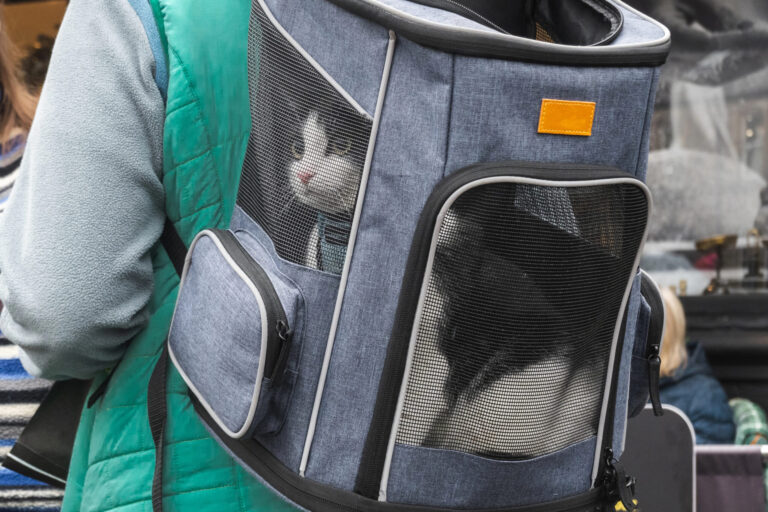
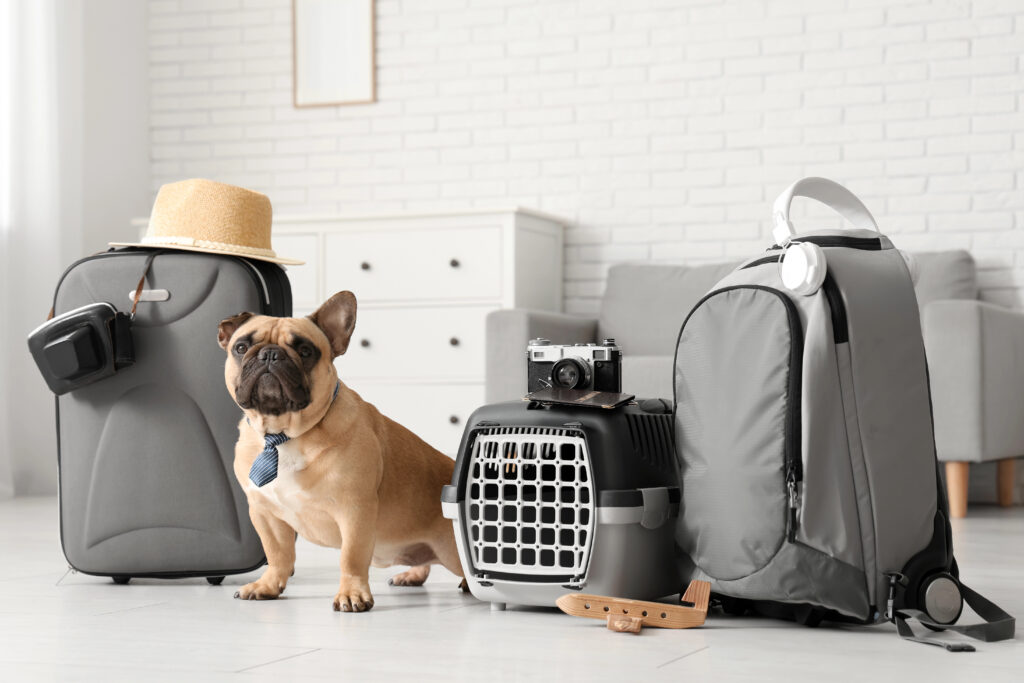
Because Pet Passports depend on complete, accurate documentation, travelers benefit from using structured pet travel gear that keeps certificates, endorsements, and health records protected and immediately accessible at airports. When documents, feeding supplies, and emergency items stay organized in dedicated travel systems, inspections move faster and stress stays lower for both pets and owners. As a result, pairing a properly prepared Pet Passport with well-designed pet travel gear supports smoother check-in, predictable border clearance, and consistent care throughout international travel. Please see the Airport News Now Article on Pet Travel Gear where we offer suggestions for effective pet travel gear
Pet Passport Costs You Should Expect
Pet Passports create expenses you should prepare for before booking your flight. Microchips, vaccines, and titer tests often represent the largest portion of the cost. Health certificates and USDA endorsements add additional charges, and travelers sometimes need express shipping to meet deadlines. Some destinations require multiple exams or extended testing, which increases overall expenses. When travelers understand these costs early, they avoid surprise charges at the last minute. A clear budget helps you prepare your pet responsibly and confidently. Please see the Airport News Now Article on Microchip Safety for Your Pet for further information on microchipping your pet.
Pet Passport Cost Guide
| Item | Estimated Cost (USD) |
| ISO Microchip | $50–$75 |
| Vaccinations | $20–$60 |
| Rabies Titer Test | $100–$400 |
| Health Certificate | $150–$400 |
| USDA Endorsement | $30–$300 |
| Express Shipping | $50–$100 |
How to Keep Pet Passports Updated
Pet Passports require ongoing maintenance because health regulations change often. Keep vaccine records current and ensure your veterinarian updates the documentation immediately after each appointment. Before every international trip, check destination rules because even small policy updates can change your timeline. Airline procedures also shift, especially during seasonal weather or aircraft changes. When you review requirements before each flight, your Pet Passport stays compliant and ready for inspection. A clean binder or waterproof folder protects your documents during travel and keeps everything easy to access.
Why Double-Checking Pet Passport Requirements Protects Your Trip
Pet Passports help travelers avoid many problems, but only when used correctly. Countries constantly update pet import laws due to disease outbreaks or regional health risks. Airlines adjust rules based on aircraft type, cargo temperature limits, and seasonal concerns. Travelers who double-check requirements avoid quarantine fees, denied entry, or unexpected rebooking costs. Official sources, government agencies, airlines, and veterinary authorities—always provide the most accurate information. When you confirm rules twice, you remove guesswork and protect your itinerary.
Final Thoughts on Pet Passports
Pet Passports give your dog or cat the documentation they need to clear international borders smoothly. When you prepare these records early, follow each requirement carefully, and stay organized, you eliminate most travel complications. Strong preparation protects you from denied entry, extra fees, and stressful airport surprises. Each part of the Pet Passport—microchip, vaccines, tests, endorsements—works together to support safe travel. With consistent planning, your pet flies confidently and legally. That peace of mind becomes the strongest travel advantage you can give your pet.