Pet Microchip Safety to Know Before You Travel
Travelers who prepare their pet for pet microchip safety before arriving at the airport give themselves the best chance of avoiding panic during emergencies. Airports create a stressful environment for animals because noise, crowds, and unfamiliar movements overwhelm even the calmest pets.
As soon as an animal escapes at the terminal, the situation becomes chaotic and forces travelers to rely on quick decisions rather than luck. Because of this, pet microchip safety has become the foundation for reunions and prevents simple mistakes from turning into permanent losses.
When travelers combine microchipping with proper registration and updated contact information, they create a reliable system that works across airline teams, airport police, and animal-control responders. As you prepare to fly, understanding pet microchip safety gives you control during moments when panic usually takes over.
No Safe Places for a Lost Pet – Why Pet Microchip Safety Matters
Airports leave no safe hiding spots for a frightened animal, and pet microchip safety becomes essential the moment your pet breaks free. Loudspeaker announcements, rolling luggage, jet noise, and rushing passengers push animals to run without direction. When a pet escapes near security, travelers cannot chase them without creating a larger security issue that leads to immediate detainment. Because of this, microchipping builds a bridge between your pet and every airport responder trained to scan and identify lost animals.
Once a rescuer scans the chip and finds your information, the search shifts from panic to coordinated recovery. As a result, proper microchip preparation keeps the situation manageable and dramatically increases the chance of a safe reunion.
Understanding What a Microchip for Your Pet Really Does
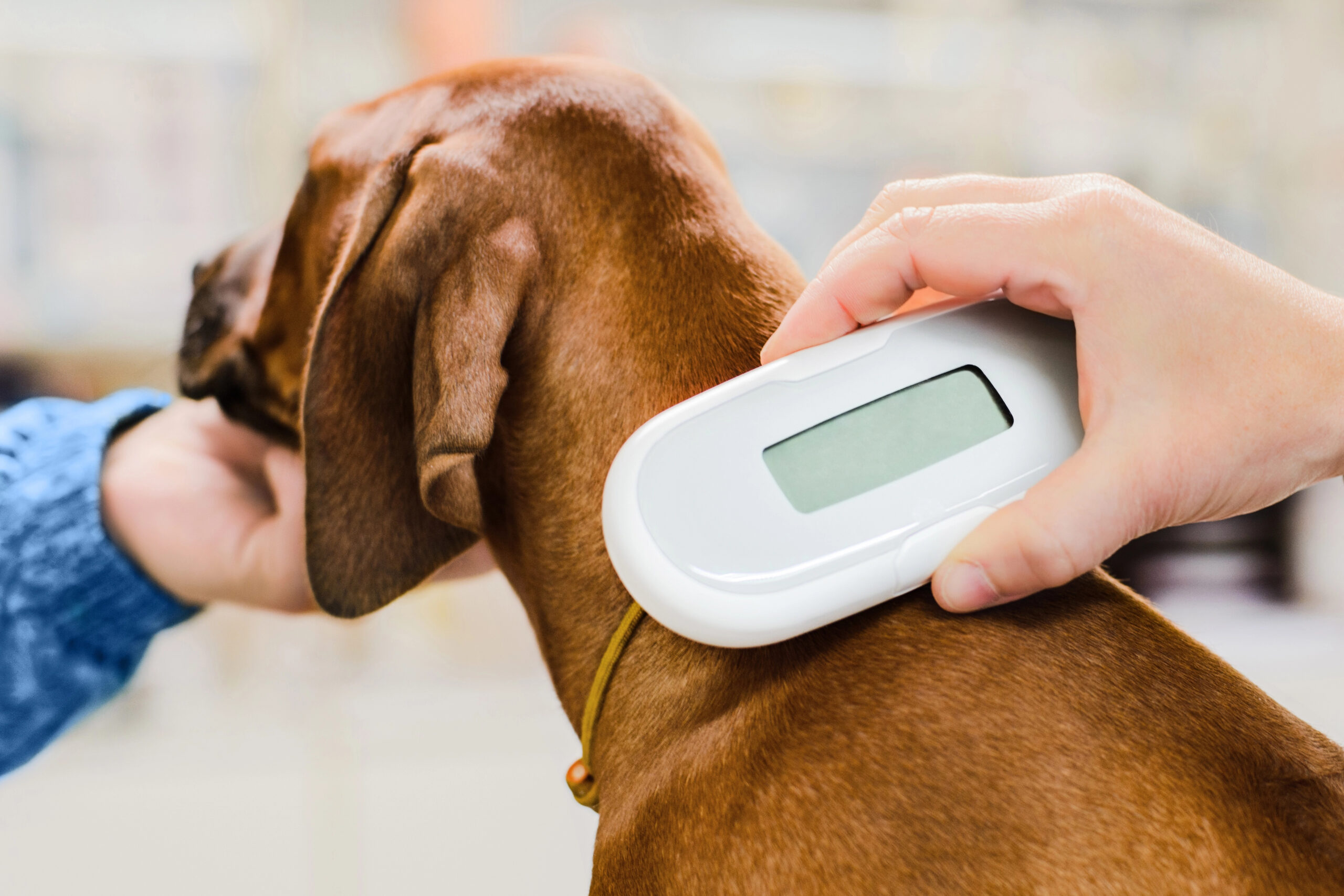
Pet microchip safety begins with understanding what the device provides during emergencies at the airport. A microchip does not track your pet’s location, and travelers should view it as an identification tool rather than a navigation system. The implant stores a unique ID number that responders scan and match to a registry filled with your contact details. Thus, travelers must update their information regularly and confirm registration before every trip. You can check your pet’s microchip registry status by using the AAHA Universal Microchip Lookup Tool, which connects to major U.S. databases. When travelers understand these functions clearly, they avoid unrealistic expectations and focus on correct preparation.
TSA Security Essential Tech
This Airport News Now article, Essential Tech for Airport Security – Pet Microchipping, spotlights pet microchipping products and tracking solutions that support air travel compliance and recovery, including ISO-compliant microchip systems, registration services, and supplemental GPS tracking collars. Additionally, the article goes on to explain how these products integrate with airport and animal control recovery workflows, making them practical tools rather than optional extras. As a result, readers can evaluate specific, travel-ready identification products that strengthen compliance, improve recovery speed, and work seamlessly alongside airline pet requirements.
Proper Microchipping – Steps to Strengthen Pet Microchip Safety
Travelers who follow specific steps improve pet microchip safety long before stepping into the terminal. First, choose an ISO-compliant microchip that meets the 11784/11785 international standard accepted at airports across the world. Next, register the chip immediately because unregistered chips cannot assist airport responders during a lost-pet incident. Afterward, keep your contact information updated and confirm everything before packing your luggage. You should also ask your veterinarian to scan the chip a few days before departure to verify it still functions correctly. Finally, treat this step as part of your pre-flight checklist, because no amount of preparation compares to the value of confirmation.
Why Pet Microchip Safety Requires Both a Collar and a Chip
A strong pet microchip safety plan includes both a visible collar tag and a properly registered microchip. Collars allow airport passengers, gate agents, or airline staff to contact you instantly when they spot your pet inside the terminal. However, collars frequently slip off during TSA screening or stressful moments near the concourse. When that happens, the microchip becomes your backup system and allows responders to continue the search without delay. Because of this, travelers benefit from combining immediate identification with long-term traceability. The two layers work together and cover nearly every scenario a lost pet might encounter.
What to Do Immediately When Your Pet Escapes at the Airport
Travelers must act quickly and use a pet microchip safety plan the moment their animal escapes at the terminal. First, notify airport police or security and provide your pet’s name, breed, color, and microchip number. Next, alert your airline’s ground crew so they can notify baggage teams and gate agents near aircraft movement areas. Afterward, visit the airport’s Lost and Found desk and provide recent photos along with your microchip information. Because time matters, you need to post updates on social media and tag the airport’s official accounts, which many operations teams monitor actively. Finally, contact local animal control, which often removes unidentified animals if they appear stray or unclaimed.
Handling TSA Checkpoint Escapes
When a pet escapes at TSA screening, travelers must resist the instinct to chase them through the checkpoint. Running into secure space creates a security breach and delays recovery because TSA must stop you before they pursue the animal. Instead, notify the nearest officer and share your pet’s microchip number, description, and last known direction. You should then use the TSA Lost and Found Search Tool to submit your information using the airport code and checkpoint location. TSA field offices treat lost animals with the same urgency as other lost items and coordinate with airport responders immediately. When travelers follow this process, they help responders track the animal efficiently and avoid additional delays.
Final Thoughts on Pet Microchip Safety
Pet microchips give travelers a dependable strategy during one of the most stressful airport emergencies imaginable. When a pet escapes, panic takes over quickly, but a registered and functioning microchip creates a direct path to recovery. Travelers who prepare early with proper scanning, registration, and updated information give responders the tools they need to reunite families fast. Because of this, microchipping becomes one of the most responsible steps anyone can take before flying with a dog or cat. With strong preparation and smart planning, travelers protect their pets and maintain control during unpredictable airport situations.