Introduction: Why Packing Smartly Matters in Airport Security
When travelers hand over their checked bags at the ticket counter, few realize how complex the TSA baggage screening process truly is. Behind the scenes, every piece of luggage moves through multiple layers of inspection before it enters the baggage handling system for sortation and aircraft loading. Because of this complexity, packing smartly directly influences how long TSA screening holds a bag.
In practice, effective luggage packing reduces clutter and organizes items in ways screening equipment can interpret more easily. Disorganized luggage triggers screening alarms, forces manual inspections, and slows baggage movement through the system. As a result, organized luggage keeps bags moving efficiently and reduces delays that affect the entire screening operation.
This section explains how packing smartly shortens inspection times and helps checked baggage move smoothly through TSA’s Checked Baggage Inspection System (CBIS), On Screen Resolution (OSR) and the Checked Baggage Resolution Area (CBRA).
Understanding the CBIS/CBRA Screening Process
The CBIS/CBRA process includes three levels of security screening designed to detect explosives, restricted items, and suspicious contents before bags reach the aircraft. Therefore, understanding each level gives travelers insight into how their packing habits can influence processing speed.
Please be sure to check out my article Inside the TSA Checked Baggage Screening Process: EDS, OSR, and CBRA Explained, where we take a deeper dive into how the TSA Checked Baggage Screening Process happens.
Level 1 – EDS Screening
The first level of TSA checked baggage screening relies on Explosive Detection System (EDS) machines that scan luggage using imaging technology to identify explosives or other flagged items. To do this, the system evaluates density, shape, and material composition within each bag. Because each EDS unit can screen up to 700 bags per hour, consistent and readable images play a direct role in maintaining screening flow.
However, suitcases packed with overlapping electronics, bundled cords, or irregularly placed items reduce image clarity and increase alarm rates. When an alarm occurs, the system diverts the bag for additional inspection, which immediately slows overall throughput. When you Pack your luggage effectively, it improves image readability, allows the EDS system to interpret contents more efficiently, and reduces the amount of time baggage remains under TSA screening.
Level 2 – On-Screen Resolution (OSR)
When the EDS system during level 1 screening cannot clear a bag, the process moves to Level 2 for On-Screen Resolution. At this stage, a Transportation Security Officer reviews the digital images produced during level 1 screening to determine whether the alarm reflects a legitimate concern. Because this review depends on rapid visual interpretation, image clarity becomes critical.
In contrast, disorganized contents create overlapping shapes and dense clusters that slow decision-making and increase uncertainty. As a result, unresolved images push the bag forward to the next screening level. For this reason, packing smartly improves image readability, supports faster resolution, and reduces the chance that screening escalates beyond Level 2.
Level 3 – Physical Inspection (CBRA)
If the bag remains suspicious after OSR review, the process moves to Level 3 for physical inspection within the Checked Baggage Resolution Area (CBRA). At this point, TSA officers open the bag and inspect the contents directly. Although this step ensures security compliance, it also increases handling and raises the risk of delays or missed connections.
For this reason, packing smartly and keeping items organized helps luggage clear Levels 1 and 2 more efficiently. As a result, bags avoid unnecessary escalation to manual inspection, saving time and reducing disruption to the overall baggage screening process.
Packing Smartly – Wearing your Carry-on Items

Please see the Airport News Now Article Travel Vests for Carry-On – How to Carry-on more Carry-on where we discuss how you can avoid congested overhead storage, and stowage by your feet by wearing your carry-on items.
Packing Smartly Starts with Your Airport Transfer
Smart travelers plan ground transportation early. For that reason, the Travelpayouts Airport Shuttle & Transfer Search Widget allows you to secure a ride before packing even begins. The tool displays current pricing and pickup options for shuttles, private transfers, and shared rides, which helps you understand space limits and vehicle types in advance.
As a result, you can pack in a way that fits the transportation you choose and avoid last-minute adjustments at pickup. In addition, early planning reduces confusion, minimizes delays, and keeps ground transfers predictable. Use the widget below to compare transfer options and align your packing strategy with the most efficient ride for your trip.
How Packing Affects TSA Baggage Screening
When you pack, think about how an EDS machine interprets the contents of your bag. For this reason, as stated previously, a clear layout allows the system to process images more efficiently. In contrast, tangled wires, stacked chargers, or liquids placed over electronics increase density overlap and raise the likelihood of additional screening. Because EDS imaging algorithms evaluate shapes and densities, cluttered or mixed items often generate alarms.
For example, a curling iron buried beneath toiletries can trigger a flag. When that happens, the system pauses the bag for On-Screen Resolution review and, if the officer cannot clear it, routes the bag to the Checked Baggage Resolution Area for manual inspection. As a result, processing time can increase by minutes or even hours, especially during peak travel periods. For this reason, organized packing directly affects whether your bag travels on your flight or arrives later.
Compression Luggage
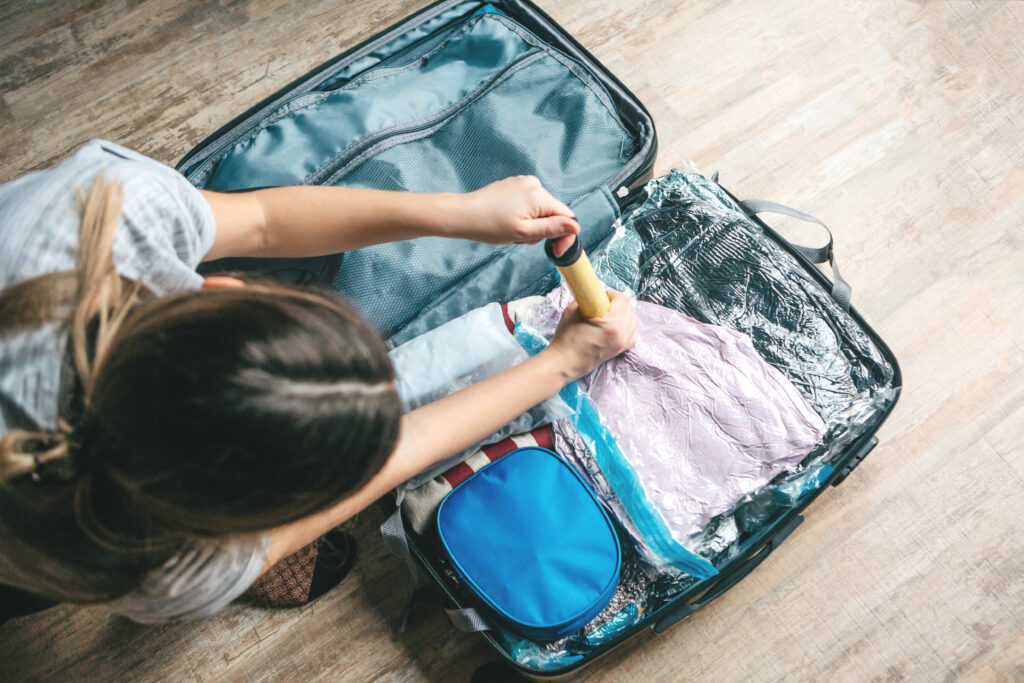
Packing Smartly isn’t just about organizing well. Compression Luggage with built in compression, as well as compression bags for your existing luggage is an absolutely essential must-have. In this Article from Airport News Now, about packing more effectively with compression luggage, we take a deep dive into compression luggage, its benefits, as well as other items such as compression vacuum bags.
Packing Strategies to Streamline TSA Screening
There’s no way to bypass TSA security screening entirely, but strategic packing reduces unnecessary hold-ups. A few extra minutes of preparation at home can save you significant delays at the airport.
Packing by Type
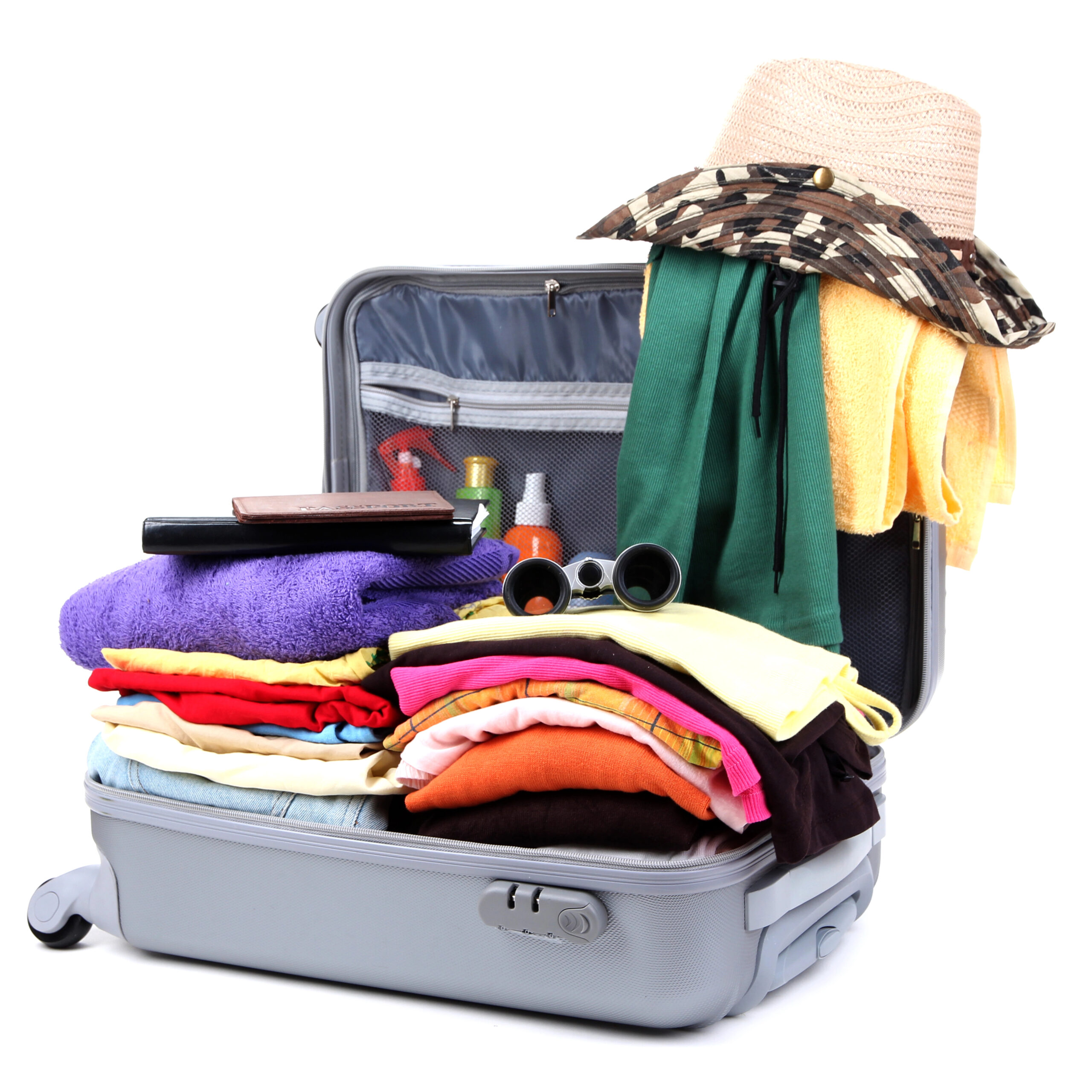
Separate electronics, clothing, and liquids into distinct areas within your luggage. For this reason, avoid mixing high-density items such as shoes or tools with liquids or cords. As a result, EDS systems can differentiate item categories more easily, which reduces ambiguity during On-Screen Resolution review and helps screening move forward without delay.
Packing Liquids Properly
Follow the TSA’s 3-1-1 liquids rule rule for carry-ons. In addition, remember that properly sealed liquids in checked baggage still affect screening outcomes. When bottles leak and spread across multiple layers of packed items, they change density patterns and can trigger screening alarms.
Keep Electronics Together
Consolidating chargers, adapters, and devices helps screening systems identify electronics more quickly. For this reason, keep these items in a single compartment instead of scattering them throughout the suitcase. In addition, the TSA’s “What Can I Bring?” guide offers further guidance on how to pack electronics in a way that supports safe and efficient screening.
Avoid Overstuffing
A bulging suitcase compresses items into dense clusters, which can distort X-ray images. As a result, when the EDS system struggles to interpret the contents, the likelihood of a manual search increases. In contrast, a slightly underpacked suitcase creates clearer imaging conditions and allows baggage to move through screening with faster throughput.
Label Medication and Medical Devices
Travelers carrying medical equipment or liquid medications that exceed 3.4 ounces should notify TSA officers during check-in. For this reason, the TSA Travel Tips page, explains that these items remain permitted but require declaration to avoid confusion or alarms during the Checked Baggage Inspection System (CBIS) screening process.
The Role of the Traveler in Packing Smartly for More Efficient Baggage Screening
As a frequent traveler, or simply someone who values efficiency, you can actively support faster baggage screening. For this reason, understanding that TSA’s mission focuses on safety rather than inconvenience helps frame the process correctly. When you pack smartly and keep your belongings transparent and organized, you make it easier for officers and screening systems to interpret your bag.
In addition, small actions such as removing batteries from spare electronics or labeling items that may appear unclear can reduce screening time. As a result, these choices improve not only individual bag processing but also reliability across the entire TSA baggage screening operation.
Why Disorganized Luggage Causes Delays
The most common reason a bag enters Level 3 screening is clutter. From a TSA perspective, a jumble of unidentifiable objects immediately raises concern. For example, dense clusters of mixed materials, overlapping containers, and tangled electronics reduce image clarity and prevent quick resolution. As a result, each manual inspection requires an officer to open, sort, and reclose the bag, which slows the conveyor system and can delay flight operations.
From an engineering standpoint, and as someone who designs baggage handling systems, I can confirm that packing smartly plays a critical role in system performance. When a bag diverts for inspection, it stays in the screening system longer instead of moving toward the aircraft. For this reason, your organization directly affects how long TSA scrutiny holds your baggage and whether it travels on your flight or arrives later.
TSA Advice on Packing
The TSA actively encourages packing smartly when it comes to security efficiency. On its official Travel Tips page, the agency highlights the importance of separating prohibited or questionable items before check-in. Threfore, understanding what can and cannot be transported reduces delays and ensures a smoother experience for all passengers.
If you’re ever unsure whether an item is allowed, the “What Can I Bring?” tool lets you search specific objects and see their restrictions instantly. Taking the time to verify before you pack can prevent hours of frustration later.
Final Thoughts: How Smarter Packing Speeds Up the TSA Process
In the end, organized packing benefits everyone involved in the screening process, including travelers, TSA officers, and airline crews. As a result, a well-structured bag is more likely to move through all three screening levels without interruption and avoid unnecessary manual handling. From a baggage handling system design standpoint, efficiency depends not only on screening technology but also on traveler cooperation.
For this reason, packing with intention protects your belongings while supporting the overall flow of airport operations. Before your next flight, take a few extra minutes to organize your luggage. In doing so, you help your bag clear screening more efficiently and reduce avoidable delays across the system.
Affiliate Disclosure:
Some links in this article direct you to third-party travel partners, booking platforms, and service providers. If you purchase a product, book a reservation, or sign up for a service through these outbound links, Airport News Now may earn a commission from the merchant at no additional cost to you. These commissions help support the site’s research, writing, and operations.
Airport News Now maintains full editorial independence. All recommendations are based on real traveler needs, operational airport knowledge, and objective evaluation — never on commission potential. You are under no obligation to use these links, but doing so helps keep the website free and accessible for all readers.
For more information on affiliate partnerships, please review each vendor’s official policies on their respective websites.