International pet travel fails most often at airports because airports function as enforcement checkpoints rather than transportation conveniences. Travelers regularly misunderstand international pet travel requirements and assume airline approval guarantees entry. In reality, customs officers, veterinary inspectors, and border authorities enforce government rules without flexibility. Every breakdown in overseas pet travel surfaces before boarding or immediately after landing. Understanding how pet travel fails helps travelers avoid denials, delays, and expensive rebooking.
Pet Travel Documentation Failures at Departure Airports
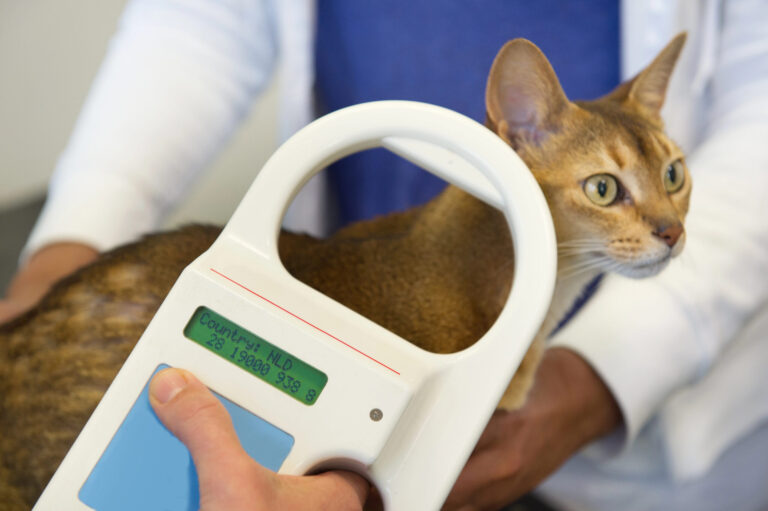
Initially, international pet travel collapses when travelers arrive without destination-specific documentation. Airlines review paperwork, yet government agencies define pet travel requirements, which creates dangerous assumptions. Health certificates, rabies records, microchip data, and endorsement timelines must align precisely for pet travel approval. Even minor clerical errors halt pet travel before boarding begins. Travelers should confirm requirements through official government sources rather than airline summaries. Please don’t forget to check out Pet Travel | Domestic and International Travel with a Pet for guidelines from USDA APHIS.
International Pet Travel Customs Inspections After Arrival
Subsequently, international pet travel fails when travelers underestimate customs inspection procedures. Many countries require veterinary inspection immediately after landing during pet travel, regardless of cabin or cargo placement. Airports route animals through designated inspection zones that operate on limited schedules. Late arrivals disrupt pet travel inspection windows and trigger holding delays. Travelers should verify inspection availability at destination airports before booking flights.
Pet Travel Conflicts Between Airlines and Governments
Simultaneously, international pet travel breaks down when airline policies conflict with government import rules. Airlines control carrier size, cabin eligibility, and pet quotas for overseas pet travel. Governments control admissibility, quarantine authority, and health compliance. Airline approval never overrides pet travel enforcement decisions. Travelers must satisfy both systems without exception. For more information be sure to check out IATA – Live Animals.
Carry-On Pet Fees: What Every Traveler Should Know

As international pet travel becomes more common, carriers increasingly enforce carry-on pet fees that many travelers overlook until the airport counter. These fees vary widely between major airlines and often appear only after you select a fare, which surprises travelers who assumed “pet included” options existed. Please be sure to check out the Airport News Now article “Carry-On Pet Fees: A Focus on Major Airline Fares“ for precise fee comparisons and airline policy breakdowns that can impact your international pet travel budget. Understanding how pet fees integrate with airline pricing helps travelers plan both logistics and costs more accurately before departure.
International Pet Travel Risks During Connecting Flights
Moreover, international pet travel becomes riskier during multi-segment itineraries. Each connection introduces new staff, inspections, and enforcement checkpoints that affect overseas pet travel outcomes. Some airports require re-screening pets during international transfers. Delays compress inspection windows and invalidate pet travel paperwork timing. Travelers should prioritize nonstop routes whenever possible.
Travel Restrictions Travelers Overlook
Critically, international pet travel fails when travelers ignore country-specific restrictions. Some nations ban certain breeds, restrict entry by origin country, or impose seasonal embargoes affecting overseas pet travel. Rabies-controlled countries enforce stricter standards than many travelers expect. Temperature limits override airline willingness to transport animals during pet travel. Travelers must research destination-specific rules well in advance. Please see Bringing a Dog into the U.S. | Importation | CDC for more vital information from the CDC about bringing a dog into the United States.
Travel Insurance as a Safety Net for International Pet Travel

International pet travel exposes travelers to risks that go beyond paperwork errors and airline policies, especially when trips derail due to denied boarding, missed connections, or sudden regulation changes. Travel insurance becomes critical when pet-related disruptions trigger rebooking costs, extended stays, or nonrefundable airline fees tied to international pet travel itineraries. Please be sure to check out the Airport News Now article “Travel Insurance From EKTA: The Best Insurance Plan“ for a detailed breakdown of coverage options that address trip interruption, medical emergencies, and unexpected travel complications. Integrating travel insurance into international pet travel planning adds a financial buffer that supports enforcement realities at airports rather than assuming best-case outcomes.
International Pet Travel Airport Infrastructure Limitations
Conversely, international pet travel falters at airports that lack dedicated animal-handling infrastructure. Smaller international airports operate with limited veterinary staffing for pet travel inspections. Inspection facilities may close outside normal business hours. Missed inspection windows force airlines to deny pet travel boarding preemptively. Travelers should confirm airport capability, not just flight schedules.
Pet Travel Quarantine Misconceptions
Unexpectedly, international pet travel fails when travelers misunderstand quarantine rules. Many countries removed blanket quarantines yet still enforce strict pet travel entry checks. Travelers often assume quarantine provides a fallback option. Authorities can deny pet travel entry outright instead of offering isolation. Accurate interpretation of import rules prevents costly mistakes.
Final Takeaway
Ultimately, international pet travel succeeds when travelers treat airports as compliance environments rather than transit spaces. Documentation accuracy, inspection timing, and routing decisions determine pet travel outcomes more than airline branding. Government rules override airline permissions at every stage of overseas pet travel. Travelers who plan for airport-level enforcement reduce failure risk dramatically. With overseas pet travel, preparation decides success long before departure day.