Understanding the TSA Checked Baggage Screening Journey
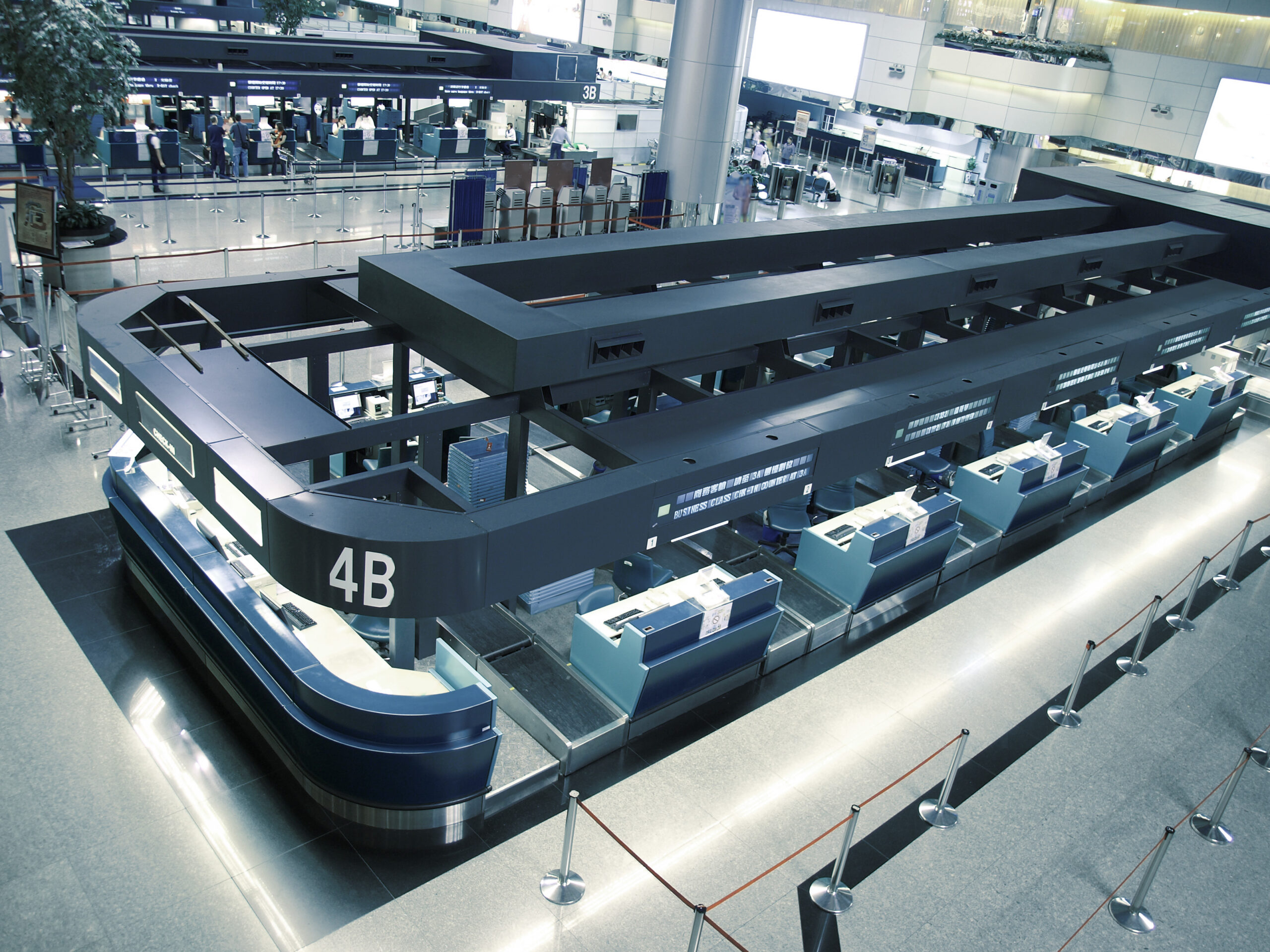
The TSA’s Checked Baggage Screening Process plays a critical role in maintaining security for every checked bag. When you hand your luggage to the ticketing agent, it enters a sophisticated system that actively scans and tracks each item for safety and efficiency. From there, conveyor belts move your bag through multiple scanners and security checkpoints until TSA officers clear it for loading onto the aircraft. TSA calls this network of systems and procedures the Checked Baggage Inspection System (CBIS).
This guide details each phase your checked baggage undergoes during its TSA checked baggage screening process, starting with Level 1 (Explosive Detection System, or EDS), progressing through Level 2 (On Screen Resolution, or OSR), and concluding with Level 3 (Checked Baggage Resolution Area, or CBRA) before heading off to sortation. Throughout each stage, your bag is subject to thorough inspection based on strict standards to maintain the safety of the traveling public.
The TSA’s Planning Guidelines and Design Standards (PGDS) guide how airports manage baggage, with version 8 currently setting the compliance benchmark for all baggage handling systems at the time of this writing. By understanding what happens behind the scenes, you gain clarity on the screening process and insight into why your luggage may sometimes take longer than expected to reach its final destination.
Understanding the TSA’s Planning Guidelines and Design Standards (PGDS)
The TSA’s Planning Guidelines and Design Standards (PGDS) serve as the blueprint for how checked baggage systems function within airports across the United States. These standards set forth specific requirements governing various aspects of baggage handling, including the speed of conveyor belts, the distances between screening stations, and the critical decision points that dictate the flow of luggage through the system. By adhering to these uniform rules, airports can maintain consistent and reliable security measures nationwide in a largely uniform manner, following adherence to the PGDS.
Once you hand your bag to the check-in agent, your checked baggage enters a tightly controlled and carefully engineered system. This network rapidly detects and isolates potential threats, often completing the process within seconds. Although the process takes place out of sight for most travelers, understanding these procedures can offer reassurance about both the location of your bag and the security measures in place to protect it.
For those interested in further details, the TSA makes the full Planning Guidelines and Design Standards document publicly available. Because the official documentation spans several hundred pages, this article provides a concise, easy-to-understand summary for travelers who want clarity on how their baggage moves through the system.
Packing Smartly = Less TSA Scrutiny

Please be sure to read the Airport News Now article, “Packing Smarter – How Loose Luggage Items Delay the TSA Baggage Screening Process” Where we discuss ways to pack smartly to cut down on the time your luggage spends in security screening process. This article will help you to understand what causes your luggage to remain under TSA scrutiny, and how packing your items in an organized fashion will have your checked baggage out from under TSA screening at Level 1 Machine screening rather than Level 3 Hands-on directed searches.
Level 1: Automated Screening (Explosive Detection System – EDS)
After you check your bag with the airline agent, the process begins with the Automatic Tag Reader (ATR) rapidly scanning the IATA barcode attached to your luggage. This barcode is essential—it links your bag to your flight details and tracks its physical location as it moves along the conveyor system.
Once scanned, your bag proceeds to the Explosive Detection System (EDS), which is a large, CT-style scanner designed to analyze the materials inside. The EDS assesses the density and chemical properties of the contents to determine if anything appears suspicious or out of the ordinary.
At this initial stage of screening, two possible outcomes exist:
- Cleared Bags: If the system verifies that your bag contains nothing of concern, it clears the bag and directs it toward sortation, where it continues its journey to the aircraft.
- Alarmed Bags: If the system detects something unusual—such as densely packed electronics or layered liquids—it flags the bag and automatically reroutes it to Level 2 for further review through On-Screen Resolution (OSR).
This use of automation at the first stage allows the TSA to efficiently process all checked bags, quickly clearing those that pose no risk while focusing manual inspection resources on only those that require additional scrutiny.
Level 2: On-Screen Resolution (OSR)
When a checked bag triggers an alarm status during Level 1 screening, it advances to Level 2, known as On-Screen Resolution (OSR). At this stage, the Transportation Security Administration (TSA) relies on a combination of sophisticated technology and human expertise to evaluate the contents of the bag further.
A specialized team of trained officers manages the OSR process, reviewing three-dimensional images of the bag’s interior in real time.. These officers use their judgment and experience to assess whether the items inside present any security concerns that the automated system could not resolve.TSA officers complete their review within a strict time limit called Bag Travel Time (BTT), which depends on the distance the bag travels from the Explosive Detection System (EDS) to the final decision point. This time constraint gives TSA officers enough time to remotely examine any object in your checked baggage that triggered an alert during Level 1 screening.
During the Level 2 review, officers have two possible courses of action:
- Clear the bag: If the officer determines that no threat exists after examining the images, they clear the bag and send it along the conveyor system to the baggage sortation area for loading onto the aircraft.
- Escalate to Level 3: If the officer cannot interpret the image within the allotted time or still has doubts about the contents, they send the checked baggage to the Checked Baggage Resolution Area (CBRA) for a hands-on manual inspection by the Transportation Security Administration.
Thanks to the skill and quick judgment of TSA officers, they resolve most bags that reach Level 2 within seconds. However, during periods of high alert or when multiple alarms trigger simultaneously, officers send some bags to the Checked Baggage Resolution Area (CBRA) for Level 3 screening. Thus, it is important to properly store items in your checked baggage. If items are in a disorganized fashion, it may alarm at Level 1 screening. Even if you pack your luggage neatly, the system may still flag it for additional scrutiny at Level 1; however, the Level 2 OSR officer will likely clear it after reviewing the images.
Level 3: Manual Inspection in the Checked Baggage Resolution Area (CBRA)
When TSA officers cannot clear a checked bag during Level 1 or Level 2 screening, they send it to Level 3 for a physical, hands-on inspection. This process takes place inside the Checked Baggage Resolution Area (CBRA), where Transportation Security Officers (TSOs) open the bag to examine its contents directly.
During the manual inspection, TSOs use several methods to identify potential threats. These include handheld explosive trace detectors, visual checks, and swabbing for trace materials. TSA officers specifically train to identify potential triggers such as:
- Overpacked or compressed areas that could conceal dense items
- Cables, batteries, or liquids that are stacked together
- Unidentified objects that the scanner was unable to interpret
If the TSO finds no threat during the inspection, they return the bag to the conveyor system for sortation and loading onto the aircraft. However, if the officer identifies a potential issue, they contact law enforcement to conduct a further review.
To reduce the chances that TSA officers will need to manually inspect your bag in the CBRA, pack your items neatly and distribute the contents evenly. Avoid stacking electronics directly over liquids—a common mistake that almost always triggers an alarm in the Explosive Detection System (EDS). Poor packing choices like these cause your luggage to spend more time under scrutiny during the TSA checked baggage inspection process.
Organization Matters When it Comes to Baggage Screening

As noted earlier, the single biggest factor in reducing TSA screening time is how well your bag is organized. Poorly packed luggage slows inspections, while structured, compartmentalized packing allows screeners to clear bags faster. Luggage with built-in compression systems—and compression bags added to existing suitcases—plays a major role in that efficiency. In our Airport News Now guide on efficient packing with compression luggage, we break down how compression systems improve organization, reduce bag volume, and support faster screening, along with practical product solutions that actually work in real airport conditions.
Protect Yourself From Screening Delays and Baggage Mishaps
Travelers who understand the TSA screening process know that checked baggage moves through EDS machines, automated conveyors, and CBRA inspection points where delays and secondary checks can happen unexpectedly. The Travelpayouts Travel Insurance Comparison Widget lets you review insurance plans that cover lost bags, delayed baggage delivery, and damaged luggage caused anywhere along the TSA screening flow. Use it to choose a policy that protects you during every step of the EDS–OSR–CBRA journey so a screening delay or mishandled bag doesn’t derail your trip.
How the Checked Baggage Inspection System (CBIS) Keeps Luggage Moving
At each stage of the screening process, the Checked Baggage Inspection System (CBIS) uses automated conveyors to connect every level seamlessly. As your bag completes the required checks—whether cleared at Level 1, Level 2, or after a hands-on inspection in the Checked Baggage Resolution Area (CBRA) at Level 3—it moves immediately to a sophisticated sortation matrix. This system directs the checked baggage toward the correct flight make-up unit for loading onto the aircraft.
The precise synchronization between the screening procedures and the automated conveyance system significantly reduces the need for manual handling. By minimizing human intervention and potential handling errors, the CBIS not only streamlines the movement of luggage but also ensures that your bag arrives at its destination safely and on time.
Smart Packing Tips to Avoid Delays with TSA Checked Baggage Screening Process
Packing efficiently is not only about fitting more into your suitcase—it also helps speed up the security screening process. A well-organized bag allows TSA scanners and officers to quickly and accurately assess the contents, reducing confusion and the likelihood of delays.
Smart Traveler Strategies
- Separate electronics from liquids: Place your electronics and liquids in different areas of your bag. Avoid stacking cords and gels together, as this common packing mistake can trigger alarms and require additional inspection.
- Use vacuum-sealed bags: Compress your clothing and soft items using vacuum-sealed bags. This not only saves space but also reduces clutter, making it easier for screening technology to scan and clear your bag.
- Keep items evenly distributed: Distribute your belongings throughout your suitcase to avoid creating dense zones. Dense areas can confuse X-ray algorithms, causing TSA officers to flag your bag for manual inspection during the TSA Checked Baggage Screening Process.
- Label your luggage clearly: Attach a tag with your name and contact information on the outside of your bag and place identification inside as well. Clear labeling allows airline staff to quickly identify your bag and return it to you if necessary.
By following these smart packing strategies, your luggage moves more smoothly through every stage of the TSA Checked Baggage Screening Process—whether it is the Explosive Detection System (EDS), On-Screen Resolution (OSR), or Checked Baggage Resolution Area (CBRA). This means you’ll spend less time worrying about whether your bag made it onto your flight.
Conclusion: Navigating TSA Screening with Confidence
Understanding the three levels of TSA baggage screening transforms what might seem like a complex process into a clear and straightforward journey. At each step, TSA officers and automated technology work together to thoroughly and efficiently screen every checked bag. This combination of automation, human expertise, and robust security design helps maintain safety and order in the busy environment of airport baggage handling.
By taking the time to pack your luggage methodically and staying informed about TSA checked baggage screening process, you play an active role in helping officers expedite that process. Thoughtful preparation not only protects you and your belongings but also contributes to the overall safety of fellow travelers. From the moment you check in until your bag loads onto the aircraft, using foresight and knowledge helps streamline your airport experience, creating a smoother and more secure journey.
Secondary Sources
- TSA Planning Guidelines and Design Standards (PGDS)
- U.S. Department of Homeland Security – Aviation Security
Affiliate Disclosure:
Some links in this article direct you to third-party travel partners, booking platforms, and service providers. If you purchase a product, book a reservation, or sign up for a service through these outbound links, Airport News Now may earn a commission from the merchant at no additional cost to you. These commissions help support the site’s research, writing, and operations.
Airport News Now maintains full editorial independence. All recommendations are based on real traveler needs, operational airport knowledge, and objective evaluation — never on commission potential. You are under no obligation to use these links, but doing so helps keep the website free and accessible for all readers.
For more information on affiliate partnerships, please review each vendor’s official policies on their respective websites.