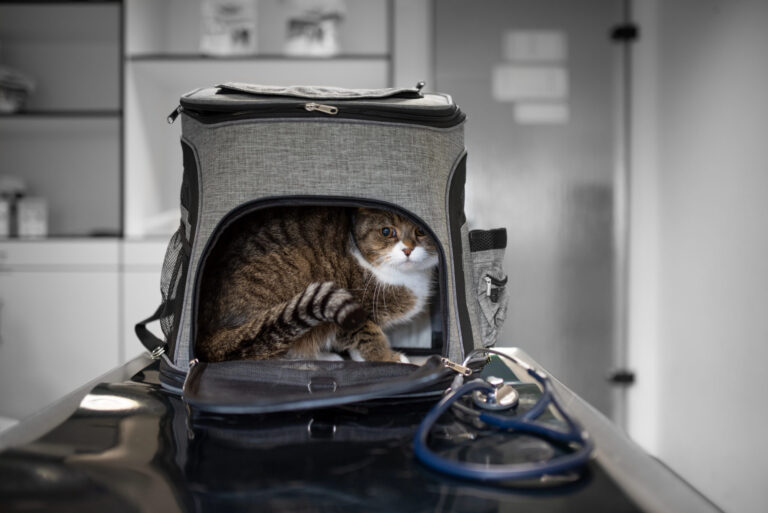
Why Health-Monitoring Collars Matter During Long Flights
Long travel days place pets under sustained physical and behavioral stress. Extended confinement, disrupted routines, dehydration risk, and unfamiliar handling all compound during air travel. Meanwhile, airlines focus on transport logistics rather than animal health indicators. Once a pet leaves direct supervision, owners lose insight into how the animal responds physically to the journey. A health-monitoring collar is an essential item to monitor your pet’s health when traveling.
Health-monitoring collars for pets during long flights help close that visibility gap. These devices track movement and rest patterns across the entire travel day. Although they do not provide medical care, they offer trend awareness before departure, during layovers, and immediately after arrival. As a result, owners can identify early warning signs instead of reacting after problems escalate.
What Health-Monitoring Collars Actually Track
Most premium collars focus on activity-based health indicators rather than diagnostics. Common metrics include movement levels, rest duration, sleep disruption, and behavior changes. Some collars also track physiological trends such as heart rate patterns or temperature variation.
During long flights and extended delays, these signals help owners determine whether a pet remains calm, restless, or unusually inactive. Health-monitoring collars for pets during long flights work best when owners establish a baseline before travel. Therefore, deviations from normal patterns become meaningful once stress increases.
Where These Collars Add the Most Value in Air Travel
Before departure, health-monitoring collars help confirm that a pet remains settled during check-in, security screening, and gate waiting. Elevated restlessness or abnormal inactivity may indicate stress that requires intervention before boarding.
During layovers and ground transfers, collars provide insight when pets remain out of sight. Owners can confirm movement patterns during relief breaks or transport handoffs. Consequently, uncertainty decreases during the most fragmented parts of the journey.
After arrival, collars help assess recovery. Abnormally low activity, prolonged restlessness, or disrupted sleep patterns may signal dehydration, anxiety, or physical strain. Early detection supports faster response and smoother adjustment to the destination.
What Health-Monitoring Collars Cannot Do
Health-monitoring collars for pets during long flights do not transmit data during flights. Wireless connectivity resumes after landing. These devices also do not diagnose illness or replace veterinary evaluation. Their value lies in trend awareness rather than real-time medical response. Understanding these limits preserves credibility and prevents unrealistic expectations.
Features That Matter for Health-Monitoring Collars in Airports
Battery life matters more than novelty features. Travel days often exceed twelve hours, and collars must remain active throughout delays and transfers. Comfort and fit also remain critical. Bulky collars increase irritation during long crate periods and extended wear.
App reliability matters more than data volume. Clear summaries support faster decisions during stressful travel days. Additionally, global or roaming support improves reliability for international travel and multi-country itineraries.
High-End Health-Monitoring Collars
PetPace V3.0 Cat Health Monitor
The PetPace PetPace V3.0 Cat Health Monitor focuses on continuous health trend tracking rather than basic activity counts. It monitors key indicators such as heart rate patterns, respiration trends, temperature variation, and activity levels, which helps owners spot early signs of stress or illness. During long travel days or post-flight recovery, these metrics provide useful context when behavior alone does not tell the full story. The collar suits cats with medical sensitivities or senior pets where early awareness matters more than location tracking alone.
PetPace V3.0 Cat Health Monitor
Fi Series 3+ Smart Dog Tracker Collar
The Fi Series 3+ Smart Dog Tracker Collar combines continuous activity tracking with reliable location monitoring in a single, lightweight collar. It tracks movement patterns, rest trends, and daily activity, which helps owners identify stress or fatigue during long travel days. Its extended battery life supports multi-day trips without constant charging, making it practical for airports, layovers, and ground transfers. Clear app summaries allow owners to review behavior changes quickly and respond sooner when something looks off. 12-month membership included.
Fi Series 3+ Smart Dog Tracker Collar
FitBark 2
FitBark emphasizes detailed activity and rest analytics rather than novelty features. Its health-focused reporting appeals to owners of senior or anxiety-prone pets. This collar performs well for long travel days and post-flight recovery assessment, especially when monitoring fatigue and rest disruption.
Note: FitBark2 is NOT a GPS tracker
Dog Health Monitor V3.0 by PetPace
The PetPace Dog Health Monitor V3.0 provides continuous health trend tracking designed for early awareness rather than basic activity counting. It monitors heart rate patterns, respiration, body temperature trends, posture, and activity levels, which helps owners identify stress or physiological changes during long travel days. Because the collar focuses on trend data, it supports informed decisions after flights, during recovery periods, or following extended crate time. This device works best for senior dogs, medically sensitive pets, or travelers who prioritize health insight over location tracking.
Dog Health Monitor V3.0 by PetPace

How Health-Monitoring Collars Fit into a Broader Pet Travel Safety Strategy
While health-monitoring collars explain how pets physically handle long flights and extended confinement, they do not address separation risk once pets move beyond direct supervision. As a result, many travelers layer PetPace V3.0, Fi Series 3+, or FitBark 2 with pet GPS trackers and wearable pet cameras to maintain both health awareness and location visibility during transfers, hotel stays, and travel disruptions. Please see the Airport News Now Article on Wearable Pet Cameras. Together, these tools create a complete travel safety system that reduces guesswork, improves recovery speed, and supports better decisions when airline oversight ends.
Health-Monitoring Collars vs GPS Trackers
Health-monitoring collars for pets during long flights focus on physical response and behavior. GPS trackers focus on location. These tools serve different roles. Therefore, many frequent travelers use both, gaining insight into where a pet is and how the pet copes with the journey.
Who Should Consider Health-Monitoring Collars
Frequent flyers benefit from trend visibility across repeated trips. Owners of senior pets gain early insight into recovery and fatigue. Travelers managing anxiety-prone animals receive behavioral feedback during stressful transitions. International travelers benefit from post-arrival recovery assessment across time zones and long transport periods.
Final Assessment
Health-monitoring collars for pets during long flights provide meaningful insight during periods when owners otherwise rely on guesswork. They do not replace veterinary care or airline responsibility. However, they help travelers identify problems earlier and respond more effectively. For serious pet travelers, these collars function as preventive awareness tools rather than novelty devices.
Amazon Affiliate Disclosure
Airport News Now participates in the Amazon Services LLC Associates Program, an affiliate advertising program designed to provide a means for websites to earn advertising fees by linking to Amazon.com and related marketplaces. As an Amazon Associate, Airport News Now earns from qualifying purchases. Product references reflect practical relevance to airport, airline, and ground-transport travel conditions and do not influence editorial conclusions.