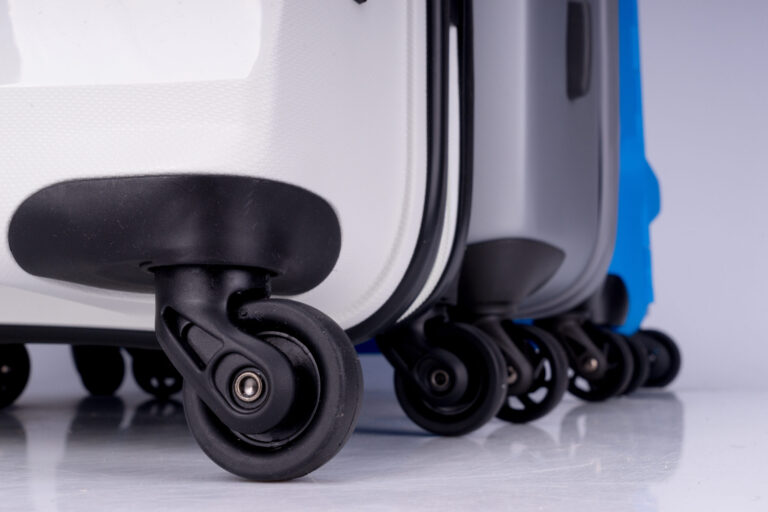
Why a Guitar Travel Case Beats a Broken Guitar Every Time
A guitar travel case determines whether your instrument arrives ready to play or damaged beyond quick repair. Airlines move fast, and luggage systems apply pressure, vibration, and sudden direction changes that fragile instruments cannot tolerate. Therefore, musicians who travel ignore protection at their own risk. A proper guitar travel case absorbs impact, stabilizes the neck, and shields hardware from shifting loads. Additionally, TSA inspections happen frequently, and weak cases suffer damage during routine checks. When you choose the right guitar travel case, you protect tone, structure, and peace of mind from curbside to landing.
How Air Travel Stresses Guitars More Than Most Musicians Expect
Air travel creates a harsh environment for guitars due to constant handling, stacking, and temperature variation. Baggage conveyors jolt cases repeatedly, while cargo holds expose instruments to pressure changes. Meanwhile, overhead bins compress contents when flights fill quickly. Because guitars rely on neck alignment and consistent tension, even minor shifts cause long-term issues. A guitar travel case counters these forces by locking the instrument into a stable position. As a result, serious travelers treat a guitar case as essential equipment, not an accessory.
What Defines a Reliable Guitar Travel Case
A reliable guitar case combines structural rigidity with interior support that follows the instrument’s shape. Hard exteriors resist crushing forces that soft gig bags cannot manage. Furthermore, dense foam interiors hold the neck and body in place so movement does not occur during transport. TSA-approved locks also matter because they prevent destructive inspections while maintaining security. Weight distribution plays a role as well, since balanced cases reduce stress on handles and hinges. Ultimately, a guitar travel case succeeds when it protects without complicating travel.
Comparison Table: Making the Case for the right Case
Before reviewing individual options, a comparison clarifies how different guitar travel case designs serve different needs. Some cases emphasize maximum protection, while others focus on lighter weight for easier movement. TSA lock inclusion also changes how smoothly airport inspections proceed. Guitar type compatibility matters because electric, acoustic, and classical instruments require different internal shaping. Therefore, the table below highlights practical differences that help travelers choose confidently. This overview saves time and reduces the chance of buying a case that does not fit your travel style.
| Guitar Travel Case | Best For | Protection Level | TSA Lock | Guitar Type |
| Gator Electric TSA Case | Frequent flyers | High | Yes | Electric |
| Gator Classical/Acoustic TSA Case | Acoustic & classical | High | Yes | Classical/Acoustic |
| Crossrock Ultra-Light Fiberglass Case | Lightweight travel | Medium-High | No | Classical |
| Crossrock Fiberglass TSA Case | Regular TSA screening | High | Yes | Classical |
Each option serves a different travel priority, whether durability, weight, or inspection convenience. Moreover, the table highlights that no single guitar travel case fits every musician. By matching protection level and guitar type, travelers avoid unnecessary compromise. Consequently, this comparison sets the stage for deeper evaluation.
Gator Cases Electric Guitar Travel Case (TSA Lock)
The Gator electric guitar travel case targets musicians who fly often with solid-body instruments. This guitar case uses a rigid shell that resists crushing and side impact during loading. Inside, molded padding stabilizes the neck and body so hardware stays aligned. TSA-approved locking simplifies security checks and reduces handling time. Additionally, the exterior handles weight well when stacked with other luggage. For electric guitarists, this guitar travel case delivers dependable protection without unnecessary bulk.
Gator Classical and Acoustic TSA-Approved Guitar Case
The Gator classical and acoustic model supports wider bodies and delicate tops common to nylon-string instruments. This guitar travel case features a molded exterior that prevents pressure dents and abrasion. Interior foam follows the guitar’s contours, which keeps the bridge and headstock from shifting. TSA-approved locking protects the case during inspection while preserving security. Storage space inside accommodates accessories without touching the instrument. As a result, this guitar case suits musicians who demand protection without sacrificing convenience.
Crossrock Ultra-Light Fiberglass Classical Guitar Travel Case
The Crossrock Ultra-Light fiberglass model appeals to travelers who prioritize reduced weight without giving up structure. This guitar travel case uses fiberglass reinforcement to resist impact while staying lighter than traditional hard shells. The interior padding supports the neck evenly, which helps maintain alignment over long trips. Because fiberglass resists flexing, the case holds shape under pressure. Although it skips TSA locking, the construction still manages airline handling well. Therefore, this guitar travel case works best for musicians who carry on or supervise their instrument closely.
Crossrock Fiberglass Classical TSA Guitar Case
The Crossrock fiberglass TSA model builds on the lightweight design while adding inspection-friendly security. This guitar case includes a reinforced shell that absorbs shock and stacking pressure. TSA-approved locks allow inspection without forced entry, which preserves hinges and latches. Interior spacing balances support and airflow to protect finish and structure. Handles and balance points support smooth movement through terminals. Consequently, this guitar travel case suits travelers who check instruments or encounter frequent security inspections.
Final Takeaway: Travel Confidently with the Right Guitar Travel Case
A guitar travel case protects more than wood and strings; it protects performance readiness and investment value. Air travel introduces forces that ordinary cases cannot manage reliably. When musicians choose a case designed for airline handling, they reduce risk at every stage of the journey. TSA-friendly designs also eliminate stress during inspections. Furthermore, proper fit prevents slow damage that appears only after repeated trips. In the end, a well-chosen guitar travel case ensures your instrument arrives ready to play, not repair.