Why Group Travel Falls Apart at Airports
Group travel falls apart at airports because the entire system rewards speed, attention, and quick decision-making, while groups naturally create hesitation and distractions. One small mistake doesn’t stay small, because when one person gets delayed, the rest of the group loses momentum and starts reacting instead of moving with a plan.
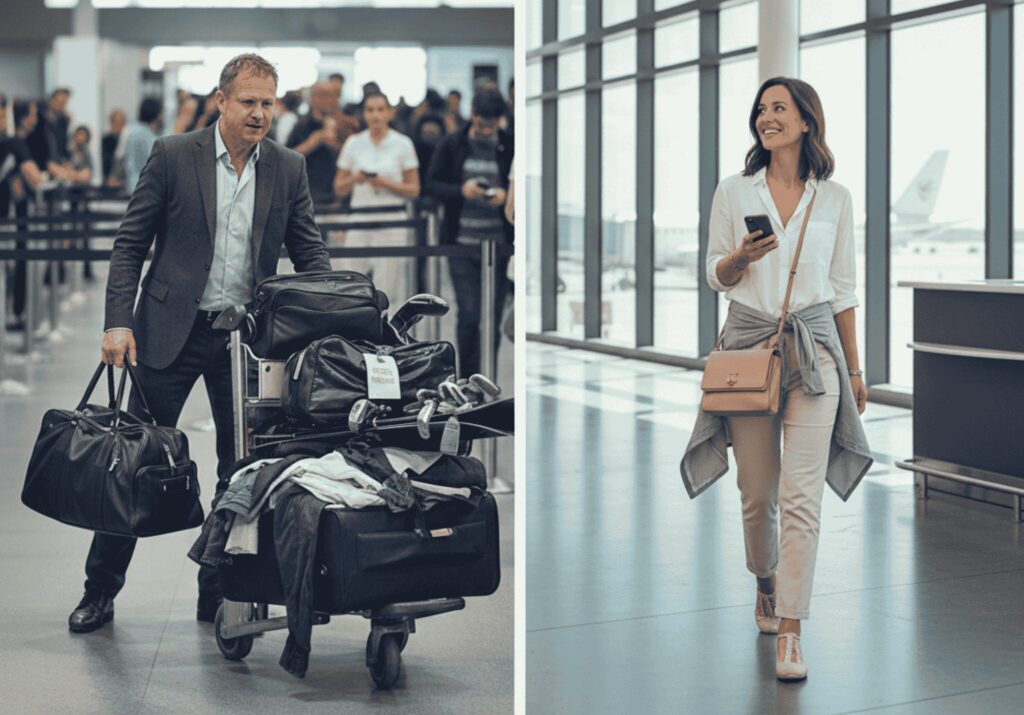
TSA often becomes the first pressure point because people panic-pack at the last second, dig for IDs while already in line, and hold everyone up while they try to reorganize a carry-on that should have been ready before they ever entered the terminal.
Then the problems stack, because gate changes come fast, announcements blend into background noise, and group attention gets split across food runs, bathroom trips, and people drifting in different directions. If you want group travel to work, you need structure that keeps everyone moving and prevents basic airport tasks from turning into avoidable delays.
1) Assign Roles for Group Travel Before You Walk into the Terminal
Group travel never allows for “winging it” at an airport, because confusion takes over immediately and the terminal punishes indecision. Instead, assign simple roles before anyone even steps inside, because a clear chain of responsibility stops the most common mistakes before they start. Start with a document checker and make that person confirm boarding passes and IDs while the group still stands outside or in the entry area, not when everyone already approaches the TSA rope maze.
Next, assign a bag coordinator, and have them quickly verify that carry-ons won’t trigger predictable problems such as loose electronics buried under clothing or liquids spread across multiple pockets. Then pick a headcount tracker and make that person responsible for keeping the group together every time the group moves, even if that means doing a quick body count before the escalator, before the checkpoint, and again after the scanner.
This setup keeps personalities from clashing, prevents wasted time, and gives the group a way to move like one unit instead of a crowd of independent travelers. If kids or elderly travelers come along, build the pacing around the slowest person, because separating even briefly creates confusion that costs time you won’t get back.
2) Use Two Meeting Points: One Before TSA and One After TSA
You lose time with your group travel plans at TSA screening because people scatter in the stress zone, and once that happens, the airport turns into an expensive game of hide-and-seek. Fix that problem with a two-point meeting system that everyone understands before the checkpoint even comes into view. First, pick one meeting location outside security and treat it like the “final regroup” point before the group enters screening, because that gives everyone a last chance to confirm documents, tighten bags, and reset the plan.
Second, pick a meeting location right after TSA and treat it as the default regroup spot every single time, no matter what happens during screening, because people naturally come out of security at different speeds. If TSA pulls someone aside for extra screening, the group still moves forward to the post-screening meeting point instead of clogging the area and creating confusion, and one person can stay back only if a dependent traveler needs direct support. This method prevents the classic disaster where half the group stands in one place assuming everyone will reappear, while the other half wanders around searching and missing critical boarding time.
How ‘Luggage Forward’ Helps Group Travel Stay on Schedule
In the Airport News Now article, “Ship Luggage Ahead with Luggage Forward – The Best Alternative,” shipping luggage ahead with Luggage Forward helps group travel avoid delays by removing extra bags from the airport chain where problems stack fast at check-in counters, oversize drop points, and baggage claim.
Therefore, Luggage Forward helps the group reduces major risk factors like overweight fee disputes, tight-connection bag misses, and the classic lost-baggage scenario that forces everyone to wait, file reports, and scramble for replacements.
Additionally, the article explains how shipping ahead protects fragile or mission-critical gear for sports teams, musicians, and production crews, which lowers the chance of arriving without the equipment that makes the trip succeed. Most importantly, Luggage Forward turns group travel into a controlled plan with fewer failure points, so the entire crew stays together, stays on schedule, and avoids baggage drama that wrecks travel days.
3) Duplicate Boarding Passes for Group Travel Organization and Keep IDs Ready
A group loses flights when one person controls the entire set of boarding passes, because a single glitch, dead battery, cracked screen, or app crash can stop everyone in their tracks. Fix that problem by making every traveler responsible for their own boarding pass access, while the group leader keeps a backup copy as insurance. Have everyone store the pass in their airline app, but also save a screenshot, because airports don’t guarantee stable Wi-Fi and cellular service drops at the worst possible moment, especially in crowded terminals and older concourses.
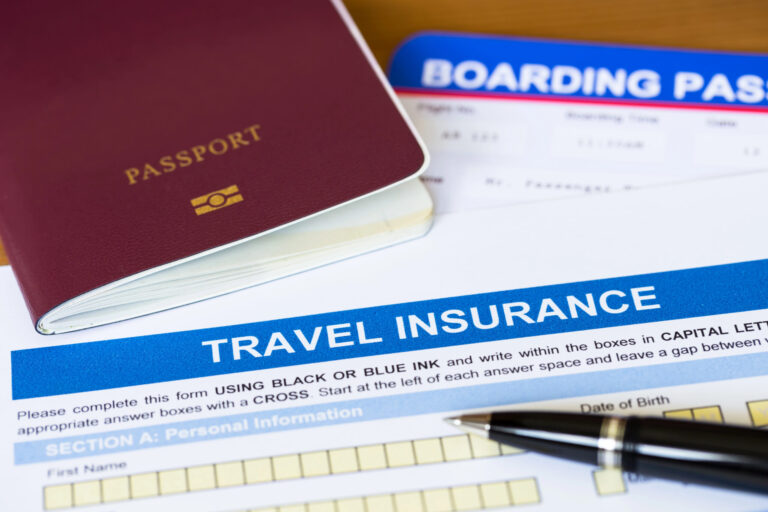
For IDs, keep it simple and repeatable: everyone uses the same pocket every time, because consistency stops people from digging through bags like they lost their wallet in a landfill. Before the group steps into the TSA line, run a quick ID-and-pass check so nobody reaches the front and suddenly realizes they left their documents buried under snacks, headphones, and charger cords. When the group locks down this routine, the checkpoint becomes a fast process instead of a bottleneck that burns time and patience.
4) Prep for TSA Before You Reach the Bins
TSA delays don’t happen because screening takes forever — they happen because travelers turn the bin area into their personal packing station. If you want to move your group through security without drama, prep before you reach the bins and treat the last few minutes before the checkpoint as a staging zone, not a panic zone. Keep liquids grouped together in one pouch so people can pull them out quickly if TSA requests it, and don’t spread toiletries across multiple pockets unless you enjoy watching your group repack under pressure.
Place electronics in a consistent, reachable section of each bag so travelers can remove them without dumping half their carry-on into a bin like they’re unpacking for a weekend trip. Reduce loose metal ahead of time, because coins, keys, and random pocket junk trigger alarms and force slow, awkward repacking while the line piles up behind you. Clear jackets and bulky items early and make sure everyone understands what they plan to take off before they reach the belt, because frozen hesitation at the conveyor creates instant backups. When your group handles TSA prep before the bins, you speed up screening, avoid bottlenecks, and keep tempers from flaring before the trip even starts.
5) Run the Gate Like a Countdown, Not a Guessing Game
Airports change gates constantly, sometimes without loud announcements, and groups miss flights when nobody takes responsibility for monitoring the updates. Solve that problem by assigning one person to watch the gate information and boarding time every 10 to 15 minutes, because that small habit prevents last-second chaos. Keep the group seated close enough to hear announcements and see the monitors, but don’t block walkways or sprawl across the entire gate area like you’re building a temporary village.
When people need bathrooms or food, schedule it, because random wandering leads to missed updates and causes “Where are you?” phone calls right when boarding starts. Before the boarding process begins, get the group ready early by zipping bags, putting shoes on, tightening carry-on straps, and making sure boarding passes stay accessible instead of buried behind a mess of travel gear. Treat boarding like a countdown with predictable steps rather than a scramble where everyone reacts at the last moment, and you’ll keep the group calm, organized, and on the plane while other travelers melt down around you.
Luggage Sets Help Group Travel Stay Organized
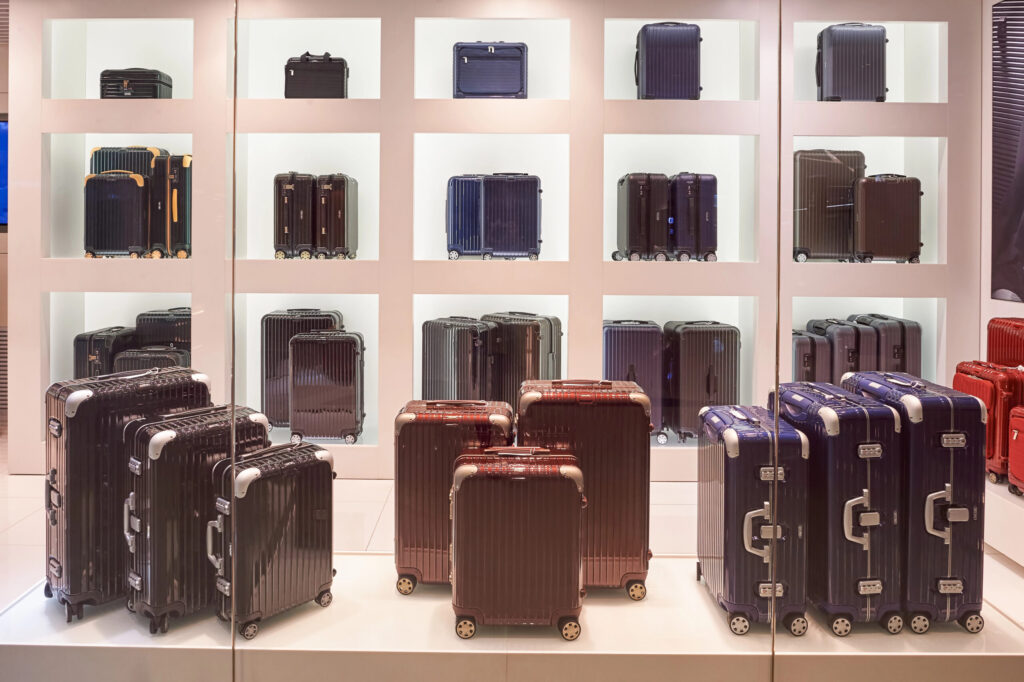
In this Airport News Now article, “Luggage Set: 4 Best Sets for Efficient Travel,” using a coordinated luggage set helps group travel move faster because matching bag sizes roll more predictably, stay easier to control, and reduce the chaotic “random suitcase problem” that slows families and teams down.
Additionally, the article explains how smarter packing choices—especially compression packing strategies—help the group avoid last-minute repacking disasters that wreck timing and split people up right before TSA. Most importantly, when the whole crew travels with durable, organized luggage, the airport becomes a smoother operation instead of a slow-motion traffic jam fueled by baggage problems.
Final Takeaway
Group travel works when you run a simple system instead of relying on luck and last-minute improvising, because airports punish disorganization in ways that solo travelers can often recover from more easily. Most group delays come from the same predictable failures: missing documents, scattered meet-up locations, TSA bottlenecks caused by packing at the bins, and poor gate awareness while people drift away at exactly the wrong time.
Assign roles, lock down meeting points, prep for TSA early, and manage the gate like someone’s job depends on it, because those steps cut delays more than any “travel hack” floating around the internet. You don’t need military discipline, but you do need structure, because structure prevents mistakes that cost time, money, and sometimes an entire trip. Once your group follows this routine on every flight, the airport stops controlling your day and starts working the way it was designed to work.
Luggage Forward Affiliate Disclosure
This article includes an affiliate link to Luggage Forward, a third-party luggage shipping service. If you click through and book a shipment, Airport News Now may earn a small commission at no extra cost to you. That commission helps keep this site running, keeps the content free, and supports the time it takes to publish real-world airport advice that actually works when travel gets messy.
To be clear: we recommend luggage shipping because it solves a real airport problem—less time in check-in lines, less baggage claim waiting, and fewer chances for your trip to get hijacked by baggage delays. However, you should always compare costs and timing for your specific trip before committing, because luggage shipping is not always the cheapest option.
Thanks for supporting Airport News Now!