Gate-Check Carry-On Decisions Start with Time
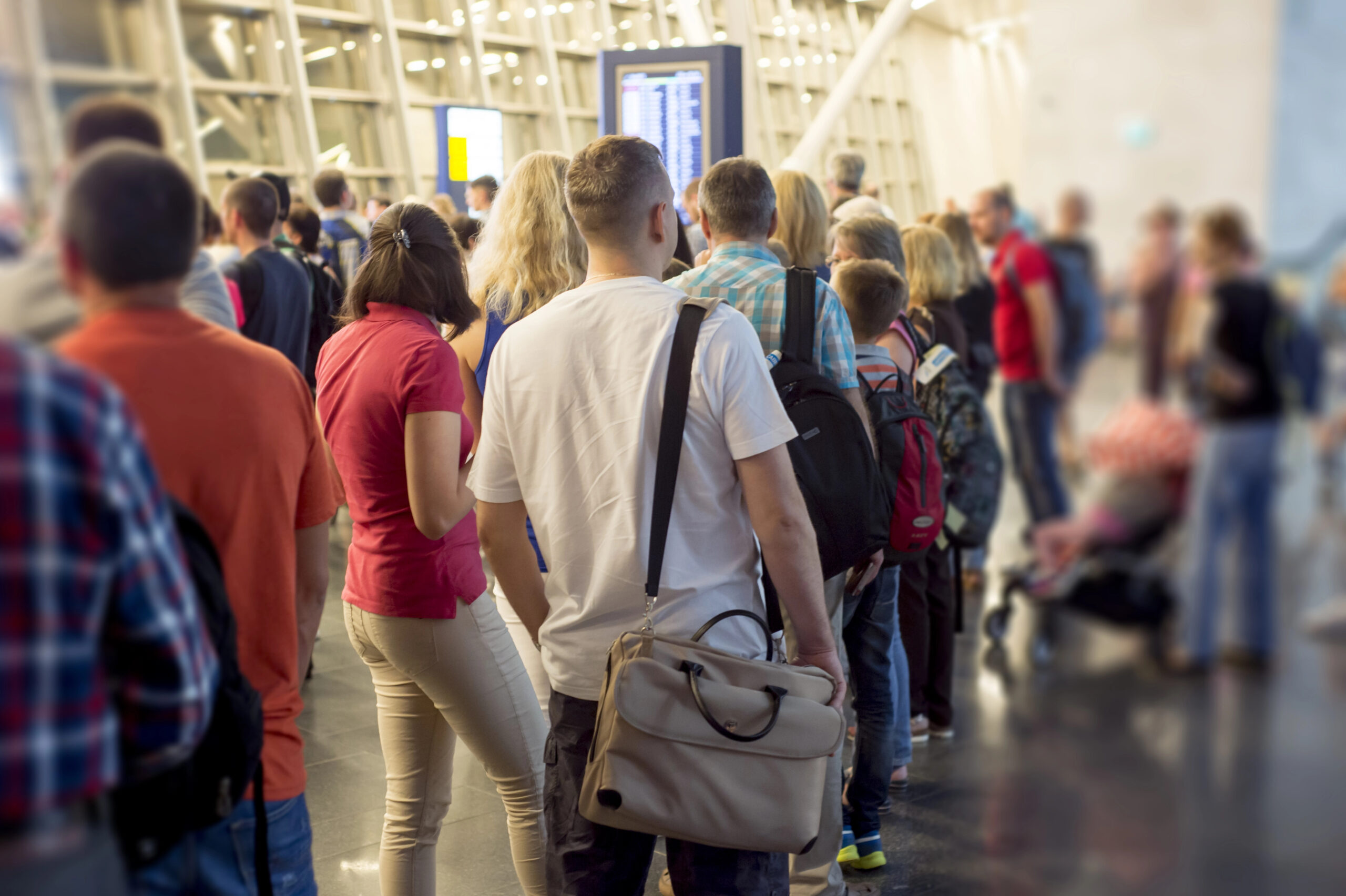
First and foremost, gate-check carry-on decisions revolve around the departure clock rather than visible overhead space. Airlines measure operational success through on-time departures, not passenger convenience at the bin level. Because of this priority, gate agents focus on boarding speed long before bins reach capacity. When passengers pause to lift, rotate, or rearrange carry-ons, aisle movement slows instantly. To prevent compounding delays, agents initiate early bag tagging while boarding flow remains controlled. In short, schedule protection overrides visual bin availability every time.
Overhead Bin Space Is Not Uniform
At the same time, overhead bin space functions unevenly throughout the cabin. Some bins taper toward the rear, while others hold emergency equipment or crew-only gear. For that reason, agents cannot rely on visible gaps to predict whether a roller bag will fit efficiently. As boarding continues, usable space becomes less predictable instead of clearer. Faced with this uncertainty, airlines enforce carry-on control at the gate rather than risk aisle congestion. Early carry-on removal maintains predictable boarding flow.
Late Boarding Drives Gate-Check Carry-On Risk
Boarding Order Matters More Than Bin Appearance
Not surprisingly, gate-check carry-on risk increases sharply for late boarding groups. Early passengers secure the most flexible and usable bin locations first. Meanwhile, later arrivals encounter gaps that appear open but reject standard roller bags. At the same time, flight attendants face increasing pressure to close aircraft doors on schedule. To maintain momentum, agents tag bags before passengers step onboard. Timing consistently outweighs appearance in gate-check carry-on decisions.
Aircraft Weight and Balance Influence Gate Checks
Beyond boarding speed, gate-check carry-on enforcement also supports aircraft weight and balance planning. Smaller aircraft respond quickly to concentrated cabin weight during full flights. Airlines shift heavier carry-ons into the cargo hold to stabilize loading. This adjustment improves performance margins while simplifying fuel calculations. Gate-side bag checks therefore serve safety as well as efficiency. Even large aircraft apply this logic during heavy-load or weather-sensitive operations.
Crew Workload Shapes Gate-Check Carry-On Choices
Time Pressure Drives Early Enforcement
Equally important, gate-check carry-on practices reflect real crew workload constraints. Flight attendants manage safety checks, passenger concerns, and strict timelines simultaneously. Reducing overhead congestion early improves cabin control throughout boarding. When duty-time thresholds approach, delays threaten crew legality. Gate agents act early to support compliance and departure integrity. Bag control at the gate protects crews and schedules alike.
Courtesy Gate-Check Language Masks Enforcement
On the surface, airlines describe a gate-check carry-on as a courtesy. In reality, the decision becomes final once tagging begins. For that reason, passengers should not expect reversals at the aircraft door. The wording exists to soften confrontation rather than invite negotiation. Arguments increase stress while shrinking departure margins. Understanding this language helps travelers interpret gate announcements accurately.
Empty Bins After Boarding Cause Confusion
After boarding, passengers often question gate-check carry-on decisions when they notice empty bins. Early bag removal reshapes cabin dynamics before boarding finishes. Some bins appear open because their shape rejects roller bags. Crew-reserved storage may also remain unused after door closure. These visuals do not reflect earlier operational risk assessments. The disconnect explains frustration without indicating an error.
Reducing Overhead Bin Demand with Wearable Carry-On Storage
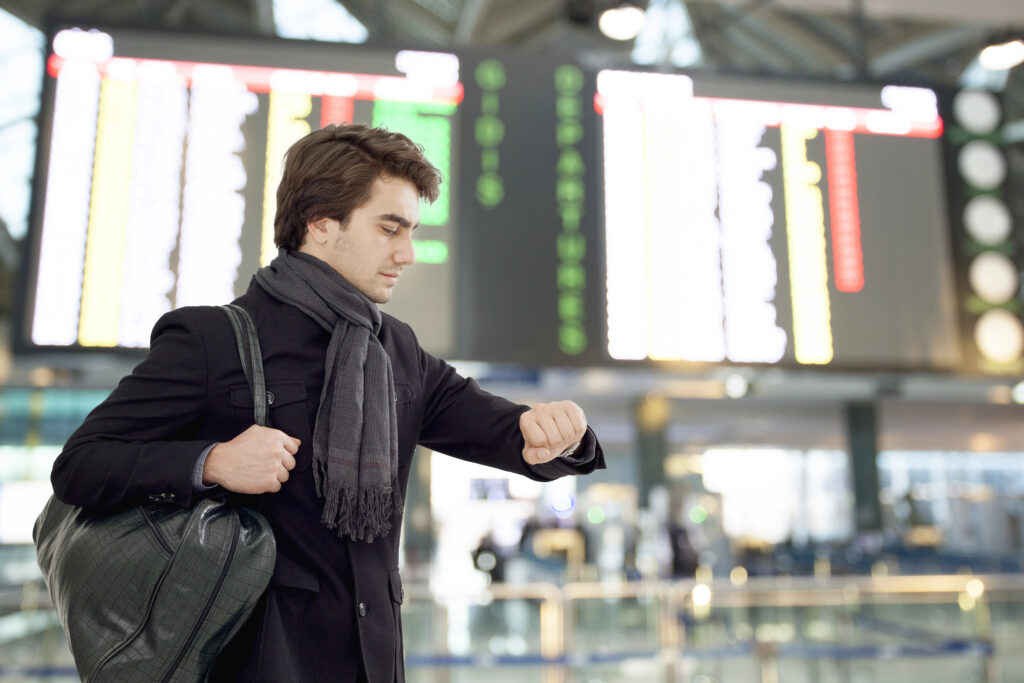
Because gate-check carry-on decisions often stem from overhead congestion and boarding delays, reducing reliance on bin space matters. Travel vests with multiple pockets allow passengers to keep dense, essential items on their person, which lightens carry-ons and improves bin compatibility during boarding. By shifting weight and volume off the bag and onto the traveler, this approach can lower the chance that a carry-on triggers early gate tagging without violating airline rules. Please see the Airport News Now Article, Travel Vests for Carry-On – How to Carry-on more Carry-on, where we take a look at wearable carry-on items.
Gate-Check Carry-On Triggers, Likelihood, and Traveler Resolution
| Reason for Gate-Check Carry-On | Why It Matters Operationally | Likelihood | What the Traveler Can Do |
|---|---|---|---|
| Late Boarding Group | Slows aisle movement and disrupts boarding flow | Very High | Board as early as your fare allows and stay near the gate |
| Full or Nearly Full Flight | Intensifies competition for usable bin space | Very High | Consolidate items into one structured carry-on |
| Regional Jet Aircraft | Smaller bins reject standard roller bags | Very High | Use soft-sided or low-profile bags |
| Tight Turnaround Time | Leaves no buffer for cabin delays | High | Position yourself early and board promptly |
| Crew Near Duty Limits | Threatens legal departure times | High | Choose earlier flights in the day |
| Heavy Cabin Load | Complicates aircraft balance planning | High | Shift dense items to checked baggage |
| Overhead Bin Constraints | Tapered or blocked bins reduce usability | Medium | Store bags wheels-first and comply quickly |
| High Roller-Bag Volume | Uniform bags limit stacking flexibility | Medium | Select slimmer bags that stack efficiently |
| Late Aircraft Arrival | Compresses boarding timelines | Medium | Prepare for rapid boarding with items ready |
| Boarding Door Congestion | Crowding stalls movement immediately | Medium | Keep documents ready and avoid reorganizing |
| Crew Equipment Storage | Safety gear occupies protected space | Low–Medium | Place smaller items under the seat |
| Route Delay History | Prompts proactive enforcement | Low | Follow size rules precisely to avoid attention |
Airline Carry-On Policies That Drive Gate-Check Decisions
American Airlines
American Airlines enforces carry-on size and boarding group rules to protect on-time performance. Gate-check carry-on actions increase on full flights and short turnarounds. Regional aircraft create higher enforcement due to smaller bins. Agents act early when aisle congestion threatens door closure. Most gate checks appear as complimentary but remain operationally mandatory. Official American Airlines carry-on policy
Delta Air Lines
Delta prioritizes smooth boarding flow and cabin readiness. Gate-check carry-on enforcement rises when overhead congestion slows movement. Early intervention protects departure reliability. Late boarding groups face higher risk even with visible bin space. Crew coordination drives early tagging decisions. Official Delta Airlines carry-on policy
Southwest Airlines
Southwest allows generous checked baggage yet still enforces carry-on limits. Open seating increases bin competition during busy boarding. High roller-bag volume raises gate-check frequency. Short turnarounds trigger early intervention. Smaller aircraft amplify bin constraints. Official Southwest Airlines carry-on policy.
United Airlines
United enforces boarding hierarchy to manage bin demand. Gate-check carry-on actions increase for Basic Economy and late groups. Tight connections raise early enforcement levels. Regional jets present consistent bin challenges. Agents intervene before congestion escalates. Official United Airlines carry-on policy.
Final Takeaway on Gate-Check Carry-On Reality
Ultimately, gate-check carry-on outcomes prioritize system stability over individual convenience. Airlines focus on time control, crew legality, and predictable departures. Operational necessity overrides policy language at the gate. Once travelers understand this framework, expectations reset naturally. Frustration remains understandable, yet the logic stays consistent. In airport operations, carry-on gate checks follow necessity every time.