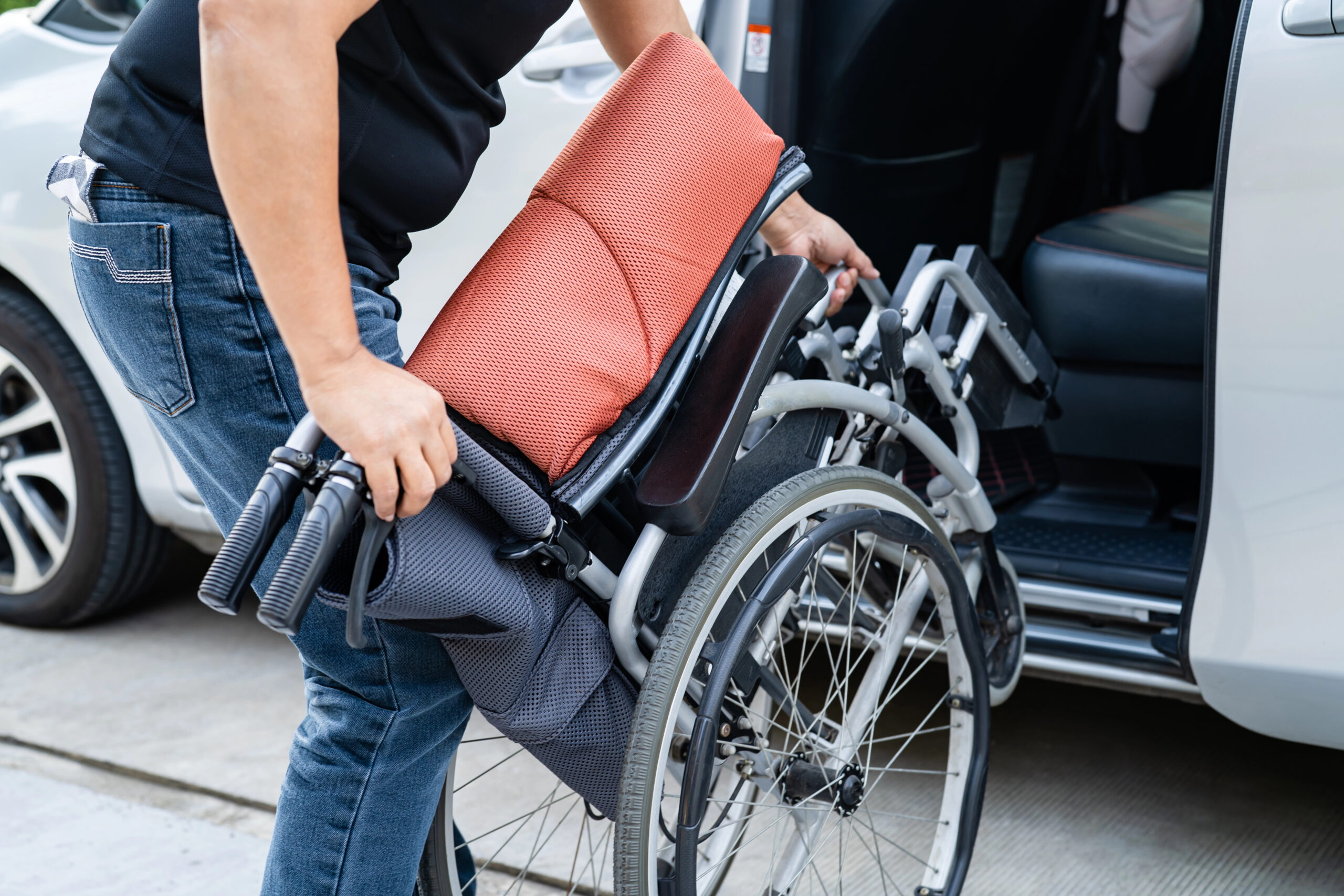
Flying with a folding wheelchair sounds simple until the airport forces you to make fast decisions about what stays with you and what disappears into the baggage system. Even when airline staff helps, you still deal with TSA screening, gate changes, and tight boarding windows. At the same time, most problems don’t come from the folding wheelchair frame itself. Instead, the problems usually come from small items that support everyday comfort, stability, and routine. Because of that, the smartest way to pack is to build a clear carry-on plan and a clear checked-bag plan before you leave home. This article breaks down what belongs in each category so you can get through the airport day with fewer surprises.
The Core Rule: Keep the Essentials Under Your Control
A reliable packing strategy for a folding wheelchair starts with one simple idea: keep control of anything you might need before you reach baggage claim. In other words, if an item would cause a major disruption if it got delayed, you keep it close. Although airports handle mobility equipment every day, the process still includes multiple handoffs and fast decisions behind the scenes.
As a result, small accessories can get separated from the chair more easily than travelers expect. Therefore, it helps to split your setup into two groups before you even step into the terminal. One group covers the folding wheelchair frame and major components, while the other group covers the items you want within reach during the airport day.
What to Carry on When Flying with a Folding Wheelchair
To begin with, your carry-on should hold the items you might need quickly while you move through the terminal. For example, many travelers keep removable parts, compact accessories, and small hardware pouches close by instead of burying them in checked luggage. Next, keep any important paperwork easy to reach so you can answer questions without digging through bags at the counter.
In addition, it helps to carry a simple information card with your name and contact details in case staff needs to handle your chair quickly. Likewise, many travelers keep a few comfort and routine items accessible during long waits at the gate. Overall, a strong carry-on plan reduces stress because you don’t depend on the baggage system to stay functional.
What to Avoid Checking (So You Don’t Get Stuck on Arrival)
Put simply, checked luggage works great until you need something before you reach baggage claim. More importantly, once you hand over a checked bag, you lose access to it for the rest of the airport process. Because of that, you should avoid checking anything that would immediately cause problems if it arrived late. Likewise, anything you may need during a long delay or unexpected schedule change should stay with you. On top of that, tight connections and busy travel days increase the risk of checked bags arriving later than planned. So if you would feel stuck without an item at arrival, keep it in your carry-on plan instead of checking it.
What You Can Check Without Creating Problems
Checked luggage works well for replaceable items and basic travel essentials. For instance, you can check clothing, extra shoes, and standard toiletries without turning your trip into a problem. Similarly, you can check backups that support convenience rather than immediate access. In addition, duplicates and secondary comfort items fit well in checked bags because they reduce carry-on bulk. That said, you still want to pack checked items with delays in mind, especially during peak travel seasons. Ultimately, checked luggage should support the trip, while your carry-on plan protects what you need during the airport day.
Mobility Device Protection Starts with Carry-On Control

Mobility device protection starts with what you control, because airports move wheelchairs through quick handoffs where small items can shift or disappear. That’s why travelers get better results when they secure removable components and keep critical gear organized and easy to access. Just as importantly, TSA screening goes smoother when you don’t bury essentials in checked baggage. In this article from Airport News Now “Mobility Device Protection: How to Handle Airport Mishandling” We take a look at products to protect your mobility device while traveling
Battery and Power Notes (Keep It Simple and Airline-Friendly)
If your mobility setup includes a removable battery system or powered components, you should review the basics before travel day. In general, airlines and regulators treat lithium batteries differently than standard luggage items. Because of that, removable battery equipment and spare lithium batteries often require carry-on handling instead of checked baggage. Additionally, you should protect battery terminals and store batteries safely to avoid trouble at check-in or screening. FAA PackSafe outlines wheelchair and mobility aid guidance in plain language so you can plan correctly without guessing. Please see PackSafe – Wheelchairs and Mobility Devices | Federal Aviation Administration for more essential information.
TSA Folding Wheelchair Screening Guidance
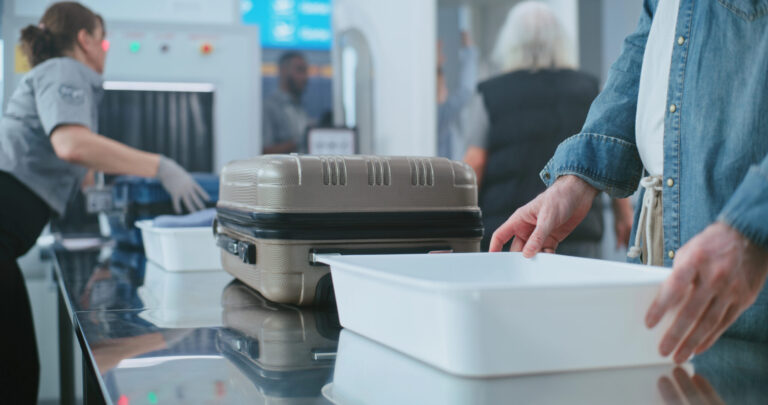
TSA provides guidance for travelers who bring mobility devices through the checkpoint. As a result, it helps to review the basics ahead of time so screening feels predictable instead of stressful. For example, TSA outlines what travelers should expect when screening wheelchairs and mobility aids at airports. In addition, TSA explains how it handles assistive equipment and special procedures during the checkpoint process. Therefore, reading the official guidance can help you pack smarter and avoid surprises at the belt.
Airplane Seat Comfort: Quick Comfort Fixes for Mobility Travelers
If you travel with a folding wheelchair, you already know the airport day involves long sitting stretches in gate areas, shuttle buses, and aircraft cabins. Therefore, improving airplane seat comfort matters just as much as keeping your mobility gear organized. A supportive seat cushion reduces pressure buildup in the hips and tailbone, while lumbar support helps prevent slouching that leads to back stiffness. As a result, small comfort upgrades can make the airport process easier to manage, especially during delays, tight connections, and long-haul flights. In this Article from Airport News Now, “Airplane Seat Comfort: Survive Long Flights Better” Where we discuss four effective product solutions to provide better seat comfort for your flight.

Folding Wheelchair Rules to Check Before You Fly
Even with a solid packing plan, each airline handles mobility equipment a little differently. Therefore, you should confirm your airline’s mobility assistance rules before you arrive at the airport.
American Airlines
Special assistance − Travel information − American Airlines
United Airlines
Wheelchair Assistance and Mobility Services | United Airlines
Southwest Airlines
Wheelchair Assistance at the Airport | Southwest Airlines
Delta Airlines
Wheelchairs, Scooters & Assistive Devices | Delta Air Lines
Final Takeaway
Flying with a folding wheelchair gets easier when you pack with control and consistency. First, decide what you might need access to during the airport day, not just at your destination. Next, keep your most important folding wheelchair items and paperwork within reach so you don’t depend on the baggage system. After that, use checked luggage for replaceable backups and travel basics that won’t derail your day if delayed. In the same way, review TSA guidance and FAA battery rules ahead of time so check-in and screening go smoother. When you follow these packing rules, your entire airport experience feels more manageable and far less stressful.