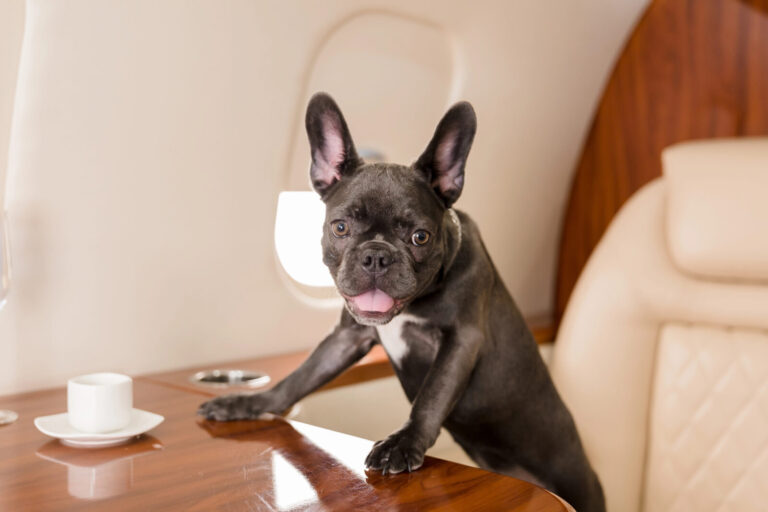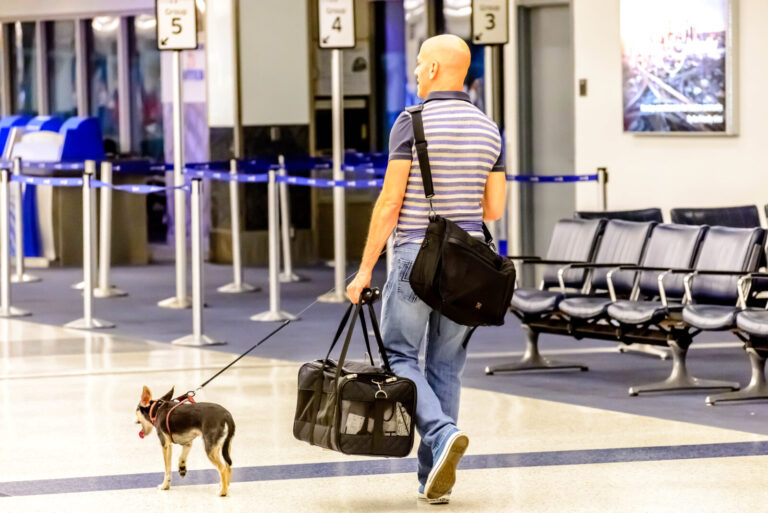
Travelers often underestimate how much extra time airlines need for animals. Thus, early Pet Arrival gives staff time for documents and carrier checks. Airlines add steps beyond standard passenger check-in. These steps include health review and transport compliance. Therefore, early arrival reduces missed flights and denied boarding.
Airline Check-In Runs Smoother with Early Pet Arrival
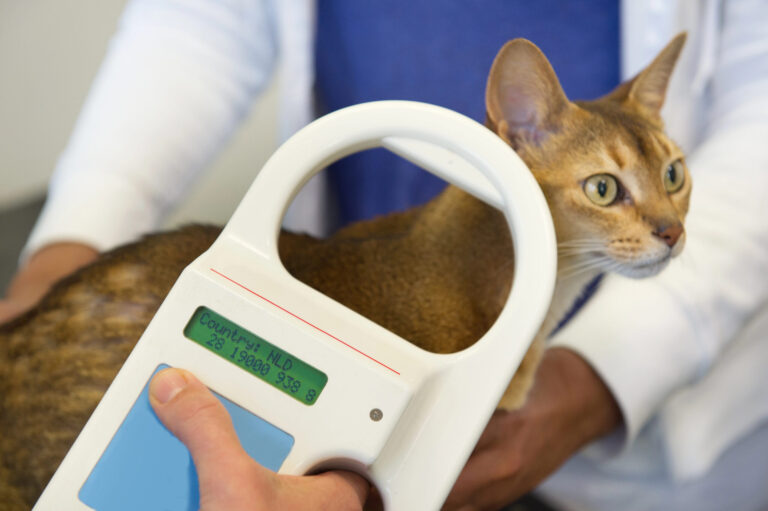
Airline staff confirm each animal meets safety and health standards. Consequently, staff inspect carriers for size, ventilation, and structure. Agents review vaccination records and destination entry rules. These checks require trained personnel and steady time. Early Pet Arrival lets staff solve problems before departure pressure hits.
Airport Navigation Becomes Easier When You Allow Extra Time
Many airports require pet check-in at staffed counters. Some airlines limit animal acceptance to certain locations or hours. Larger animals traveling as cargo may require separate facilities. Travelers often underestimate terminal distances and signage. Consequently, Early Pet Arrival prevents last-minute confusion and rushed decisions.
Security Screening Takes Longer When You Travel with Animals
Security adds steps beyond normal passenger processing. Travelers must remove the pet from the carrier. Officers send the carrier through X-ray equipment. Officers may perform extra checks if alarms trigger. Early Pet Arrival reduces stress and keeps you ahead of delays.
TSA Guidance for Screening Small Pets
Review official procedures before you leave home. Preparation reduces surprises and keeps everyone calmer. Follow officer instructions and maintain control of the pet. Be sure to check out Small Pets | Transportation Security Administration for direct guidance from the TSA for traveling with small pets.
Pet Tracking Devices Add an Extra Layer of Security
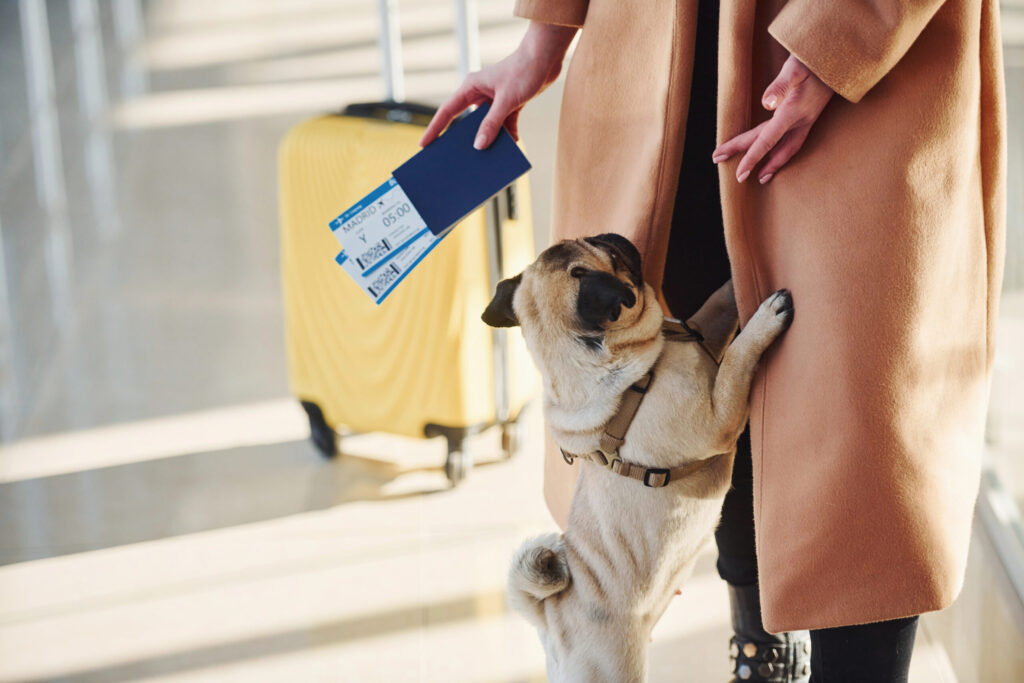
Even with careful timing and proper procedures, travelers still worry about losing sight of their animal during transit. Small GPS or Bluetooth trackers placed on a collar or carrier allow owners to confirm location if separation occurs in terminals, cargo facilities, or unfamiliar environments. These devices provide reassurance during check-in, transfers, and baggage handling periods when pets move out of view. As a result, tracking technology complements early arrival by reducing anxiety and improving situational awareness throughout the journey. Please see the Airport News Now Article “Pet Tracker Travel Picks: 4 Best Options for Layered Security“ for a detailed look at devices that help maintain visibility and control when traveling with animals.
Animal Welfare Checks Benefit from Early Pet Arrival
Airlines evaluate environmental conditions before accepting animals. Staff monitor temperature and weather for cargo safety. Pets may need water or relief before boarding. Early Pet Arrival gives time for welfare needs and calm handling. As a result, airlines reduce last-minute rejection risk.
Limited Cabin Capacity Makes Early Processing Critical
Airlines limit the number of cabin pets per flight. Reservations hold a slot, but staff confirm compliance at check-in. If a carrier fails inspection, the slot may not transfer. Gate agents cannot exceed safety limits after boarding starts. Early Pet Arrival protects your chance to keep the reservation.
Cargo Handling Works Best with Early Pet Arrival
Cargo pets follow strict timelines designed for safety. Ground crews move animals to climate-controlled holding areas. Crews coordinate timing to limit tarmac exposure. Late delivery disrupts the sequence and increases removal risk. Early Pet Arrival places the animal into the process on time.
Connections Increase Risk Without an Early Start
Connections require transfers within tight operational windows. Staff must unload, transport, and secure the animal again. Some routes require extra inspections during transfer. Delays at origin can cascade across every segment. Starting early improves reliability and reduces missed connections.
Reduced Stress for Animals and Owners
Airports overwhelm animals with noise, odors, and motion. Anxiety rises when handling feels rushed. Early Pet Arrival allows a slower pace and calmer behavior. Calm pets reduce risk of escape or injury. Owners also benefit from better focus and control.
When Timely Arrival Is Not Possible
Traffic and logistics sometimes ruin your schedule. Notify airline staff immediately when you reach the counter. Ask what options they can offer under current conditions. Staff must still follow safety requirements and rules. Preparation and calm communication can still limit disruption.
Regulations Reinforce the Need for Early Pet Arrival
Animal transport involves federal rules and airline requirements. Review official guidance before travel and confirm destination restrictions. The DOT provides consumer information about traveling with animals. The CDC explains import rules for animals entering the United States. Early Pet Arrival helps you meet these compliance steps.
Bottom Line: Early Pet Arrival Protects Your Travel Plans
Flying with animals requires extra coordination and time. Documentation checks, carrier inspections, and welfare reviews add complexity. Early Pet Arrival provides buffer for problems and corrections. Late arrival compresses steps and increases failure risk. Early arrival remains the most reliable strategy for success.