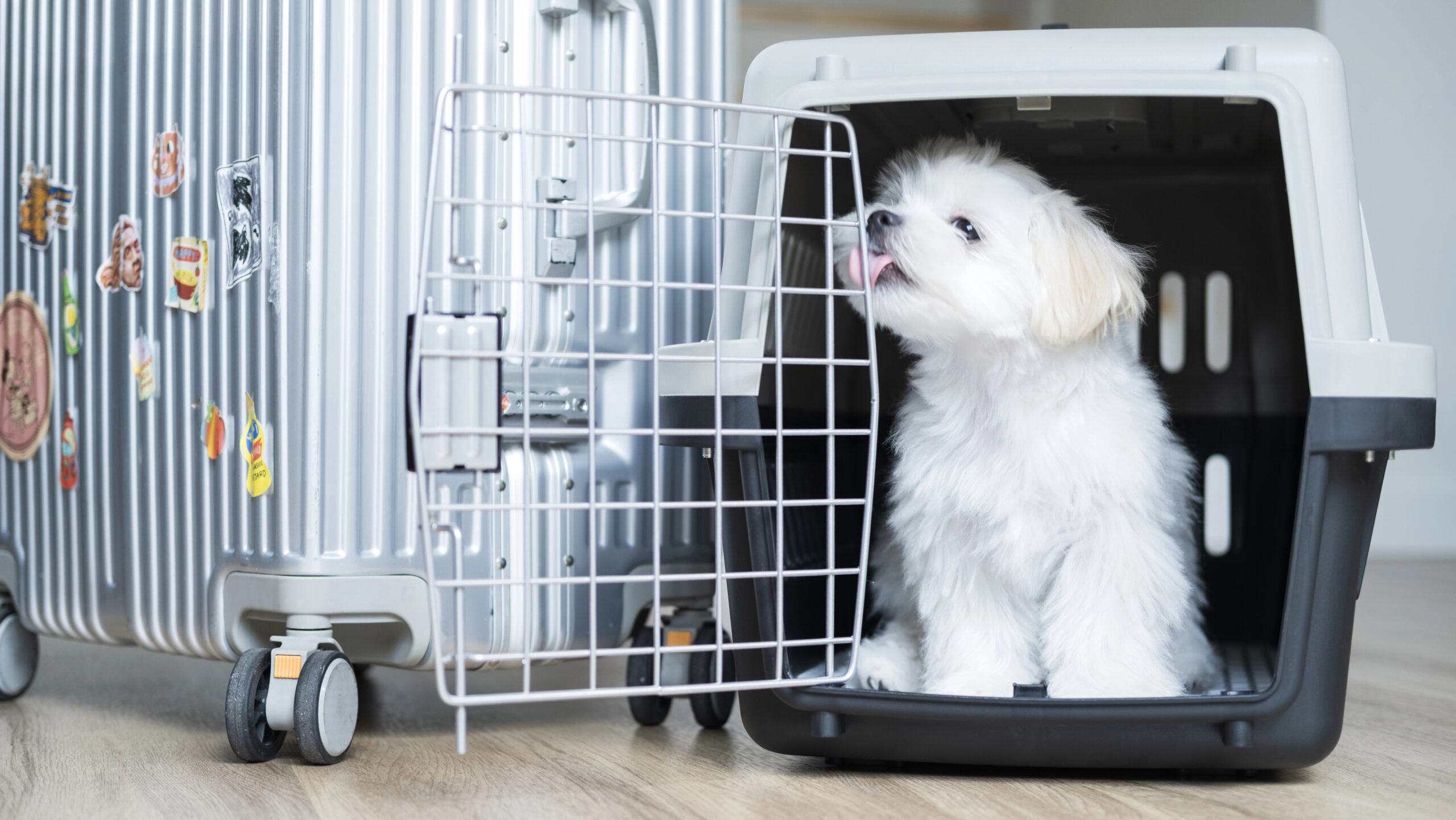
Flying with your dog when your pet is in a dog crate sounds simple when you picture the crate at home, cleaned up and ready to go like a travel container you can just “check in.” However, airports do not handle live animals like normal luggage, because the airline must protect the animal, the crew, and the operation. In reality, a dog when crated, moves through a separate chain that involves manual handling, cargo staging, ramp carts, and controlled loading procedures.
At the same time, airline rules vary widely, so one airline may support your plan while another shuts it down instantly. Additionally, travelers often confuse pet travel rules with service dog rules, which creates problems at the ticket counter and turns a normal travel day into a total mess. Meanwhile, cabin space limitations eliminate most large dog options on many carriers. Ultimately, the airline choice matters more than the crate brand, because the wrong airline cannot accept the trip at all.
Flying with a Dog Crate: why airline policies break plans fast
Flying with a dog crate becomes a rule-driven process the moment you try to book, because airlines decide early whether your plan fits their system. Consequently, you cannot rely on “I’ll work it out when I arrive,” because counter agents must follow published policy, not personal preference. Additionally, airlines separate pet travel into cabin carriers and cargo-based transport, and large dogs almost always trigger the cargo side when it exists.
Even so, pet travel in the cargo hold does not mean the same thing everywhere, because some airlines support it directly while others do not support it for the public at all. Therefore, the smartest move is to verify your airline’s dog crate rules before you spend money on flights, hotels, or ground transport. In short, early clarity prevents late disaster.
Sources:
- Southwest Pet Policy: https://support.southwest.com/helpcenter/s/article/pet-policy
- United Traveling with pets: https://www.united.com/en/us/fly/travel/traveling-with-pets.html
- American Airlines Pets: https://www.aa.com/i18n/travel-info/special-assistance/pets.jsp
- Delta Shipping Your Pet: https://www.delta.com/us/en/pet-travel/shipping-your-pet
Distinguishing between dog crate regulations and service dog guidelines: keep these categories separate
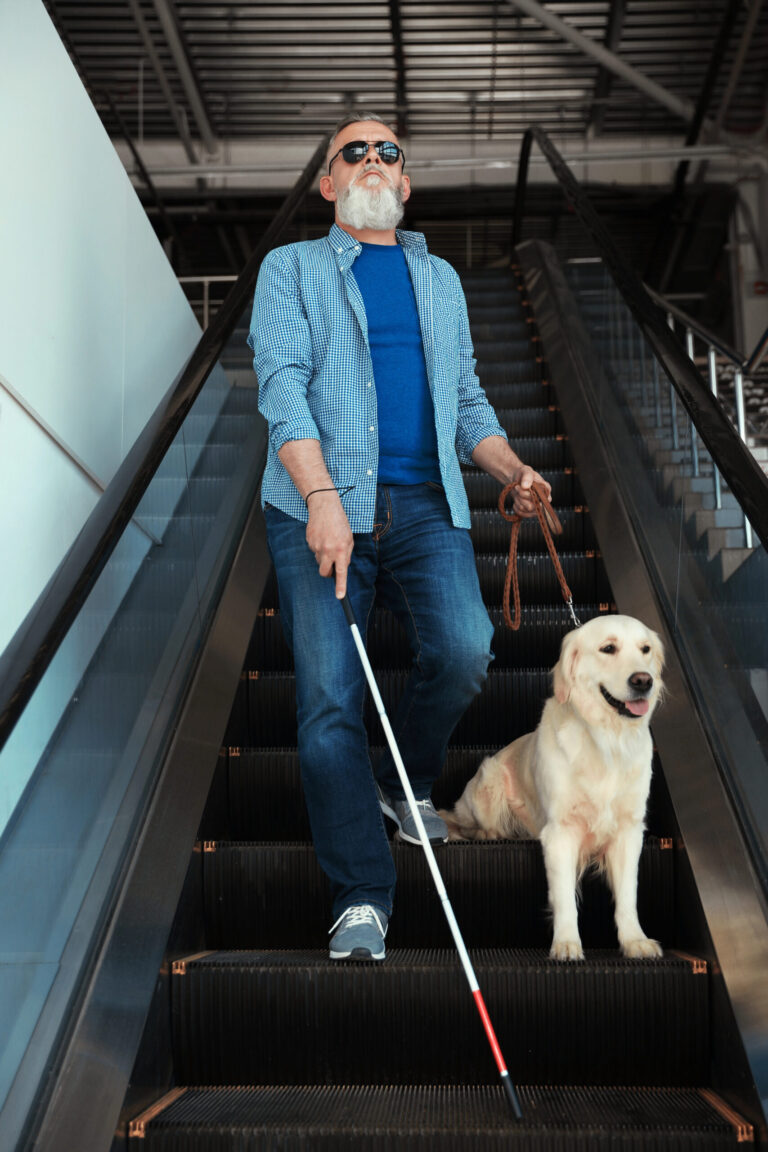
Dog crate rules apply to pet travel, while service dog rules follow a separate legal framework, and that distinction matters immediately. Specifically, airlines treat pets as optional transport with size limits, fees, and restrictions, so large pets often require cargo-based options when available. In contrast, a trained service dog performs disability-related tasks and travels under DOT expectations rather than normal pet add-ons.
Nevertheless, service dog travel still requires structure, because airlines expect safe behavior, controlled movement, and proper documentation. As a result, travelers cannot label a pet as a service dog simply to bypass dog crate rules, because airlines can require DOT forms and deny noncompliant travel. Ultimately, you need the correct category from the start, because that choice controls everything that follows.
Source:
Dog Crate Options That Match Real Airline Handling
Check out this Article by Airport News Now about Dog Crate Travel Picks where we guide travelers toward practical dog crate choices that match real airline handling instead of “pet store assumptions.” It highlights four airline-ready crate options, including heavy-duty plastic kennels and a rolling crate that helps with curb-to-counter movement. In addition, it reinforces the importance of correct sizing, secure doors, and stable construction, since a weak dog crate can fail during manual cargo staging and ramp transport. Finally, it keeps the focus on making dog crate travel smoother by choosing equipment that fits both your dog and the airline’s requirements before travel day.
Airline Comparison Table: Dog Crate Rules for Pets Flying as Cargo
Airlines sort large pet travel into “supported” and “not supported” categories quickly, because dog crate transport changes staffing, ramp handling, and aircraft constraints. Therefore, this table shows what actually happens when you try to fly with a large pet in a dog crate. Notably, Southwest supports small in-cabin pets, yet it does not support large dog crates through a cargo program.
Similarly, United supports small in-cabin pets, but it does not offer the pet cargo pathway many travelers still assume exists. Meanwhile, American and Delta still provide workable cargo-based routes for large pets on eligible routes, although they enforce strict dog crate rules. Finally, every airline supports service dogs as a separate category, but each carrier still expects correct paperwork and solid behavior in the cabin.
Quick Policy Snapshot (Fast + Useful)
| Airline | Large Pet Dog + Dog Crate | Cargo Hold Option for Large Pets? | Small Pet in Cabin | Service Dogs Allowed? | What This Means |
| Southwest | Not supported | No | Yes | Yes | Works for small pets + service dogs only |
| United | Not practical for public | Generally No | Yes | Yes | Most large dog crate plans fail here |
| American | Supported via cargo | Yes | Yes | Yes | Cargo program controls approval |
| Delta | Supported via cargo | Yes | Yes | Yes | Published crate rules make planning easier |
Sources:
- Southwest Pet Policy: https://support.southwest.com/helpcenter/s/article/pet-policy
- United Traveling with pets: https://www.united.com/en/us/fly/travel/traveling-with-pets.html
- American Airlines Pets: https://www.aa.com/i18n/travel-info/special-assistance/pets.jsp
- Delta Shipping Your Pet: https://www.delta.com/us/en/pet-travel/shipping-your-pet
Southwest Airlines
Southwest pet carrier vs dog crate: what you can and cannot bring
Southwest allows pets in the cabin inside a carrier, which means Southwest focuses on under-seat containment rather than large dog crate handling. Consequently, large dog owners hit a hard limit because a full-size dog crate cannot fit inside the cabin space. Furthermore, Southwest keeps pet travel simple by restricting pet travel to small animals that remain contained and controlled during boarding. On top of that, Southwest does not offer a public cargo pathway for large dog crate transport, so travelers cannot ship large dogs through Southwest as cargo pets. As a result, Southwest works as a small-pet airline and fails as a large dog crate airline. Ultimately, if your dog requires a large crate, you need a different airline.
Sources:
- Southwest Pet Policy: https://support.southwest.com/helpcenter/s/article/pet-policy
- Southwest Airport Information for Pets: https://support.southwest.com/helpcenter/s/article/traveling-with-pets-airport-information
Flying with a dog crate on Southwest: why it does not work for large pets
Flying with a dog crate on Southwest does not work for large pet travel because Southwest does not provide a cargo transport option for large pets. Therefore, travelers cannot check a large dog crate with a live animal the way they might with standard baggage services. Additionally, Southwest’s cabin-only system requires a small carrier that fits under the seat and stays secured throughout the airport process. Moreover, Southwest’s rules keep operations predictable because the airline avoids live-animal cargo logistics entirely for the public. Consequently, large-dog travelers must choose an airline with a defined cargo pathway or switch to ground travel. In the end, Southwest remains excellent for simple travel, yet it does not support large dog crate transport.
Southwest and service dogs: cabin travel without a dog crate
Southwest allows trained service dogs, and Southwest treats service dog travel differently from pet travel with a dog crate. Therefore, Southwest expects documentation handling and controlled behavior in public spaces, because the cabin environment demands safety and order. Additionally, Southwest references presenting the DOT Service Animal form at the ticket counter or gate, which signals real enforcement of the process. Moreover, service dogs travel with the handler in the cabin, so the dog crate conversation disappears for legitimate service dog teams. However, the dog still needs to fit safely in the passenger space without blocking aisles or creating hazards during boarding. Ultimately, Southwest supports service dogs well even though it does not support large pet dog crate transport.
Source:
United Airlines
United pet cargo expectations and the modern dog crate reality
United still allows small pets in the cabin, yet dog crate cargo travel does not operate the way many travelers remember from older programs. Therefore, large dog owners often plan around assumptions that no longer match what United offers to the general public. Additionally, United’s official pet travel page gives the current rules, which makes it the safest reference before you commit money to a route. Moreover, United can still block pet movement based on aircraft type, route limitations, and operational constraints, even when the traveler wants a simple solution. Consequently, a large dog crate plan usually does not fit United for typical public cargo pet transport. Ultimately, United works best for small in-cabin pets and service dogs, not for large dog crate shipping.
Source:
Flying with a dog crate on United: what travelers should assume
Flying with a dog crate on United works only in narrow scenarios for most travelers, because United does not offer a general public cargo pet option the way people expect. Therefore, travelers should assume United will not support large pet dog crate transport unless the policy and route clearly say otherwise. Additionally, United’s approach forces large-dog travelers to consider other airlines with defined cargo programs or to use professional pet transport services. Moreover, even strong crates do not solve the problem when the airline lacks the pathway to accept the shipment. Consequently, your planning needs to start with airline capability, not with crate selection alone. In the end, United remains a poor match for most large dog crate travel plans.
United service dog travel: control matters more than equipment
United allows trained service dogs under DOT rules, so the service animal travels in the cabin with the handler rather than inside a dog crate. Therefore, cargo restrictions do not automatically block service dog travel, because service dogs follow a different process entirely. Additionally, the DOT form establishes behavior and training expectations, which helps airlines maintain consistency across flights. Moreover, airports create stress through crowds and narrow aisles, so service dog teams need discipline and calm behavior. Consequently, the handler must control the dog at all times and prevent disruption in gate areas and boarding lines. Ultimately, documentation and behavior protect the trip more than any equipment does.
American Airlines
American Airlines dog crate travel: cargo becomes the main path
American Airlines allows pet travel, yet large dogs rarely fit cabin pet rules because cabin pet rules revolve around small carriers under the seat. Therefore, American directs many large pet situations toward American Airlines Cargo services based on size, route, and operational limits. Additionally, American’s pet page explains that pets can travel carry-on or through cargo depending on breed and size, which helps travelers avoid guessing. Moreover, American’s cargo pathway gives large dog owners a realistic option compared to airlines that offer only cabin carriers. Consequently, travelers should treat American’s large pet travel as a defined cargo procedure with strict compliance requirements. Ultimately, American can work well for large dog crate trips when travelers follow the published rules from the start.
Sources:
American Airlines dog crate rules for flying: what gets approval
American Airlines Cargo sets kennel standards because cargo handling requires containment, ventilation, and crate durability throughout ramp operations. Therefore, American requires rigid crate construction using materials such as rigid plastic, metal, or wood. Additionally, American requires leakproof and escape-proof design features, because even small failures can become serious incidents on the ramp. Moreover, American requires appropriate ventilation on multiple sides, and those ventilation requirements tighten for international shipments. Consequently, travelers should treat the dog crate like safety gear rather than travel luggage, because the crate becomes the animal’s controlled space during transport. Ultimately, the correct crate prevents counter rejection and protects the dog during handling and loading.
American service dog rules: documentation beats arguments every time
American allows trained service dogs and expects travelers to follow service animal requirements rather than pet dog crate policies. Therefore, travelers should review American’s service animal guidance before travel day and avoid surprises at check-in. Additionally, the DOT service animal form supports consistent handling and sets the baseline expectations for behavior and training. Moreover, service dog travel requires calm control in tight public areas, because cabin space and boarding flow leave no room for chaos. Consequently, service dogs travel in the cabin and avoid the cargo chain entirely, which reduces risk for legitimate service dog teams. Ultimately, preparation wins and arguments lose.
Delta Airlines
Update:
Delta Airlines currently has a temporary embargo on pets traveling in cargo. At the time of the writing of this article, Delta has a current temporary embargo on pets traveling in cargo. Please be sure to check the following link below for updates on the temporary pet embargo. There are exceptions for US Military and State Department Foreign Service Officers which are discussed in the link below.
Shipping Your Pet | Delta Air Lines
Delta dog crate requirements for cargo flights: the clear written standard
Delta supports in-cabin pet travel for small pets, yet large pets often require Delta’s cargo shipping pathway. Therefore, Delta tells travelers to follow crate standards aligned with safe animal transport expectations rather than casual pet carrier rules. Additionally, Delta states that the dog crate must allow the animal to stand, sit upright, lie down, and turn around comfortably. Moreover, Delta Cargo provides a clearer written framework for large pet transport than airlines that do not publish strict guidance. Consequently, Delta often becomes a realistic choice for large dog crate travel when the route supports cargo shipping. Ultimately, Delta works best when travelers treat the crate rules as fixed requirements, not flexible suggestions.
Source:
Airline approved dog crate: what airlines actually expect
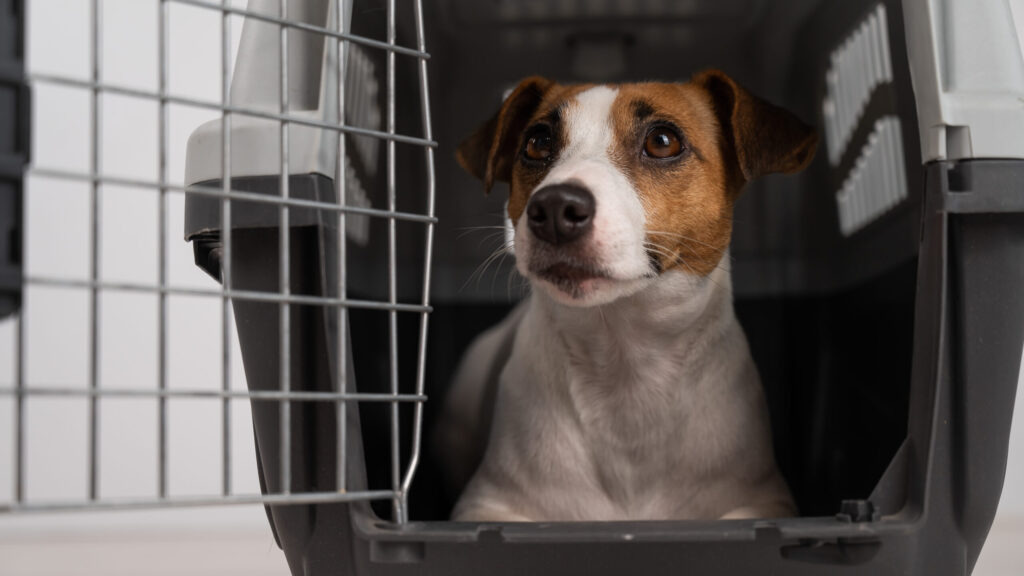
An airline approved dog crate needs more than a brand label, because airlines care about safety features, not marketing language. Therefore, the crate must provide durable walls, secure doors, and hardware strong enough to prevent escape during loud and stressful handling conditions. Additionally, the crate must provide proper ventilation, because airflow keeps the animal safer during staging and transport. Moreover, the crate must be large enough for the animal to stand, turn, and lie down naturally, because cramped crates increase stress and risk. Consequently, the best planning approach is to build your crate choice around published cargo standards from airlines like American and Delta rather than buying a random crate and hoping for approval. Ultimately, a strong crate gives you the best odds of acceptance and safe movement.
Source:
What a dog crate experiences on the ramp (the real handling chain)
A dog crate never rides a baggage conveyor system, because airlines handle live animals through manual, controlled processes designed for safety. Therefore, the dog crate typically moves through cargo acceptance areas, staging zones, and ramp carts rather than baggage belts and sortation systems. Additionally, ground crews use tugs, dollies, and cargo loaders to position the crate for loading, which creates vibration and noise that the dog will notice. Moreover, delays matter more than flight time sometimes, because the crate can spend time staged before loading depending on operations and timing. Consequently, crate quality matters because the crate must stay stable and secure through movement, handling, and changes in environment. Ultimately, airlines with defined cargo rules reduce risk because they build procedures around predictable handling and controlled loading.
Final Thoughts: Choosing the best dog crate for cargo travel depends on airline requirements
The best dog crate for flying cargo won’t save your trip if you choose an airline that does not support large pet cargo in the first place. Therefore, you should pick the airline first, confirm the pathway, and then match the dog crate to the strictest published standards you can find. Next, you should treat crate rules like aviation safety rules, because airlines enforce them hard and fast. Additionally, you should avoid airlines that only support small in-cabin carriers if your dog needs a full crate, because you cannot negotiate your way into extra space. Moreover, you should separate pet rules from service dog rules every time, because the two categories follow completely different expectations. Ultimately, American and Delta typically give the clearest cargo pathways, while Southwest and United usually work better for small pets or service dog travel.