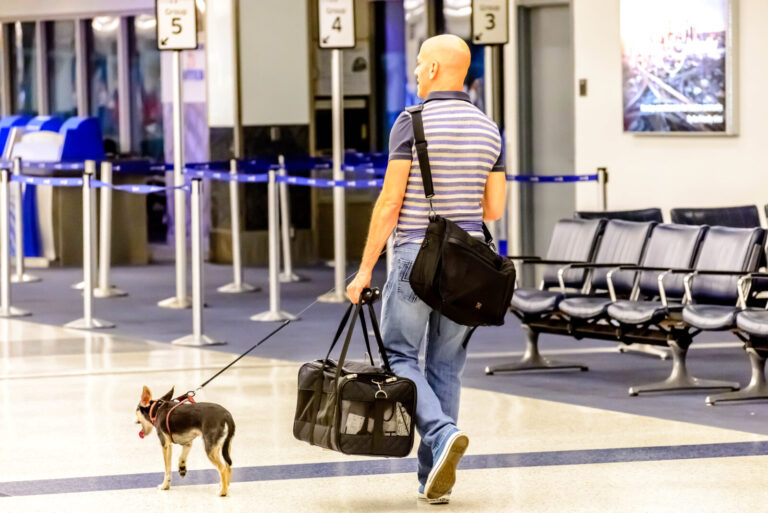
Denied Pet Boarding at the Airport: How It Actually Begins
Denied pet boarding rarely begins with confrontation, even though it often ends that way. Most travelers approach the airport assuming the pet approval process is already settled once a reservation exists. In reality, airlines treat pet acceptance as conditional until the final physical inspection and documentation review occur at the airport. Staff typically identify compliance failures before security, long before emotions escalate. Recognizing that denied pet boarding is a procedural decision—not a discussion—helps travelers pivot faster when the process stops.
Why Airlines Refuse Boarding to Pets
Airlines refuse pet boarding because pet transport intersects with safety regulations, aircraft design, and international compliance rules. Unlike passenger disputes, these rules leave little room for interpretation or exception. Airline employees enforce policies written to cover turbulence, diversions, emergency evacuations, and liability exposure. Once staff identify a violation, they act to remove uncertainty rather than accommodate individual circumstances. Understanding this framework explains why refusals feel abrupt and final.
Denied Pet Boarding at the Check-In Counter
Most denied pet boarding incidents occur at the ticket counter, where all requirements converge at once. Agents simultaneously verify carrier dimensions, animal posture, health certificates, reservation notes, and cabin availability. Any single failure triggers immediate revocation of approval, regardless of how minor it appears to the traveler. Counter agents cannot override system-locked decisions, even when flights are lightly booked. Once the airline records the denial, escalation becomes impossible at the local level. Please be sure to see Flying with Pets | Federal Aviation Administration for more information about traveling with pets.
Pet Travel Documents: The Most Common Reason Boarding Gets Denied

As denied pet boarding often results from missing or incorrect paperwork, documentation failures remain one of the fastest ways a trip unravels at the airport. In many cases, travelers overlook health certificate timing, vaccination alignment, or destination-specific import rules until check-in verification begins. Moreover, airlines enforce these requirements strictly because they mirror government entry and quarantine regulations, not discretionary policy. Please see the Airport News Now article “Pet Travel Documents: What You Need to Know” for a detailed breakdown of the paperwork required to keep pet travel approvals intact.
Denied Pet Boarding at the Gate
Gate-level denials occur less frequently but carry the same finality. In these cases, staff focus on visible animal behavior rather than paperwork. Excessive vocalization, signs of distress, or failure to remain fully contained introduce safety concerns that airlines cannot ignore. Crews must assume turbulence, aborted takeoffs, and emergency scenarios, not best-case conditions. When behavior adds uncertainty, staff remove the pet from boarding immediately to preserve cabin safety.
Cabin Capacity and Aircraft Limitations
Aircraft design plays a larger role in denied pet boarding than many travelers realize. Cabin airflow, under-seat clearance, and evacuation paths restrict how many animals airlines can safely accommodate. These limitations apply even when pets meet every published requirement. Airlines enforce cabin limits rigidly to avoid regulatory violations and operational risk. As a result, compliance alone does not guarantee boarding approval.
How Cabin Limits Cause Pets to Miss Flights
Airlines cap the number of in-cabin pets per aircraft to preserve ventilation and emergency access. These limits operate strictly on confirmation timing, not loyalty status or fare class. Pets that meet size and documentation rules may still lose approval once the cabin quota fills. Late bookings face the highest denial risk, especially on narrow-body aircraft. Travelers who misunderstand this system often mistake capacity enforcement for unfair treatment.
For more information direct from the airlines, please visit the following links:
- Pets − Travel information − American Airlines
- Traveling with Pets – United Airlines
- Pet Policy | Southwest Airlines
- Pet Travel Overview | Delta Air Lines
TSA-Compliant Pet Travel Gear: How Strollers & Carriers Ease Airport Screening

When travelers prepare for denied pet boarding, not all the obstacles originate from documentation or airline policy — airport gear matters too, especially for small pets. The Airport News Now article compares two TSA-compliant pet travel systems that blend security screening practicality with under-seat airline requirements, noting how detachable carriers and expandable designs affect compliance and comfort. It explains that while some pet strollers offer terminal mobility with removable carriers, simpler soft-sided options focus strictly on cabin-ready dimensions for smoother screening and boarding. Please see the Airport News Now article “TSA Compliant Pet Travel Gear: Airline Approved Pet Strollers for Comparison” for a detailed breakdown of how these travel tools work in real airport environments.
Documentation and Compliance Failures
Paperwork errors remain one of the most common and preventable causes of denied pet boarding. Airlines enforce documentation rules based on government requirements, not discretion. Even small discrepancies invalidate approval instantly. Once staff detect a mismatch, they must deny boarding regardless of intent or explanation. This rigidity surprises travelers who assume agents can “work it out.”
Documentation Problems That Stop Pet Boarding
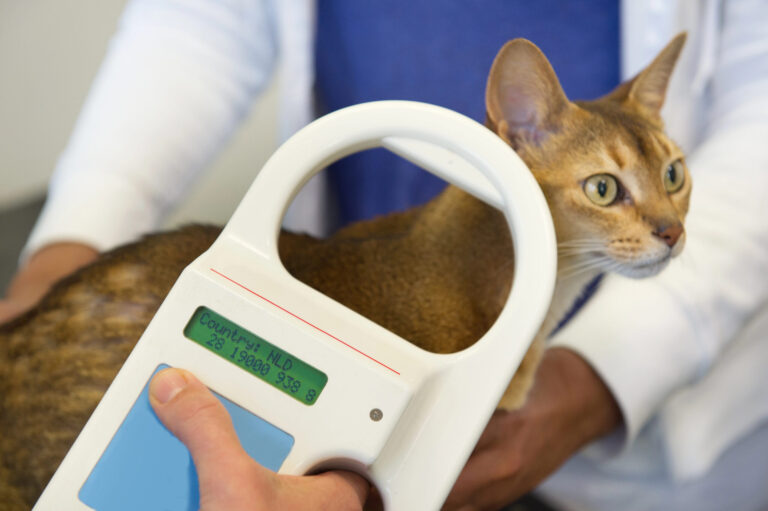
Health certificates must fall within precise validity windows tied to destination regulations. Vaccination records must match exactly, including dates, manufacturer names, and microchip numbers. International itineraries trigger additional scrutiny tied to import and quarantine laws. Airline staff cannot interpret partial compliance or missing information. When verification fails, boarding approval disappears immediately. Please see Pet Travel | Domestic and International Travel With a Pet from USDA APHIS for official U.S. requirements for domestic and international pet travel documentation.
What Happens After Pet Boarding Is Denied
Once an airline denies pet boarding, responsibility shifts entirely to the traveler. Airlines do not provide animal holding areas, kennels, or veterinary assistance. Airport infrastructure does not support stranded animals in secure zones. Travelers must exit screening areas with the pet and resolve transportation immediately. This transition often happens quickly and without guidance.
Immediate Consequences After Airlines Refuse Boarding
After denial, airlines are not obligated to rebook the pet on another flight. Travelers must arrange ground transport, lodging, and pet care independently. Late-day refusals frequently force overnight stays near the airport. Expenses accumulate quickly, especially in major hubs with limited pet-friendly accommodations. Preparation determines whether the situation becomes manageable or chaotic.
Why Cargo Is Not a Backup Option
Many travelers assume cargo transport serves as a fallback when cabin boarding fails. In practice, cargo operates under an entirely separate system. Different reservations, equipment, staffing, and weather rules apply. Treating cargo as a same-day solution almost always leads to further delay. Airlines design cargo transport for planned logistics, not emergency substitutions.
Why Cargo Rarely Solves Denied Pet Boarding
Cargo shipments require advance booking, approved kennels, and aircraft compatibility. Temperature embargoes frequently suspend live-animal cargo services without notice. Airlines almost never authorize same-day cargo placement after a cabin denial. Even when theoretically possible, timing and aircraft constraints prevent execution. Relying on cargo as a contingency plan usually compounds disruption rather than resolving it.
Reducing the Risk of Denied Pet Boarding
Experienced travelers approach pet transport as risk management, not entitlement. They plan for compliance failure even when fully prepared. This mindset reduces emotional reaction and financial exposure. Proactive planning turns denial into a logistical issue rather than a crisis. Preparation matters more than persuasion.
How Travelers Reduce the Risk of Refusal
Early-morning flights reduce exposure to weather embargoes and capacity exhaustion. Soft-sided carriers that visibly compress perform better during physical inspection. Printed documentation protects against system outages or connectivity failures. Behavioral conditioning significantly improves approval outcomes at both counters and gates. Most importantly, seasoned travelers plan backup lodging and transport before arriving at the airport.
The Reality Travelers Must Accept
Denied pet boarding feels personal, but airlines apply policies designed around aircraft safety and regulatory compliance. Airports do not pause operations for individual exceptions. Travelers who rely on flexibility experience the most disruption. Those who plan for refusal retain control when it happens. Understanding how airlines deny boarding to pets remains the strongest form of prevention.