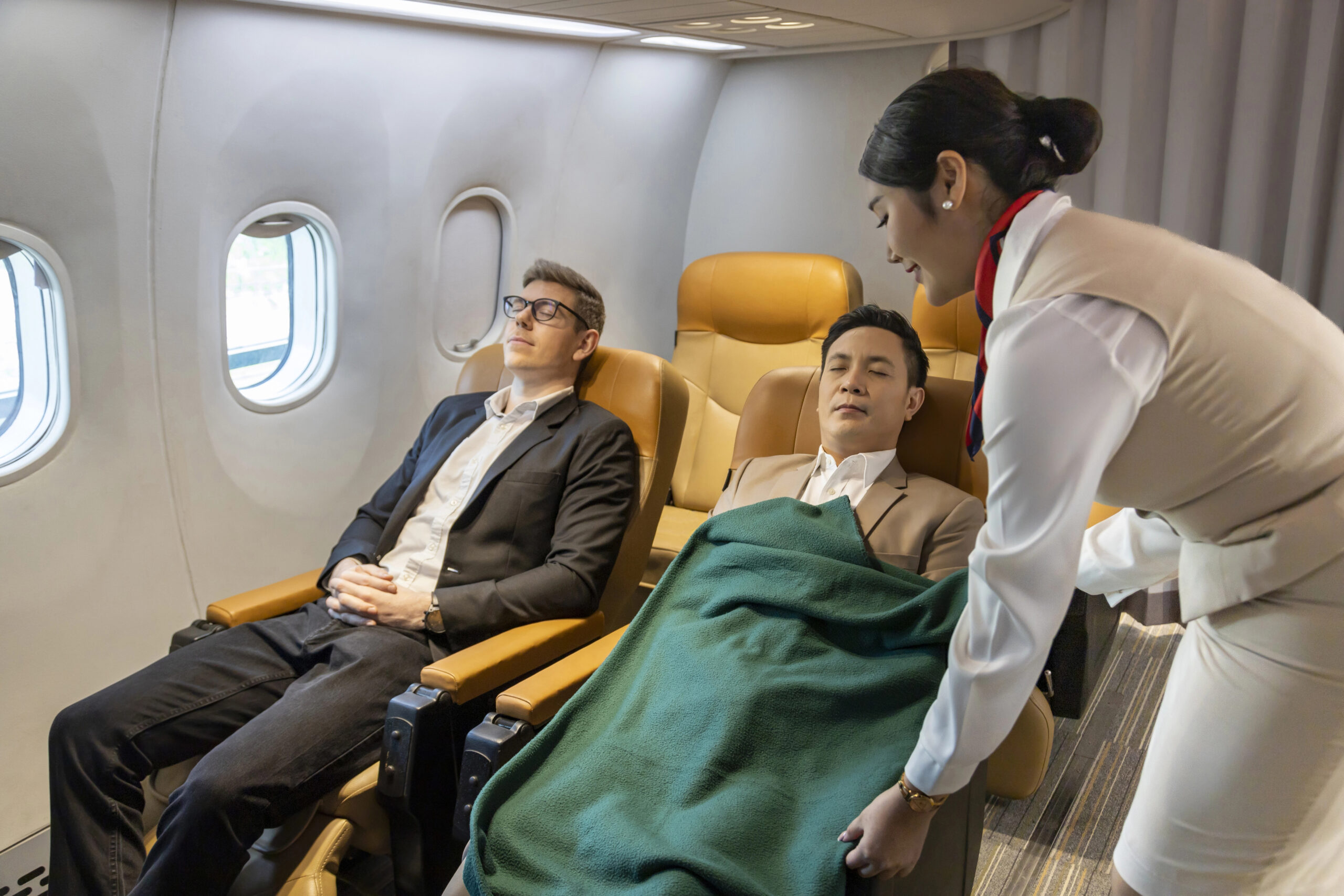
Cooling Blankets: Why Overheating on a Flight Becomes a Real Issue
A long flight becomes uncomfortable fast when your body heat builds up and you can’t cool down efficiently. During boarding and taxi, cabins can feel warm, and travel stress can make sweating and heat sensitivity worse. Additionally, travelers with medical conditions, sensory challenges, or mobility limitations often have fewer ways to regulate temperature once they’re seated. Therefore, a cooling blanket can serve as an effective solution to enhance comfort without relying on airline assistance. This article explains how cooling blankets help, and how to use them effectively during emergency and special needs travel.
What a Cooling Blanket Actually Does (and What It Does Not Do)
A cooling blanket keeps heat from building up against your skin by using breathable, moisture-wicking, or temperature-regulating fabrics. It functions by enhancing airflow and comfort rather than actively producing cold air. However, it will not change the aircraft’s temperature, nor will it address dehydration or a true medical overheating situation. Additionally, some cooling blankets perform better when airflow is present, meaning your clothing layers and seat environment still matter. A cooling blanket should be considered a practical comfort accessory intended to promote temperature stability, rather than a medical device.
Why Flights Can Trigger Heat Discomfort More Than People Expect
Airplane cabin comfort is inconsistent, depending on aircraft type, outside weather, boarding time, and where you’re sitting. During delays, passengers may find themselves crowded into confined spaces, with airflow at seat level feeling weak despite the ventilation system operating. Additionally, factors such as anxiety and sensory overload can cause the cabin to feel uncomfortably warm. Also, Limited ability to move freely, or cool down quickly can turn mild discomfort into a significant issue after an hour or two. Therefore, planning for heat control is a realistic part of emergency and special needs travel, not just a luxury.
Who Benefits Most from Cooling Blankets During Emergency & Special Needs Travel
Cooling blankets can be especially helpful for travelers who deal with heat sensitivity, fatigue, or difficulty regulating body temperature. They can also support passengers with mobility limitations who can’t easily shift positions to cool down. Additionally, travelers with sensory challenges may benefit if overheating contributes to agitation, irritability, or trouble staying calm in crowded environments. Because airplanes limit control over your surroundings, a self-managed comfort item can reduce the chance of needing help mid-flight. Therefore, cooling blankets can be a simple stability tool for travelers who need predictable comfort to travel successfully.
Cooling Blankets: The Comfort Upgrade You Need to Have
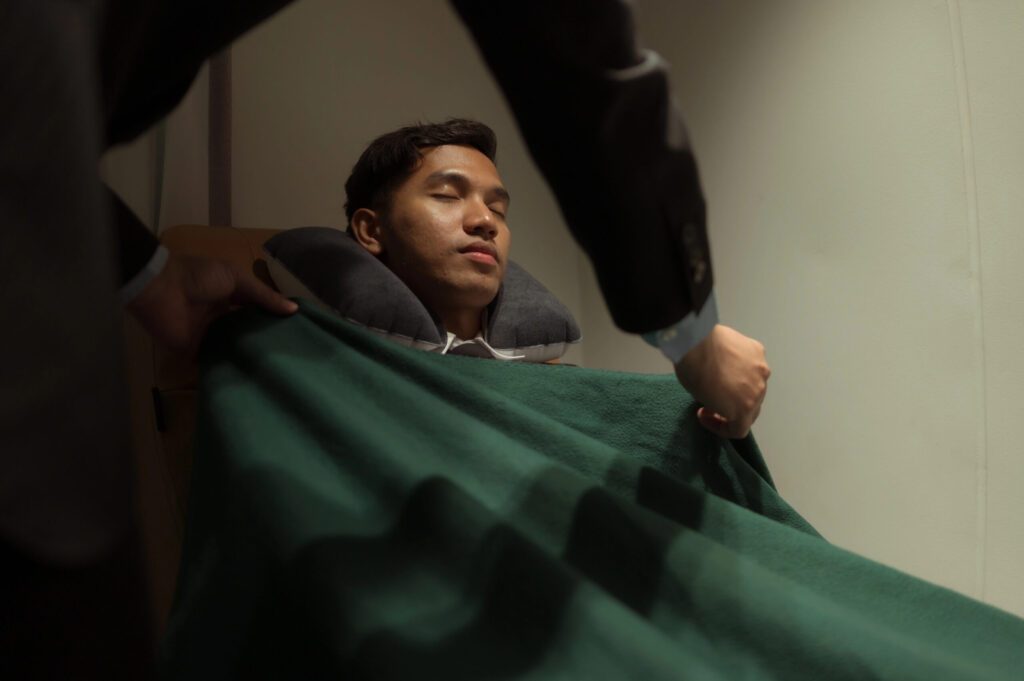
Cooling blankets are one of the easiest ways to stay comfortable when a cabin feels warm and your body heat starts building up fast. They help most during boarding, taxi delays, and long stretches where you can’t move around much. For travelers who run hot or deal with sensory sensitivity, cooling blankets can prevent small comfort problems from turning into stress, fatigue, or irritation mid-flight. In this article from Airport News Now, “Cooling Blankets: The Comfort Upgrade You Need to Have” explains how cooling blankets work, who benefits most, and how to use them at the right time for smoother emergency and special needs travel.
Cooling Blankets and Sensory Comfort: Why Fabric Matters
Cooling blankets need to feel right against the skin, especially for travelers with sensory sensitivities. Some fabrics can be too scratchy, stiff, or “crinkly,” which makes things worse instead of better. Additionally, irritation increases stress, and stress often increases overheating sensations during travel. Because of that, the best cooling blanket for special needs travel is lightweight, soft, breathable, and quiet when moved. Therefore, choosing a cooling blanket should be based on both cooling performance and sensory comfort, not just marketing claims.
When to Use a Cooling Blanket During Air Travel
Cooling blankets are most useful during boarding, taxi, and the early part of cruise when body heat rises from movement and stress. They can also help mid-flight if your seat area feels warm or airflow feels limited. Additionally, deplaning can cause another heat buildup because passengers stand closely together and move slowly through aisles, jet bridges, and arrival corridors. Because you may not be able to cool down quickly with water, movement, or cold air, using the blanket early is often the smarter move. Therefore, the best strategy is proactive temperature control instead of waiting until discomfort becomes hard to manage.
How to Pack a Cooling Blanket for Easy Access at the Airport
Keep cooling blankets in a spot where you can grab them easily, instead of hiding them under electronics, snacks, or extra clothes. If you can’t access it during a warm boarding period or delay, it won’t help when you actually need it. Additionally, travelers managing special needs situations often benefit from keeping comfort tools organized for quick access and faster repacking. Since airline-provided blankets focus on warmth and durability rather than cooling, bringing your own ensures a consistent experience on every flight.. Therefore, pack it near the top of your personal item, ideally in an outer pocket or packing cube you can grab in seconds.
TSA Screening: Can You Bring a Cooling Blanket Through Security?
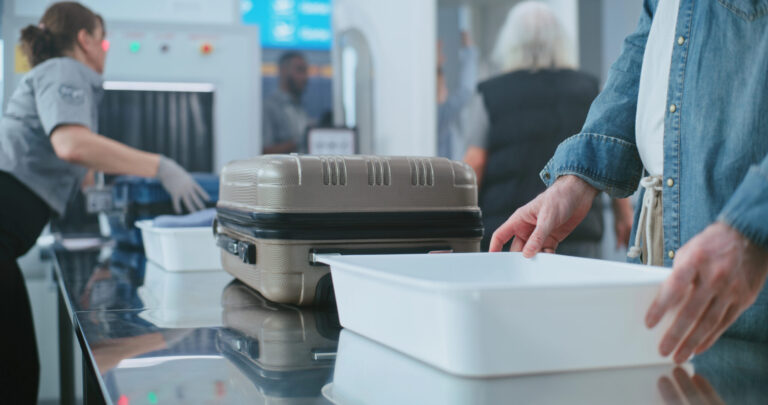
Most cooling blankets are basic fabric items and typically pass through TSA screening without special requirements. However, bulky blankets can slow down your repacking process and add stress during screening. Additionally, travelers with medical or sensory needs often do best when comfort tools are easy to remove and put back without chaos. Because a cooling blanket may help even while standing in warm security lines, having it accessible early can improve the entire travel day. Therefore, treat it like any other carry-on comfort item and pack it for fast access.
Cooling Blankets vs Airline Blankets (Comfort and Hygiene Considerations)
Airline blankets are typically designed for warmth, durability, and fast turnaround—not temperature regulation or breathability. In many cases, they trap heat, which is the opposite of what heat-sensitive travelers need. Additionally, travelers who rely on predictable comfort often prefer bringing their own items rather than hoping the airline has something suitable onboard. Because cooling blankets are designed to reduce heat retention, they can provide more stable comfort than a standard airline-issued blanket. Therefore, bringing your own cooling blanket is a practical way to avoid depending on what’s available (or not available) on the aircraft.
Cooling Blanket Use on the Plane: Best Practices for Real Comfort
A cooling blanket works best as a breathable top layer instead of being wrapped tightly like insulation. If you compress it into your body under heavy clothing, it can trap heat and lose its advantage. Additionally, some travelers expect the blanket to feel “cold” instantly, but most of these products work by reducing heat buildup over time. Because cabin temperatures can change during the flight, you’ll get better results if you adjust coverage as needed. Therefore, the best method is flexible use combined with smart layering and realistic expectations.
Emergency & Special Needs Travel Tip: Comfort Tools Work Best With Airline Planning
Cooling blankets work best when they’re part of a bigger comfort plan, not the only tool you rely on. In many situations, travelers with disabilities or special needs benefit from knowing what help is available if the travel environment becomes difficult. Additionally, flights can create problems that aren’t medical emergencies but still affect your ability to function, stay calm, or complete the trip safely. Because the DOT provides guidance for disability-related air travel rights and airline responsibilities, it’s worth knowing where to go if you run into a serious issue. Therefore, comfort planning should be treated as real travel preparation, not something you “figure out later.”
FAA Guidance (Corrected): When FAA Rules Matter vs Airline Policies
Cooling blankets themselves aren’t restricted items, but passenger comfort is still shaped by airline procedures and operational realities. In practice, the airline controls boarding flow, cabin readiness, and how quickly temperature stabilizes after doors close. Additionally, accessibility issues aren’t always “on the airplane”—sometimes they happen at the terminal, gate area, or aircraft boarding process. Because the FAA has an Airport Disability Compliance Program focused on airport accessibility complaints, travelers should understand where to go when the issue is about airport access rather than airline service. Therefore, proactive planning still matters, but it’s smart to know the difference between airport responsibilities and airline responsibilities.
Final Thoughts: Cooling Blankets Are a Practical Comfort Tool for Flights
Cooling blankets support temperature comfort by reducing heat buildup during long periods of sitting and limited movement. They can be especially useful for travelers with special needs who experience heat sensitivity, anxiety triggers, or difficulty adapting to cabin discomfort. Additionally, they give you a consistent tool that you control rather than depending on onboard supplies or unpredictable cabin conditions. Because emergency and special needs travel is often won or lost by small preparation decisions, a cooling blanket can be one of those “quiet upgrades” that makes the whole trip easier. In the end, the best travel comfort plan is the one that keeps problems small before they become hard to manage.