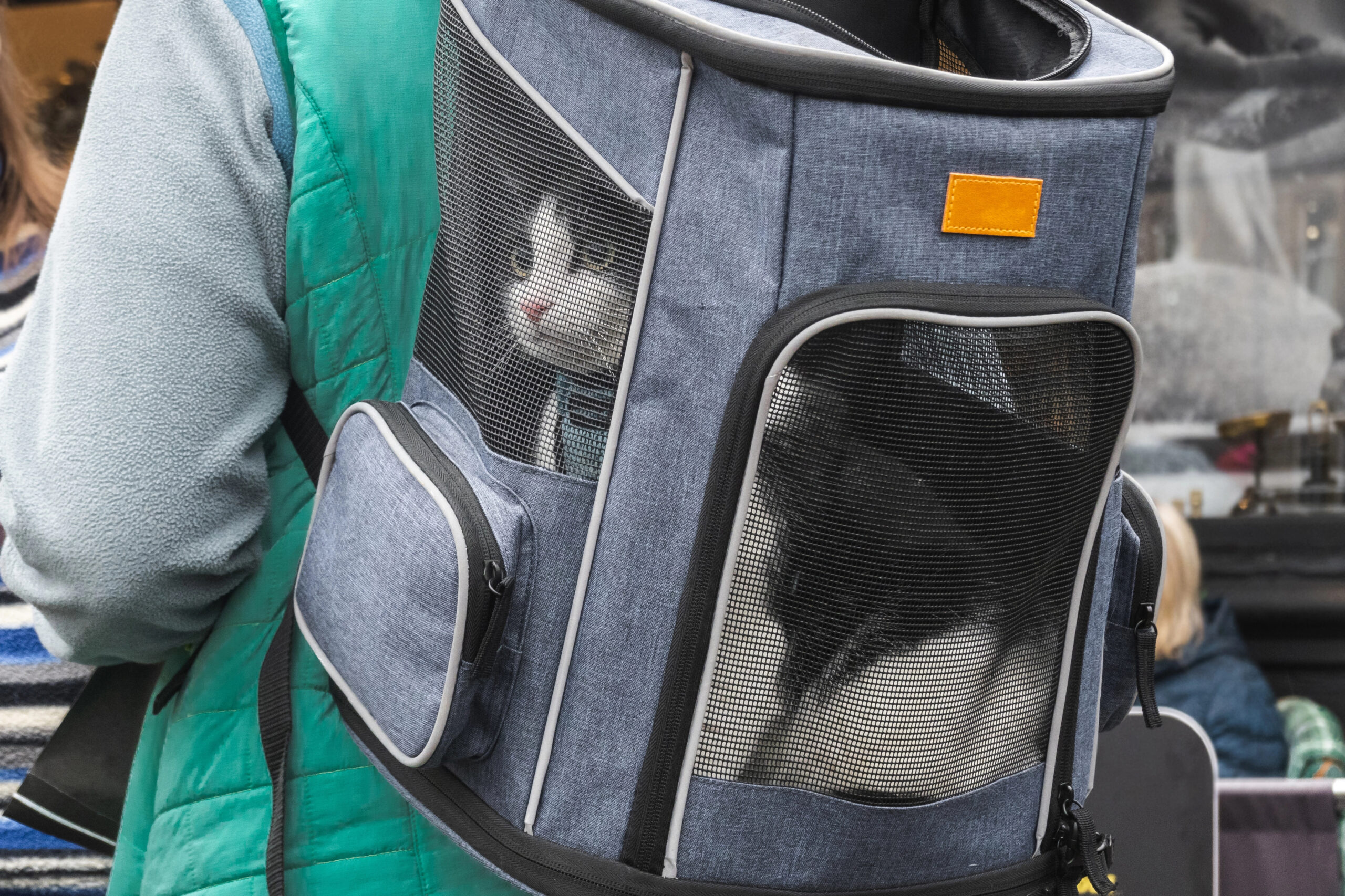
Traveling with a cat is stressful enough, so the carrier you choose has to perform in real airport conditions. To begin with, many travelers choose a cat backpack because it keeps hands free and makes long terminal walks easier. Meanwhile, others stick with a soft-sided carrier because airlines accept them more consistently and they compress better under seats. Overall, a cat backpack can work extremely well, but only if it fits airline space limits and keeps your cat calm.
What Airlines Actually Care About
First and foremost, airlines care whether your cat backpack can fit fully under the seat without sticking out into foot space. Next, they focus on containment, meaning strong zippers, secure seams, and ventilation that keeps the cat safely inside. Additionally, cleanliness matters because leaks, odors, or poor liners can create an onboard problem quickly. As a result, airline staff judge the carrier’s real shape and behavior more than the “airline approved” label on the product listing.
Cat Backpack Strengths at Airports
A cat backpack gives you hands-free mobility, which makes a huge difference during long terminal walks, crowded gate changes, and tight boarding lines. In addition, wearing the carrier close to your body can reduce the wild swinging that happens with shoulder straps in busy areas. Many cat backpack designs include supportive panels, which prevents the carrier from collapsing inward and stressing the cat. However, structure is a double-edged sword because it can make the bag too rigid to compress under a seat.
Where a Cat Backpack Can Fail
Even if the carrier feels comfortable in the terminal, the flight itself is where the cat backpack either passes or fails. For example, some backpacks are too tall, too stiff, or too bulky, especially if they have hard shells or thick frames. Furthermore, under-seat space changes by aircraft type, meaning a backpack that fits on one plane may fail on a regional jet. Therefore, the most common travel problem is reaching the gate and being told the carrier will not fit where it must go.
Cat Backpack or Soft-sided Carrier? Product Selections for you
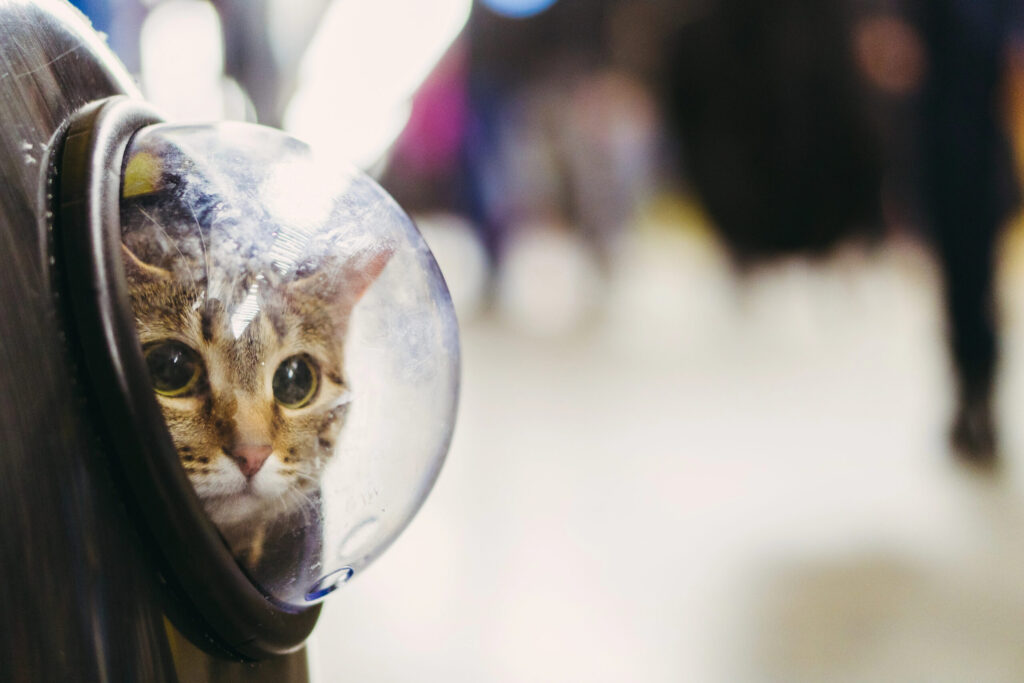
This article from Airport News Now, “Cat Backpack and Soft-Sided Carrier: Proven Options for Cat Comfort“, we break down why a solid airport cat travel setup takes more than just buying any cat backpack and hoping it works at the gate. It highlights four Amazon product options, covering both cat backpacks for hands-free mobility and soft-sided carriers for better under-seat compatibility. PETKIT and Fat Cat focus on comfort, airflow, and smarter travel organization, while Petsfit and Furtent provide reliable soft-carrier flexibility for tight aircraft seating and easier handling during boarding. The main takeaway is simple: start with a quality cat backpack, but keep a soft-sided carrier option available because under-seat fit is often the final deciding factor.
TSA Screening With a Cat Backpack
TSA screening is often the highest-stress part of the trip because you must remove the cat from the carrier. Specifically, TSA requires your cat to be carried through the checkpoint while the empty carrier goes through the X-ray machine. Consequently, the best cat backpack for airports is one that opens quickly and does not have confusing pockets, straps, or hidden compartments. Otherwise, the process slows down, stress rises, and your cat becomes harder to manage.
Gate Area Reality and Cat Comfort
Gate areas are loud, unpredictable, and crowded, which can cause cats to panic even if they were calm at check-in. In a cat backpack, the cat sits higher, which increases exposure to foot traffic, visual stimulation, and motion around the carrier. On the other hand, the backpack keeps the cat close to you, which can be comforting to cats that feel safer with body contact. Ultimately, comfort depends on your cat’s personality because some cats calm down upright while others do better staying low and quiet.
When You Should Use a Soft Carrier Instead
If you want the safest outcome with the fewest airline problems, a soft-sided carrier often beats a cat backpack in pure reliability. More importantly, soft carriers compress under seats better, and airline pet policies tend to align with their shape. Additionally, they are easier to position at the gate and easier to slide under a chair while waiting. For that reason, a soft carrier is usually the best backup plan when under-seat fit is your biggest concern.
Further Information
Please check out the following links from the TSA, FAA, and various major airlines for traveling with small pets
Transportation Security Administration
Small Pets | Transportation Security Administration
Federal Aviation Administration
Flying with Pets | Federal Aviation Administration
American Airlines
Pets − Travel information − American Airlines
United Airlines
Southwest Airlines
Pet Policy | Southwest Airlines
Delta Airlines
Pet Travel Overview | Delta Air Lines
Final Takeaway
A cat backpack can be an excellent airport tool because it keeps your hands free and makes terminal travel easier. However, it must compress enough to fit under the seat, open quickly for TSA screening, and stay stable enough to keep your cat calm. Meanwhile, soft-sided carriers remain the most predictable choice for airline acceptance and under-seat fit on tight aircraft. If you want the best chance of a smooth travel day, choose a high-quality cat backpack only if you confirm it fits your specific flight type and your cat tolerates the motion.