Introduction to Airport Food Safety: Eating Smart When You’re on the Move
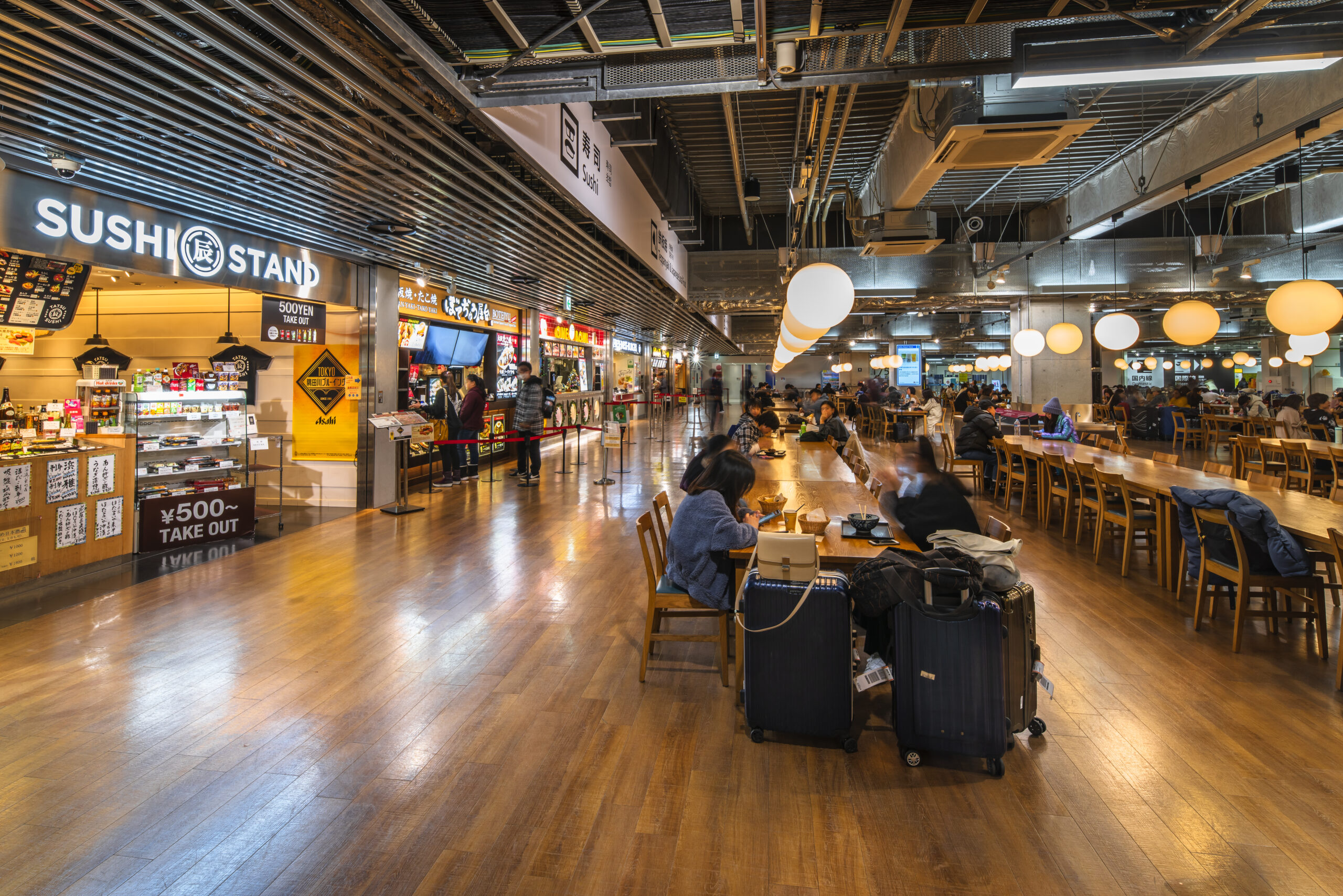
Airports can be unpredictable when it comes to dining. One terminal might feature a gourmet café with healthy meals, while another serves reheated food that’s been sitting out too long. With thousands of travelers eating every hour, airport kitchens operate under intense pressure—and that can lead to safety lapses. Knowing a few essential airport food safety strategies helps you avoid foodborne illness while traveling. By spotting warning signs, choosing the right foods, and practicing smart hygiene, you can protect your health and keep your trip on track.
For quick background on foodborne risks and prevention, see the CDC Food Safety for Travelers page.
Why Airport Food Courts Pose Risks for Travelers
The typical airport restaurant works in overdrive to serve as many customers as possible. In the rush to meet demand, food safety practices can slip. Cross-contamination, poor temperature control, and infrequent cleaning create the perfect environment for bacteria. According to the Centers for Disease Control and Prevention (CDC), foodborne illnesses affect millions each year—and crowded airport kitchens are not immune. Because of shared prep spaces, high staff turnover, and tight schedules, contamination risks increase. Keeping airport food safety top of mind helps you identify potential problems before they ruin your day.
How to Identify Unsafe Airport Food Vendors
When hunger strikes, it’s tempting to grab whatever’s nearby—but a quick inspection can spare you from regret later. Cleanliness is the first sign of a safe vendor. Avoid places with sticky counters, piled-up trays, or overflowing trash. Food temperature matters too: hot food should steam, and cold food should feel chilled. Staff should never handle money and food without changing gloves or washing hands. If you notice questionable habits, walk away. Use your instincts—if something looks off, it probably is. For more on evaluating food service hygiene, check U.S. Food and Drug Administration’s Food Code Guidance.
Making Safer Food Choices While Traveling
Safer food doesn’t mean boring food—it means food handled properly. Cooked-to-order items like grilled chicken sandwiches, omelets, and stir-fry dishes are generally safer since high heat kills harmful bacteria. Prepackaged foods are also a good choice when sealed and properly refrigerated. Always check expiration dates and avoid foods left under heat lamps for long periods. Steer clear of raw sprouts, undercooked meats, and unpasteurized dairy—all frequent carriers of bacteria such as E. coli and Salmonella. For general food safety rules, see the USDA Safe Minimum Cooking Temperatures Chart.
Stay Protected If Airport Food Makes You Sick
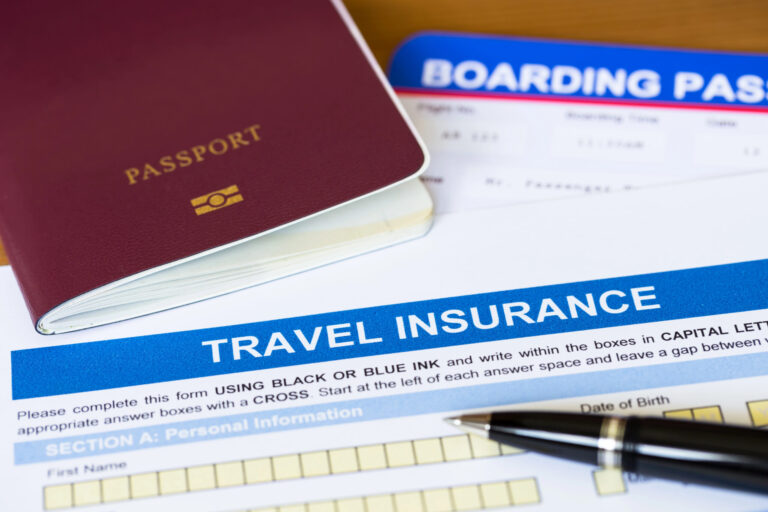
Airport food doesn’t always agree with travelers, and the Travelpayouts Travel Insurance Comparison Widget helps you stay protected if a risky meal sidelines your trip. This tool lets you compare insurance plans that cover foodborne illness, emergency medical treatment, and trip delays caused by getting sick before or after your flight. Use it to choose the coverage that keeps your travel plans on track, even if an airport restaurant leaves you regretting your menu choice.
Hygiene Habits That Keep You Healthy
Even with clean vendors, personal hygiene plays a huge role in staying healthy. Wash your hands with soap and water before eating, or use a hand sanitizer with 60% alcohol if sinks are unavailable. Airport seating areas and tables see thousands of travelers each day—wipe down your eating area with disinfecting wipes. Avoid touching food directly, especially after handling your phone or luggage. Staying hydrated also helps your immune system fight germs. Bring a refillable TSA-approved water bottle and fill it at water stations once through security.
Strengthen Your Stomach Before You Fly
Preparation before travel makes all the difference. Strengthen your gut health a few days before flying by taking probiotic supplements or eating yogurt with live cultures. These good bacteria help your digestive system fight harmful pathogens. Eat a balanced meal with lean proteins, complex carbs, and fiber before heading to the airport—it keeps your energy steady and discourages risky last-minute choices. If you prefer to bring your own food, TSA allows most solid snacks such as nuts, crackers, or sandwiches. Review TSA’s What Can I Bring list before packing your bag.
What to Do If You Get Sick from Airport Food
Even the most careful travelers can encounter bad luck. Recognize early symptoms like nausea, cramps, or diarrhea and act fast. If symptoms start at the airport, seek assistance from on-site medical staff. Many major hubs—including Chicago O’Hare (ORD) and Dallas/Fort Worth (DFW)—offer 24-hour medical care. Stay hydrated with water or electrolyte solutions. If symptoms worsen, avoid boarding your flight until cleared by a medical professional. Report incidents to airport management and file complaints through the FDA Consumer Complaint Portal. Reporting issues strengthens accountability and promotes better airport food safety.
Travel Essentials for Safer Eating
Small tools can make a big difference for travelers prioritizing airport food safety. Pack reusable utensils to limit contact with public surfaces. Carry antibacterial wipes to clean your hands and eating area. Collapsible food containers work well for snacks or leftovers. Bring a refillable water bottle and shelf-stable probiotics for consistent hydration and gut support. These simple, TSA-friendly items help keep you healthy through multiple flight connections.
Extra Tips for Healthy Airport Dining
Dining smart means thinking ahead. Eat at off-peak times when staff can focus on hygiene instead of speed. Choose restaurants with open kitchens where you can see food being prepared. Avoid self-service buffets and uncovered food bars, which can attract germs. Ask employees whether meals are freshly cooked or reheated. Skip self-serve ice machines—they’re rarely cleaned properly. For tips on maintaining healthy habits while flying, visit Harvard Health’s Guide to Travel Health.
Conclusion: Eat Smart, Fly Safe
Travel should be about discovery—not food regret. By practicing food safety while at the airport, you can dine confidently while minimizing your risk of illness. Choose freshly cooked or sealed meals, observe cleanliness, and maintain your hygiene routine. Preparation and awareness are your best defenses against foodborne problems. Eat smart, fly safe, and enjoy your journey knowing you made informed choices.
Affiliate Disclosure:
Some links in this article direct you to third-party travel partners, booking platforms, and service providers. If you purchase a product, book a reservation, or sign up for a service through these outbound links, Airport News Now may earn a commission from the merchant at no additional cost to you. These commissions help support the site’s research, writing, and operations.
Airport News Now maintains full editorial independence. All recommendations are based on real traveler needs, operational airport knowledge, and objective evaluation — never on commission potential. You are under no obligation to use these links, but doing so helps keep the website free and accessible for all readers.
For more information on affiliate partnerships, please review each vendor’s official policies on their respective websites.