Introduction: How Airport Customs Tips Can Save You Time and Money
Every international traveler knows that anxious pause at customs — wondering, “Do I have to declare that?” Maybe it’s a bottle of Scotch, a pack of cigars, or a luxury watch from abroad. These small moments of uncertainty can turn an easy trip into a stressful experience. Fortunately, understanding a few practical airport customs tips can make all the difference. By learning what to declare, how to prepare receipts, and what customs officers really look for, you can breeze through checkpoints with confidence and avoid unnecessary delays.
Clearing Up the “Personal Use” Myth
Many travelers assume that “personal use” means they don’t need to declare anything. However, customs doesn’t measure intent — it measures quantity and value. Whether you’re bringing one designer handbag or ten, once your purchases exceed the duty-free threshold, they must be declared.
For example, U.S. travelers can bring home up to $800 worth of goods duty-free. Anything beyond that is taxable upon arrival. Modern scanners easily detect undeclared items, and customs agents have seen every trick in the book. Being upfront about your purchases saves time, stress, and possibly hundreds of dollars in penalties.
While out and about traveling around the globe, make sure to make the most of your destination, below is a collection of tours at popular locations across the globe. It is the best way to make the most of a memorable vacation. Book a tour and see for yourself.
For more information on international travel, be sure to read the Airport News Now Article on Global Entry.
Common Items That Cause Problems at Airport Customs and tips to help
Travelers often run into the same issues at customs checkpoints. Understanding these categories will help you avoid confusion and stay compliant.
| Item Category | Typical Allowance | Common Mistake | Smart Customs Tip |
| Alcohol | 1 liter of liquor or 2 bottles of wine | Buying multiple bottles assuming all are tax-free | Stick to the limit or declare extras |
| Tobacco | 200 cigarettes or 50 cigars | Forgetting that vapes and e-cigarettes count | Check regulations before flying |
| Jewelry & Luxury Goods | $800 total (U.S.) | Assuming souvenirs don’t count as valuable | Keep receipts and declare items |
| Electronics | 1 of each type | Bringing new electronics without proof of ownership | Register devices before travel |
| Food & Agriculture | Limited | Bringing teas, snacks, or seeds undeclared | Always declare organic items |
| Medications | Prescription-only | Carrying restricted or unlabeled drugs | Bring prescriptions and verify legality |
When in doubt, declare it. Following these airport customs tips will ensure you spend minutes at the counter, not hours explaining your suitcase contents.
Turn Duty-Free and Customs into the Start of Your Adventure
Once you clear customs and step past the duty-free area, your trip really starts, and this tours & activities search widget helps you decide exactly how you’ll spend that time. It lets you browse and book guided experiences, day trips, and local activities across the US, so you don’t just walk out of the terminal with a bag of duty-free goods and no plan. Use it to line up something worthwhile for your first day in-country, whether you want a city tour, a food experience, or a quick excursion that makes all that waiting in the customs line actually feel worth it.
The Duty-Free Illusion Explained
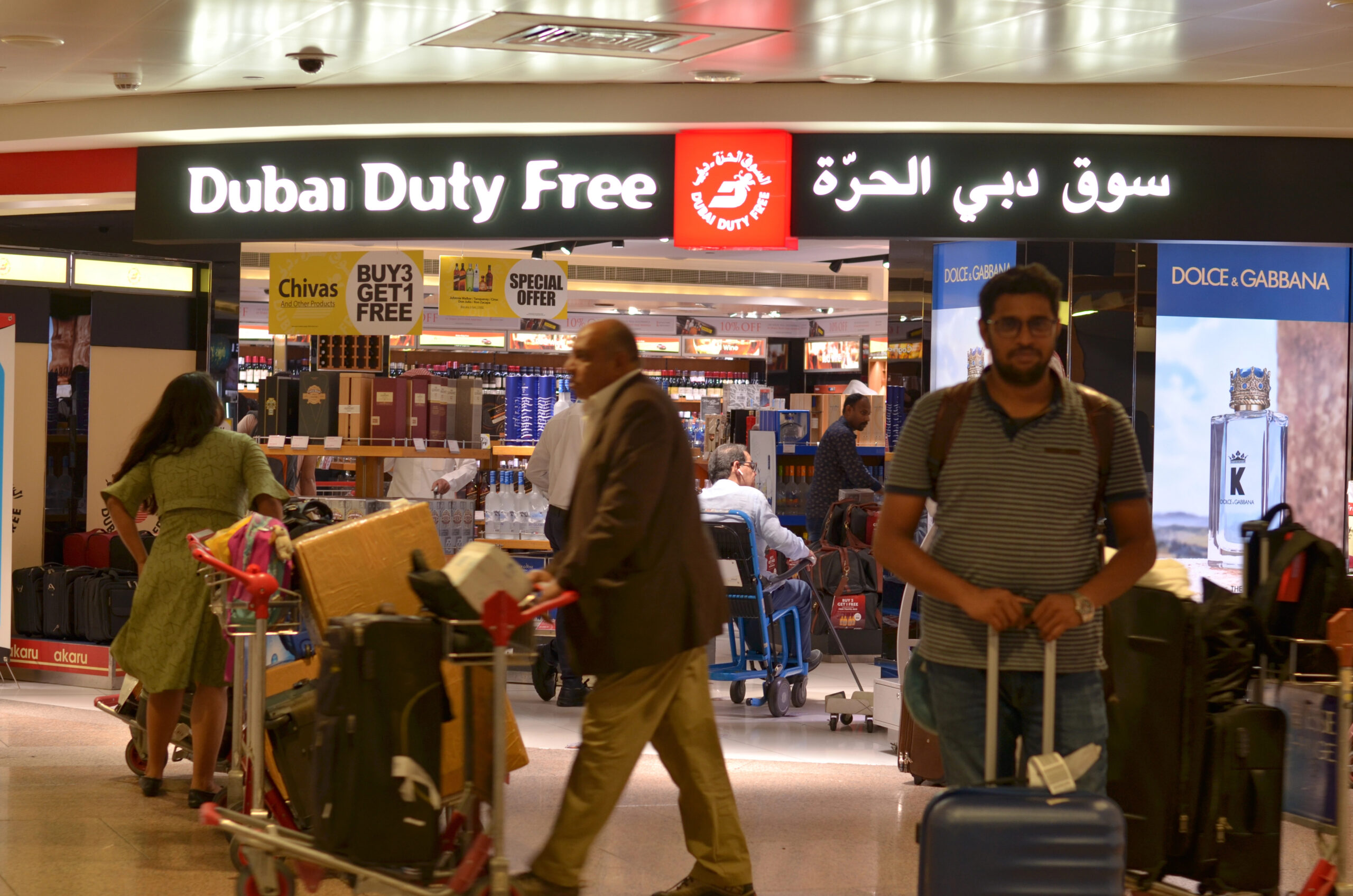
Duty-free shopping feels liberating — but it often leads to confusion. “Duty-free” means no export tax, not no import tax.
For instance, buying two liters of whiskey at Heathrow may seem like a bargain, but when you land in New York, only one liter qualifies as duty-free. The rest is taxable. Understanding the difference between departure and arrival regulations prevents disappointment and surprise fees. Always research both countries’ limits before you shop.
Why Receipts Matter at Customs
Receipts aren’t just paperwork — they’re your proof of value. Customs officers don’t guess prices; they verify them. If you can’t provide documentation, agents may assign a higher value to your items, and you’ll owe more.
To stay organized, photograph receipts or email copies to yourself during your trip. Store them digitally in one folder so you can easily retrieve them when questioned. This small but effective airport customs tip can prevent costly misunderstandings.
Declaring Items Is an Advantage, Not a Penalty
Many travelers fear declaring goods because they assume it means paying extra taxes. However, honesty actually works in your favor. Customs officers often overlook minor overages when travelers are transparent.
Moreover, declared goods move through faster since they skip secondary screening. Being upfront demonstrates cooperation and makes your entire clearance smoother. So rather than hiding items, declare them proudly — you’ll be out of line faster than those who try to sneak through.
How Customs Rules Differ by Country
Not every country enforces customs laws the same way. Some prioritize agricultural safety, while others focus on high-value imports or restricted substances. Before your flight, review each destination’s official customs website for current details.
| Country | Duty-Free Limit | Restricted Items | Unique Rule |
| United States | $800 | Absinthe, Cuban cigars | Declare all gifts and purchases |
| Australia | AUD $900 | Animal products, seeds | Strict biosecurity rules |
| Singapore | SGD $500 | Vapes, chewing gum | Heavy fines for undeclared tobacco |
| United Kingdom | £390 | Meat, dairy | Post-Brexit limits apply |
| Japan | ¥200,000 | Fresh produce, meat | Declare electronics and currency |
| Dubai | AED 3,000 | Prescription drugs | Strict on medical items |
Studying these differences helps you adapt to each country’s enforcement style and avoid last-minute surprises at arrival.
The Real Cost of Skipping Declarations
Trying to slip through customs without declaring might feel harmless — until it isn’t. Each nation has its own penalty scale, and fines can add up fast.
| Country | Penalty Range | Consequences | Enforcement Style |
| United States | $300–$10,000 | Seizure, fines, record flag | Firm but fair |
| Australia | AUD $220–$2,664 | Item destruction, travel warnings | Very strict |
| Singapore | SGD $500–$5,000 | Fines, prosecution | Zero tolerance |
| United Kingdom | £250–£2,500 | Confiscation, fines | Moderate enforcement |
| Japan | ¥100,000–¥1,000,000 | Detention or prosecution | Legalistic and exact |
| UAE | AED 500–AED 50,000 | Fines or imprisonment | Harsh for restricted goods |
One undeclared bottle of liquor or souvenir could turn into a legal nightmare. Applying consistent customs tips before you fly helps you stay compliant worldwide.
Traveler Habits That Simplify the Customs Process
Smooth customs clearance starts with preparation. Keep these habits in mind before and during your trip.
- Use the “Goods to Declare” Lane When Unsure – Choosing the right line saves time and confusion.
- Keep Receipts Together – Digital folders or cloud storage make verification quick.
- Register Your Electronics – Show proof of prior ownership to avoid double taxation.
- Separate Gifts Clearly – Pack presents separately for easier inspection.
- Declare Food and Organic Items – Even sealed snacks can trigger inspection; honesty prevents confiscation.
Prepared travelers not only move faster through customs but also project confidence and cooperation.
How Airport Customs Detects Hidden Items
Today’s border inspections rely heavily on technology. AI-based scanners such as Smiths Detection HI-SCAN and Leidos CTX systems analyze density, material composition, and hidden compartments in seconds.
Contrary to old assumptions, concealment rarely works. These machines identify organic materials, metals, and electronics with pinpoint accuracy. Understanding how technology assists enforcement emphasizes why the best airport customs tip remains simple: always tell the truth.
Final Thoughts: Mastering Airport Customs with Confidence
Declaring goods isn’t about losing money — it’s about keeping your trip smooth and legal. Customs officials are not out to seize your belongings; they’re ensuring compliance for everyone’s safety.
By following these straightforward airport customs tips, keeping receipts organized, and researching each country’s limits, you’ll never dread the customs line again. With awareness and preparation, clearing customs becomes part of the journey — not an obstacle to it.
Secondary Sources
- U.S. Customs and Border Protection (CBP)
- Australian Border Force – Duty-Free Limits
- Singapore Customs – Prohibited and Controlled Goods
- UK HMRC – Bringing Goods into the UK
- Japan Customs – Traveler’s Guide
- Dubai Customs
Affiliate Disclosure:
Some links in this article direct you to third-party travel partners, booking platforms, and service providers. If you purchase a product, book a reservation, or sign up for a service through these outbound links, Airport News Now may earn a commission from the merchant at no additional cost to you. These commissions help support the site’s research, writing, and operations.
Airport News Now maintains full editorial independence. All recommendations are based on real traveler needs, operational airport knowledge, and objective evaluation — never on commission potential. You are under no obligation to use these links, but doing so helps keep the website free and accessible for all readers.
For more information on affiliate partnerships, please review each vendor’s official policies on their respective websites.