Why Airline Pet Carriers Must Meet Cabin Size and Ventilation Rules
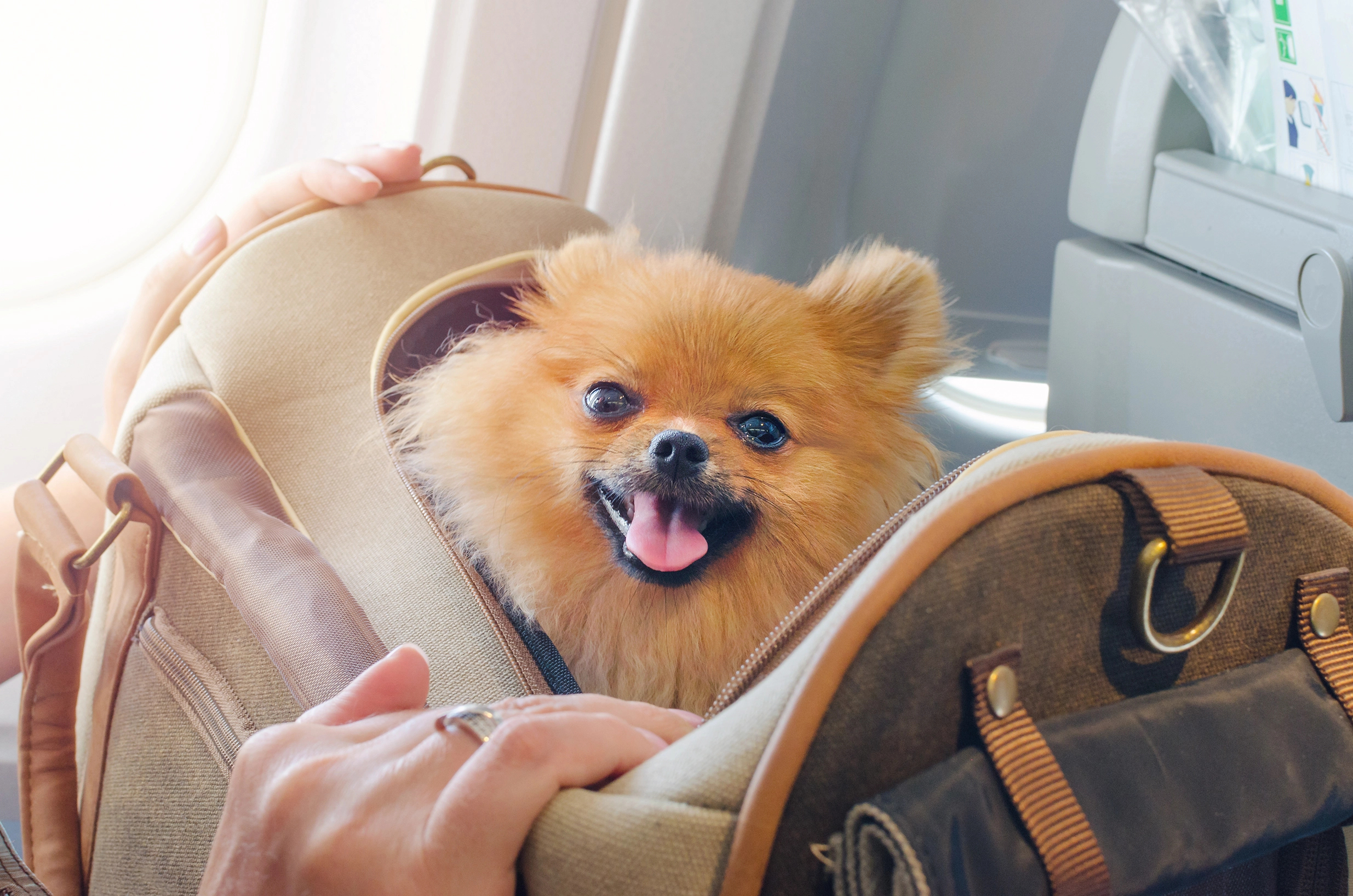
Modern airlines allow small pets in the cabin only when travelers use compliant carriers. Airlines enforce strict size, ventilation, and containment rules at check-in and boarding. Because aircraft cabins offer limited under-seat space, carriers must fit predictably without collapsing or blocking aisle movement. Therefore, airline pet carriers focus on structure, airflow, and secure closures while staying within published size limits. This approach works within airline rules instead of attempting to bypass them.
Why Airline Size Rules Matter for Airline Pet Carriers
Airlines define maximum carrier dimensions based on seat pitch, under-seat clearance, and emergency egress requirements. Gate agents verify compliance visually and physically, even when pets already hold reservations. Soft-sided airline pet carriers succeed because they compress slightly under seats while retaining enough rigidity to protect animals. As a result, correct sizing remains the most critical factor in carrier selection.
How Airline Pet Carriers Perform During TSA Screening
TSA requires pets to exit carriers during security screening while carriers pass through X-ray machines. After screening, travelers return pets to carriers before proceeding to the gate. Airline pet carriers simplify this process through wide openings, stable bases, and secure zipper systems. Consequently, screening moves faster and reduces stress for pets and handlers alike.
TSA approved Soft-Sided Airline Pet Carrier
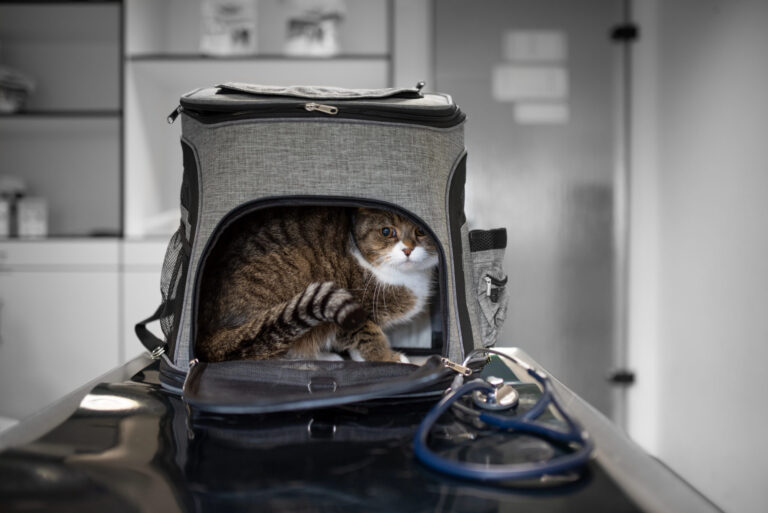
A soft-sided airline pet carrier uses flexible panels, reinforced frames, and mesh ventilation to fit under airline seats while maintaining airflow and containment. Adjustable shoulder straps and padded handles improve control during terminal movement. This carrier design aligns with enforcement practices across most domestic and international airlines.
Soft-Sided TSA Approved Pet Carrier
Cabin Environment Challenges for Traveling Pets
Cabin travel exposes pets to unfamiliar noise, vibration, and movement. Tight spaces and extended confinement increase anxiety when carriers lack ventilation or stability. Airline pet carriers address these challenges through mesh panels, padded interiors, and rigid base inserts that keep carriers upright. As a result, pets experience a more predictable environment from boarding through landing.
Absorbent Pet Travel Pads
Absorbent pet travel pads line the bottom of carriers and manage accidents during long flights or delays. These pads protect carrier interiors and simplify cleanup without disturbing pets. When paired with airline pet carriers, pads improve hygiene and comfort.
Absorbent Pet Travel Pads
Why Ventilation and Visibility Matter in Airline Pet Carriers
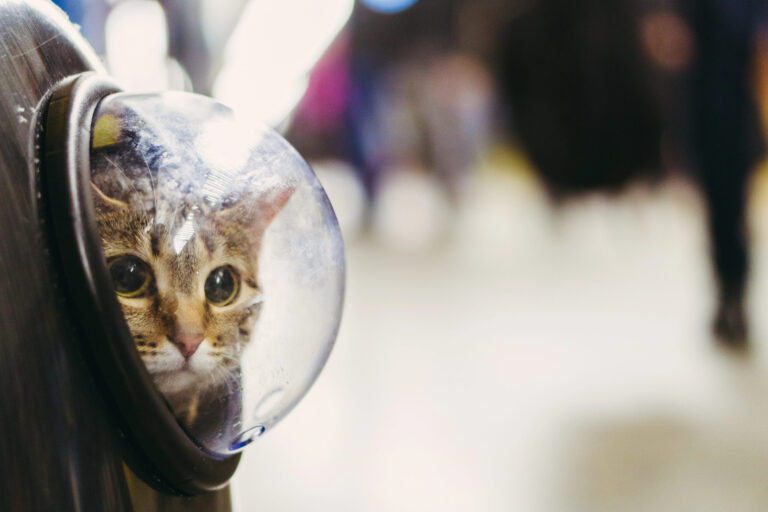
Airlines require adequate airflow in all cabin pet carriers. Beyond compliance, ventilation helps pets regulate temperature and remain calm. Visibility through mesh panels allows pets to see owners and surroundings, which supports steadier behavior during boarding and flight. Therefore, airline pet carriers with multiple mesh panels outperform designs with limited airflow.
Collapsible Pet Water Bowl
A collapsible pet water bowl allows controlled hydration before boarding and during long layovers. These bowls fold flat for storage and deploy quickly in pet relief areas. Used alongside airline pet carriers, they support hydration without spills.
Collapsible Pet Water Bowl
Managing Documents and Identification During Pet Travel
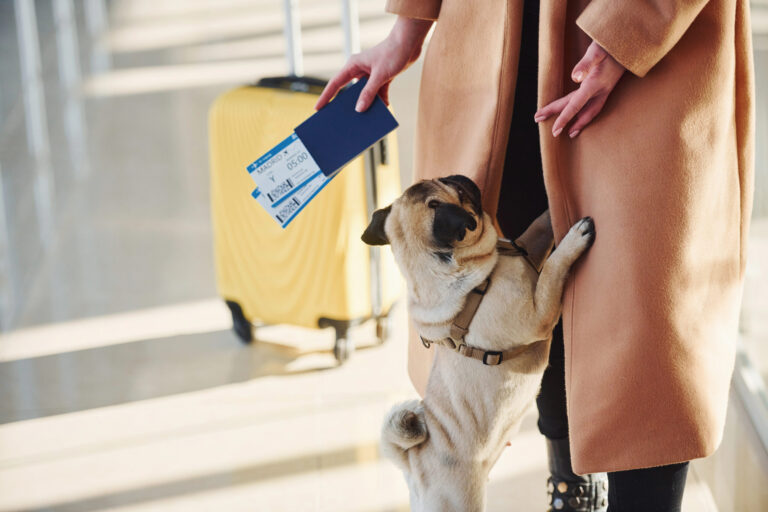
Airlines require vaccination records, health certificates, and reservation confirmations for pets. During disruptions, quick access to documents becomes critical. Organized paperwork prevents delays at check-in, boarding, or rebooking.
Pet Passport: The Pet Travel Document Organizer
A pet travel document organizer stores vaccination records, airline forms, and emergency contact details in one accessible location. This accessory supports smoother interactions with airline staff and simplifies compliance checks.
Pet Travel Document Organizer
Common Mistakes Travelers Make with Airline Pet Carriers
Some travelers choose carriers based only on pet weight and ignore airline size limits. Others skip acclimating pets to carriers before travel, which increases anxiety during boarding. Additionally, placing emergency supplies in checked bags leaves pets unsupported during delays. Preparation and correct carrier selection prevent these failures.
Conclusion
Airline pet carriers enable safe and compliant cabin travel by meeting size, ventilation, and containment requirements enforced by airlines and TSA. These carriers support smoother screening, boarding, and inflight conditions for pets. When travelers pair the right carrier with absorbent pads, hydration tools, and organized documentation, they reduce stress and improve outcomes throughout the airport journey.
Amazon Affiliate Disclosure – Airport News Now
Airport News Now participates in the Amazon Services LLC Associates Program, an affiliate advertising program that allows sites to earn advertising fees by linking to Amazon.com. Some links on this site are affiliate links. If you click a link and make a purchase, Airport News Now may earn a commission at no additional cost to you. Affiliate links do not influence editorial content. Product references appear based on relevance to airline rules, animal welfare, and airport operations.