The Airline Pet Carrier Panic – Finding What Works Best
Choosing the right airline pet carrier is one of the most important steps when preparing to fly with a pet. The carrier influences safety, comfort, airline approval, and stress levels for both you and your animal. Because each airline uses different rules, you must be proactive to avoid travel disruptions. With proper planning, your pet travels smoothly from airport arrival to final landing.
An airline pet carrier must meet airline measurements, TSA procedures, and basic structural standards. Since aircraft vary in under-seat space, the carrier must be adaptable and durable. Strong ventilation and secure closures also matter because they maintain airflow and prevent escapes. When you prepare early, your pet benefits from a safer and calmer travel experience.
An airline pet carrier is more than a bag. Instead, it becomes a temporary travel shelter that supports your pet during movement, noise, and cabin vibration. Therefore, selecting the right carrier reduces anxiety and prevents problems at the gate. This guide explains everything you must know to choose the right airline pet carrier successfully.
Why the Airline Pet Carrier You Choose Matters
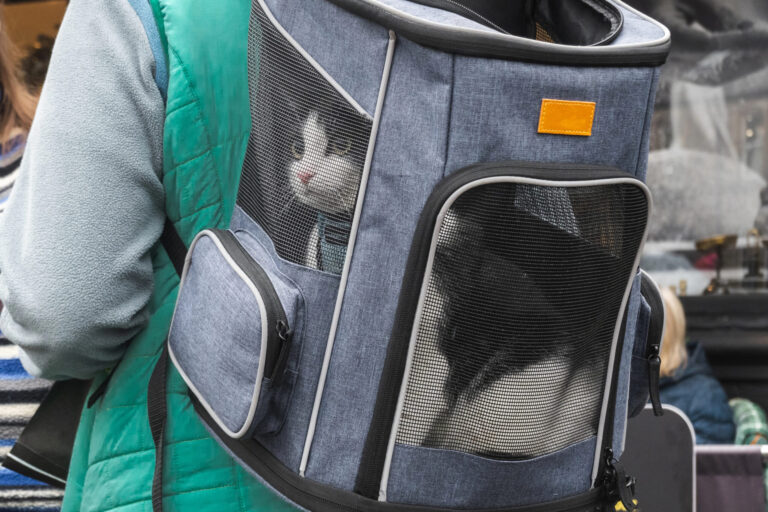
Choosing the correct airline pet carrier ensures your pet remains protected during the flight. Airlines check carriers for stability, ventilation, and structural integrity, which means weak carriers may be denied quickly. A carrier with a strong base prevents sagging under seat pressure during takeoff and landing. Additionally, good airflow keeps your pet from overheating in crowded terminals or warm aircraft cabins.
A stable airline pet carrier also reduces fear. Pets respond better when their space does not shift or collapse unexpectedly. Predictable interior movement helps calm anxious animals and supports smoother travel. Because of this, structure always comes before style.
Aircraft type has a major impact on carrier fit. Wide-body aircraft offer more space, but regional jets often do not. As a result, a carrier that fits one flight may not fit the next. Always confirm the aircraft type before choosing your pet carrier.
Carrier Comparison: Choosing the Best Airline Pet Carrier
Understanding Carrier Types
| Carrier Type | Pros | Cons | Best Use Cases |
| Soft-sided carrier | Soft carriers flex under seats and fit a wider range of aircraft. They also provide strong ventilation with mesh panels. | Soft carriers may collapse if the frame weakens. Pets that scratch may damage the material. | Ideal for most in-cabin flights. Perfect for calm pets that travel well. |
| Hard-sided carrier | Hard carriers protect against impact and keep their shape under pressure. They provide strong security with durable doors. | Hard carriers rarely fit under small aircraft seats. They may also have limited airflow. | Best for checked or cargo travel. Useful for pets that damage soft carriers. |
| Hybrid carrier | Hybrids balance structure and flexibility, giving pets both support and comfort. They also adapt well to different aircraft types. | Hybrid carriers cost more and may not compress enough in tight spaces. Inspect seams often. | Excellent for mixed flight routes. Ideal for pets needing extra stability. |
| Mesh / ultra-light carrier | Mesh carriers offer excellent airflow and keep pets cool during long airport waits. They are lightweight and easy to carry. | These carriers offer little impact protection and may collapse under pressure. | Ideal for short flights. Useful for calm pets and quick trips. |
Size Requirements for an Airline Pet Carrier
An airline pet carrier must fit fully beneath the seat in front of you, and each airline publishes its own measurements. Because aircraft vary in design, a carrier that fits one plane may not fit another. Window seats often have less space due to seat-rail structures, which can limit options. Therefore, selecting a slightly smaller carrier reduces travel-day complications.
Always check the aircraft type for every flight segment because airlines may switch planes. Furthermore, size charts change over time, making it important to confirm the dimensions again before your trip. DOT provides general guidance, but the final decision belongs to the airline. Double-checking measurements is the best way to avoid costly surprises at the gate.
Pet Carriers – Choosing the right one for your pet
Still confused about choices? Airport News Now has an article on airline pet carriers which highlights specific carrier models that meet airline size rules and hold their structure during screening and boarding. It includes affiliate links to the pet carriers referenced in this guide, allowing readers to compare soft-sided and structured options that have proven reliable in real airport conditions.
What to Expect During TSA Security Screening
Removing Your Pet from the Carrier
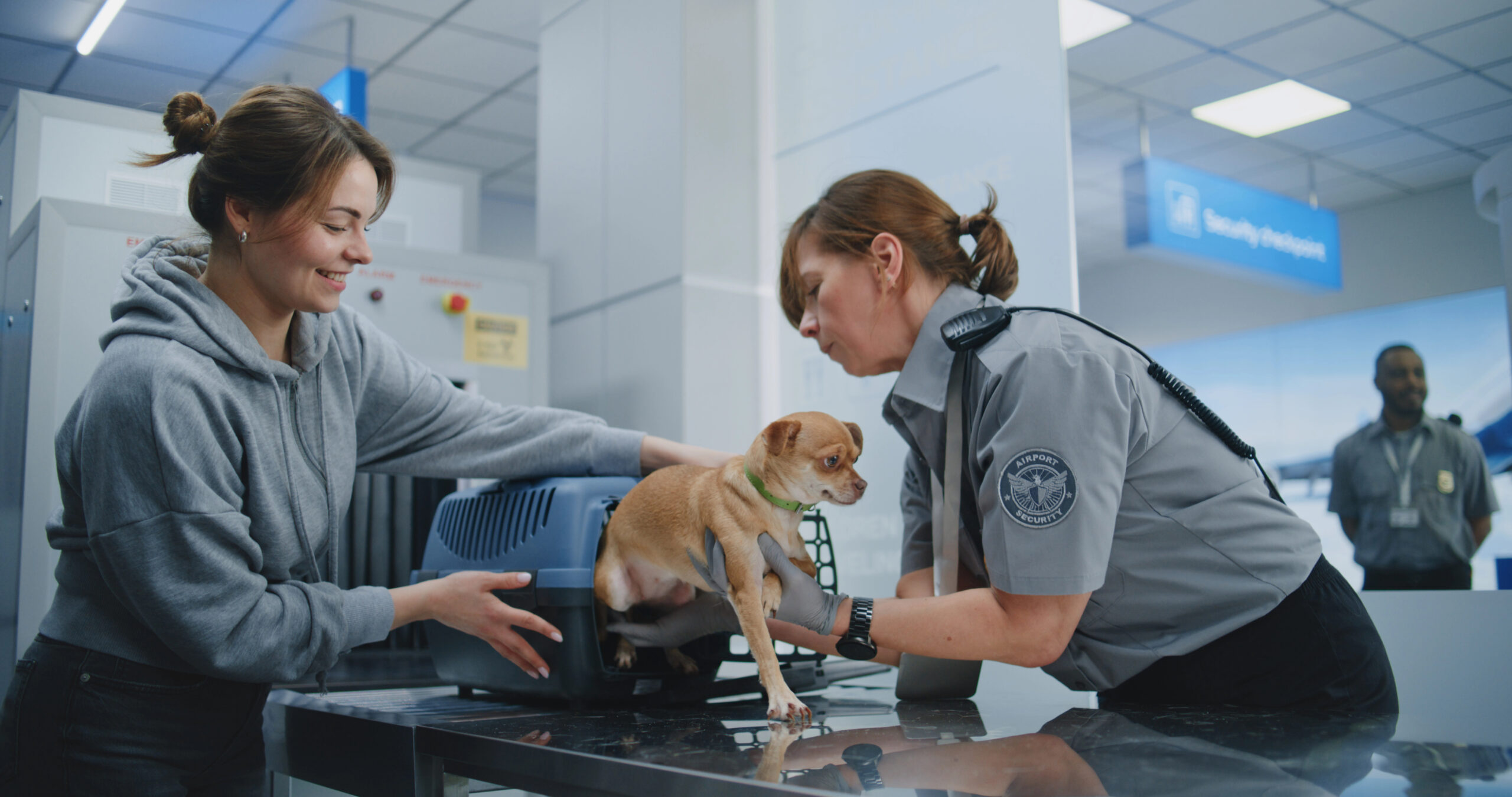
TSA requires you to remove your pet from the airline pet carrier before screening. This prevents the animal from being exposed to X-ray radiation. It also allows officers to inspect the empty carrier clearly and quickly. As a result, this step helps keep the security line moving smoothly. This part is when your pet would be the most vulnerable to escape. Here are some tips on keeping your pet secure during security screening.
X-Raying the Empty Carrier
The empty airline pet carrier must go through the X-ray machine. TSA checks for prohibited items and examines the structure for safety issues. If the scan is unclear, officers may conduct a manual inspection. This process keeps both passengers and pets safe.
Walking Your Pet Through the Metal Detector
You must carry or walk your pet through the metal detector because pets cannot go through X-ray equipment. This method protects the animal from radiation and stress. Officers may ask you to hold your pet securely to prevent escape. The procedure ensures the screening process stays safe and organized.
Hand Swabs and Additional Inspections
TSA may swab your hands to check for trace explosives. This is a standard procedure for travelers handling carriers or containers. Officers may also inspect the airline pet carrier’s seams, vents, and closures. This prevents prohibited items from being transported.
Reuniting with Your Pet After Screening
You will reunite with your pet in a designated area after screening to recompose. This space helps reduce crowding and keeps pets calmer. It also gives you time to secure zippers, locks, and straps safely. Meanwhile, your pet can adjust before continuing through the terminal.
Ventilation, Durability, and Comfort in an Airline Pet Carrier
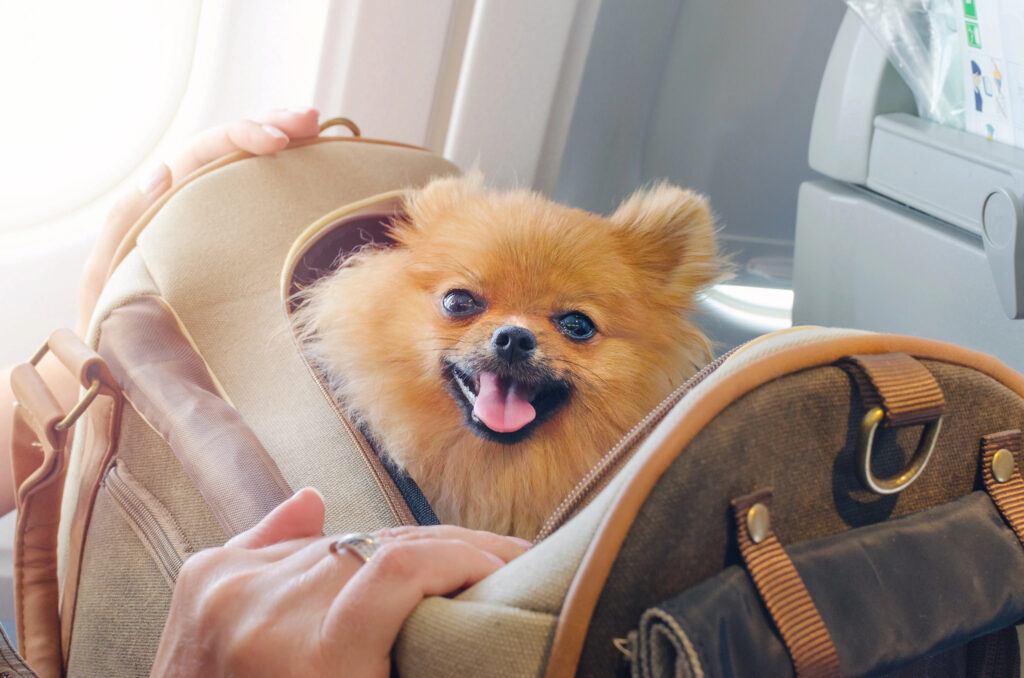
A safe airline pet carrier must have ventilation on at least two or three sides because airflow prevents overheating during delays or long boarding periods. A durable frame keeps the carrier from collapsing when placed under a seat or handled roughly. Structure matters because weak carriers fail quickly during travel. Therefore, choose carriers with reinforced stitching, strong seams, and rigid support.
Inside the carrier, a simple washable pad provides comfort without creating safety hazards. Heavy bedding shifts during turbulence and blocks airflow, which increases risk. Pets must be able to stand, turn around, and lie down comfortably. For that reason, avoid oversized carriers that cannot fit under the seat.
Required Documents, Fees, and Pet Travel Regulations
Most airlines charge between $95 and $125 each way for in-cabin pets, and these fees are separate from your own ticket. Because pet spots are limited, reserving early helps guarantee space. Some destinations require health certificates, vaccination proof, or microchip identification. International travel often involves stricter documentation rules. Check out this link where we take a deeper dive into the required documentation required for pet travel, vaccinations, and fees.
Pre-Flight Checklist for Your Airline Pet Carrier
Verify Carrier Dimensions with the Airline
Each airline lists strict size limits, and exceeding even one measurement may lead to boarding denial. Checking your aircraft type prevents last-minute surprises because under-seat space varies widely. Reviewing these requirements early helps you avoid unnecessary stress. Therefore, verify all measurements before your travel day.
Review TSA, DOT, and APHIS Rules
Each agency controls different parts of the travel process. TSA focuses on screening procedures, while DOT oversees airline obligations. APHIS handles health and documentation requirements. Understanding these rules reduces confusion and helps prepare your airline pet carrier correctly.
Bring All Required Veterinary Documents
Some destinations require updated vaccination records and health certificates. International rules may also require microchip data. Printed copies prevent delays caused by electronic issues or missing files. Keeping documents organized ensures a smoother experience at check-in and arrival.
Arrive Early to Allow Extra TSA Time
Pets take longer to screen because they require special handling and additional steps. Nervous animals may need extra time to settle and rushing increases stress for everyone. Arriving early ensures you do not miss your flight due to delays. As a result, your pet experiences a calmer start to the journey.
Final Thoughts on Choosing the Right Airline Pet Carrier
Choosing the right airline pet carrier protects your pet and prevents travel disruptions. A safe, ventilated, and airline-approved carrier keeps your pet secure from check-in to landing. When you follow airline rules and prepare early, your overall travel experience becomes smoother and far less stressful. With the right carrier, your pet travels calmer, safer, and more comfortably every time.