Air travel with a guide dog or trained service dog has always required preparation, documentation, and patience. However, in 2026, regulatory implementation under the Air Carrier Access Act (ACAA) continues to reshape how airlines handle passengers who travel with service animals. Congress has not rewritten the law this year, yet the U.S. Department of Transportation (DOT) continues enforcing and refining rules under 14 CFR Part 382. As a result, airlines must tighten procedures surrounding assistance, training, communication, and incident response. Therefore, travelers with guide dogs or service dogs should understand how these operational changes affect their experience from curb to cabin.
The Foundation: Guide Dog Rules Remain in Place
To begin with, the 2020 DOT rule that redefined “service animal” under the ACAA still governs air travel in 2026. See Service Animals | US Department of Transportation for further information. Airlines must recognize dogs individually trained to perform tasks for a qualified individual with a disability. Conversely, carriers do not need to accept emotional support animals as service animals. This distinction remains critical because airlines base boarding approval and cabin placement on this definition. Consequently, travelers must continue submitting DOT service animal forms that confirm training, health, and behavior standards.
Moreover, airlines may require documentation submitted up to 48 hours before departure when reservations occur earlier than that timeframe. Travelers who book inside 48 hours must provide documentation at the airport. Importantly, airlines may deny boarding if a service dog poses a direct threat, behaves aggressively, or lacks proper control. Therefore, handlers must maintain consistent obedience and control at all times. Ultimately, the definition remains stable, yet enforcement consistency continues to improve in 2026.
Training and Ground Staff Awareness in 2026
Now, here is where the 2025 disability rule rolling into 2026 matters for guide dogs and service dogs. DOT requires enhanced hands-on training for airline employees and contractors who assist passengers with disabilities. Although much public attention focused on wheelchairs, the training mandate extends to respectful interaction with service animal teams. Consequently, airlines must educate gate agents, ramp crews, and cabin staff on proper communication protocols and non-interference practices.
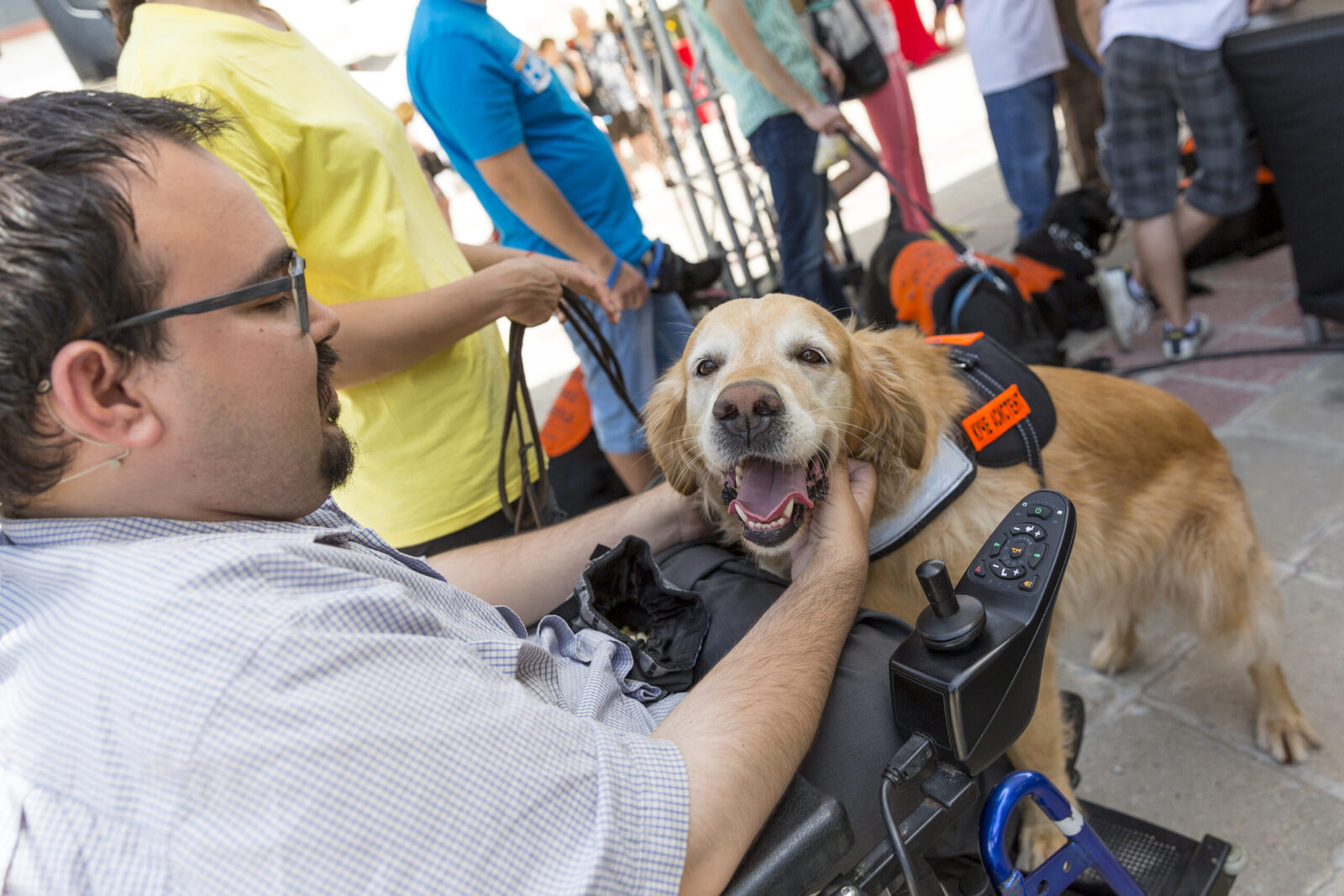
For example, airline personnel must avoid distracting, petting, or separating a working dog from its handler. Additionally, staff must understand that a guide dog serves as medical equipment in motion, not a companion animal. This cultural shift matters because poor employee awareness historically caused tension at boarding gates. As airlines roll out competency-based training into 2026, travelers should encounter fewer uninformed confrontations. In short, service animal teams benefit from better-trained front-line staff.
Essential Trackers for Pets and Service Animals in Transit
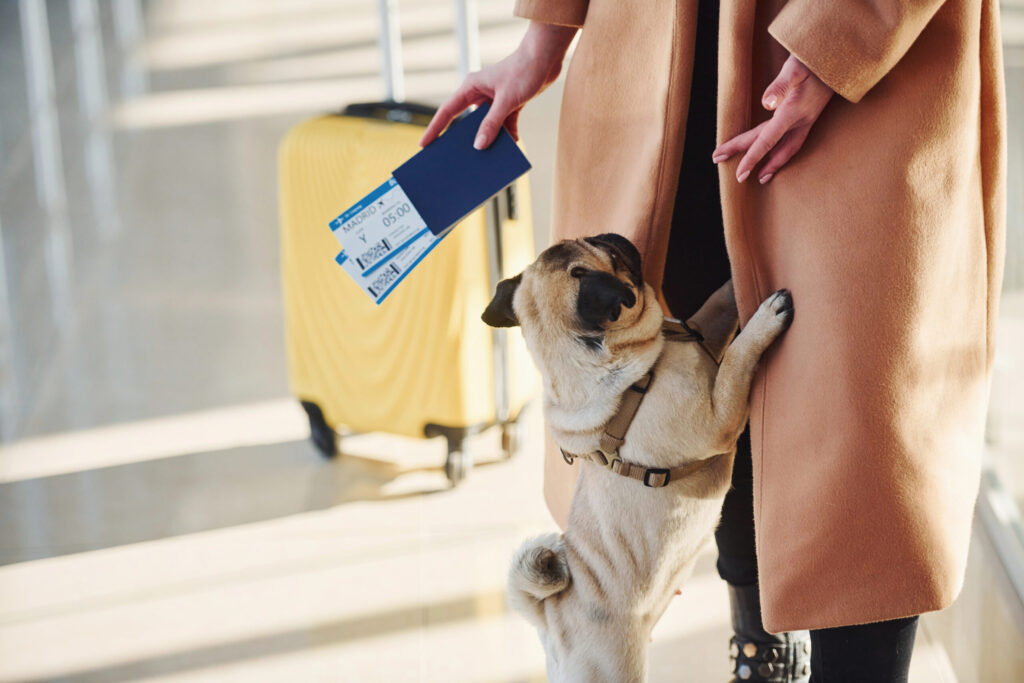
While the ACAA ensures federally protected status for guide dogs, handlers still face real-world challenges keeping animals safely accounted for throughout a trip. Please see the Airport News Now article “Pet Tracker Travel Picks: 4 Best Options for Layered Security” for detailed recommendations on GPS trackers, battery life considerations, and network coverage that enhance situational awareness. Additionally, integrating a reliable tracker into your travel routine complements proper documentation and boarding procedures by reducing anxiety and improving recovery chances if your service dog ever becomes lost or delayed.
Boarding and Cabin Procedures for a Guide Dog
Equally significant, the strengthened emphasis on dignified assistance affects how airlines manage boarding for passengers traveling with guide dogs. Airlines must provide prompt preboarding opportunities when needed. This allows handlers to position the dog safely in the cabin without crowd pressure. Furthermore, flight attendants must coordinate seating so that the service dog fits within the handler’s foot space without blocking aisles or emergency exits.
Additionally, DOT guidance reinforces that airlines cannot charge fees for service dogs. Airlines also cannot require the dog to sit in a separate seat or travel in cargo. However, cabin placement must comply with FAA safety regulations regarding exit rows and obstruction. Therefore, advance seat selection remains critical for travelers with larger service dogs. Ultimately, 2026 enforcement strengthens operational consistency at the aircraft door.
What You Need to Know — Flying with Your Service Dog
The YouTube Channel The Service Dog Channel has a very in-depth video called “Flying with Your Service Dog? What You NEED to Know!” the video from The Service Dog Channel breaks down the practical side of traveling with a service dog under current airline rules, including how the Air Carrier Access Act affects what animals qualify and what documentation is required before boarding. The host explains why airlines may ask for proof of training and behavior, and why understanding airline policy can prevent problems at check-in or the gate.
That emphasis directly supports the importance of the DOT Air Transportation Form discussed within this article, since both help minimize disputes about a dog’s status. The video also highlights the difference between service animals and emotional support animals, reinforcing that only service dogs trained for disability tasks get guaranteed cabin access. Airport News Now encourages anyone traveling with a service dog to check out The Service Dog Channel on YouTube.
Behavior Standards and Denial of Transport
Another key aspect involves behavior standards. Airlines may deny transport if a service dog shows uncontrolled barking, lunging, biting, or relieving itself inappropriately. However, airlines must base denial on observable behavior rather than breed assumptions. Consequently, staff training now emphasizes behavior-based assessment rather than stereotypes.
Moreover, airlines must document denial incidents clearly. This reporting obligation supports transparency and regulatory oversight. If a dispute arises, the handler may file a complaint with DOT’s Aviation Consumer Protection division. Because reporting requirements continue into 2026, airlines face stronger accountability when denying boarding. Therefore, service animal teams operate within a more structured enforcement environment.
International Travel Considerations When Traveling with a Guide Dog
When traveling internationally, additional rules apply beyond the ACAA. The U.S. Department of Agriculture (USDA) and destination-country animal health authorities may require import permits, vaccination records, or quarantine documentation. Consequently, service dog handlers must coordinate airline documentation with international animal transport requirements. Airlines may request USDA health forms in addition to DOT service animal forms.
Furthermore, some foreign governments impose stricter breed or entry regulations regardless of U.S. disability law. Therefore, handlers should confirm entry policies well in advance of travel. Airlines cannot override sovereign import restrictions. As a result, 2026 compliance requires layered preparation across multiple regulatory systems. Ultimately, international trips demand greater administrative diligence than domestic flights.
Airport Environment and Safety
Beyond aircraft operations, airport environments present real-world challenges. Busy terminals, crowded gate areas, and moving walkways create sensory stress for both handler and dog. Because DOT emphasizes dignified assistance in its updated enforcement posture, airlines must coordinate wheelchair escorts, priority screening, and boarding sequencing more effectively. Although the ACAA does not control TSA security screening directly, the Transportation Security Administration (TSA) provides guidance for screening service animals respectfully. Please see the video below from the TSA for advice on traveling with a guide dog.
Moreover, handlers must maintain leash or harness control except when a disability prevents physical tethering. Airport staff should avoid unnecessary separation during screening. In 2026, clearer training expectations reduce confusion at checkpoints and boarding lanes. Consequently, service dog teams should experience smoother transitions between airport operational zones. Ultimately, better coordination improves both safety and dignity.
When Boarding Gets Denied: Understanding the Difference Between Pets and Service Dogs
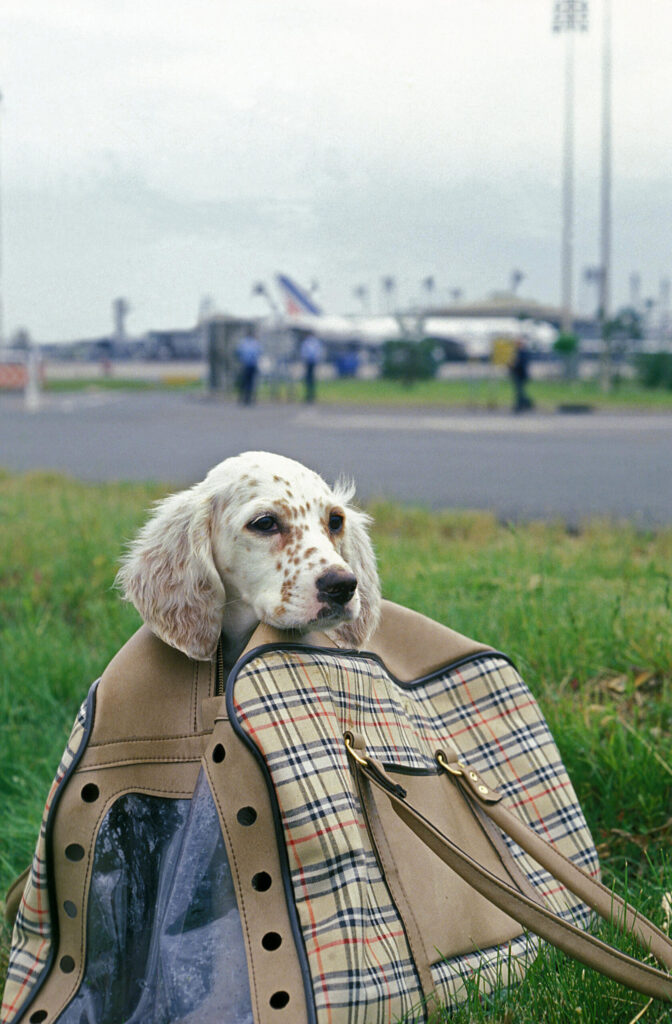
Confusion at the gate often stems from travelers misunderstanding how airline pet policies differ from service dog regulations under the ACAA. Please see the Airport News Now article “Denied Pet Boarding: What Happened and Why?” for a detailed breakdown of these scenarios and how airlines justify those decisions under standard pet travel rules. Importantly, that analysis reinforces why guide dog handlers must distinguish their federally protected status from standard pet policies, since airlines evaluate service dogs under entirely different legal standards.
Complaint Rights and Enforcement Trends
Importantly, complaint tracking remains a core enforcement mechanism. Airlines must log disability-related complaints and respond within required timeframes. If a service dog team experiences discrimination, the passenger may escalate the issue to DOT. This regulatory structure creates a measurable accountability pathway.
Although DOT paused enforcement of certain technical provisions related to wheelchair liability, it has not paused service animal compliance obligations. Therefore, airlines must continue honoring documentation standards and nondiscrimination rules. As enforcement continues to mature, airlines increasingly standardize internal policies across hubs. Consequently, service animal travelers benefit from reduced inconsistency between airports. Ultimately, 2026 strengthens oversight without rewriting the statute.
DOT Service Animal Air Transportation Form Requirements
The DOT Service Animal Air Transportation Form is the official document airlines use to verify that a guide dog or service dog meets the definition of a trained service animal under federal regulations. The form requires the handler to confirm that the dog has received proper training to perform disability-related tasks and can behave appropriately in a public setting, including onboard an aircraft. It also includes health and vaccination attestations to ensure the animal does not pose a safety or sanitation risk during air travel.
Airlines may require passengers to submit this completed form up to 48 hours before departure when reservations are made in advance, and they may deny boarding if documentation is incomplete or inaccurate. Because this form serves as the standardized verification tool under the Air Carrier Access Act, travelers should complete it carefully and retain copies for both departure and return flights.
Practical Steps for Guide Dog Handlers in 2026
Given the evolving enforcement climate, handlers should take proactive steps. First, submit DOT service animal forms early and confirm airline receipt. Second, arrive at the airport with printed and digital copies of documentation. Third, photograph your dog’s harness and condition before departure in case disputes arise. Additionally, select seating that accommodates your dog’s size without obstructing movement.
Furthermore, rehearse cabin positioning so your dog settles quickly at your feet. Calm boarding reduces friction with fellow passengers and crew. Finally, document any incident immediately and request a Complaint Resolution Official if necessary. In today’s regulatory environment, documentation protects your rights. Ultimately, preparation remains the strongest defense against disruption.
Final Thoughts
The ACAA itself has not changed in 2026, yet enforcement culture continues to evolve. DOT’s broader disability rule reinforces training, dignity, and operational consistency that directly benefit guide dog and service dog teams. Airlines must integrate accessibility into routine practice rather than treat it as exception management. Although documentation requirements remain strict, trained staff awareness improves steadily. Ultimately, 2026 represents refinement, accountability, and practical improvements for travelers who rely on service dogs in the cabin.