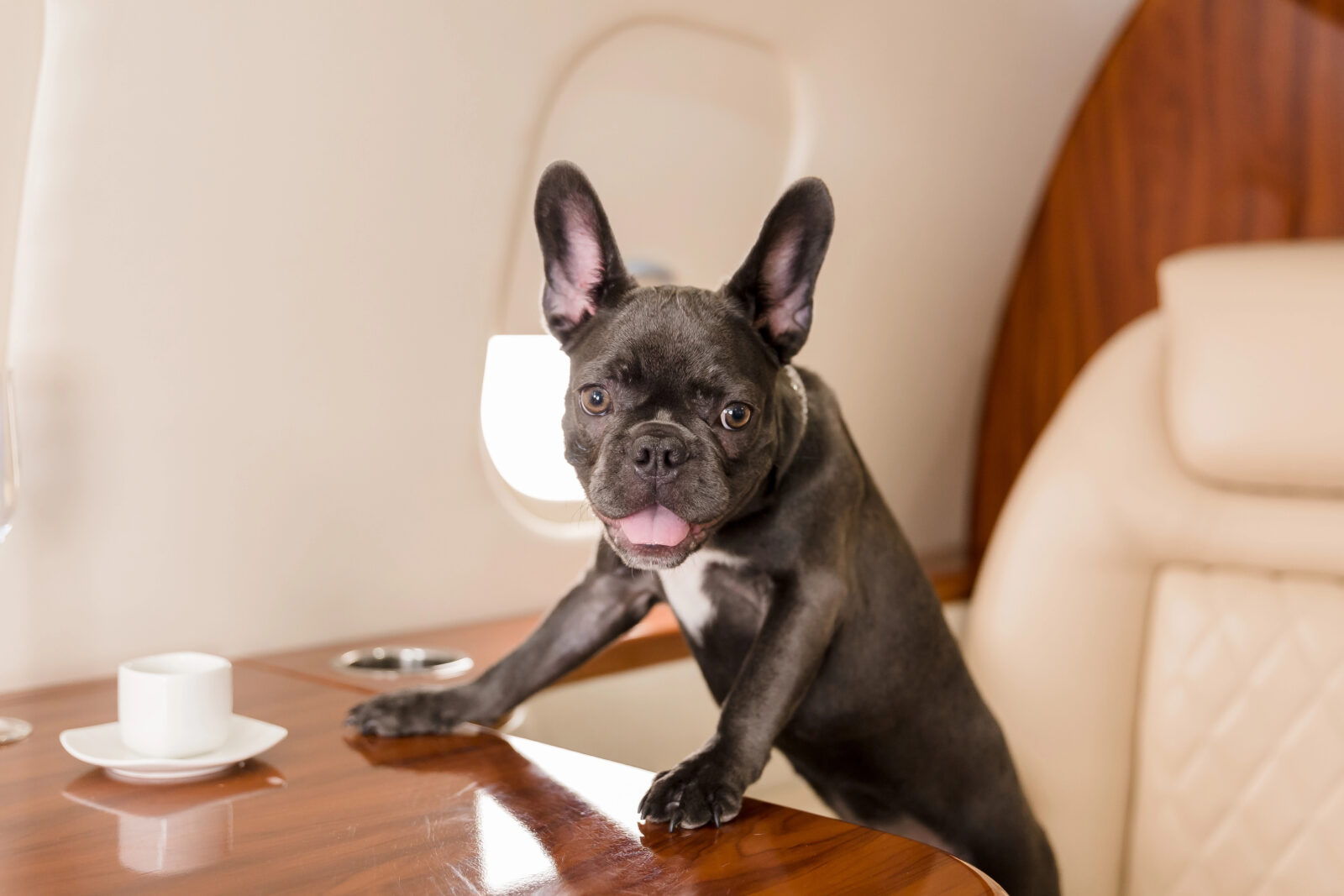
For many travelers, placing a beloved dog in cargo feels unacceptable. BARK Air addresses this concern by keeping animals inside the cabin. Pet-product company BARK launched BARK Airlines in 2024 to prioritize canine welfare. Designers focused on comfort, safety, and emotional stability from the beginning.
Traditional airlines optimize capacity and efficiency, whereas BARK prioritizes the animal experience. The company operates limited scheduled flights and private charters as of 2026. Travelers pay a premium for a quieter, controlled environment on flights. Consequently, owners gain reassurance that their dogs remain nearby.
Why BARK Air Exists
Commercial airline policies have tightened significantly for animal transport. Many carriers reduced cargo programs due to liability concerns. Temperature embargoes restrict travel during hot or cold seasons. Furthermore, breed rules create additional obstacles for large dogs.
Families relocating across continents face especially complex requirements. Cargo transport can involve multiple handlers and long separations. Extended transit increases stress and health risks. Accordingly, demand for alternatives like BARK Airlines continues to grow.
Ground transport sometimes provides another option for domestic moves. However, cross-country trips may take several days. International travel by land often remains impossible. Therefore, aviation solutions still dominate long-distance relocation.
BARK Airlines removes cargo handling from the equation entirely. Dogs remain in climate-controlled conditions with their owners on BARK flights. Continuous supervision reduces uncertainty during transit. Thus, many travelers regain confidence in air travel with pets.
What it Is, Routes, Operations, and Onboard Experience
BARK Airlines operates as a public charter broker rather than a traditional airline. Licensed partner carriers supply aircraft and crews for flights. Most departures originate in the New York region. Destinations include major pet-friendly cities in North America and Europe.
Private or semi-private jets accommodate small passenger groups. Crews use private terminals instead of crowded commercial gates. This arrangement reduces noise and congestion. Consequently, animals encounter fewer stress triggers before departure.
Boarding proceeds quickly because passenger numbers remain limited. Staff guide owners through a structured arrival process. Security procedures differ from standard airport checkpoints. Correspondingly, the environment stays calm and predictable.
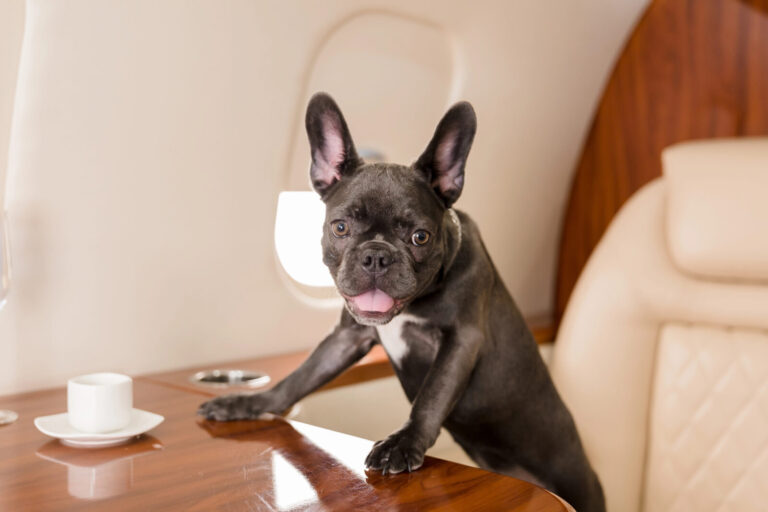
Cabin crews control lighting, sound, and activity throughout the flight. Dogs move freely rather than remaining confined to carriers. Owners maintain close contact at all times. Thereafter, staff provide water, treats, and support as needed.
Animals may sit on seats or rest comfortably on the floor. Continuous observation allows rapid response to any issues. The atmosphere remains stable from takeoff to landing. Ultimately, canine comfort drives BARK Airlines operations.
International Pet Travel Risks That Can Derail Your Trip

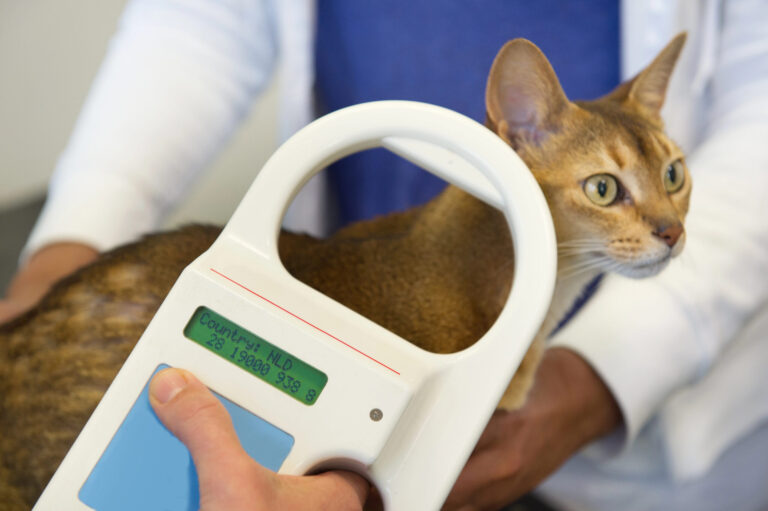
International pet travel requires far more preparation than domestic flights, especially when crossing borders with strict health regulations. Travelers must gather documentation such as vaccination records, microchip details, and government-endorsed health certificates well in advance. Please see the Airport News Now article, “International Pet Travel: How to Avoid Problems at the Airport“, for a detailed breakdown of paperwork, timelines, and common mistakes that can stop a pet from boarding. Missing even one requirement can result in denied entry, quarantine, or forced return to origin.
Video Overview: Inside a Real BARK Air Flight Experience
This video shows an actual journey from arrival through boarding. Staff guide passengers through a calm check-in process. Dogs sit beside owners rather than inside carriers. During boarding, crew members offer treats and reassurance.
The footage from Fortune Magazine reveals a quiet private terminal environment used by BARK Airlines. Seating arrangements match each dog’s size and temperament. Animals remain with owners throughout the trip. Overall, the video confirms BARK Airlines prioritizes emotional stability.
A Firsthand Look at the Bark Airlines Dog-First Flight Experience
Comparison: BARK Airlines vs. Commercial Airline Pet Travel
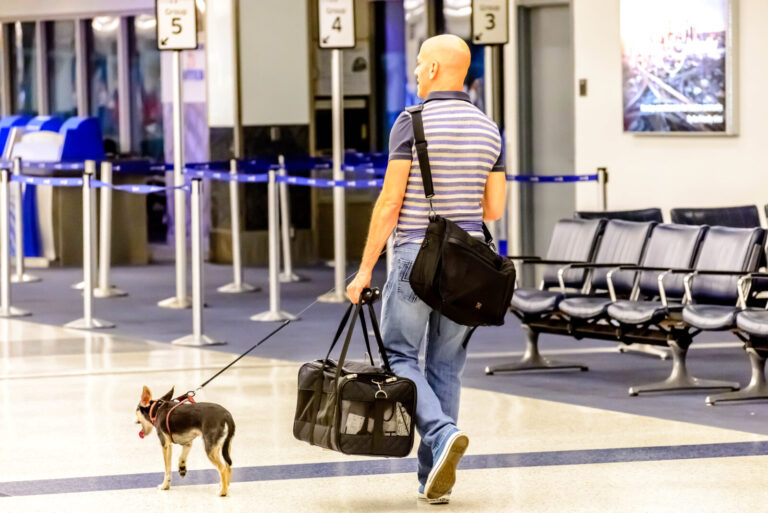
BARK Airlines allows medium and large dogs to remain in the cabin. By contrast, most airlines permit only small pets under seats. Larger animals typically travel in cargo holds. Hence, large-dog owners often seek services like BARK Air.
Commercial airlines offer extensive route networks and lower fares. Conversely, BARK Airlines provides limited routes at premium prices. Private terminals and quiet cabins reduce stress. Therefore, sensitive animals may benefit significantly.
Cargo transport exposes animals to ramp noise and unfamiliar handlers. Mechanical loading equipment adds further risk. BARK Airlines keeps dogs under supervision with owners nearby. As a result, separation anxiety decreases dramatically.
Traditional airlines remain practical for many travelers due to affordability. Nonetheless, options for large dogs remain limited. Small pets often travel safely in cabin on commercial flights.
How to Book and Prepare for a Flight
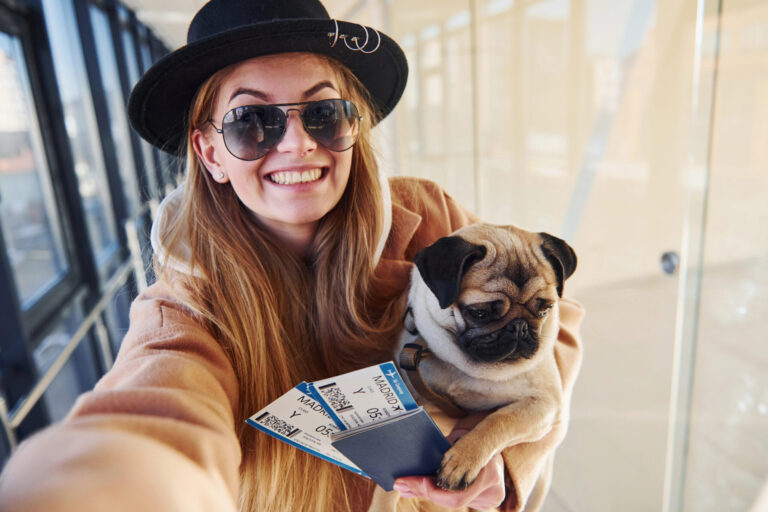
Booking begins through an inquiry on their website, BARK Air – A New Breed of Travel. Representatives coordinate dates and availability directly with customers. Flights often sell out months ahead. Afterward, payment occurs upfront for BARK Air charter travel.
Owners must submit veterinary records and vaccination documentation. International routes require permits and microchip information. Some countries mandate rabies antibody testing months in advance. Consequently, early planning prevents travel disruptions.
Dogs should receive a health evaluation before departure. Owners typically bring familiar bedding or toys for comfort. Pre-flight exercise helps reduce excess energy. Similarly, feeding schedules may adjust before travel.
Ground transportation to private terminals requires coordination. Arrival times remain shorter than commercial airport recommendations. Staff guide passengers through a simplified check-in process. Finally, preparation ensures a smooth BARK Air departure.
Pricing, Safety, Limitations, and Overall Value
Domestic tickets typically start around $6,000 one way per dog-human pair. Round-trip journeys may exceed $12,000 before extras. International flights may cost significantly more.
Flights carry only a small number of passengers. Limited capacity increases operating costs for BARK Airlines. Animals avoid cargo handling entirely. Therefore, many physical risks disappear.
Despite advantages, the service serves a narrow market. Routes remain limited compared with commercial airlines. Scheduling flexibility stays minimal. Consequently, urgent travel plans may not align.
Owners who can afford this service gain substantial peace of mind. Large and small dogs travel safely inside the cabin. Few alternatives offer this capability on long routes. Ultimately, value depends on priorities and budget.
Final Thoughts on BARK Air for Serious Pet Travelers
BARK Air demonstrates that aviation can prioritize animal welfare without compromising safety. For relocations or international moves, BARK Airlines removes major uncertainties. Owners maintain continuous contact with their pets. Peace of mind often justifies the expense.
However, high prices limit accessibility for most travelers. Commercial airlines will continue handling most pet transport. Ground services remain important for domestic moves. Nevertheless, BARK Airlines has raised expectations.
Future competition may emerge as demand increases. Regulatory hurdles and operating costs will influence expansion. Innovation could improve options for large animals. Until then, BARK Airlines occupies a unique position.
Travelers should evaluate timing, budget, and destination requirements carefully. Veterinary consultation remains essential for international trips. Preparation determines success regardless of carrier.