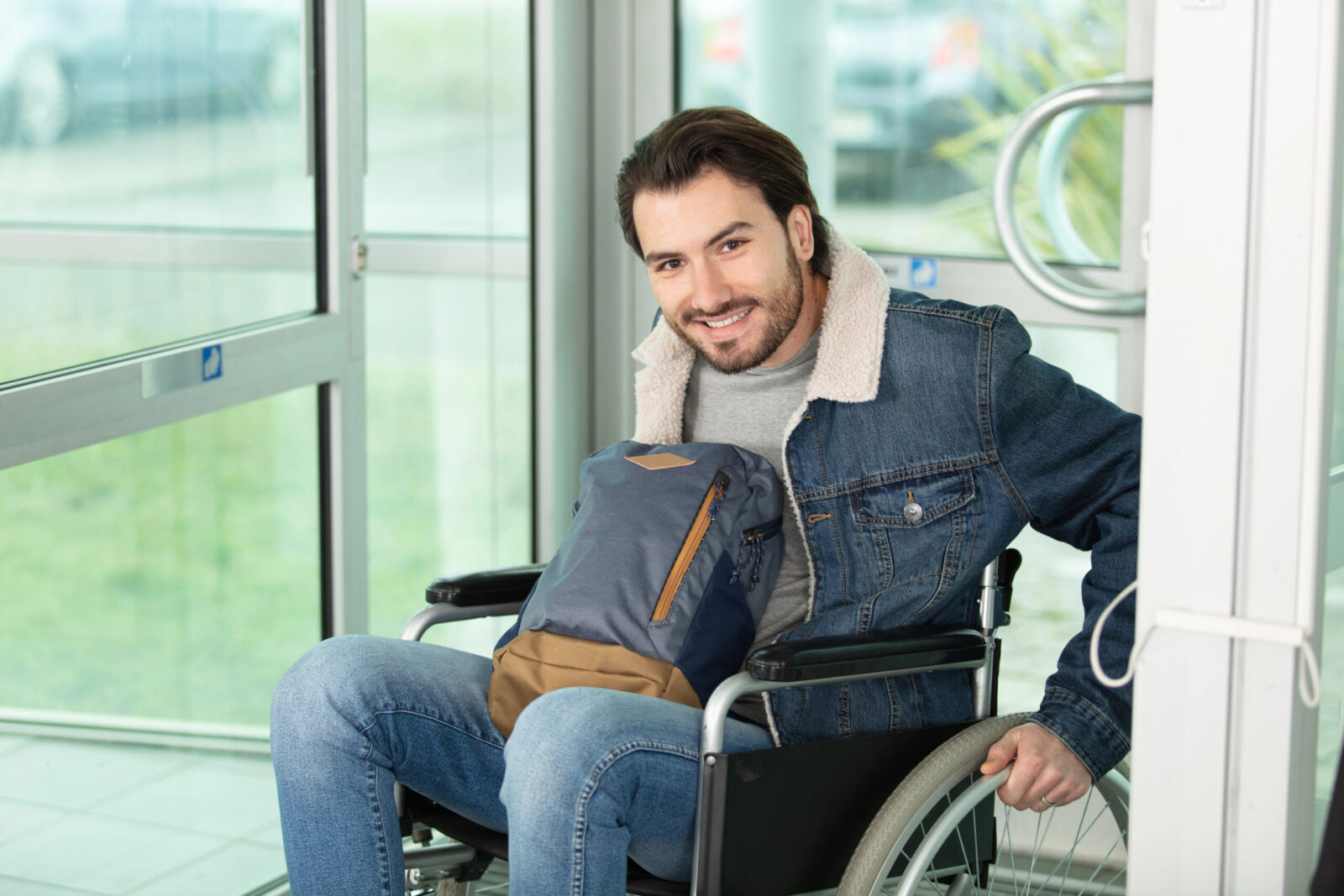
The U.S. Department of Transportation issued new federal accessibility standards to protect airline passengers with disabilities. Specifically, the policy focuses on travelers who rely on wheelchairs and mobility devices. Federal officials developed the regulation under the Air Carrier Access Act. Notably, that law prohibits discrimination in air travel. Authorities responded to years of complaints about injuries, damaged equipment, and unsafe assistance. Many passengers depend on customized mobility devices for daily life. CNN coverage of the policy can be found at DOT announces new protections for air travelers with disabilities | CNN
Transport failures can disrupt medical care and employment. Furthermore, they can limit personal independence and safety. Therefore, these accessibility standards aim to ensure assistance remains reliable and respectful. Officials titled the policy “Ensuring Safe Accommodations for Air Travelers with Disabilities Using Wheelchairs.” The rule applies to U.S. and foreign airlines covered by federal law. Federal authorities put the regulation into effect on January 16, 2025. Federal Register :: Ensuring Safe Accommodations for Air Travelers With Disabilities Using Wheelchairs provides more detailed information. Be sure to click on that link from the Federal Register for further information.
Safer Handling of Mobility Devices and Assistive Equipment
The regulation directs airlines to treat wheelchairs as essential medical equipment. Accordingly, carriers must follow strict procedures during loading and unloading. Staff must not treat these devices as ordinary baggage. Previously, transfer mistakes caused serious injuries to passengers. Therefore, the new standards aim to reduce harm and equipment damage. Airlines must return devices promptly and in usable condition.
New communication rules apply when equipment delays occur. Meanwhile, airlines must inform passengers about device status and recovery plans. Staff must provide loaner equipment when necessary. Passengers may inspect their property upon arrival. If a device cannot travel on the scheduled flight, carriers must arrange alternatives. Consequently, these provisions reinforce federal protections for disabled travelers.
Mandatory Training Requirements Under Accessibility Standards (June 2026 Deadline)
The rule requires comprehensive training for airline employees and contractors. Importantly, personnel who assist passengers must complete detailed instruction programs. Trainers will teach safe lifting and transfer techniques. Workers must also learn proper handling procedures for assistive equipment. Airlines must include hands-on practice sessions during training. This requirement applies to staff and third-party service providers.
All relevant personnel must complete training by June 17, 2026. Subsequently, airlines must train new employees before assigning related duties. Companies must also provide annual refresher instruction to maintain skills. These measures aim to standardize assistance practices across the industry. Officials expect fewer injuries and equipment failures as a result. Ultimately, travelers should experience more consistent support nationwide under these accessibility standards.
When Mobility Devices Are Damaged During Air Travel
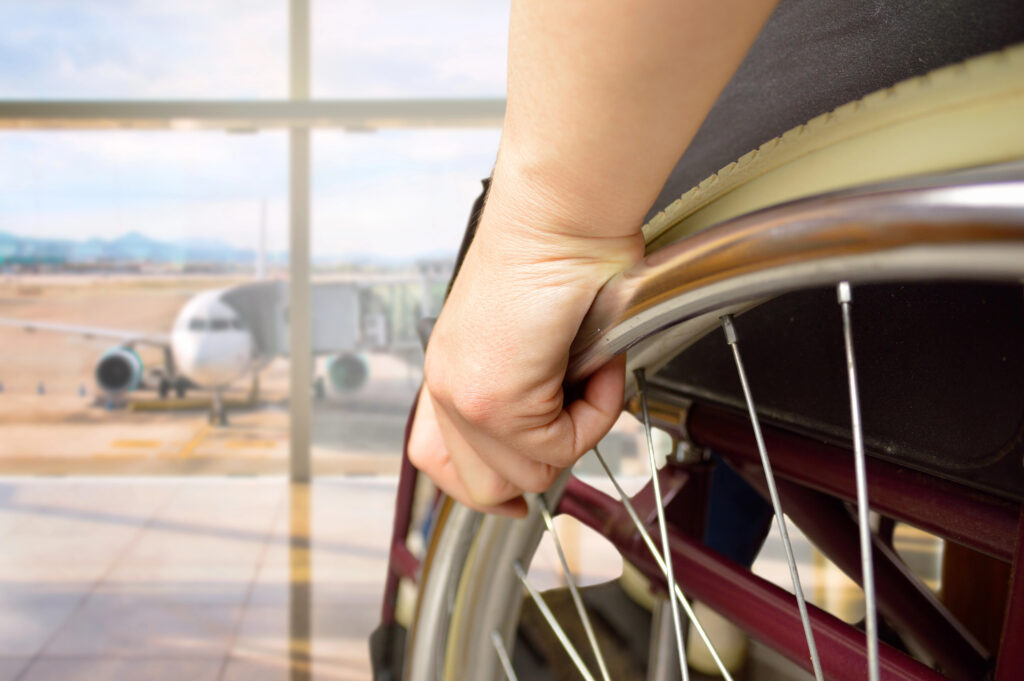
Even with stronger accessibility standards in place, incidents involving damaged wheelchairs and assistive equipment continue to occur during loading and transport. Such damage can leave passengers stranded, injured, or unable to continue their journey safely, which directly undermines the purpose of the new protections. Please see the Airport News Now article, “Mobility Device Damage: How to Hold the Airport Accountable“, for a clear explanation of how to document the incident, report it before leaving the terminal, and pursue repairs or replacement through the proper channels. Understanding these steps reinforces the broader push for accountability and ensures that the new rules translate into real protection rather than promises on paper.
Standards for Safe and Respectful Assistance
The regulation requires airlines to deliver assistance that is both safe and dignified. In other words, safe assistance avoids actions that increase injury risk. Respectful assistance protects privacy, autonomy, and independence. Officials introduced this language after numerous reports of rough handling. In several cases, passengers were dropped during transfers between devices. Regulators concluded that clearer expectations were necessary.
Airlines must also provide assistance promptly throughout the journey. Specifically, staff must help passengers during boarding, connections, and arrival. Delays can leave travelers stranded for extended periods. The rule establishes expectations for staffing levels and response times. Accessibility now represents a legal obligation rather than a courtesy. As a result, these provisions strengthen disability rights in aviation.
A Disabled Passenger’s First-Hand Experience Highlights Need for Dignity and Accessibility
This video from the WRAL News YouTube channel highlights Jenny’s experience as a disabled passenger. During her trip, she navigated the airplane with limited assistance and support. She described physical strain and emotional stress throughout the journey. Her story demonstrates how accessibility failures create unsafe and humiliating situations. The report stresses the need for respectful communication and proper handling. Above all, it emphasizes timely and competent help as a basic expectation. Please see the YouTube Short below where she shows you her experience on a flight. This video emphasizes the need for proper handicap assistance and treating people with dignity.
Broader Impact of Accessibility Standards on Air Travel
The regulation represents a major accessibility update for the aviation industry. Generally, air travel presents significant challenges for people using mobility equipment. Officials hope improved procedures will restore trust in flying. Accessible transportation expands employment, healthcare access, and family connections. It also reduces social isolation for many individuals. Many airports are upgrading facilities to meet these goals.
Implementation will take time because airline operations are complex. Meanwhile, some requirements have deadlines extending into 2026. Legal reviews have affected enforcement timelines for certain provisions. Nevertheless, agencies continue pushing for compliance nationwide. Federal authorities aim to achieve equal access to air travel. Ultimately, the long-term goal focuses on safety and dignity for all passengers.
Final Outlook for Travelers Under Accessibility Standards
Passengers should expect gradual improvements as airlines comply with the regulation. Notably, the June 2026 training deadline marks a major milestone. By then, frontline staff should follow uniform assistance procedures. Travelers may notice safer transfers and improved equipment handling. Communication requirements should reduce confusion during disruptions. Consequently, these changes aim to prevent serious hardship.
The policy represents a shift toward accountability across the airline industry. Airlines now face stronger legal obligations than before. Advocacy groups consider the reforms long overdue. Continued oversight will determine how effective the measures become. For many travelers, safer assistance could restore confidence in flying. Ultimately, the initiative seeks to ensure air travel remains accessible to everyone.