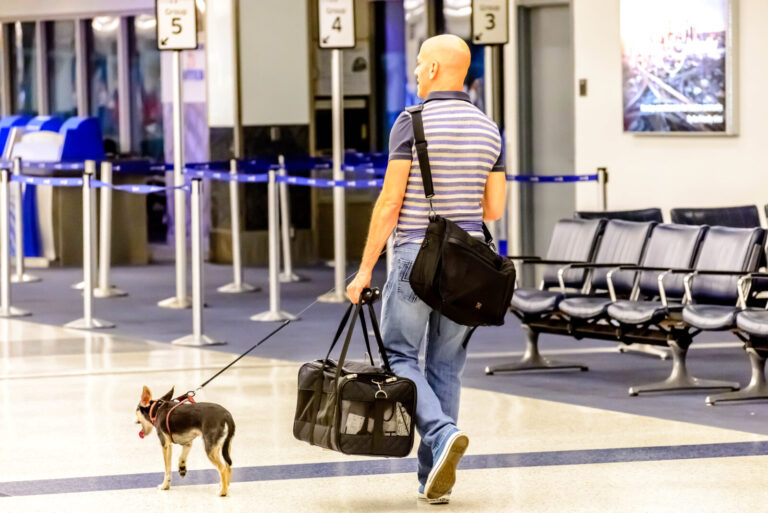
Passengers age 75 and older receive special accommodations during airport security under the TSA’s senior screening procedures. These adjustments are designed to reduce physical strain while maintaining strict safety standards. Unlike general expedited programs, these benefits apply automatically based on age and do not require enrollment or fees. TSA officers determine eligibility through identification at the checkpoint, so travelers do not need to apply in advance. The process emphasizes efficiency, dignity, and reduced physical demands compared with standard procedures. Officers may use alternative methods that minimize bending, lifting, or prolonged standing, which is especially helpful for travelers with balance issues or joint limitations.
Automatic Eligibility and Modified Procedures
Senior screening applies automatically once age is verified, meaning travelers do not need to enroll in any special program. Many older passengers can move through the checkpoint using procedures designed to reduce physical strain. For example, officers may allow certain clothing items to remain in place unless additional inspection is required. These adjustments help travelers maintain comfort while still complying with security requirements. The overall goal is to streamline screening without compromising safety.
Not the Same as TSA PreCheck
A common misconception is that seniors automatically receive TSA PreCheck. Senior screening does not include enrollment in PreCheck, which remains a separate paid program requiring application and approval. Travelers who want dedicated screening lanes or simplified baggage rules must still enroll in that program. However, the age-based modifications often deliver similar comfort advantages without any fees or background checks. Many older passengers still pass through standard lanes, but their screening steps are adjusted to reduce physical strain. Be sure to check out Screening for Passengers 75 and Older | Transportation Security Administration for more detailed information on what is offered.
Personal Hearing Support for Noisy Airports

Portable hearing assistance devices can dramatically improve communication for travelers who struggle to hear announcements in crowded terminals. These devices amplify speech, reduce background noise, and help users distinguish important sounds such as boarding calls or gate changes.
Please see the Airport News Now article, “Portable Hearing Aid The Best Hearing Devices for Airport Assistance“ for a detailed overview of compact solutions designed specifically for travel environments. Modern hearing aids and personal amplifiers can even connect directly to smartphones or broadcast systems, allowing announcements to stream clearly to the user despite surrounding noise. Experts recommend carrying backup batteries or chargers and keeping devices in a carry-on bag to ensure continuous operation throughout long travel days.
Senior Screening for Limited Mobility
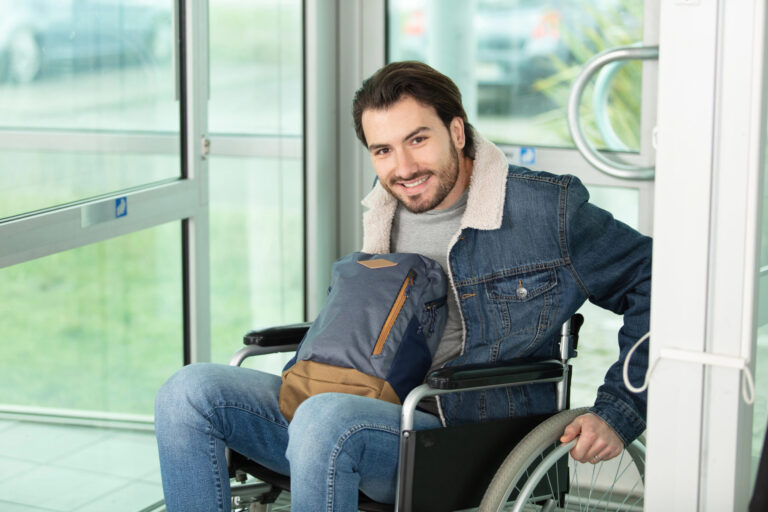
Passengers who cannot stand for extended periods may request seated screening. TSA officers can conduct a pat-down while the traveler remains seated in a chair or wheelchair. This option helps individuals with balance issues, joint problems, or chronic pain. Officers may also test hands for trace explosives instead of requiring full-body scans. Mobility aids such as walkers and wheelchairs will still undergo inspection. These methods allow screening to proceed without forcing uncomfortable physical exertion.
Screening Procedures for Medical Devices
Many older travelers rely on medical equipment or implants that must remain in place. Security procedures allow most medical devices to stay on the body during inspection. Pacemakers, prosthetics, insulin pumps, oxygen equipment, and similar items typically do not need removal. Travelers should notify officers before screening begins so appropriate methods can be used. Officers may conduct manual inspections or swab tests to clear the device. Documentation is optional but can help expedite the process.
TSA Cares Assistance for Senior Screening
Travelers who need additional help beyond standard age-based screening can use the TSA Cares program. This service provides guidance before travel and assistance during screening for passengers with medical conditions or disabilities. Travelers can contact TSA Cares up to 72 hours before departure to request support. Passenger Support Specialists may be available to explain procedures and coordinate accommodations at the checkpoint. This service does not replace airline wheelchair assistance, but it complements it. Planning ahead can greatly reduce confusion in busy terminals.
Checkpoint Breach Report: What NOT to Do at TSA Screening
A recent Good Morning America report on their YouTube channel highlights serious security incidents in which individuals attempted to bypass TSA checkpoints entirely. According to the report, hundreds of people tried to evade screening procedures, demonstrating that even small rule violations can trigger major disruptions, law enforcement responses, and flight delays. Travelers should never attempt to slip past ID checks, enter restricted lanes without authorization, or follow others through secured areas without proper screening. These actions are illegal, dangerous, and can lead to detention, missed flights, or criminal charges. The report serves as a stark warning that cooperation with officers, patience in line, and strict adherence to instructions are essential for everyone’s safety. Please see the YouTube video from Good Morning America below for the report.
Final Takeaway for Senior Screening
Senior screening provides meaningful perks at TSA checkpoints without requiring enrollment in any program. The ability to remain seated when needed and use alternative screening methods can significantly reduce physical strain. These accommodations often make travel far more manageable for older adults. However, full expedited benefits such as dedicated lanes still require TSA PreCheck enrollment. Understanding how these procedures work helps travelers plan more effectively. With proper preparation, passengers 75 and older can move through airport security safely, comfortably, and with far less stress.