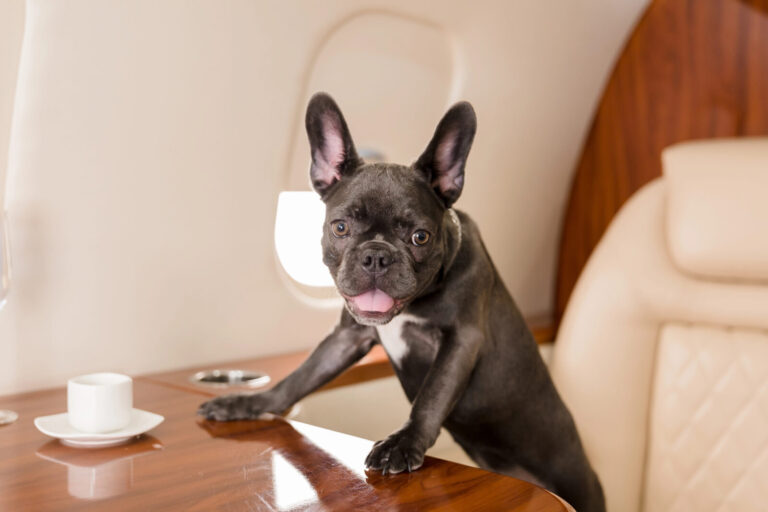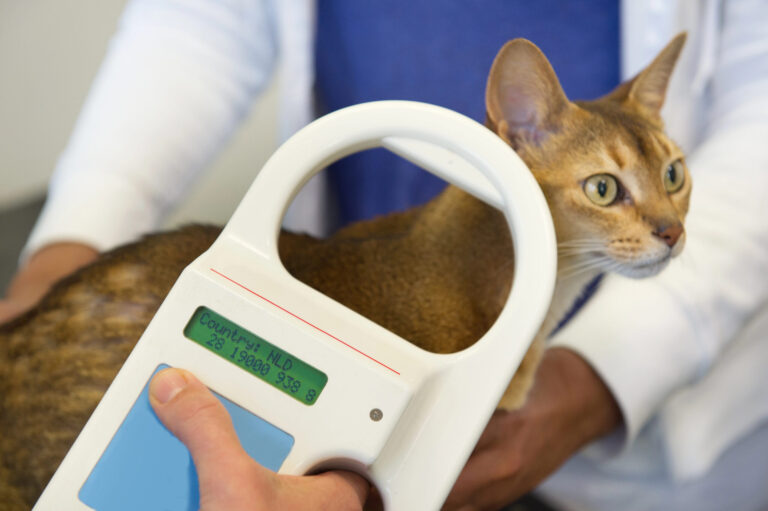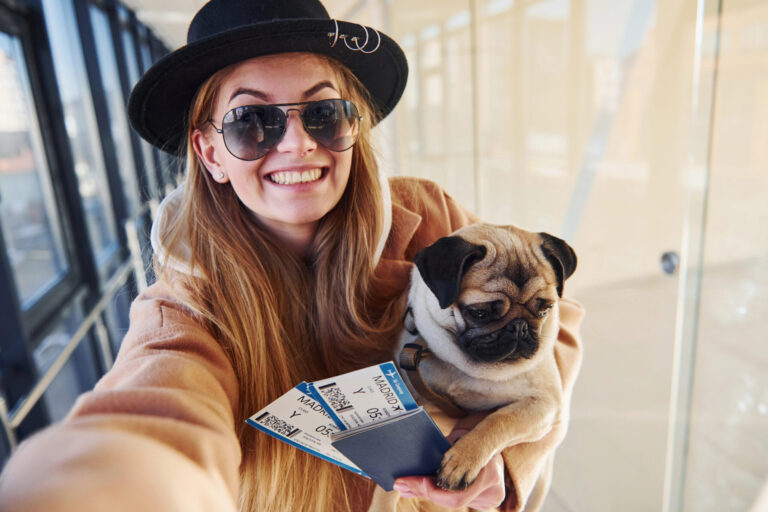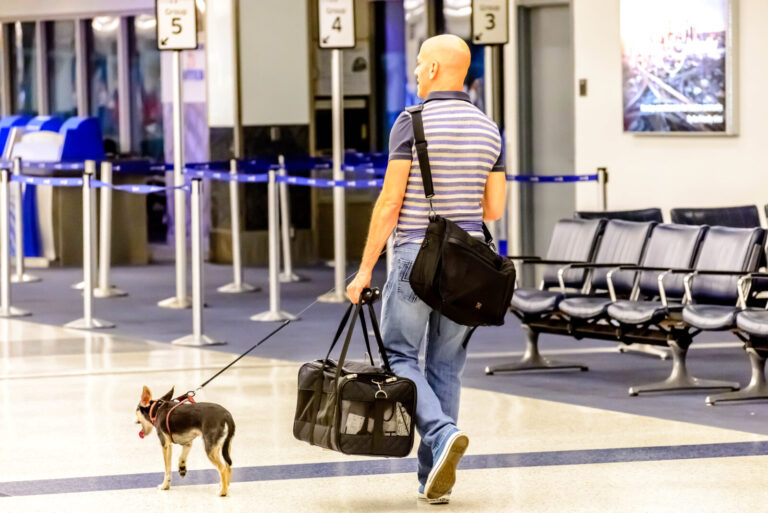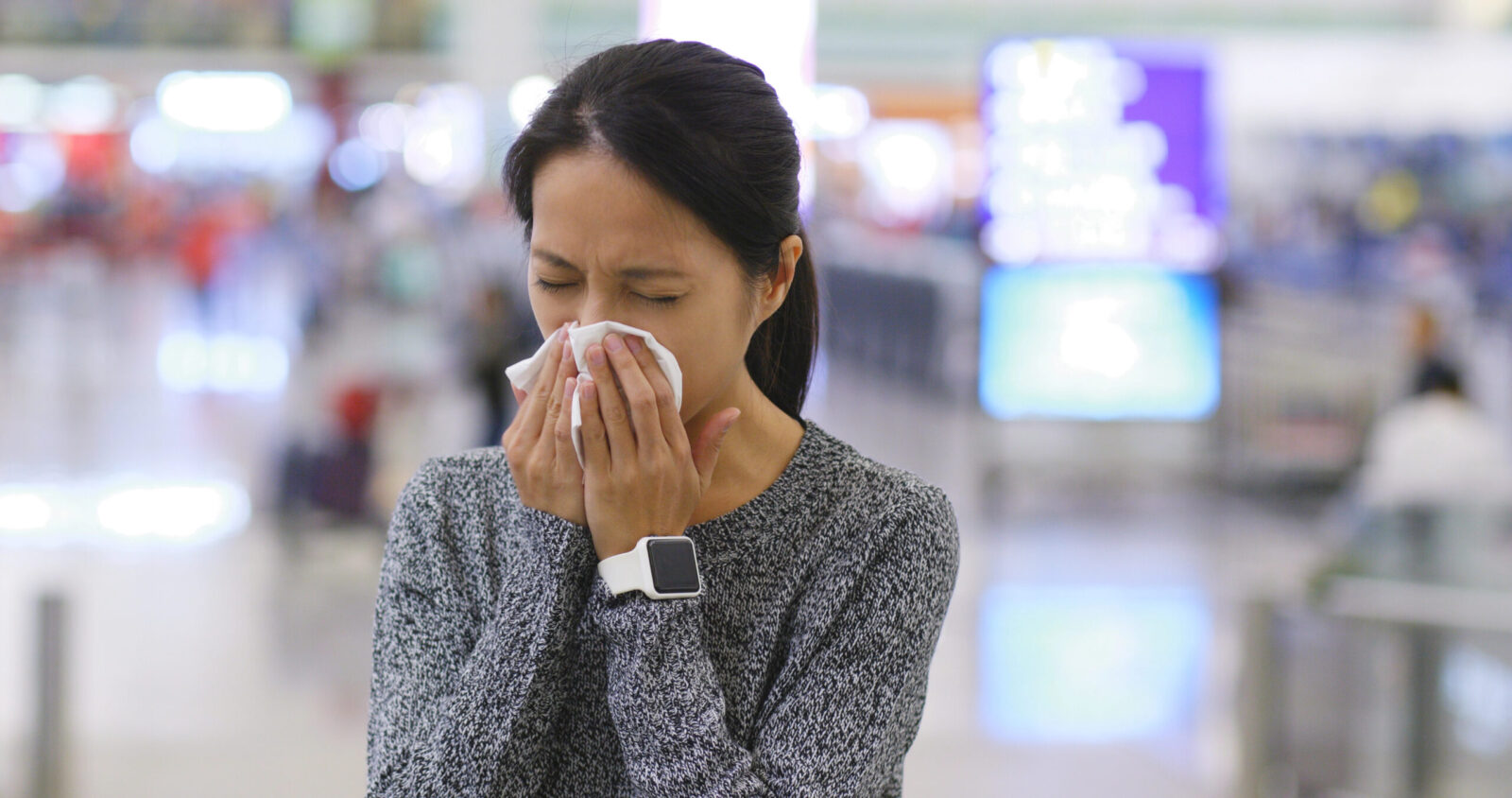
Air travel now includes many pets in the cabin. Passengers often bring cats or small dogs in approved carriers and place them under the seat. For travelers with a pet allergy, this situation can trigger breathing problems, hives, or asthma symptoms within minutes. In severe cases, exposure may escalate into a medical emergency during flight. Conflicts arise when two passengers with legitimate needs sit next to each other. This issue usually appears after boarding, when seating options are limited.
Airlines must balance medical concerns, pet policies, disability regulations, and operational constraints. At the same time, crews must keep the flight on schedule while maintaining safety. As a result, decisions often happen quickly and with few alternatives. Passengers who understand the process respond more effectively. Preparation and calm communication greatly improve outcomes.
How Airlines Allow Animals in the Cabin
Most airlines allow small pets to travel in the cabin if they remain inside approved carriers. The carrier must fit completely under the seat in front of the passenger. Airlines also require the carrier to stay closed during most of the flight. Each flight typically limits the number of animals onboard, but airlines do not designate pet-free seating sections. The FAA has more information at Flying with Pets | Federal Aviation Administration. Please be sure to visit that site for more details.
Passengers with a pet allergy may not realize an animal is nearby until boarding begins. This discovery can cause immediate stress. From the airline’s perspective, the pet qualifies as approved carry-on cargo rather than a special accommodation. Therefore, airlines do not usually notify nearby travelers in advance.
Choosing the Right Carrier to Prevent In-Cabin Conflicts
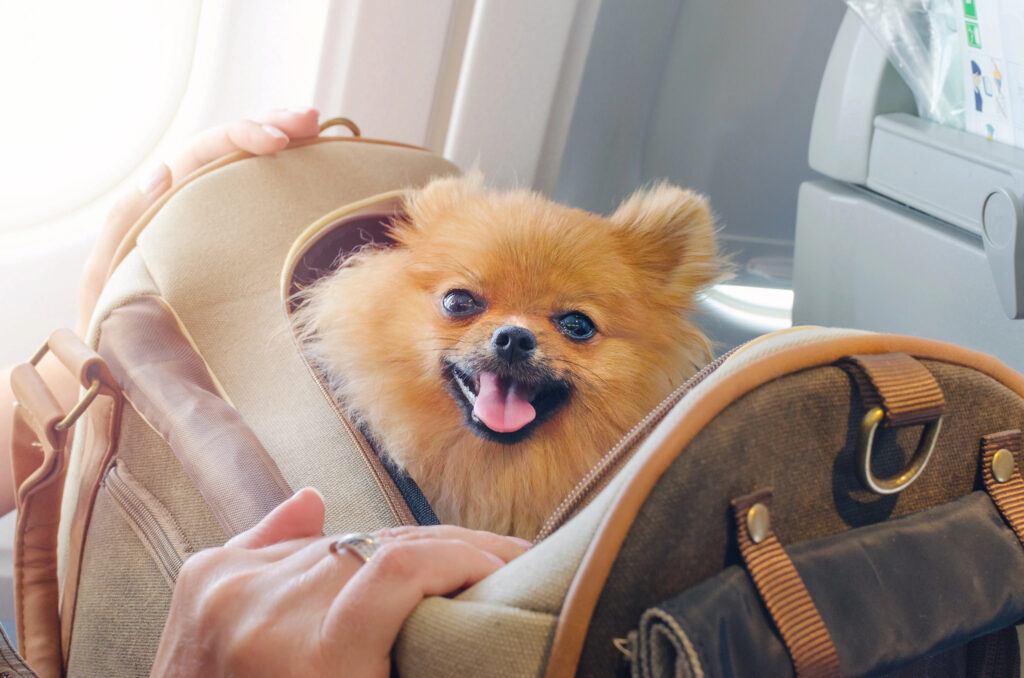
Selecting an airline-approved carrier is one of the most important steps for smooth pet travel, since improper sizing or handling can create stress for both animals and nearby passengers. Proper carriers must fit fully under the seat, provide ventilation, and allow the animal to sit or turn comfortably, which reduces movement and noise during flight. Please see the Airport News Now article, “Airline Pet Carriers: How to Handle Size Rules and Efficient Handling” for a detailed breakdown of measurement standards, security procedures, and airline-specific limits that travelers often overlook. Understanding these requirements in advance helps prevent last-minute gate issues that can intensify tension in crowded cabins, including situations involving a pet allergy.
Airline Responsibilities to Passengers With Allergies
Airlines must provide a reasonably safe environment for everyone on board. However, they cannot guarantee an allergen-free cabin. Animal dander, fur, and saliva proteins may remain in the air or on surfaces from previous flights. Even minimal exposure can trigger symptoms for someone with a severe pet allergy.
At the same time, another passenger has the right to travel with an approved animal. Flight attendants generally attempt reasonable adjustments when possible. Available seating determines what solutions exist. Safety considerations guide every decision. If no workable option is available, the airline may arrange alternatives or rebook travel.
Why Pet Dander Causes Problems on Aircraft for Those with a Pet Allergy
Aircraft cabins are enclosed environments with limited space to create distance from allergens. Pet dander consists of microscopic particles that remain airborne and cling to fabrics. Movement during boarding can stir these particles into the air.
Time pressure further complicates the situation. Boarding schedules allow little opportunity for lengthy negotiations. Crew members must make quick decisions to maintain safety and departure timelines. As a result, travelers experiencing symptoms may need immediate assistance.
Service Animals and Legal Protections
Service animals fall under federal disability law rather than standard pet policies. A trained service dog may sit outside a carrier at the handler’s feet. Airlines generally cannot deny boarding to a legitimate service animal unless it poses a safety risk or behaves aggressively.
Passengers with a pet allergy cannot require removal of a service animal. However, crew members may attempt to separate passengers if seating permits. Providing advance notice to the airline significantly improves the likelihood of accommodation.
Cabin Air Systems and HEPA Filtration
Modern aircraft use sophisticated ventilation systems designed to improve air quality. Most large commercial jets recirculate part of the cabin air through HEPA filters. HEPA stands for High-Efficiency Particulate Air.
These filters capture at least 99.97 percent of airborne particles measuring 0.3 microns, including dust, pollen, bacteria, and many allergens. Pet dander falls within this size range. Fresh outside air also mixes continuously into the cabin, creating steady air exchange.
Airflow typically moves from ceiling to floor within each seating section rather than from the front of the aircraft to the rear. This design limits long-distance spread of contaminants. However, filtration does not act instantly. Passengers seated next to an animal may inhale allergens before the air cycles through the system.
Soft surfaces inside the cabin can retain allergens as well. Seat upholstery, carpeting, clothing, and carry-on items may hold dander long after the animal leaves. Movement can release particles back into the air, prolonging symptoms.
What to Do If You Discover an Animal Nearby After Boarding
Notify a flight attendant immediately if you have a pet allergy. Early notice gives crew members more time to assist. Staff will assess symptom severity and check for available seats elsewhere. If possible, they may relocate either passenger.
Remain calm and avoid confronting the animal’s owner. Crew members manage conflicts more effectively when passengers cooperate. Clear descriptions of symptoms help staff determine urgency and appropriate action.
If You Experience an Allergic Reaction During Flight
Take action quickly if symptoms develop:
- Notify a flight attendant immediately
- Use prescribed medication such as an inhaler or epinephrine auto-injector
- Request relocation away from the animal if possible
- Avoid touching the carrier or surrounding surfaces
- Seek medical assistance if breathing worsens
Prompt treatment can prevent symptoms from escalating into a serious emergency.
Handling a Pet Allergy on a Full Flight
A completely full flight presents the greatest challenge. No empty seats remain for immediate relocation. Crew members may ask nearby passengers to volunteer for a seat swap. Often someone agrees, resolving the problem quickly.
If no volunteers come forward, staff must explore other options. They may temporarily move the affected passenger while assessing solutions. In severe cases, crew members may consult medical support on the ground. Safety always takes priority over convenience.
Passenger Rights and Practical Limitations
Passengers do not have a guaranteed right to a pet-free seating area. Airlines promise transportation, not specific cabin conditions. Laws require accommodations only in certain circumstances. Nevertheless, airlines must address genuine medical risks responsibly. The Airline Passengers with Disabilities Bill of Rights | US Department of Transportation provides more information on your rights as a passenger and the airline’s responsibilities. Medical documentation strengthens requests for assistance. Without prior notice, crews rely on real-time judgment. Available seating still determines what actions they can take.
Planning Ahead Before You Fly
Advance preparation offers the best protection. Notify the airline before travel if you have a pet allergy. Accessibility or medical assistance desks can note your reservation. While this does not guarantee separation, it increases the likelihood of accommodation.
Always carry necessary medication in your carry-on bag. Never place it in checked baggage. Choosing an aisle seat can make relocation easier if needed. Early boarding allows time to identify potential problems before departure.
Guidance for Passengers Traveling With Pets
Pet owners share responsibility for maintaining a safe cabin environment. Animals should remain securely contained at all times. A closed carrier reduces the spread of allergens. Opening the carrier unnecessarily increases exposure risk for nearby passengers. If crew members request a seat change, comply promptly. Cooperation helps prevent delays and ensures safety for everyone onboard.
When the Airline May Remove Someone with a Pet Allergy from the Flight
In rare situations, the airline may determine that one passenger cannot travel safely. Staff may rebook either the affected traveler or the pet owner depending on circumstances. Policies vary between airlines, and compensation is not guaranteed. Removal from the flight remains a last resort. The airline’s primary responsibility is the safety of passengers and crew.
Real-World Incident: Passenger with Service Dog Making Arrangements with Passenger Who Has a Severe Pet Allergy
In this YouTube Short from the Rachel and Bolt channel, Rachel explains a real situation in which her service dog Bolt, was present while another traveler nearby had a dog allergy. The video describes how the airline had to balance two legitimate needs — disability accommodation and passenger health — within the confined space of the cabin. Crew members worked to manage seating and maintain safety for both individuals. The experience illustrates how airlines typically seek practical compromises when a pet allergy conflicts with legally protected service animal travel.
Final Thoughts on Flying With a Pet Allergy
Conflicts between animals and sensitive passengers are an unavoidable part of modern air travel. Airlines must balance competing needs in a confined environment while operating under strict time constraints.
Early communication, preparation, and access to medication greatly improve the chances of a safe journey. Travelers who plan ahead can reduce risk significantly. Although airlines cannot guarantee an allergen-free cabin, crews usually attempt reasonable solutions when alerted promptly.