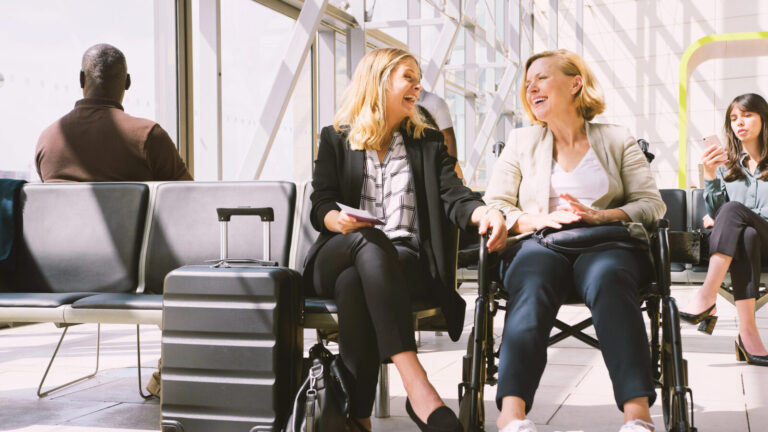
Airports prioritize throughput and safety rather than comfort. Public address systems, baggage conveyors, security screening lanes, passenger queues, and intense lighting operate simultaneously. As a result, airport sensory overload can develop within minutes. Adults with autism who travel alone must manage this environment without assistance. Careful planning and efficient movement therefore become essential. Understanding airport operations from curb to gate replaces uncertainty with a predictable sequence of actions.
Identify Airport Sensory Overload Hot Zones Before You Travel
Not every area inside a terminal produces the same level of stimulation. Ticketing halls, security checkpoints, baggage screening zones, and boarding queues create the highest noise and crowd density. Reviewing terminal maps ahead of time helps travelers identify these sensory overload hot zones. Familiarity with congestion points also prevents hesitation and reduces exposure time. Alternate checkpoints or off-peak travel hours can lower intensity even further. Preparation turns a complex terminal into manageable segments.
Use a Carry-On Strategy That Reduces Screening Delays
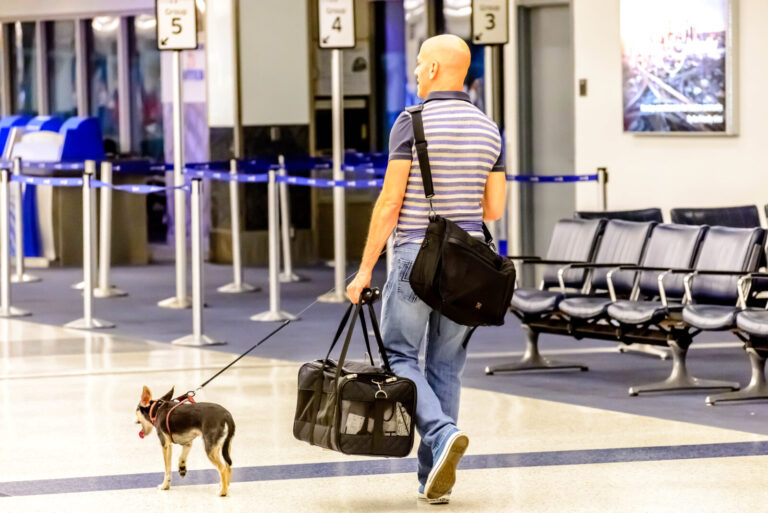
Disorganized baggage slows screening and increases interaction with security personnel. Consequently, travelers remain longer in crowded, high-noise conditions. Packing in a simple, structured manner allows quick removal of required items. Standard travel items pass faster than unusual objects, which often trigger manual inspection. A streamlined carry-on setup keeps movement continuous. Continuous movement therefore reduces exposure to conditions that cause sensory overload.
Control Noise Sources That Trigger Sensory Overload
Airports rely heavily on sound to coordinate operations. Boarding announcements, paging systems, alarms, and mechanical equipment produce constant background noise. This noise can intensify airport sensory overload very quickly. Standing away from speaker clusters and service desks reduces sound immediately. Equipment areas also produce high noise levels, so distance helps significantly. Waiting farther from the gate until boarding begins usually provides a calmer environment. Noise-reducing headphones or ear protection can lower exposure further while maintaining awareness.
Autistic Jenny — Autie Airlines: An Autism-Friendly Take on Air Travel
Autistic Jenny presents a humorous, yet sharply observant vision of what flying could look like for passengers with autism. The video highlights common stressors such as loud announcements, ridiculous procedures, crowded boarding areas, and unpredictable social interactions. Although comedic, Autistic Jenny’s Autie Airlines concept underscores how relatively small operational changes could significantly reduce anxiety and sensory overload for many travelers. If this perspective resonates, I loved it! viewers should definitely consider subscribing to Autistic Jenny’s channel for more thoughtful, relatable content that blends humor with practical accessibility insights.
Choose Arrival Times That Minimize Passenger Density
Passenger volume determines both noise levels and crowding. Early departure banks, connection waves, and holiday travel periods create the most intense conditions. In contrast, midday and late-evening departures usually involve lighter traffic. Extremely early arrival increases total exposure time, while late arrival compresses movement into urgent conditions. A balanced arrival window allows steady progress without prolonged waiting. Lower density therefore produces a more manageable environment throughout the terminal.
Locate Low-Stimulation Areas to Recover from Sensory Overload
Even busy terminals contain quieter sections. Terminal ends, unused gates, interfaith chapels, and secondary corridors see less traffic than central concourses. Moving away from retail zones and food courts immediately reduces noise and visual stimulation. Identifying these areas early provides a reliable retreat if sensory overload begins to build. Short breaks in calmer surroundings can restore regulation without leaving the secure area. Prior knowledge of relief spaces prevents frantic searching during distress.
Hidden Disabilities Sunflower Lanyard — Discreet Support for Non-Visible Conditions

The Hidden Disabilities Sunflower lanyard is a simple, internationally recognized symbol that quietly indicates a traveler may have a non-visible disability and could need extra time, patience, or assistance. Many airports train staff to recognize the lanyard and respond with supportive communication, flexible pacing, or guidance through complex procedures. For a detailed breakdown of how this program works and why it can significantly reduce stress in busy terminals, Please see the Airport News Now article, “Hidden Disabilities Sunflower Lanyard: What It Is, How It Works, and Why Every Traveler With a Non-Visible Disability Should Use One“. Used strategically, the lanyard can improve interactions at checkpoints, boarding gates, and service counters without requiring personal disclosure.
Maintain Physical Stability to Support Environmental Tolerance
Physical discomfort lowers tolerance for intense surroundings. Airports often require long walking distances, extended standing, and irregular meal timing. Carrying water and familiar food maintains baseline stability. Comfortable clothing also reduces irritation during long waits. Layered clothing allows quick adjustment to temperature differences between terminals and aircraft cabins. Fatigue and dehydration accelerate overload faster than environmental factors alone. Strong physical readiness therefore improves endurance and focus.
Hidden Disabilities Sunflower Lanyard — Quick Travel Tip from YouTube
This YouTube Short from Avery’s Autism Adventures explains that the Hidden Disabilities Sunflower lanyard provides a discreet way for travelers with non-visible conditions to signal they may need extra time, patience, or assistance. Airport staff who recognize the symbol can adjust communication style, reduce pressure, or offer guidance through complex areas. The clip emphasizes how this simple visual cue can improve the travel experience without requiring personal explanations.
Recognize Early Signs of Sensory Overload in the Terminal
The body often signals rising strain before full overload occurs. Irritability, difficulty concentrating, muscle tension, and heightened sensitivity to sound indicate increasing stress. When these signs appear, immediate relocation or a brief pause can stop escalation. Ignoring them may lead to shutdown or panic in a public setting. Awareness enables timely intervention while options remain available. Quick action preserves independence and control.
Prepare a Contingency Plan for Severe Sensory Overload
Air travel frequently involves delays, cancellations, or equipment problems. In the event of disruption, a clear plan reduces uncertainty. Airline service counters, customer support desks, and medical facilities provide assistance in most terminals. Carrying emergency contacts adds another layer of security. Preplanned responses for missed flights or extended delays support continued independence. Preparation ultimately converts unpredictable situations into manageable problems.
Final Thoughts
Airport sensory overload results from environmental intensity rather than personal weakness. Adults with autism can travel alone successfully with proper preparation. Understanding airport operations helps limit exposure to high-stimulation areas. Efficient movement, strategic timing, and awareness of quieter spaces significantly improve the experience. Planning focused on logistics therefore works better than reactive coping after overload begins. With deliberate preparation, solo air travel becomes predictable, manageable, and repeatable.