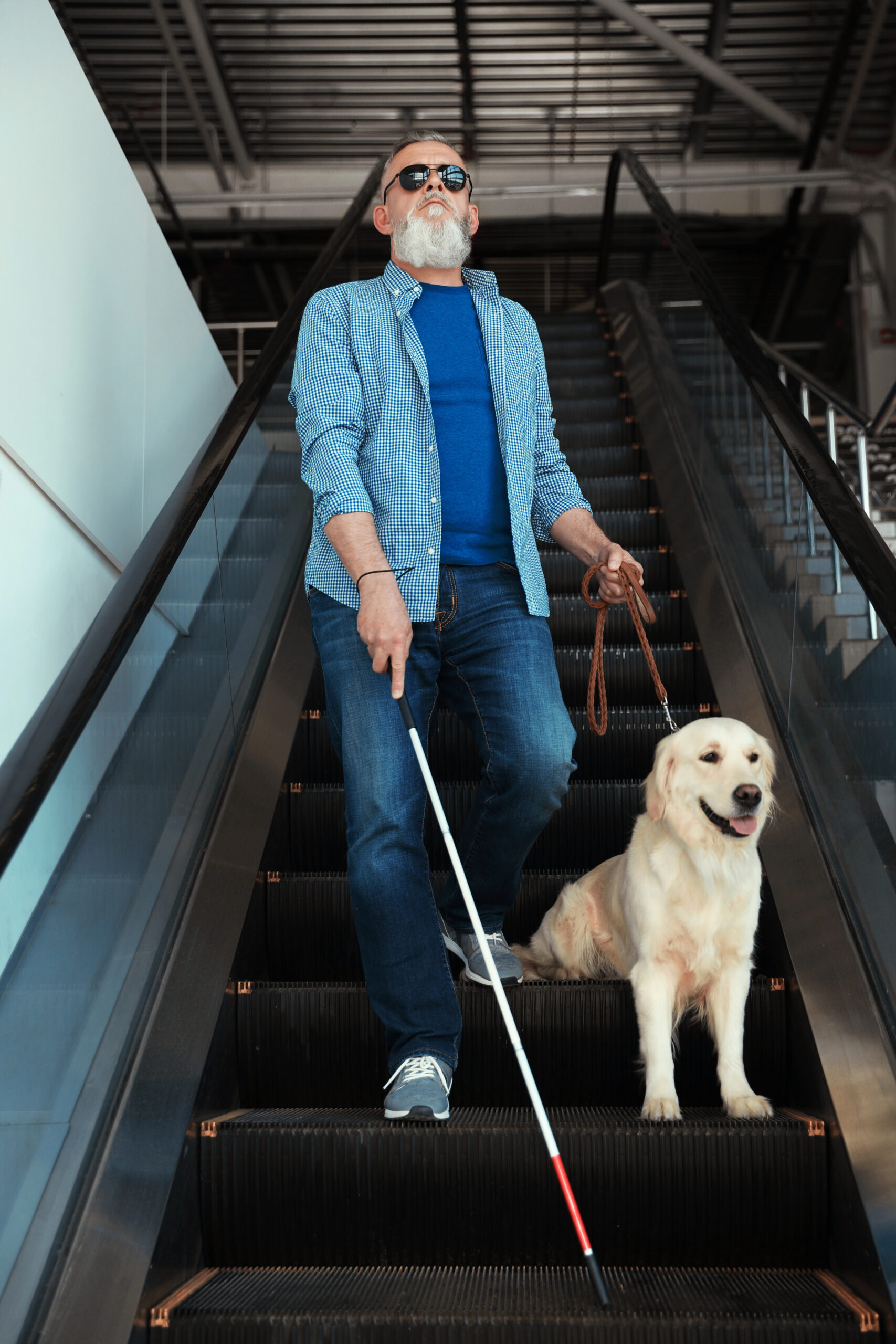
Why the Ticket Counter Matters for a Vision-Impaired Traveler
For a vision-impaired traveler, the ticket counter is where the day gets set up correctly or starts falling apart early. Airports run on visual information, including signs, screens, monitor boards, and fast-moving crowd patterns. Because of that, many travelers who can’t rely on quick visual scanning end up forced into last-second problem-solving later. The counter gives you a calmer, slower environment where staff still have time to do the job right. When you lock in assistance at check-in, you stop “hoping it works out” and start moving through the airport with an actual plan.
Vision-Impaired Traveler Check-In Script That Gets Real Results
The quickest way to get help is to speak in language the airline can document. Long explanations don’t help you, because the system only responds to clear instructions that staff can enter into your reservation. So keep it short, direct, and operational.
Say this:
“I’m a vision-impaired traveler and I need airport assistance today.”
Then follow it immediately with:
“Please document that in my reservation notes and read back what you entered.”
That read-back matters because it confirms you didn’t just request assistance—you made sure the airline recorded it correctly. If the reservation notes are vague, the next employee may ignore them or assume you need something else. Once the notes are specific, the system supports you instead of working against you.
Why Reservation Notes Matter More Than Anyone Admits
Airports don’t run on memory. They run on reservation notes, coded service requests, and internal communication between teams. If your request exists in the system, it becomes easier for the airline to follow through. If it isn’t documented, you can end up repeating yourself to every new staff member you meet.
Ask the agent to confirm two things:
- The request appears in your reservation notes
- The request includes clear wording, not vague language like “needs help”
When staff read back what they entered, you can correct problems immediately while you still stand in front of the person with the keyboard. That one step prevents the most common breakdown later: “I don’t see anything on your booking.”
Vision-Impaired Traveler Escort Request That Prevents Wrong Assistance
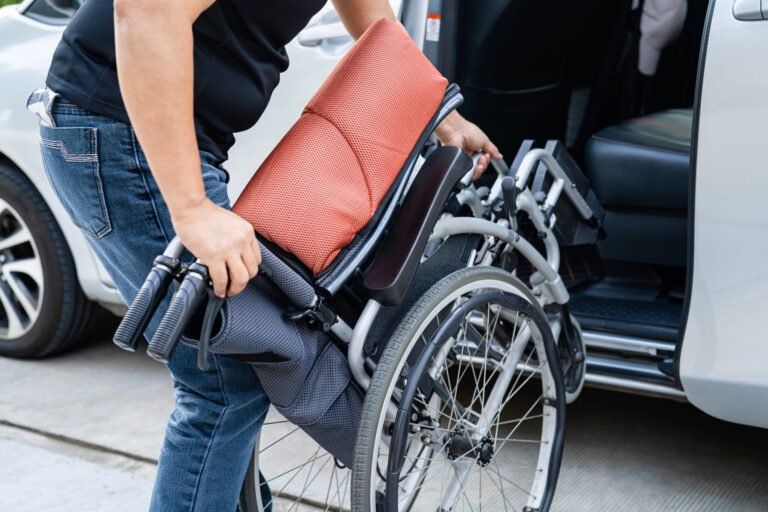
Airlines often default to wheelchair assistance because it’s common and easy to dispatch. However, many travelers with vision loss walk independently and don’t need a chair at all. If you allow the airline to guess, you may end up waiting for the wrong service while the clock keeps running.
If you want guided navigation, request it specifically:
“I need a sighted guide escort through TSA and to my gate.”
If you do not need a wheelchair, say it clearly:
“I do not need wheelchair service. I need guided assistance and verbal directions.”
That wording helps the airline assign the correct support the first time. It also avoids the awkward situation where staff arrive with equipment you never requested and treat you like a problem they need to “solve” quickly.
What Proper Guidance Should Include
A sighted guide escort should do more than walk near you. You want structured help that reduces confusion and prevents you from being dropped into chaos.
Ask for support that includes:
- Escort through TSA screening, not just “to the line”
- Verbal cues, not pointing
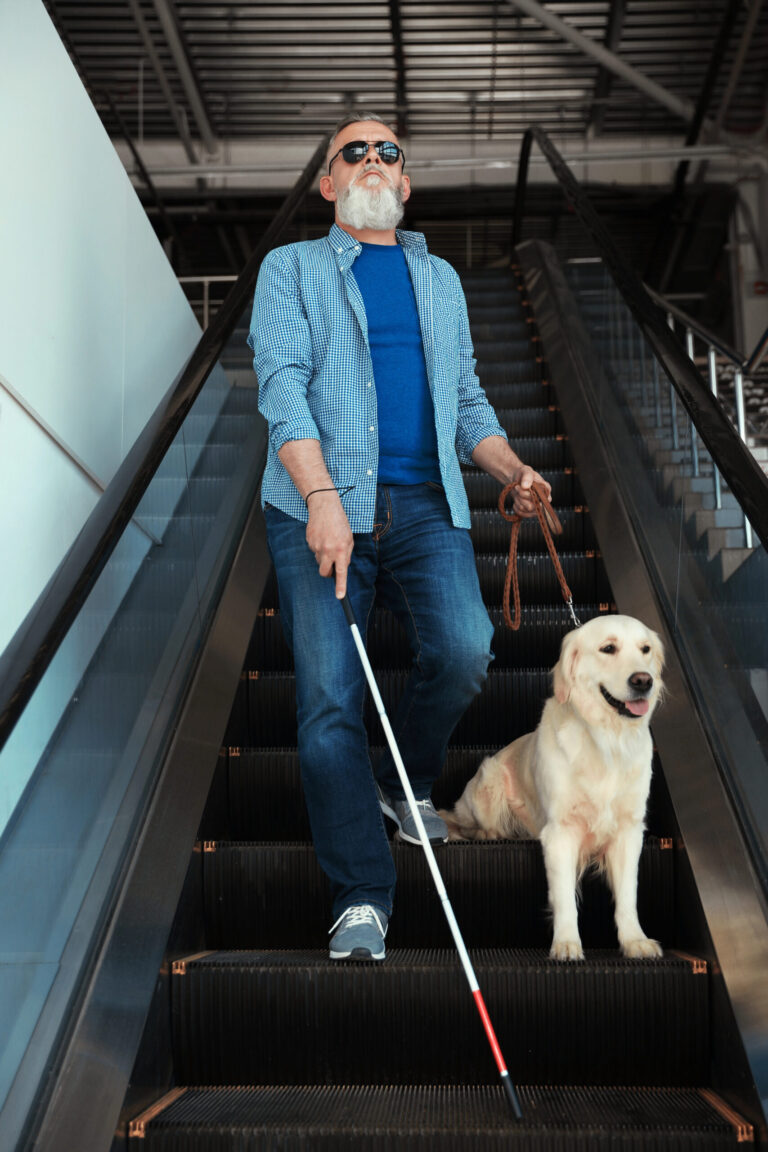
- Navigation through escalators, elevators, or terminal trains when needed
- A clear end point at the gate podium area
If the airline can’t provide a full escort, ask what portion they can provide and where the handoff occurs. That information matters because partial help can still leave you stranded in the busiest part of the terminal.
Vision-Impaired Traveler Gate Confirmation and Timing Questions
Gate information changes constantly, and airports assume everyone can read screens from across a crowded concourse. That’s why a vision-impaired traveler should confirm critical flight details verbally while the agent still has the record open.
Ask the agent to confirm out loud:
- Terminal
- Gate number
- Boarding time
- Departure time
- Any updated routing or changes
Then ask a practical follow-up:
“If the gate changes after I go through security, where can I get a verbal confirmation quickly?”
This keeps you from wandering to the wrong gate and losing time. It also reduces the risk of missing boarding because you couldn’t verify a change that happened quietly.
Ask About Trains, Shuttles, and Long Walking Routes
Some airports require long walks between concourses. Others rely on trains, shuttles, or moving sidewalks. Those details matter because they change your timing and your stress level.
Ask:
- “Will I need to take a train or shuttle to my gate?”
- “Is the gate a long walk from security?”
- “Are there detours or construction routes today?”
A clear route plan makes your travel day easier because you can pace yourself and avoid last-minute rushing. It also helps you decide whether you want an escort all the way or only through TSA.
Gate Handoff Rules That Prevent You From Being Dropped Early
One of the most common failures in airport assistance is the weak handoff. An escort may get you “close enough” and leave, even though you still need confirmation and a stable position at the gate.
Use direct language:
“Please escort me directly to the gate podium and confirm the gate number when we arrive.”
If possible, request a handoff to the gate agent:
“Please introduce me to the gate agent so they know I’m here.”
That prevents you from sitting too far away to hear announcements. It also helps if the gate changes again, because you already have a staff member who recognizes you and can respond faster.
Airport Assistance Timing Tools That Support a Vision-Impaired Traveler

If you want to strengthen your airport plan even more, the right timing tools can reinforce airport assistance when delays, gate changes, and long walks start stacking up. Please see this article from Airport News Now, “Airport Assistance for Visually Impaired Travelers Who Need Clear Timing,” where we break down compact gear that helps you track time through spoken clocks, talking watches, and backup safety options. In addition, it explains why routines like using the same pocket, the same clip point, and the same daily check reduce mistakes when airports get loud and unpredictable. Ultimately, pairing clear ticket counter requests with reliable timing tools keeps a vision-impaired traveler on schedule and prevents the day from turning into last-minute chaos.
Preboarding Should Be Added at Check-In, Not Negotiated at the Gate
Preboarding helps more than people admit because it removes the most chaotic part of boarding: crowd pressure in the aisle. Thus, it gives you time to settle, store your items, and speak to the crew without a line of passengers pushing behind you.
At the counter, say:
“Please add preboarding due to vision impairment and make sure it prints on my boarding pass.”
Then check your pass immediately. If it’s missing, the counter can fix it faster than the gate staff can. Thereby, this is one of the simplest ways to protect your pace and avoid unnecessary stress.
Vision-Impaired Traveler Seat Requests That Improve Comfort and Control
Seat selection isn’t just a preference—it can affect how stable and predictable the flight feels. Consequently, a good seat reduces collisions, interruptions, and confusion during boarding and deplaning.
A practical breakdown:
- Aisle seat: quicker access to the crew and restroom
- Window seat: fewer interruptions and less aisle traffic
- Forward rows: faster access to help and simpler boarding flow
Ask the agent like this:
“Can you assign a seat that reduces aisle traffic and improves crew access for me?”
That phrasing sounds functional, not picky. But it also signals to the airline that your request connects to safety and navigation, which staff take more seriously.
Cane and Carry-On Rules to Keep Mobility Tools With You
Your cane is mobility equipment. It should stay with you from curb to cabin. Gate-checking it creates risk, and losing it turns an airport into a dangerous environment fast.
At the counter, say:
“My cane stays with me through boarding and during the flight.”
Then ask the crew onboard how they prefer it stored for takeoff and landing. For example, a simple storage plan prevents tripping hazards while keeping your cane accessible after landing. Also keep your carry-on organized consistently, so you can find essentials without dumping items into the aisle.
TSA Screening Tips for a Vision-Impaired Traveler
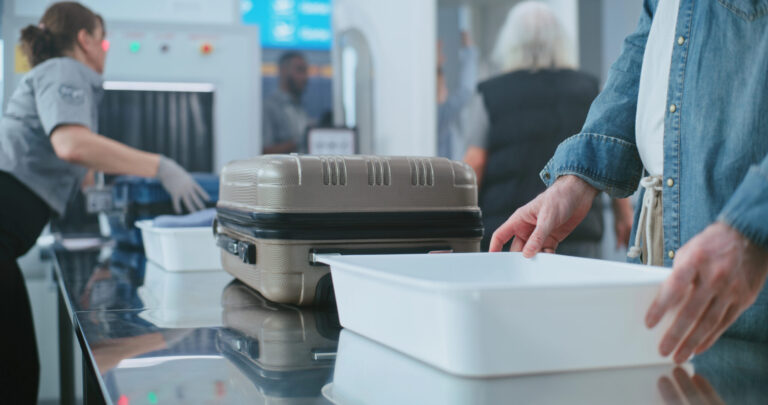
TSA checkpoints move quickly, and the process often relies on pointing and gestures. That doesn’t help when you need clear direction and predictable steps.
Ask for simple verbal cues like:
- “Bin is on your right.”
- “Place your bag on the belt in front of you.”
- “Step forward one pace.”
- “Your items come out at the end of the conveyor.”
Structured screening reduces stress and reduces mistakes. It also keeps your belongings from getting separated while bins move down the belt.
When the Airline Fails to Help, Escalate the Right Way
Sometimes assistance breaks down even when you request it properly. So, when that happens, don’t argue with staff who can’t solve it. Ask for a supervisor and force confirmation of your reservation notes.
Say:
“My reservation includes documented accessibility assistance. I need a supervisor to confirm the notes and restore the service now.”
That wording stays calm while still demanding action. If you need official disability passenger protections, reference the U.S. DOT guidance here: About the Air Carrier Access Act | US Department of Transportation
Knowing that page exists changes how airlines respond, because they understand you aren’t guessing.
Checked Bag Planning That Avoids Baggage Claim Confusion
Baggage claim relies heavily on visual identification and signage. Indeed, after a long flight, that environment can feel like noise, crowds, and guesswork all at once. So, your best move happens before the bag disappears behind the belt.
At check-in, ask:
- “Read my bag tag number out loud.”
- “Confirm the destination printed on the tag.”
- “Confirm my connection handling if I have one.”
If you expect to need help after landing, ask the agent what the process is to request assistance at arrival. Thereby, planning this early prevents a frustrating scene at the carousel later.
Backup Plan If Your Escort Never Arrives
Even good systems fail. So you need a Plan B that doesn’t depend on luck.
Ask the agent:
“If my escort doesn’t arrive, where exactly do I go and who do I ask for?”
Get a real answer with a real location:
- Airline customer service desk
- Accessibility desk
- Gate podium
- Airport information desk
Also ask what phrase triggers action fastest. Consequently, airports respond better to specific language than vague requests, especially during busy periods.
FAA Safety Questions That Make the Flight Less Stressful
Safety information often relies on visuals, especially when it comes to exits and cabin orientation. If you want extra clarity, ask the flight attendants early.
Useful questions:
- “Where is the nearest exit relative to my seat?”
- “Who should I listen for during deplaning instructions?”
- “Can you confirm my row and seat position?”
FAA traveler safety and general travel information is here: Travelers | Federal Aviation Administration
These questions aren’t dramatic. They’re practical, and they improve confidence.
Ticket Counter Script You Can Copy and Use
Use this script when you want fast, clean communication:
“I’m a vision-impaired traveler and I need airport assistance today.”
“Please document it in my reservation notes and read it back to me.”
“I need a sighted guide escort through TSA and to my gate.”
“Please confirm my terminal, gate, and boarding time out loud.”
“If assistance doesn’t arrive, where do I go and who do I ask for?”
This script works because it forces documentation, confirmation, and a backup plan in one shot.
Vision-Impaired Traveler Final Thoughts
A vision-impaired traveler shouldn’t have to gamble with airport confusion, last-second changes, or staff guessing what kind of help is needed. For example, the ticket counter gives you the best chance to lock in support while the airline still has time to deliver it correctly. So, when you request the right escort service, confirm gate information verbally, and secure a real handoff at the gate podium, the rest of the trip becomes easier to manage. Preboarding and smart seat selection reduce crowd pressure and improve comfort. Thus, a backup plan keeps you moving even when the airport drops the ball. So, when you handle the counter correctly, and the airport stops controlling the day.