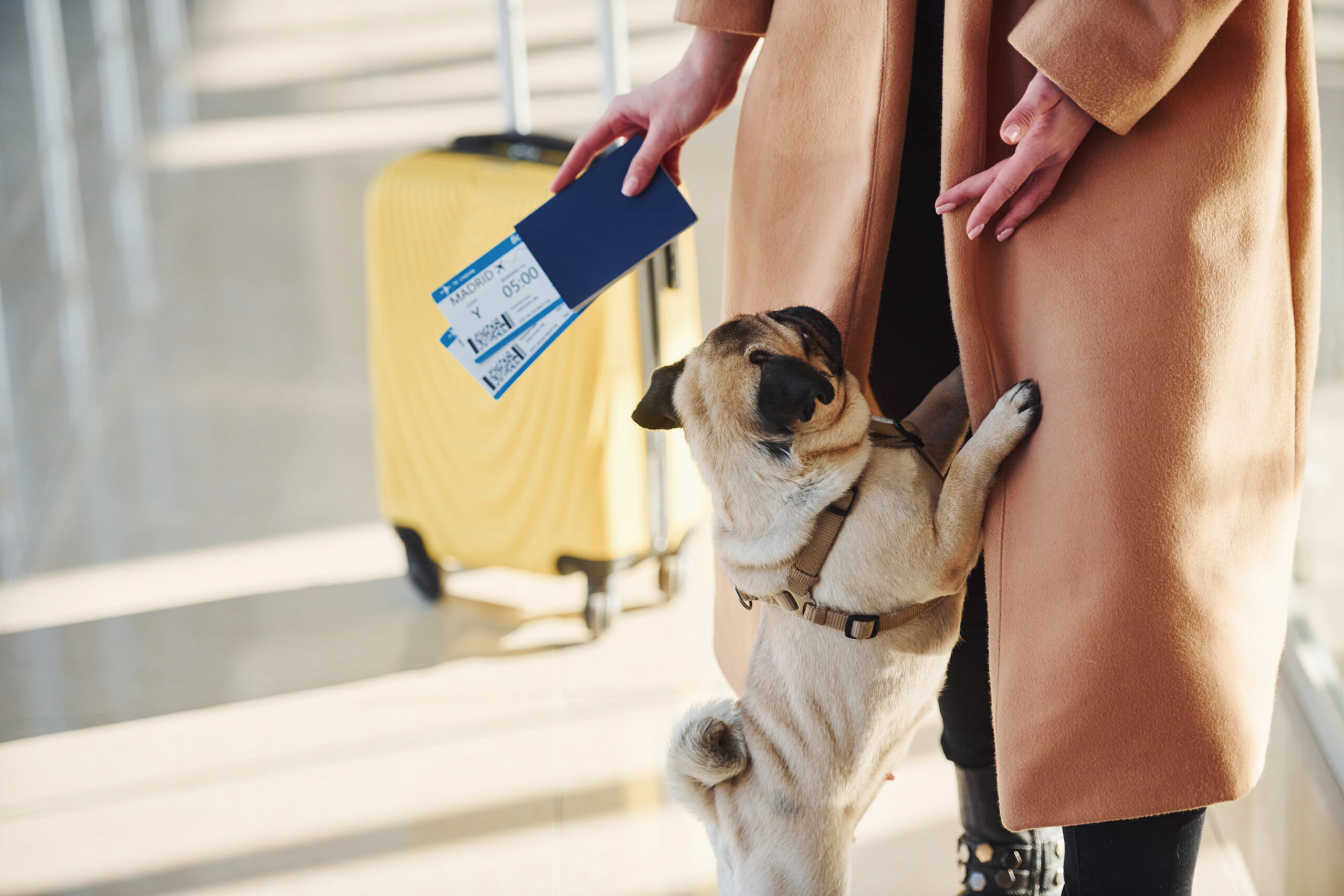
Why a Pet Tracker Matters During Airport Travel
A pet tracker matters more in an airport than almost anywhere else because terminals create fast-moving separation risks that spiral out of control in seconds. For example, loud noises, rolling luggage, crowds, and sudden gate changes can push even calm pets into panic mode. Meanwhile, airports include restricted spaces where staff control access, so recovery often depends on tools that provide identification and location clues. Because of that, the strongest strategy uses multiple layers that work together instead of relying on a single tracking method.
How to Choose the Right Pet Tracker for a Real Airport Situation
Not every pet tracker solves the same problem, so the best choice depends on whether the goal is identification, close-range location clues, or wider-area tracking. In general, microchips handle permanent ownership proof, while Bluetooth devices help narrow the search zone inside terminals. On the other hand, GPS tracking supports recovery once distance increases and the situation moves outdoors. Therefore, a layered setup usually provides the most reliable protection during airport travel.
RexID Microchip Implant Kit for Pet Identification
RexID Microchip Implant Kit for Pet Identification provides permanent ID protection that stays with a pet and never needs charging. As a result, this pet tracker option works best when recovery happens through a shelter, veterinarian, or animal control service that scans the chip. However, it does not provide live location tracking, so it cannot guide an immediate terminal search during the first minutes of separation. Therefore, this product fits best as a foundation layer paired with visible ID and a second tracking device.
Vebiso Bluetooth Pet Tracker Tag for Tracking (iOS & Android)
Vebiso Bluetooth Pet Tracker Tag for Tracking adds short-range location support that helps confirm whether a pet stays nearby in a terminal environment. For instance, it can narrow the search area quickly by providing proximity-style detection clues when a pet hides close to gates or seating zones. However, Bluetooth signals often bounce around airports, so multi-level terminals can create confusing “close” readings that waste time. Because of that, this pet tracker works best as a clue tool alongside strong identification layers.
Vebiso Bluetooth Anti-Lost Tracker Tag with Subscription Option
Vebiso Bluetooth Anti-Lost Tracker Tag with Subscription Option adds another lightweight tracking layer that supports recovery planning during busy travel days. In addition, it works well as a simple backup device that stays easy to attach and easy to manage without heavy setup. However, airport construction, signal interference, and delayed updates can reduce accuracy when an urgent search begins. Therefore, this option fits best as part of a layered pet tracker system rather than a stand-alone recovery solution.
Pawfit GPS Pet Tracking Collar with Activity Monitoring
Pawfit GPS Pet Tracking Collar with Activity Monitoring delivers wider-area recovery support when a pet moves beyond close-range searching. Most importantly, it helps once separation reaches curbside pickup lanes, parking areas, or access roads where distance increases quickly. However, battery life, signal strength, and secure collar fit still matter, because a loose collar turns the tracker into the wrong target instantly. Ultimately, this pet tracker option provides the strongest live-tracking advantage in this lineup when airport travel demands real location support.
Health-Monitoring Collars: The Missing Layer in a Complete Pet Travel Plan

Layered pet safety is not only about location recovery, because a long travel day can also push pets into stress, dehydration, and fatigue without obvious warning signs. Please see the Airport News Now article “Health-Monitoring Collars for Pets: What You Need to Know”, which explains what these collars track, where they add real value during check-in, layovers, and post-arrival recovery, and what they cannot do during flight time. In addition, it breaks down the features that matter most for airports, including battery life, comfort, and app reliability, so the data stays useful during long travel days. Ultimately, when health-monitoring collars get paired with a pet tracker setup, the result becomes a smarter, more complete travel safety strategy instead of a single-device gamble.
Final Thoughts: A Pet Tracker Works Best as a Layered System
A pet tracker plan works best when it combines identification and location support instead of relying on one device alone. First, microchip ID provides permanent ownership proof with no battery risk. Next, Bluetooth tracking adds close-range terminal clues when quick direction matters most. Finally, GPS tracking supports wider recovery once distance increases, so the overall setup stays reliable even when one layer falls short.
Amazon Affiliate Disclosure
Airport News Now is a participant in the Amazon Services LLC Associates Program, an affiliate advertising program. If a reader clicks an Amazon link in this article and makes a purchase, Airport News Now may earn a commission at no additional cost to the reader. This supports ongoing airport travel tips, product recommendations, and informational content.