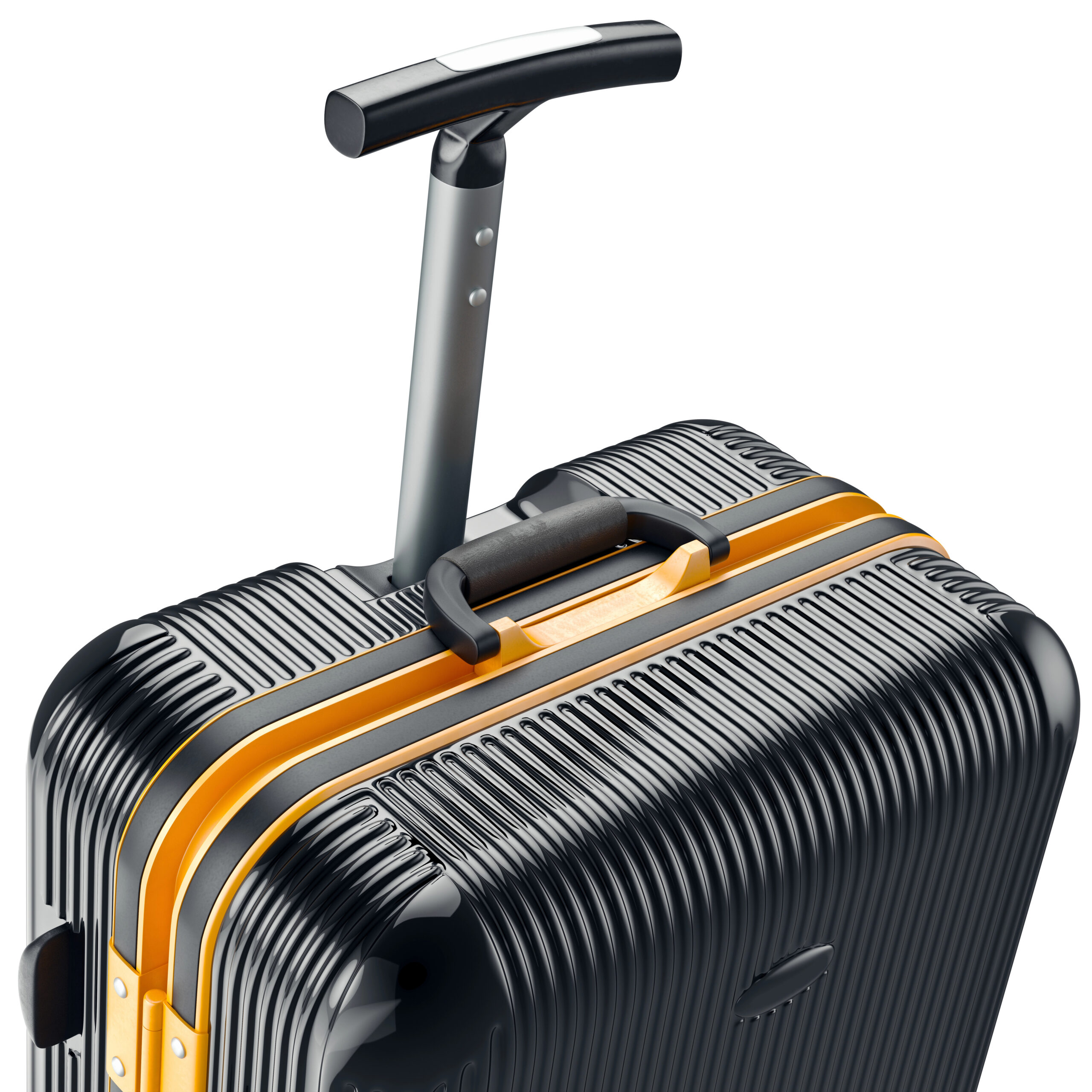
Zipperless luggage has become more common in modern hard-shell suitcases, especially among travelers who want a stronger closure system. Instead of using a perimeter zipper, zipperless luggage relies on a rigid frame with latches that clamp the case shut. As a result, the suitcase does not depend on zipper teeth, fabric stitching, or a zipper pull that can fail under stress. Meanwhile, zippered luggage remains the most widely used design because it is lightweight, flexible, and easy to pack. However, the airport environment exposes weaknesses in both systems, particularly during baggage handling and TSA inspection. Therefore, the best choice depends on how often you fly, whether you check bags, and how much abuse your luggage normally takes.
Zipperless Luggage – Closure Design and Structural Strength
Zipperless luggage closes using a rigid frame and latches, which creates a firm perimeter seal. Consequently, the case holds its shape better when baggage crews stack it or when it rides through conveyor transfer points. Zippered luggage uses a flexible zipper track around the edge of the case, which allows more flex during packing. That flexibility can help in tight overhead bins, yet it also increases stress on the zipper when the bag is overfilled. In addition, zipper failures usually happen at the seam or slider area, which can compromise the entire closure instantly. For that reason, travelers who check bags frequently tend to view zipperless luggage as the more structurally reliable option.
Security and Tamper Resistance Considerations for both Zipperless Luggage and Zippered Luggage
Zipperless luggage often improves suitcase security because latches and frame-lock designs reduce common entry points. For example, standard zippers can be stressed, separated, or manipulated more easily than a rigid latch system, especially when the bag is tightly packed. With zipperless luggage, the latch points create a more controlled closure that is harder to force open quickly. However, latch strength matters, because a weak latch mechanism eliminates the advantage. Conversely, zippered luggage can still be secure if it uses high-quality zippers and TSA-approved locks, although the zipper track remains the weak link. Therefore, travelers carrying higher-value items often choose zipperless luggage when security is a top priority.
TSA Inspection and Ease of Re-Closing Zipperless Luggage
TSA inspections create a practical difference between zipperless luggage and zippered luggage. Zipperless luggage typically opens in a clean split-shell format, which gives full access to both sides of the bag quickly. As a result, repacking after inspection can be faster because the bag maintains its structure. Zippered luggage can also open fully, but it sometimes requires more effort to align the zipper track and re-close cleanly. In addition, if a zipper catches or misaligns during re-closing, it can slow down the process at the airport counter or during a rushed connection. That said, both designs can handle TSA inspection, so the real advantage is the convenience of fast, reliable closure afterward.
Aluminum Luggage and Why Zipperless Luggage Matters

Aluminum carry-on luggage usually relies on the same rigid frame-and-latch closure system found in zipperless luggage, which directly improves durability in real airport conditions. As a result, travelers who deal with TSA inspections, overhead-bin compression, and occasional gate checks often prefer a latch-based design over a zipper track. In this Article from Airport News Now, “Aluminum Carry-On Luggage: Premium all-metal travel solution” We take a look at some high-end aluminum zipperless luggage options
Baggage Handling Durability in Checked Travel
Checked baggage environments punish luggage design, especially around conveyor drops, cart impacts, and stacking pressure. Zipperless luggage handles compression better because the rigid frame distributes force around the case rather than concentrating it on a zipper seam. Consequently, the closure system is less likely to separate during rough handling. Zippered luggage can survive checked travel, yet the zipper seam remains exposed to heavy stress if the suitcase bulges or catches on equipment. Additionally, zipper damage is harder to repair quickly during a trip, which creates a higher risk of failure mid-travel. Therefore, travelers who check bags often may benefit from zipperless luggage for long-term durability.
Weight, Capacity, and Packing Flexibility
Zippered luggage usually wins on flexibility because the zipper track allows mild overpacking and easier closure. For instance, if a traveler adds souvenirs or bulky clothing near the end of a trip, the zipper can accommodate more “give” than a rigid latch frame. Zipperless luggage, on the other hand, closes only when the two sides align correctly, which limits overpacking. As a result, zipperless luggage can feel less forgiving if your packing style changes during the trip. However, that rigidity also helps keep the bag organized and stable while rolling through crowded terminals. Ultimately, travelers who pack tight and structured often prefer zipperless luggage, while travelers who need packing flexibility often prefer zippered luggage.
Luggage Sets vs Zipperless Luggage: Choosing What Actually Survives the Airport
If you’re already thinking about zipperless luggage for strength and security, the next smart move is making sure the rest of your bags match that same “airport-proof” mindset. Be sure to read Airport News Now’s article on “Luggage Set Comparison: 4 Smart Options for Airport Travel”, where we break down practical luggage sets that roll smoother, organize better, and hold up under real-world terminal and baggage handling stress. In addition, a good luggage set helps you avoid the classic mistake of traveling with mismatched suitcases that wobble, crack, or jam at the worst possible moment. Ultimately, when you pair smart set sizing with a durable closure design, you get a luggage setup that performs better from curbside drop to baggage claim.

Everyday Airport Use and Practical Ownership
Airports create small day-to-day issues that matter more than travelers expect. Zipperless luggage may open more smoothly in tight spaces because the latches release quickly and the case stays rigid. Meanwhile, zippered luggage can feel simpler for casual travelers because it works like most bags people already own. However, zipperless luggage often requires slightly more attention to organization, since split-shell designs work best with packing cubes and clean compartment management. Additionally, replacement parts and repairs can be easier for zipper systems, depending on brand and availability. Therefore, the best choice depends on whether you prioritize long-term strength or everyday convenience.
Final Thoughts
Zipperless luggage offers a stronger closure system that performs well under repeated checked baggage stress. In addition, the rigid frame design can improve tamper resistance compared to standard zipper seams. However, zipperless luggage demands more precise packing because the latches will not close if the case is overfilled. Zippered luggage remains a practical option because it is lighter, more flexible, and easier for expanding travel needs. Therefore, frequent flyers who check bags regularly may find zipperless luggage worth the upgrade. Ultimately, the best choice is the suitcase closure system that matches how you travel, not the one that looks best online.