Introduction: CPAP Screening Is Where Most Travel Problems Start
Traveling with a CPAP machine feels easy once you sit down on the plane and settle into your normal routine. However, most problems happen earlier, during CPAP Screening at the TSA checkpoint. Airport security moves fast, and screening procedures do not always feel the same from one airport to the next.
Because of that reality, travelers need to plan around the checkpoint process instead of hoping for a perfect experience. In addition, CPAP Screening can slow you down when your bag setup feels messy or confusing. Ultimately, a simple packing system and a calm routine can prevent the most common travel headaches.
What TSA Means by “Medical Device Screening” (And How CPAP Screening Fits In)
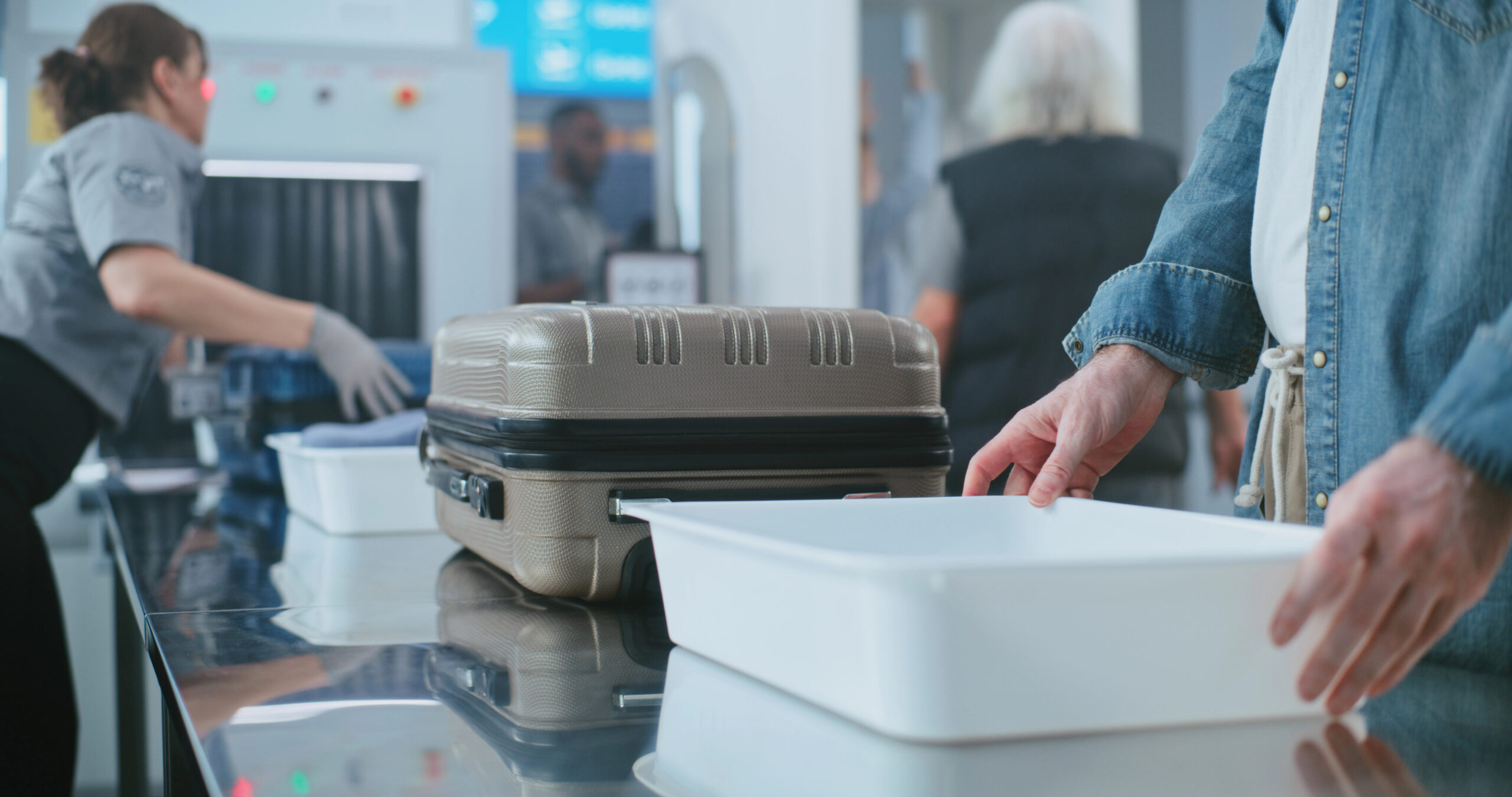
TSA allows medical devices through security, and CPAP machines qualify as permitted items. Still, CPAP Screening almost always involves inspection, even when everything looks normal. TSA officers scan your CPAP bag through X-ray, and they may request a closer look.
In some cases, they swab the bag or the equipment during screening. Meanwhile, checkpoint layout and passenger volume can change how quickly the process moves. As a result, you should expect screening and pack your CPAP in a way that makes inspection fast and clean. Be sure to check out TSA’s website about Disabilities and Medical Conditions | Transportation Security Administration for further information.
CPAP Screening at the TSA Checkpoint: What Usually Happens
Many travelers want one fixed answer for how CPAP Screening works at every airport. In reality, the steps stay similar, but small details can change depending on the checkpoint flow. Therefore, the safest approach is to prepare for the strictest version of screening.
You may see TSA ask you to open the bag or reposition components. Likewise, officers may request the CPAP machine come out of the case for a clearer view. Most importantly, you move faster when you follow instructions without digging through clutter.
What you may see during CPAP Screening
- CPAP machine goes through X-ray screening (within its travel case)
- CPAP bag may be swabbed for additional screening
- Officer may request the CPAP be removed from its case
- Device may need to be placed in a bin separately
- Tubing and mask may be visually inspected
CPAP Travel Cases That Make TSA Screening Faster (And Less Annoying)
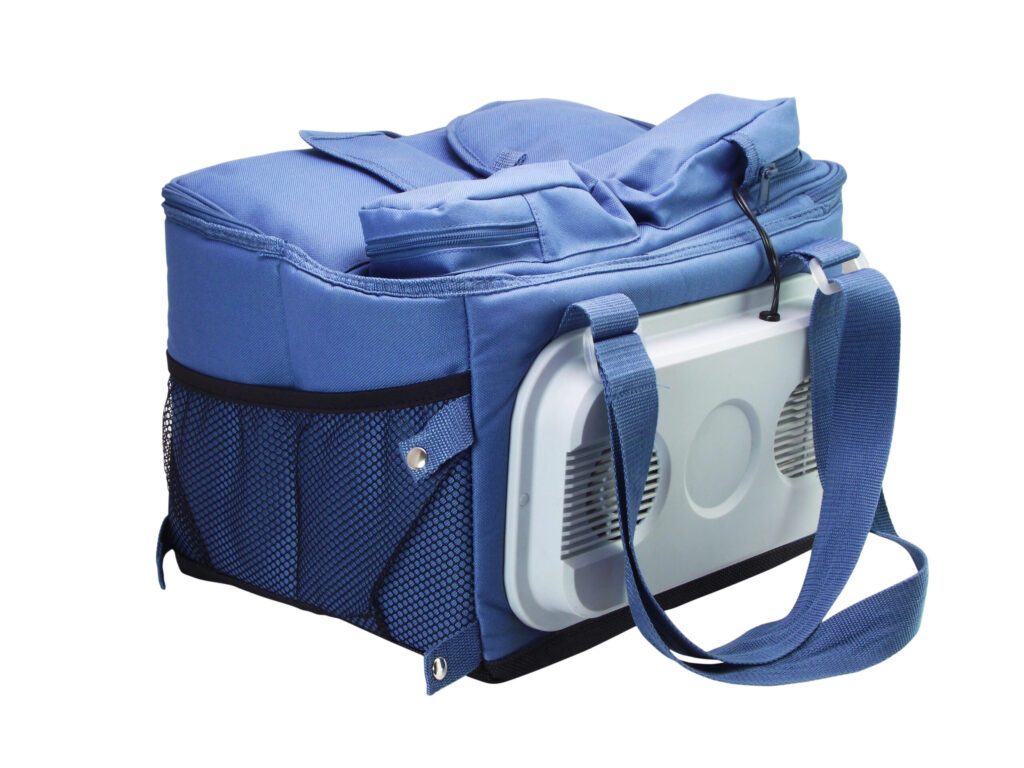
Traveling with a CPAP is already a logistical challenge, and improper packing can easily lead to damage, missing accessories, or delays at the checkpoint. Please be sure to read the Airport News Now Article, “CPAP Screening Travel Products That Actually Work Well,” where the focus of the article is on choosing CPAP travel cases and organizers that protect the machine, keep supplies contained, and make screening steps faster and more controlled.
Should You Remove the CPAP Machine From the Case During CPAP Screening?
Some airports let a CPAP stay inside its case during CPAP Screening. Other checkpoints ask you to remove it so they can view the machine clearly on the X-ray. For that reason, you should pack as if you will remove it every time.
When you build your bag that way, you avoid dumping parts into the bin area. Additionally, you prevent cords and accessories from tangling during inspection. In the end, the best setup gives you fast access without exposing your equipment to unnecessary handling.
Keeping Your CPAP Clean During CPAP Screening
CPAP users worry about hygiene for a good reason. Security bins get constant use, and they do not stay clean during a busy travel day. Consequently, you should protect your CPAP components from direct contact with bin surfaces.
If TSA asks you to remove the device, you want a barrier ready in seconds. Similarly, you should keep your mask and tubing sealed so they stay clean. Above all, cleanliness matters because you place this equipment against your face every night.
Practical hygiene steps that work
- Keep a clear protective bag available for screening if needed
- Carry sanitizing wipes that are safe for electronics
- Avoid placing masks directly into bins without a pouch
- Wash hands after the checkpoint when possible
- Keep CPAP accessories in closed compartments
How to Pack Your CPAP for Fast CPAP Screening
Packing determines whether CPAP Screening feels smooth or stressful. To speed up the checkpoint process, your bag needs a clean layout and predictable placement. Otherwise, TSA will stop you while you dig through the case.
Use separation instead of stuffing everything into one main compartment. Furthermore, keep every critical component easy to find so inspection takes seconds, not minutes. Most importantly, organized packing reduces damage risk and prevents you from leaving parts behind.
Best CPAP bag layout for screening
- CPAP machine secured in the main compartment
- Power supply in a separate pocket
- Mask stored in a clean pouch
- Tubing stored so it does not kink or twist
- Filters and small parts in a labeled pouch
- Battery stored safely if you carry one
CPAP Travel Holders and Organizers That Make CPAP Screening Easier
Frequent travelers simplify CPAP Screening by using small organizers. Instead of wrestling with loose cords and accessories, they keep everything controlled and easy to inspect. That approach makes TSA interactions faster and less frustrating.
Mask pouches help protect the cleanest parts of your setup. Also, cord wraps prevent the power brick from shifting or snagging during removal. In short, organizers reduce risk and prevent your CPAP bag from turning into a cluttered mess.
Helpful CPAP travel organizers
- Mask holder pouch to keep your mask clean
- Cord organizer to control the power brick
- Tubing sleeve to prevent crushing and kinking
- Accessory case for filters and spare parts
- Label tags to identify medical equipment quickly
CPAP Batteries and CPAP Screening: What to Expect
A CPAP battery often triggers extra attention at security. Since TSA treats batteries as high-interest items, you should expect closer checks during CPAP Screening. For that reason, your battery needs a clear place in the bag.
Keep it visible and easy to remove without dragging out other equipment. Moreover, make sure labels or specs remain readable if TSA asks questions. Most importantly, you avoid delays when you stop treating the battery like an afterthought.
Carrying Your CPAP Through the Airport: Practical Handling Tips
After CPAP Screening, the terminal becomes the next risk zone. Crowded walkways and packed gate areas can crush a CPAP case when you carry it loosely. As a result, you should treat your CPAP like fragile equipment, not like a random tote.
Carry it separately as a medical device bag whenever possible. Also, keep it within your control during connections so you do not leave it behind in a rush. Most importantly, never check a CPAP because lost baggage can ruin your trip immediately.
Best practice for CPAP movement
- Carry the CPAP separately as a medical device bag
- Keep it accessible during connections
- Avoid placing heavy bags on top of it
- Keep it under the seat when flying if possible
- Protect the case from impacts in overhead bins
CPAP Storage Onboard: Protecting the Machine During the Flight
Once you board, you choose between under-seat storage and overhead bins. Under-seat storage gives you more control and prevents other passengers from piling luggage on your machine. For that reason, many travelers prefer keeping the CPAP under the seat.
Overhead storage can still work when you place the case carefully. Additionally, choose a bin location where the bag will not get shifted constantly during boarding. Most importantly, keep the CPAP upright and protected from crush pressure.
Humidifier and Distilled Water Strategy for CPAP Travel
Many CPAP users rely on humidification for comfort. Yet distilled water becomes harder to find when you arrive late or land in an unfamiliar area. Because of that, you should plan your water strategy before you travel.
Some travelers temporarily reduce humidifier settings when distilled water is not available. Also, you can locate a nearby store ahead of time so you do not scramble late at night. Most importantly, a planned approach prevents sleep problems when you feel exhausted after travel.
What to Say at the Checkpoint If You Get Questions During CPAP Screening
Most CPAP Screening interactions stay routine and quick. Still, questions can happen when a checkpoint officer wants a clearer view or a simple explanation. In that moment, you should keep your wording short and direct.
Long explanations slow down the line and create confusion. Instead, use plain language that identifies the device immediately. Most importantly, calm confidence helps you move through screening without unnecessary delays.
A simple statement that works well is:
“This is my CPAP machine for sleep apnea. It is a medical device.”
Final Takeaway: CPAP Screening Works Best When Your System Stays Simple
CPAP Screening becomes easier when your routine stays consistent. When you pack the same way every time, you avoid surprises at security. As a result, you spend less time dealing with inspection and more time moving toward your gate.
Hygiene protection matters just as much as speed. Likewise, crush protection matters once you enter busy terminals and packed aircraft cabins. Most importantly, CPAP travel stays smooth when your setup stays organized, repeatable, and built for real airport conditions.