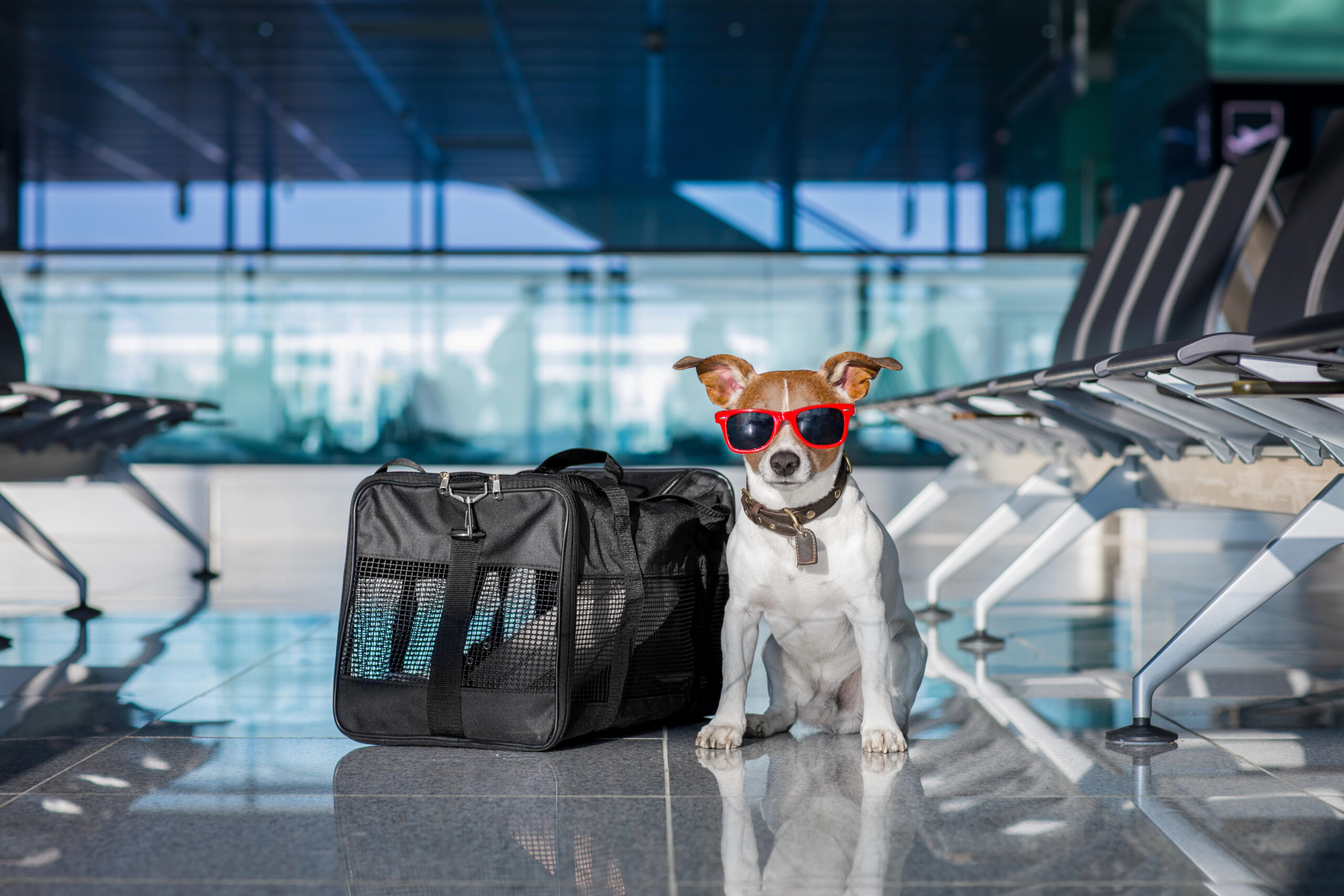
Pet GPS Trackers – What you should know
Traveling with pets introduces one risk that overwhelms every other concern: separation. Airports move fast, handlers rotate constantly, and unfamiliar environments increase escape risk. Therefore, pet GPS trackers provide visibility when control disappears. Unlike basic ID tags or microchips, pet GPS trackers give real-time or proximity-based location data that supports recovery during travel disruptions, gate changes, hotel transfers, and unexpected delays.
Pet GPS trackers work best when travelers understand how different tracking technologies behave in transit environments. Some rely on satellite networks, others use cellular coverage, and some operate through short-range radio frequency. Each method serves a different travel scenario, which means selecting the right tracker matters as much as attaching it securely.
Why Pet GPS Trackers Matter During Air and Ground Transfers
Air travel places pets in high-risk transition zones: curbside handoffs, cargo facilities, loading areas, rental car lots, and unfamiliar accommodations. During these moments, human supervision drops while stress spikes. Pet GPS trackers reduce uncertainty by confirming location instead of forcing guesswork. When handlers misroute kennels or doors open unexpectedly, tracking prevents delays from becoming losses.
Because airports and airlines restrict active monitoring, pet GPS trackers must operate without drawing attention or interfering with screening. Compact, collar-mounted designs work best because they blend into normal pet equipment and remain compliant with airline handling rules.
What Makes a Travel-Ready Pet GPS Tracker Worth Using
Effective pet GPS trackers share several traits. First, they secure firmly to collars or harnesses without adding bulk. Next, they maintain battery life through long travel days and delays. Finally, they provide reliable signal coverage in mixed environments such as terminals, parking structures, and hotels. Avoid cheap clip-on devices that loosen under movement or rely entirely on unstable Bluetooth signals.
Garmin TT Mini Dog Tracking Device
The Garmin TT Mini Dog Tracking Device delivers satellite-based tracking that does not depend on cellular networks, which makes it suitable for long-distance travel and remote environments. Because the device pairs with compatible Garmin handhelds, it provides precise location data even when phones lose service. Travelers who move pets through rural areas, extended road trips, or cargo routes value this system for its consistency and rugged design that holds up under transport conditions.
Halo Collar Wireless GPS Pet Tracking System
The Halo Collar Wireless GPS Pet Tracking System combines real-time GPS location tracking with wearable design tailored for dogs and cats on the move. It uses cellular connectivity (subscription required) to deliver continuous updates about your pet’s position, which helps you stay aware during airport layovers, long trips, and busy travel days. Travelers appreciate its waterproof construction and dedicated mobile app, which together support reliable tracking and geofence alerts without bulky hardware.
Tabcat RF Pet Tracker for Cats and Small Pets
The Tabcat RF Pet Tracker uses radio-frequency tracking instead of GPS, which makes it highly effective in dense environments such as terminals, apartments, and hotels. Unlike GPS systems that struggle indoors, this tracker guides owners directly toward the pet using directional signals. Travelers with cats or small pets appreciate this option because it avoids subscription fees while delivering fast location recovery when pets hide in confined spaces.
GlocalMe PetPhone Community Tracking Waterproof GPS Pet Tracker
The GlocalMe PetPhone Community Tracking Waterproof GPS Pet Tracker pairs global cellular coverage with a waterproof collar design to keep tabs on your pet anywhere you roam. It delivers real-time location updates to your phone, using community-based network support to enhance tracking reliability during travel, long walks, or airport transits. Travelers appreciate how it combines broad coverage with a comfortable, durable collar that stands up to unpredictable conditions.
Combine GPS Trackers with Pet Health Collars
While pet GPS trackers solve the problem of location during travel disruptions, health-monitoring collars address how pets physically handle long flights and extended confinement. As a result, travelers often pair Garmin TT Mini, Halo Collar, or GlocalMe trackers with health tools like PetPace V3.0, Fi Series 3+, or FitBark 2 to gain both location visibility and stress awareness. Please see the Airport News Now Article on Pet Health Collars. Together, these products create a layered travel strategy that improves recovery speed, reduces uncertainty, and supports safer outcomes during complex pet itineraries.
Where Pet GPS Trackers Work Best During Travel
Placement matters. Attach pet GPS trackers to secure collars or harnesses rather than removable accessories. During flights, keep the tracker inside approved pet carriers or on the pet’s primary collar to avoid separation. For ground travel, confirm that the tracker remains visible to your monitoring device before leaving vehicles or lodging.
Avoid placing trackers near dense electronics or metal enclosures, which can reduce signal accuracy. Consistent placement improves recovery speed when every minute counts.
Airline and TSA Reality for Pet GPS Trackers
TSA permits pet GPS trackers in both carry-on and checked pet carriers. Airlines allow them as long as the devices do not interfere with animal safety or containment. Because trackers function passively and do not transmit disruptive signals, they pass screening without issue. Travelers who secure devices properly avoid delays and maintain continuous tracking.
Common Mistakes Travelers Make with Pet GPS Trackers
Some travelers choose trackers based on price instead of travel conditions. Others forget to charge devices before departure or fail to test connectivity in advance. Additionally, loose attachment causes many failures during handling. Reliable pet GPS trackers succeed only when travelers treat them as essential safety gear rather than optional accessories.
Final Takeaway
Pet GPS trackers turn uncertainty into actionable information during travel. When travelers choose the right tracking technology, secure it properly, and understand coverage limits, they dramatically reduce the risk of permanent separation. For anyone flying, driving, or relocating with animals, pet GPS trackers provide peace of mind that standard tags and microchips cannot deliver.
Amazon Affiliate Disclosure
Airport News Now participates in the Amazon Services LLC Associates Program, an affiliate advertising program designed to provide a means for sites to earn advertising fees by linking to Amazon.com and affiliated sites. As an Amazon Associate, Airport News Now earns from qualifying purchases. These links do not affect the price you pay and help support the continued operation of this site.