Why Airport Conditions Decide Tracker Performance
Baggage tracking succeeds or fails based on airport reality, not marketing claims. Airports concentrate devices, move bags fast, and rely on layered systems that shuffle luggage between conveyors, carts, and aircraft holds. Therefore, AirTag vs SmartTag comparisons must focus on network density, update frequency, and reliability during transfers.
Both trackers promise location awareness. However, only one consistently benefits from the sheer scale of devices inside global airports.
How Apple AirTag Performs in Airports
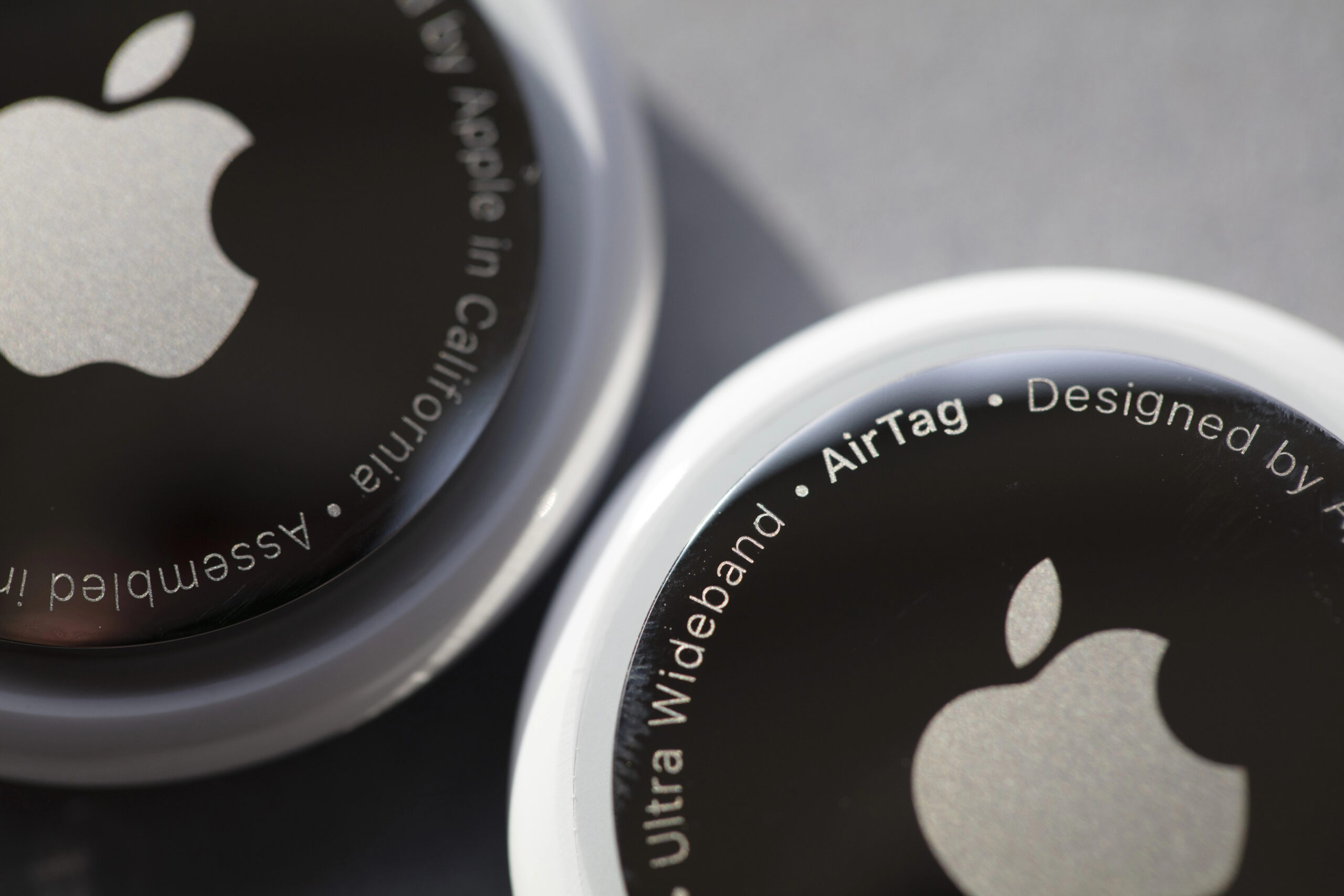
Apple AirTag relies on the Find My network, which uses nearby Apple devices to relay encrypted location pings. Airports overflow with iPhones, iPads, and MacBooks, which dramatically increases update frequency. As a result, AirTag often updates location even when a bag sits inside a restricted baggage area.
During missed connections or delays, AirTag continues reporting movement as bags travel between facilities. This visibility helps travelers confirm whether luggage boarded the aircraft or stayed behind. Consequently, AirTag excels in dense environments like hubs, customs facilities, and international transfer points.
How Samsung SmartTag Performs in Airports
Samsung SmartTag uses the SmartThings Find network, which depends on nearby Samsung Galaxy devices. While Samsung’s user base remains strong in parts of Asia and Europe, network density drops significantly compared to Apple inside many airports. Because of this, SmartTag updates appear less frequently in baggage systems.
SmartTag performs well for local travel, daily items, and urban environments where Galaxy usage runs high. However, in international terminals with mixed device populations, SmartTag often shows delayed or stale location data. Therefore, SmartTag works best for travelers who already live inside the Samsung ecosystem and fly primarily within regions where Galaxy devices dominate.
AirTag vs SmartTag: Airport Recovery Reliability
Recovery depends on confirmation speed. AirTag typically reports movement within minutes of bag handling changes. SmartTag may lag hours behind in the same scenario. When airlines lose track of bags, faster updates give travelers leverage during claims and rerouting discussions.
Because airlines do not provide real-time internal baggage tracking to passengers, independent confirmation matters. AirTag offers stronger proof of bag location at scale. As a result, AirTag vs SmartTag favors Apple for airport recovery reliability.
Battery Life and Maintenance AirTag vs SmartTag
AirTag uses a user-replaceable CR2032 battery that lasts about one year. Replacement takes seconds and costs little. SmartTag also uses a replaceable battery, but update frequency can drain power faster when searching for sparse network pings.
Both trackers avoid subscription fees, which keeps long-term ownership costs low. However, AirTag’s efficiency stretches battery life further in dense environments.
AirTag vs SmartTag – Airline and TSA Compatibility
TSA allows both AirTag and SmartTag in checked and carry-on luggage. Airlines cannot block passive Bluetooth trackers. Because both devices remain silent and non-transmitting in the traditional sense, they pass screening without issue.
However, placement matters. Internal mounting inside RFID-lined holders prevents accidental removal and protects nearby documents. Proper placement improves results regardless of platform.
High-End Tracker Picks for Airport Travel
Apple AirTag (4-Pack)
The Apple AirTag (4-Pack) offers travelers a convenient set of Bluetooth trackers that integrate with the Apple Find My network to help locate luggage, carry-ons, and other personal items throughout airports and terminals. Each AirTag uses ultra-wideband and Bluetooth technology to deliver precise location updates when nearby Apple devices participate in the network, which significantly improves tracking coverage in busy hubs. Frequent flyers appreciate the long battery life and simple setup, which keep their bags traceable from check-in to baggage claim without ongoing subscription fees.
Samsung Galaxy SmartTag2
The Samsung Galaxy SmartTag2 is a Bluetooth tracker that helps locate luggage, bags, and personal items using the SmartThings Find network. It pairs easily with Galaxy devices and provides notifications when your tagged item moves out of range, which helps travelers stay aware of bag location during airport navigation. While its tracking updates depend on nearby Samsung phones, it works well for Galaxy-centric ecosystems and regional travel scenarios.
Pebblebee Clip Universal Rechargeable Tracker
The Pebblebee Clip Universal RechargeableTracker provides luggage and gear tracking with a rechargeable battery, so you don’t replace cells regularly like with coin-battery tags. It pairs with Apple’s Find My network and other compatible systems, giving travelers flexible coverage for bags and accessories in airports and beyond. Because it offers real-time updates and a rugged clip design, it works well for frequent flyers and high-value items where consistent tracking updates matter most.
LandAirSea 54 GPS Tracker
The LandAirSea 54 GPS Tracker provides true GPS-based real-time location tracking with global coverage, independent of nearby phones or Bluetooth networks. It transmits regular position updates to your device via satellite and cellular networks, which makes it a strong choice for high-value luggage, gear, or cargo that might travel outside dense airport tech environments. With a durable design and subscription-based mapping support, it gives travelers peace of mind when they need reliable visibility on baggage location across long distances or remote transfers.
RFID AirTag Holders

Apple AirTag and Samsung SmartTag tracking only works when the device stays hidden, powered, and protected throughout airline handling and TSA screening. RFID AirTag holders solve this by concealing trackers internally, blocking electronic skimming, and preventing accidental removal during inspections and transfers. For travelers who want to maximize AirTag reliability from check-in to baggage claim, this article from Airport News Now, RFID AirTag Holders, breaks down holder placement and premium options that turn basic tracking into dependable baggage recovery.
Common Mistakes Travelers Make When Deciding between AirTag vs SmartTag
Many travelers attach trackers externally, which invites removal. Others place trackers near batteries or dense electronics, which weakens signal reach. Additionally, failing to test tracker visibility before travel leads to false confidence.
Secure internal placement and network awareness prevent these failures.
Final Verdict: AirTag vs SmartTag
For airport travel, AirTag vs SmartTag is not a close contest. AirTag wins on network density, update speed, and recovery leverage inside baggage systems. SmartTag still serves Samsung users well, but Apple dominates airport environments where density decides success.
For travelers who want the highest chance of recovering lost luggage, AirTag remains the most reliable option today.