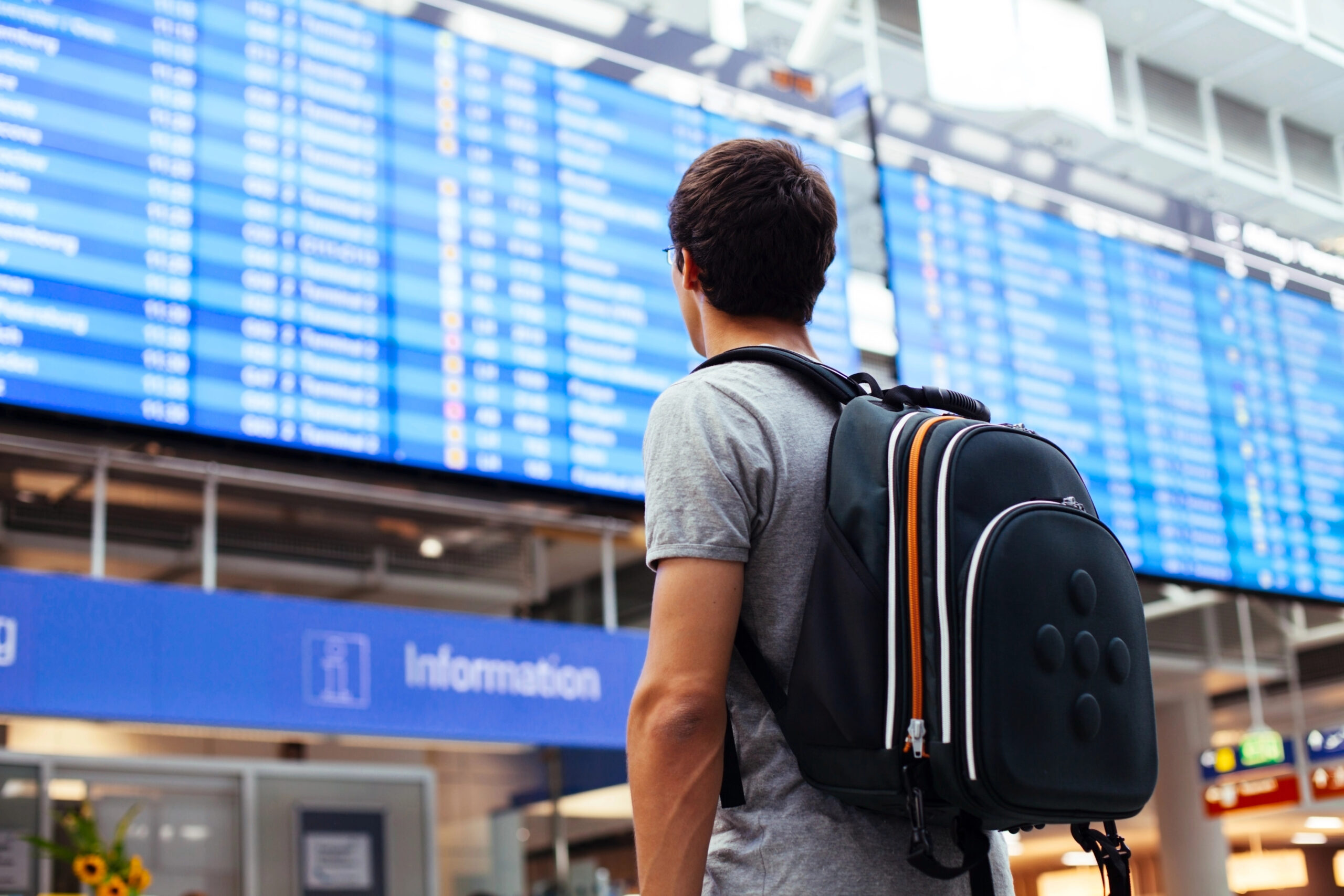
Why Compression Backpacks for Carry-On Travel Matter
Airlines enforce carry-on size rules more aggressively every year. At the same time, overhead bin space continues to shrink across modern aircraft. As a result, travelers must control internal volume without increasing exterior dimensions. Compression backpacks address this challenge directly.
Unlike expandable backpacks that push outward, compression backpacks pull contents inward. Consequently, the bag maintains a stable exterior profile while holding more clothing. This distinction matters at the gate, where visual compliance often determines whether a bag stays with the traveler or ends up checked unexpectedly.
How Compression Backpacks Work in Real Airport Conditions
Compression backpacks rely on internal compression panels, straps, or zip-based compression systems. First, travelers pack soft goods such as clothing, base layers, and insulation into designated compartments. Next, they engage the compression system. Then, the backpack tightens inward and stabilizes the load.
Because airlines measure exterior dimensions rather than internal volume, inward compression works within airline rules. Therefore, travelers gain usable packing space without triggering enforcement. This approach aligns with how gate agents and carry-on sizers evaluate bags during boarding.
Where Compression Backpacks Perform Best
Carry-on compliance improves immediately because compression keeps the bag visually compact. Consequently, travelers move through boarding without drawing attention.
TSA recovery also becomes faster. After screening, travelers reseal compression systems quickly instead of repacking loose items. As a result, they clear security areas without delay.
Emergency and reroute travel benefit as well. When cancellations force overnight stays, compression space allows extra clothing without exceeding size limits.
Terminal comfort improves because compressed loads sit closer to the spine. Therefore, shoulder and back strain decrease during long walks between gates.
Important Limitations Travelers Must Understand When it Comes to Compression Backpacks
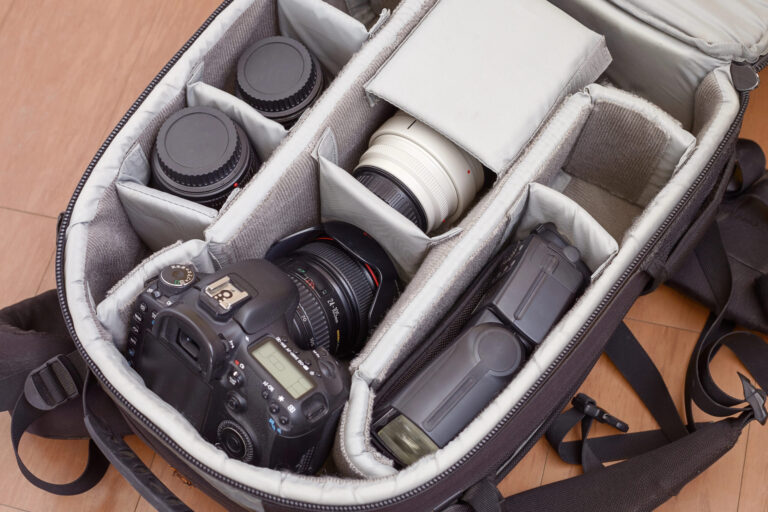
Compression backpacks reduce volume, not weight. Airlines still enforce weight limits regardless of bag shape. In addition, compression does not protect rigid or fragile items. Travelers must store laptops, cameras, and medical devices in padded compartments outside compression zones.
Compression works best with soft goods only, including clothing, undergarments, and fabric accessories. Shoes and electronics belong in structured sections.
High-End Compression Backpack Pick
The NOMATIC 20L Travel Pack is a versatile, expandable backpack designed for daily use and short trips, with the ability to increase capacity from 20 liters to 30 liters when needed. It features a highly organized interior with multiple pockets, a dedicated laptop compartment, and quick-access pockets for essentials like pens, cards, and electronics. The backpack uses water-resistant materials and durable zippers to protect gear in varying weather and travel conditions. Its sleek, modern design allows it to function both as a professional everyday bag and a streamlined carry-on for flights. Travelers appreciate the blend of organization, expandability, and comfort, making it a reliable pack for commuting, travel, and transit days.
Peak Design Travel Backpack 30L
The Peak Design Travel Backpack 30L is a versatile carry-on backpack designed for photographers, travelers, and everyday users who want high organization without sacrificing style or performance. It features a modular interior with customizable packing cubes and internal dividers, allowing users to separate clothing, gear, and tech while maintaining easy access during travel. The bag includes a padded laptop and tablet compartment that protects electronics while still remaining accessible during security screening. Peak Design built this backpack with weather-resistant materials and durable hardware, ensuring it stands up to frequent handling in airports and urban environments. Travelers appreciate this pack for its balance of compression capability, organization, and clean, structured design that fits most airline carry-on size limits.
Osprey Farpoint 40 Travel Backpack
The Osprey Farpoint 40 Travel Backpack is a highly regarded carry-on-friendly pack designed for travel with a balanced suspension and comfortable harness system that stabilizes loads on longer walks through airports. It features a 40-liter capacity with multiple compartments including a large main compartment, internal compression straps, and a zippered front pocket for organization and quick access to essentials.
The backpack includes a padded laptop and tablet sleeve that keeps electronics secure while maintaining easy accessibility during security screening. Constructed with durable materials and a supportive frame, it performs well under the stress of frequent travel, while the stowaway harness and hip belt make it easier to switch from travel mode to street mode without fuss. Travelers appreciate this pack for its blend of comfort, organization, durability, and compliance with most airline carry-on size restriction.
Mark Ryden Compression Travel Backpack
The Mark Ryden Vacuum System Compression Backpack features an integrated vacuum compression system that lets travelers reduce clothing volume significantly by removing air either with a pump or manually, which helps save packing space. It includes multiple compartments and pockets—including an expanded airtight area, general storage, a computer compartment, and an anti-theft pocket—to keep items organized and easy to access.
The backpack uses high-density oxford fabric and YKK zippers for durability and water resistance, and it incorporates breathable, adjustable shoulder straps to reduce strain during travel. Its size and design make it suitable for travel, business, college, and everyday use, with flexible carrying options including top and side handles. Users can compress up to about 10 pieces of clothing, and the backpack aims to balance space-saving compression with everyday functionality and durability.
TSA and Screening Considerations
TSA allows compression backpacks through security checkpoints. However, officers may open compressed compartments for inspection. Therefore, travelers should compress clothing only and avoid sealing toiletries or liquids. After inspection, travelers can reseal compression systems without restriction.
Maximizing Packing Efficiency with Compression Tools
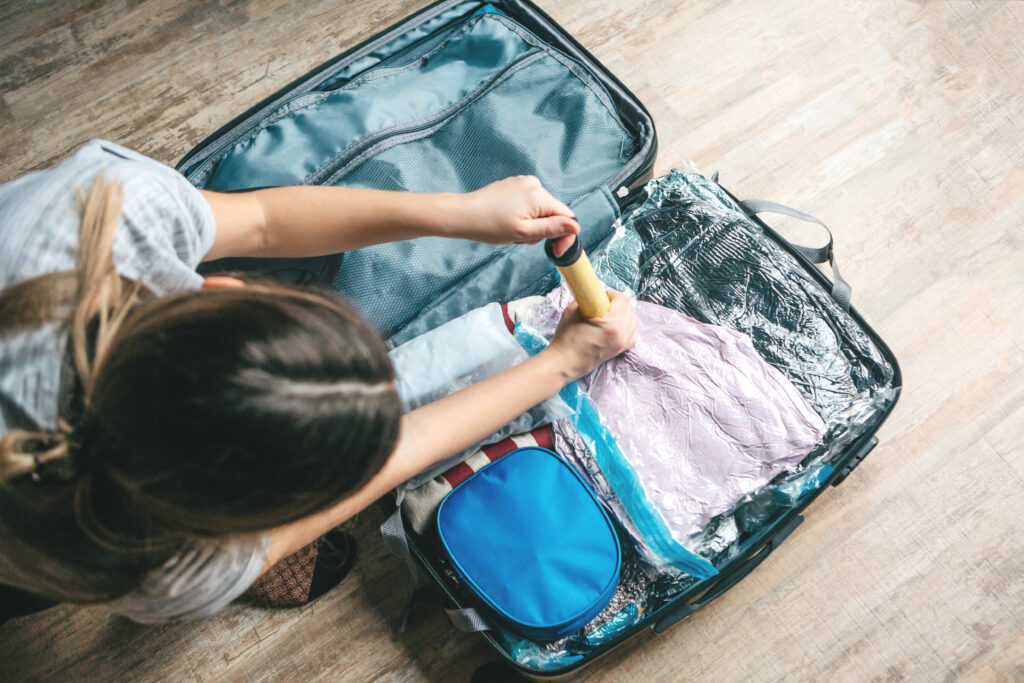
Please see the Airport News Now Article, “Compression Luggage: How to Plan Space Within Airline Baggage Limits”. When combined with compression backpacks, travelers gain a complete volume-control strategy that works both inside and outside the gate, using backpacks to manage carry-on profile and luggage with internal compression to optimize checked or carry-on packing. Together, these approaches highlight how modern compression systems — from panel-based luggage to internal straps and vacuum packing bags — help keep bags within airline size and weight limits while organizing contents for smooth TSA screening and baggage handling. Pairing backpacks and compression luggage equips travelers with tools to avoid oversized penalties, reduce stress during transit, and make the most of every inch of legal baggage space.
Final Takeaway
Airports reward travelers who control volume efficiently. Compression backpacks provide that control without violating airline rules. When used correctly, they reduce gate-check risk, improve boarding confidence, and support emergency flexibility.
For modern carry-on travel, compression backpacks are no longer optional. They represent a practical response to shrinking space and stricter enforcement.
Amazon Affiliate Disclosure
Airport News Now is a participant in the Amazon Services LLC Associates Program, an affiliate advertising program designed to provide a means for sites to earn advertising fees by linking to Amazon.com and affiliated sites. As an Amazon Associate, Airport News Now earns from qualifying purchases. Product availability and pricing are subject to change at any time.