How noise-reducing gear supports autism-friendly travel through terminals, security screening, and boarding
Airports generate constant noise from announcements, rolling luggage, engines, alarms, and crowds. For travelers with autism and others with sensory issues, uncontrolled sound increases stress and fatigue quickly. Because airports cannot reduce operational noise, travelers must manage sound exposure directly. Noise-reducing gear provides a practical solution by lowering background noise while preserving situational awareness. This approach supports calmer movement through terminals, smoother security screening, and more predictable boarding experiences without changing airport procedures.
Why Airport Noise Creates Sensory Overload
Airport environments amplify sound through hard surfaces, open ceilings, and mechanical systems. Public address announcements overlap with crowd noise, while security checkpoints add alarms and conveyor movement. Consequently, sensory input becomes constant and unpredictable. For autistic travelers, this unpredictability often triggers anxiety or shutdown. Therefore, managing sound exposure becomes a core preparation step rather than an optional comfort upgrade.
How Noise-Reducing Gear Functions in Airports
Noise-reducing gear lowers sound intensity without blocking critical auditory cues. Unlike full noise-canceling headphones that eliminate environmental awareness, sensory-focused products reduce decibel levels evenly. As a result, travelers still hear instructions, announcements, and voices while avoiding overwhelming noise spikes. This balance supports independence and safety throughout the travel process.
Noise-Reducing Headphones for Sensory Sensitivity
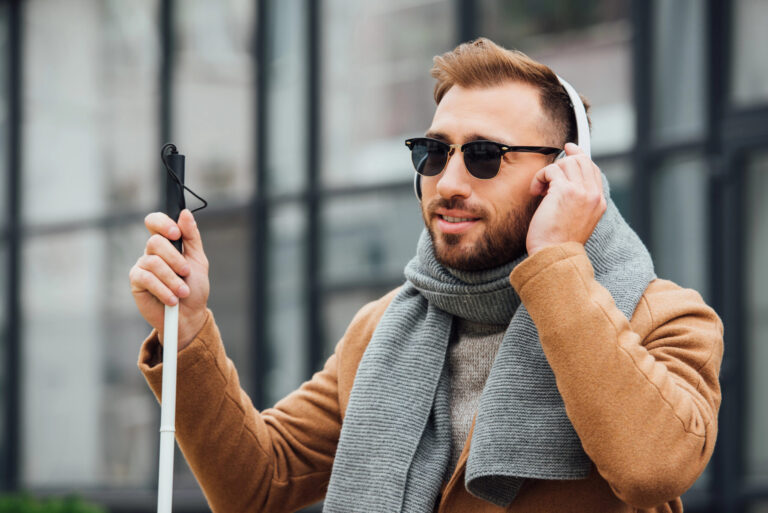
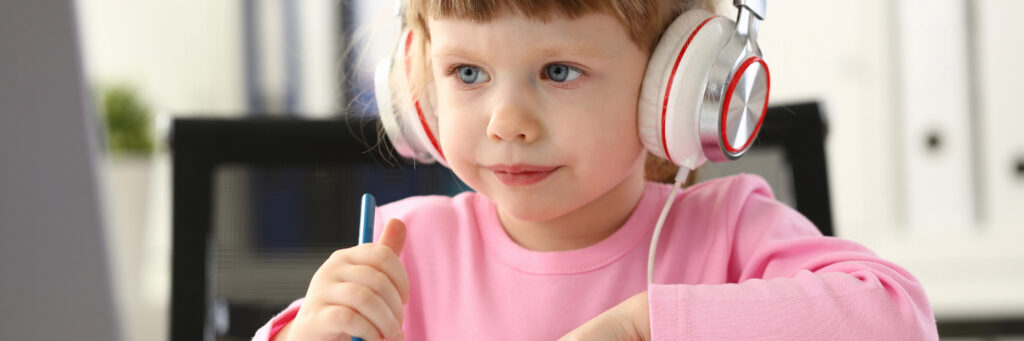
Noise-reducing headphones designed for sensory-sensitive travelers lower background noise without fully blocking sound. These headphones reduce airport noise levels while allowing travelers to hear announcements and instructions clearly. The over-ear design also provides physical comfort during extended terminal time and long flights.
Noise-Reducing Headphones for Autism-Friendly Travel
TSA Screening and Noise-Reducing Gear
TSA screening requires travelers to remove electronics and outerwear during inspection. Noise-reducing headphones typically go through X-ray screening with other personal items. After screening, travelers can immediately put them back on. Because these headphones do not interfere with scanners or alarms, they integrate smoothly into standard checkpoint procedures. Therefore, travelers maintain sensory regulation without delaying the screening process.
Transitioning Between Loud and Quiet Airport Zones with Noise Reducing Gear
Airports shift rapidly between loud and quiet zones. Check-in areas, security checkpoints, and boarding gates generate the highest noise levels, while lounges and aircraft cabins remain quieter. Noise-reducing gear helps travelers transition between these zones without sensory spikes. Consequently, travelers avoid repeated stress cycles that increase fatigue before boarding even begins.
Sensory Fidget Tools for Airports as an Addition to Noise Reducing Gear
Sensory fidget tools provide tactile input that helps regulate focus and stress during airport waiting periods. When paired with noise-reducing headphones, fidget tools support multi-sensory grounding during delays, boarding queues, and gate changes. Compact designs fit easily into carry-on bags or backpacks.
Sensory Fidget Tools for Travel
Weighted or Compression Lap Pad
A weighted or compression lap pad provides deep pressure input that helps calm the nervous system during seated periods. This accessory works well in gate seating areas and onboard aircraft seats. When combined with noise reduction, compression support improves comfort during long waits and flights.
Weighted Compression Lap Pad for Travel
Visual Schedule or Communication Cards
Visual schedule cards help travelers understand travel stages such as security, boarding, and arrival. These tools reduce anxiety caused by uncertainty and changes. When used alongside noise-reducing gear, visual aids reinforce predictability and improve communication with airport staff when needed.
How These Items Work Together in Real Airport Conditions
Noise-reducing headphones control sound input. Fidget tools provide tactile regulation. Compression lap pads add calming pressure. Visual aids support understanding and communication. Together, these tools create a layered support system that addresses multiple sensory needs at once. As a result, travelers experience fewer meltdowns, smoother transitions, and greater independence throughout the airport journey.
Common Mistakes Travelers Make with Noise-Reducing Gear
Some travelers wait until boarding day to introduce sensory tools, which increases resistance and stress. Others rely on a single solution instead of layering support. Additionally, forgetting to repack sensory items after screening can cause unnecessary distress. Practicing with gear before travel prevents these issues.
Noise Reducing Gear – Conclusion
Noise-reducing gear supports autism-friendly air travel by managing sound exposure in environments that travelers cannot control. This approach works within existing airport and TSA procedures while improving comfort and predictability. When combined with tactile, compression, and visual support, noise-reducing tools help autistic travelers move through airports with less stress and greater confidence.
Amazon Affiliate Disclosure – Airport News Now
Airport News Now participates in the Amazon Services LLC Associates Program, an affiliate advertising program that allows sites to earn advertising fees by linking to Amazon.com. Some links on this site are affiliate links. If you click a link and make a purchase, Airport News Now may earn a commission at no additional cost to you. Affiliate links do not influence editorial content. Product references appear based on relevance to airport operations, accessibility needs, and traveler safety.