Compression luggage: How internal compression aligns with airline baggage rules
Airlines enforce size and weight limits on checked and carry-on baggage to control aircraft loading and cabin safety. Therefore, travelers must maximize interior space without exceeding external dimensions. Compression luggage with built-in packing systems addresses this requirement by reducing internal volume through mechanical compression rather than expansion. As a result, travelers organize clothing efficiently while keeping the bag within airline size limits. Importantly, compression luggage do not alter airline rules. Instead, it works entirely within existing baggage policies.
How Compression Luggage with Built-In Packing Systems Works
Compression luggage with built-in packing systems use internal panels, straps, or zippered compression layers to flatten clothing after packing. Unlike external expansion systems, internal compression pulls contents inward. Consequently, the bag maintains its exterior dimensions while increasing usable space. This approach helps travelers avoid overweight conditions and reduces shifting during baggage handling. Another option for efficient packing would be travel backpacks. See the Airport News Now Article on Travel Backpacks for more information on packing efficiently with backpacks, which also includes compression packing tips and gear.
TSA Lockable Luggage
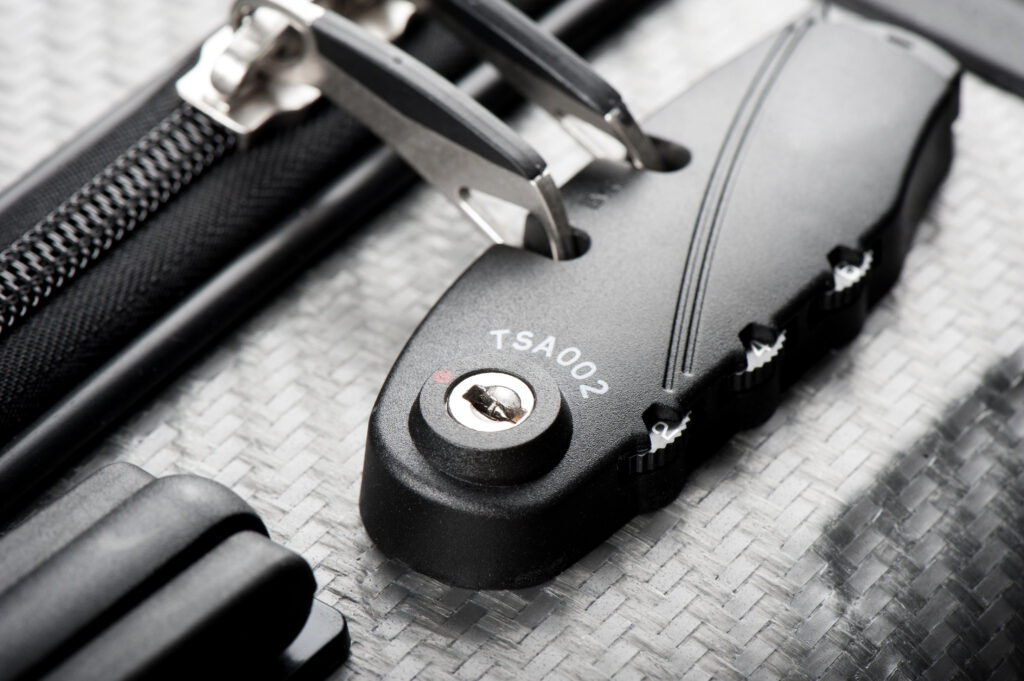
In addition to internal compression systems, this Airport News Now article highlights TSA lockable luggage and approved locking accessories that protect compressed bags during screening and automated handling. When travelers pack tighter and denser using compression panels, TSA inspections become more likely, making integrated TSA-approved locks, cable locks, and lock straps essential for preventing cut hardware and zipper damage. As a result, travelers can pair compression luggage with TSA-compliant locking products that support efficient inspection while preserving bag integrity throughout the baggage handling process.
Compression Luggage and Airline Enforcement
Airlines evaluate baggage based on external size and weight rather than internal layout. Because these types of luggage do not increase bag dimensions, it remains compatible with airline enforcement practices. Additionally, compressed contents reduce stress on zippers and seams during conveyor movement. Therefore, this luggage supports both compliance and durability.
Compression Luggage with Built-In Packing System (Best Seller)
A best-selling compression luggage model with built-in packing systems integrates internal compression panels that flatten clothing after packing. This design increases usable space while maintaining airline-compliant exterior dimensions. Reinforced shells and integrated compression zippers also improve stability during baggage handling.
Compression Luggage with Built-In Packing System
Compression Luggage Advantages During TSA Screening
TSA screening focuses on bag contents rather than compression mechanisms. When screeners open compression luggage with built-in packing systems, they access internal layers in the same manner as standard compartments. After inspection, compression panels resecure contents without changing bag size. Consequently, compression luggage integrates smoothly into screening workflows without delaying baggage flow.
Why Internal Compression Outperforms External Expansion
External expansion increases bag depth and often pushes luggage beyond airline limits. In contrast, compression luggage with built-in packing systems pulls contents inward. Therefore, travelers gain capacity without risking oversize fees or gate checks. Additionally, internal compression reduces garment movement, which helps prevent wrinkles and uneven weight distribution.
Vacuum Compression Packing Bags
Vacuum compression packing bags remove excess air from clothing to reduce volume before placement into compression luggage with built-in packing systems. When combined with internal compression panels, these bags significantly increase packing efficiency while maintaining airline compliance.
Vacuum Compression Packing Bags
Compression Luggage with Built-In Packing Systems and Weight Management
Airlines enforce weight limits as strictly as size limits. Luggage with built-in packing systems encourages disciplined packing by consolidating contents into defined sections. As a result, travelers distribute weight evenly and reduce the likelihood of overweight baggage. Additionally, compressed loads shift less during transport, which lowers stress on wheels and handles.
Accessory Use That Complements Compression Luggage
This type of luggage performs best when paired with accessories designed to control volume and organization. Accessories should reduce bulk without introducing rigid shapes that complicate screening or packing. Therefore, travelers should select compression tools that flatten evenly and remain flexible.
Manual Travel Vacuum Pump
A manual travel vacuum pump supports vacuum compression packing bags by removing air without electricity. This tool allows travelers to recompress clothing during return trips and maintain compatibility with compression luggage with built-in packing systems.
Compression Packing Cubes Versus Loose Compression
Packing cubes organize items, but compression cubes actively reduce volume. When used inside your luggage, compression cubes create layered compression that improves stability and accessibility. Therefore, travelers gain both organization and space efficiency.
Compression Packing Cubes Set
Compression packing cubes use zippered compression panels to flatten clothing while maintaining separation by category. These cubes integrate effectively with compression luggage with built-in packing systems by creating modular, compressed layers that simplify packing and unpacking.
Common Errors When Using Compression Luggage with Built-In Packing Systems
Some travelers over compress items, which strains zippers and seams. Others mix rigid objects with compressible clothing, which reduces efficiency. Additionally, failing to rebalance weight after compression can cause handling issues. Proper use preserves the performance of compression luggage.
Conclusion
As stated throughout this Article, compression luggage with built-in packing systems improves packing efficiency by reducing internal volume without increasing external dimensions. This approach aligns with airline baggage rules, TSA screening procedures, and baggage handling realities. When travelers pair this with compatible accessories such as vacuum bags and compression cubes, they maximize space, maintain compliance, and reduce travel friction across modern air travel environments.
Amazon Affiliate Disclosure – Airport News Now
Airport News Now participates in the Amazon Services LLC Associates Program, an affiliate advertising program that allows sites to earn advertising fees by linking to Amazon.com. Some links on this site are affiliate links. If you click a link and make a purchase, Airport News Now may earn a commission at no additional cost to you. Affiliate links do not influence editorial content. Product references appear based on relevance to airport operations, airline baggage rules, and traveler utility.