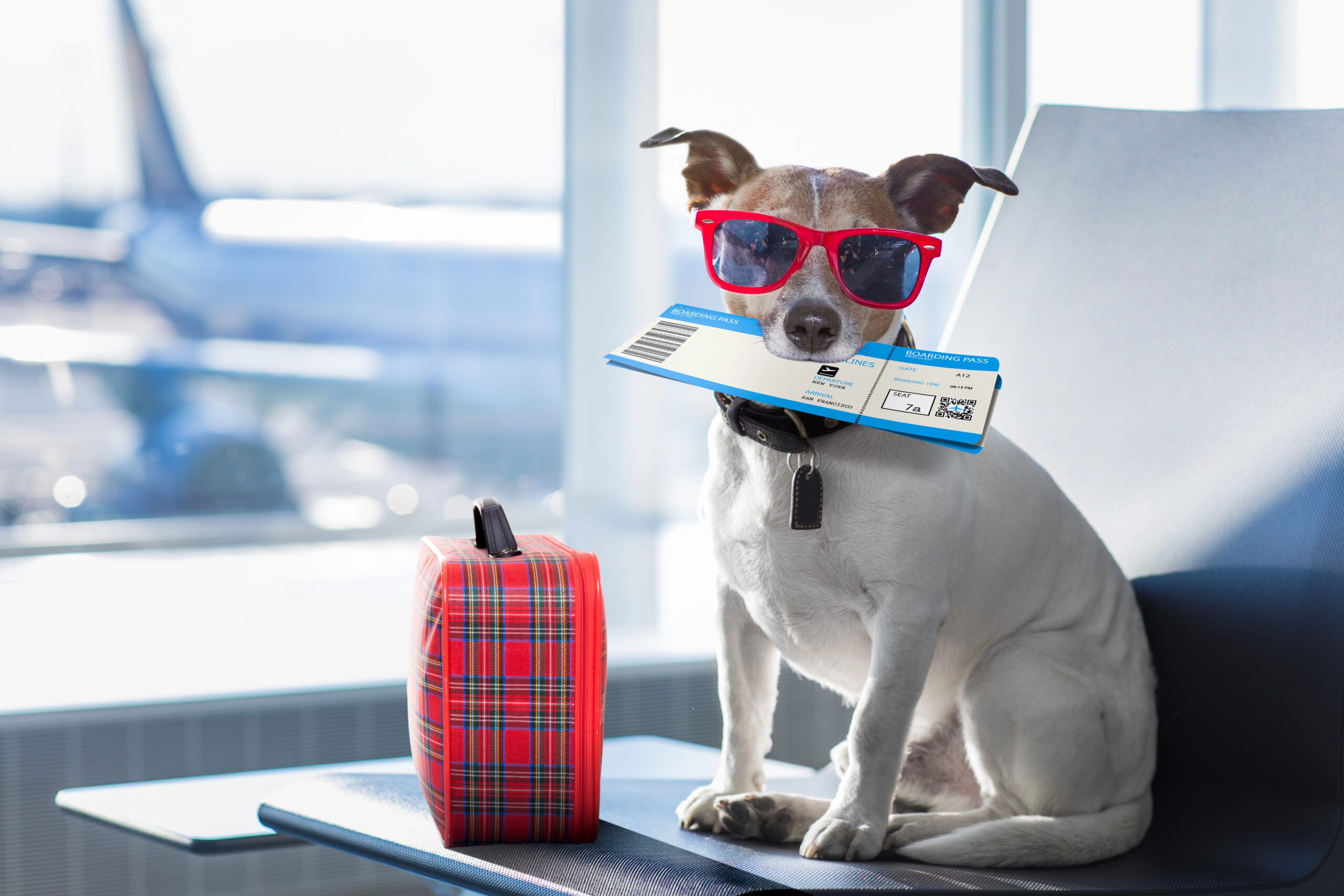
Pet microchipping for air travel compliance – how permanent identification integrates with airline, airport, and emergency recovery procedures
Air travel introduces separation risk through crowded terminals, mechanical movement, and unfamiliar environments. Airlines manage pets through reservations, carriers, and documentation; however, once separation occurs, those systems lose effectiveness. Therefore, pet microchipping for air travel compliance provides permanent identification that functions independently of airline paperwork, collars, or physical containment. This method supports recovery workflows already used by airports and animal control agencies without altering airline baggage or pet policies. Consequently, travelers who rely on pet microchipping for air travel compliance improve recovery outcomes while remaining fully aligned with existing rules.
Importantly, pet microchipping for air travel compliance does not replace airline documentation or carrier requirements. Instead, it reinforces recovery procedures after containment fails.
Airline and Airport Identification Limitations and Pet Microchipping for Air Travel Compliance
Airlines identify pets through reservation records, visual confirmation, and carrier tagging. These methods function only while pets remain within controlled airline processes. However, once a pet exits that system through escape, diversion, or emergency movement, airline identification tools stop working. Meanwhile, airports operate independently from airlines when managing loose animals. Airport police, operations teams, and local animal control rely on permanent identification rather than booking data. As a result, pet microchipping for air travel compliance bridges the operational gap between airline systems and ground-based recovery networks.
Wearable Pet Cameras
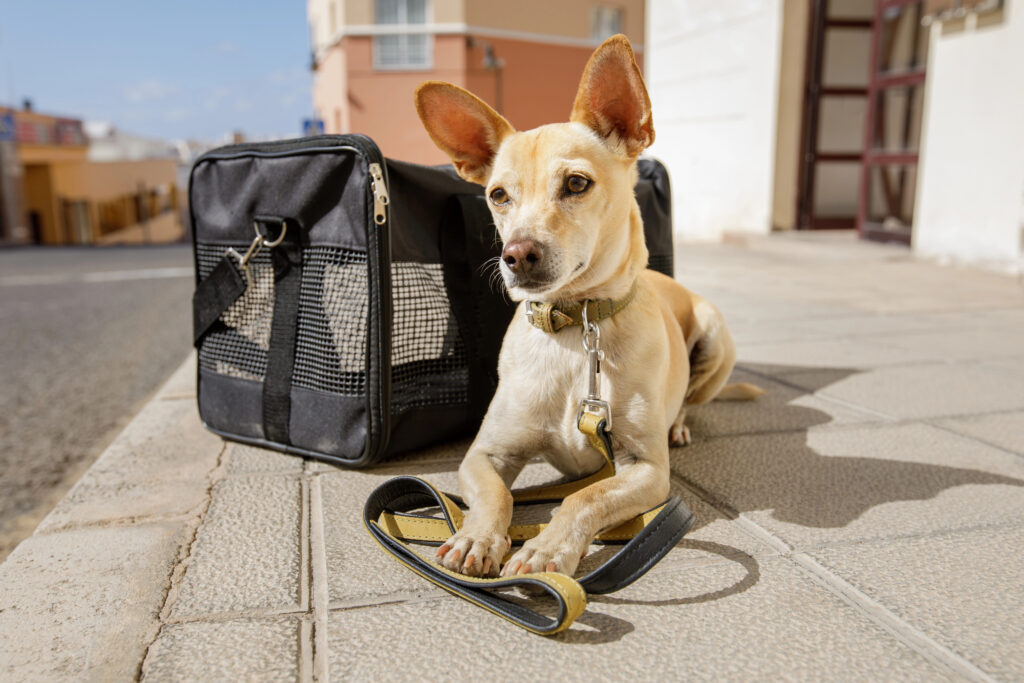
In addition to permanent identification, this Airport News Now article on wearable pet cameras highlights wearable cameras and companion smart collars that add real-time situational awareness when separation occurs at the airport. While microchips enable recovery after a pet is found, wearable cameras and tracking collars help owners monitor handling conditions, movement, and behavior during terminal holds, hotel stays, and ground transfers. As a result, travelers can pair microchipping systems with visual and tracking products that strengthen accountability and awareness when pets move outside airline-controlled processes.
How Pet Microchipping for Air Travel Compliance Functions Within Airport Recovery Systems
Pet microchipping for air travel compliance relies on a subdermal microchip that carries a unique identification number linked to an owner database. When responders secure a loose animal, they scan the pet using standard equipment already deployed at airports, shelters, and veterinary clinics. Immediately, the scanner retrieves registration data tied to that chip. Unlike collars or tags, microchips remain intact during stress, handling, or environmental exposure. Therefore, pet microchipping for air travel compliance supports rapid reunification without requiring airline involvement.
Universal Pet Microchip Kit
A universal pet microchip kit designed for pet microchipping for air travel compliance uses ISO-compliant chips recognized by airports, shelters, and animal control agencies worldwide. These systems integrate with standard scanners and support international travel requirements while maintaining compatibility across recovery networks.
Universal ISO Pet Microchip Kit
Security Screening Procedures and Pet Microchipping for Air Travel Compliance
TSA screening evaluates carriers, passengers, and associated items rather than implanted identification. Microchips do not trigger scanners, alarms, or secondary screening. During inspection, officers may request temporary pet handling; however, microchips remain unaffected. After screening, travelers continue boarding without changes to carry-on counts or procedures. Consequently, pet microchipping for air travel compliance integrates seamlessly into checkpoint operations without introducing delays.
Common Separation Scenarios Reinforcing Pet Microchipping for Air Travel Compliance
Pets may escape during carrier inspection, terminal movement, jet bridge transfers, or emergency evacuations. In these moments, collars may detach and documentation may remain inaccessible. Airports respond by securing the animal and initiating identification protocols. Because airline reservation data rarely assists ground recovery teams, responders rely on permanent identification. Therefore, pet microchipping for air travel compliance becomes the decisive factor that enables timely reunification.
High-Sensitivity Pet Microchip Scanner
A high-sensitivity pet microchip scanner demonstrates the professional equipment used by airports and animal response teams when supporting pet microchipping for air travel compliance. These scanners recognize ISO standards and confirm compatibility between implanted chips and operational recovery systems.
High-Sensitivity Pet Microchip Scanner
Microchip Registration and Data Accuracy in Pet Microchipping for Air Travel Compliance
Microchip implantation alone does not complete pet microchipping for air travel compliance. Registration data must remain accurate and current. Airports and shelters cannot identify owners without valid phone numbers or email addresses linked to the chip. Before travel, owners should verify registration records, especially when crossing borders or changing contact information. Otherwise, recovery efforts stall despite successful scanning.
Relationship Between Airline Documentation and Pet Microchipping for Air Travel Compliance
Airlines require health certificates, vaccination records, and approved carriers to authorize transport. These documents support boarding but do not assist post-incident recovery. In contrast, pet microchipping for air travel compliance operates independently of airline documentation. When responders locate a pet, microchip data often becomes the primary identification method. Accordingly, microchipping complements airline requirements rather than duplicating them.
Fi Series 3+ Smart Dog Tracker Collar
A GPS dog tracking collar with nationwide coverage, escape alerts, behavior monitoring, and smartphone integration — useful for real-time location tracking during travel and layovers
Fi Series 3+ Smart Dog Tracker Collar
International Regulations and Pet Microchipping for Air Travel Compliance
Many countries mandate pet microchipping for air travel compliance as part of animal import regulations. These rules often require ISO-compliant chips implanted before rabies vaccination. Failure to meet these standards can result in quarantine, denied entry, or return transport. Therefore, microchipping supports both regulatory compliance and emergency recovery during international travel.
Operational Use Cases Supporting Pet Microchipping for Air Travel Compliance
Pet microchipping for air travel compliance supports recovery during diversions, missed connections, irregular operations, and emergency evacuations. For example, diverted flights often require terminal transfers or off-airport transport. Additionally, medical or special-needs travel increases handling frequency. In each case, permanent identification ensures continuity when operational control shifts between agencies.
International ISO-Compliant Pet Microchip System with Lifetime Registration
An ISO-compliant pet microchip with lifetime registration supports pet microchipping for air travel compliance by providing permanent identification recognized by shelters, veterinary clinics, and animal control agencies nationwide. This system links a unique chip ID to owner contact information without annual renewal requirements, which improves recovery reliability during airport incidents, diversions, or emergency separations. Because airports and responders rely on database lookups rather than airline records, lifetime registration ensures identification remains accessible long after travel documents lose relevance.
International ISO Pet Microchip System
Common Implementation Errors That Undermine Pet Microchipping for Air Travel Compliance
Some travelers rely solely on collars or tags. Others fail to update registration data after relocation or number changes. Additionally, non-ISO chips reduce scanner compatibility. Each error delays reunification. Proper preparation preserves the effectiveness of pet microchipping for air travel compliance.
Conclusion
Pet microchipping for air travel compliance strengthens existing airline, airport, and emergency recovery systems by providing permanent identification independent of containment, documentation, or passenger proximity. Microchips do not change airline rules or screening procedures. Instead, they support recovery protocols already used by airports and animal control agencies when separation occurs. When travelers maintain accurate registration and use ISO-compliant systems, pet microchipping for air travel compliance significantly improves recovery outcomes across modern air travel environments.
Amazon Affiliate Disclosure – Airport News Now
Airport News Now participates in the Amazon Services LLC Associates Program, an affiliate advertising program designed to provide a means for sites to earn advertising fees by advertising and linking to Amazon.com. This means that some links on this site are affiliate links. If you click an affiliate link and make a purchase, Airport News Now may earn a small commission at no additional cost to you. Affiliate links do not influence editorial content. Product references appear based on relevance to airport travel, operational compatibility, and recovery procedures. Prices, availability, and features change at Amazon’s discretion. Airport News Now does not manufacture, sell, ship, or service products listed through affiliate links.