Travelers often worry about delays, cancellations, or luggage fees, yet the real crisis arrives when a pet slips loose in a crowded terminal. Because airports never stop moving, pets react to noise, vibration, new smells, and unfamiliar people in ways people never anticipate. Therefore, when you focus on how to keep pets secure at the airport, you protect your animals and reduce the risks that overwhelm even experienced travelers.
Airports contain open concourses, side corridors, loading areas, and service zones where a frightened pet can enter in seconds, so you must prepare long before you reach the terminal doors. Careful planning prevents panic, especially when TSA, airline staff, and airport police must respond. You can avoid chaos by using the right identification, equipment, preparation steps, and on-site strategies throughout the entire travel process.
How to Keep Pets Secure at the Airport
The moment you look at what it takes to keep pets protected at the airport; you realize how fast an animal can panic in a terminal full of movement and noise. Your pet encounters rolling luggage, sudden loudspeaker announcements, scattered footsteps, and sharp unfamiliar scents the moment you walk inside. A dog or cat that stays calm at home may react very differently once they face departure crowds, bright lighting, and nonstop activity. Because fear pushes animals to bolt without warning, you must anticipate that behavior and prepare for it before you reach the terminal.
Airports also contain unsecured doors and access points leading into restricted areas, so your pet can vanish behind a barrier you cannot legally cross. Airport employees follow strict security rules that limit who can enter service corridors, baggage-handling tunnels, and ramp-side work zones. If your pet runs into one of these protected areas, you rely entirely on trained airport staff to retrieve them. Preparation gives you the advantage because it removes common failure points before problems begin.
Microchipping: The First Step to Keep Pets Secure at the Airport
Microchipping creates a permanent identification system that never fails due to a broken tag or missing collar. Because airport screening areas require you to remove your pet from the carrier, you expose them to stress that can cause them to slip from your arms. When you understand how to keep pets secure at the airport, you recognize that microchipping becomes your essential backup tool. A microchip gives veterinarians, airport police, and animal control teams a direct method to contact you. They scan the chip, retrieve the ID number, and access your registered information. This process reunites pets and owners faster than any other method. AAHA provides a microchip lookup tool for your pet.
The value of microchips have been mentioned in a few articles. Not to repeat content, but to repeat the necessity to keep your pets secure at the airport when traveling. Incomplete information only leads to more problems to find your animal. Potentially causing you to miss your flights. Please see this article from Airport News Now where we take a deeper dive into Microchipping your pet.
Microchips never track location, and you must understand that limitation. They do not act as GPS devices and do not transmit signals. Instead, they function as permanent ID tags under the skin. Because they never fall off, you reduce the risk of losing identification during the most chaotic parts of airport travel. To keep pets secure at the airport combine microchips with visible ID tags and up-to-date registration details. This layered approach eliminates the most common failures pet owners experience in terminals. When you integrate these steps into your travel strategy, you create a reliable identification system that protects your pet throughout the airport journey.
Register and Maintain Microchip Information Before You Travel
A microchip only protects your pet when the information in the registry stays accurate, and that responsibility falls entirely on you. Accurate contact details matter because airport staff rely on that information the moment someone finds your animal. If you change your phone number, move to a new address, or update your email, you must update the registry immediately so airport personnel can reach you without delay.
Airport teams cannot reunite you with your pet when the registry leads them to outdated contact information, and that breakdown slows every part of the recovery process. Because emergencies unfold quickly inside airports, correct information becomes your strongest asset and the fastest path to a reunion.
In this Article from Airport News Now, we take a deep dive, including affiliate links, to different Microchipping alternatives. Please see our article on Pet Microchipping for Air Travel Compliance
Before any flight, ask your veterinarian to scan your pet’s microchip so you confirm that it reads correctly and appears in the database. Microchips rarely malfunction, yet that quick scan removes uncertainty and strengthens your travel plan. When you prepare with this level of detail, you eliminate unnecessary worry and create a predictable safety routine. Your accuracy also helps airport staff act faster when they locate your animal because they depend on the information you provide. As you refine these habits, you build a consistent system that protects your pet at every airport you visit. visit.
Pet Health Monitoring collar
In addition to identification, carriers, and harness control, this Airport News Now article About pet health monitoring collars highlights health-monitoring collars that help owners assess how pets physically respond to airport stress and recovery after separation risks. These collars track activity, rest, and behavior changes before departure, during terminal movement, and after landing. As a result, travelers can pair visible security measures with monitoring products that reveal when stress, fatigue, or abnormal behavior begins—adding another layer of situational awareness when airports move fast and conditions change without warning.
Keep Pets Secure at the Airport: Collars, Harnesses, and Visible Identification
Visible identification remains one of the simplest ways to protect your pet. When someone in the terminal finds a loose animal wearing a readable tag, they contact the owner immediately. Because this method delivers fast results, it strengthens your entire plan for keeping your pet secure at the airport. A sturdy collar with a secure buckle prevents accidental removal. Many pet owners rely on harnesses because they provide better control in crowded spaces, and that increased control reduces escape attempts.
Animals feel stress differently than people, and harnesses distribute pressure across the body in a way that calms them more effectively. You must check the fit of the collar or harness before every trip. A loose harness gives your pet an easy escape path, especially when they feel overwhelmed. You also need a tag with your mobile phone number because airport staff can call you immediately when they find your animal. These steps demonstrate thorough preparation and reduce recovery time significantly. Because airport environments change rapidly, you need identification methods that withstand movement, noise, and stress. When you combine microchips, tags, and harnesses into your plan, you create the strongest foundation for keeping your pet safe.
Choosing the Right Carrier to Keep Pets Secure at the Airport
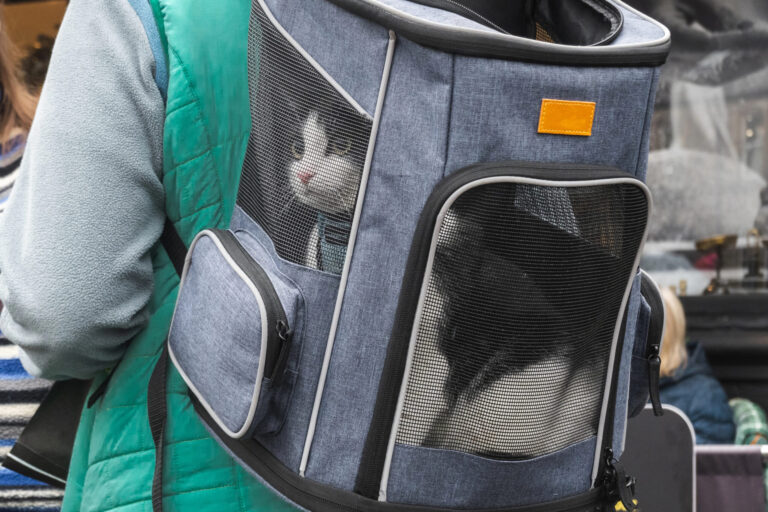
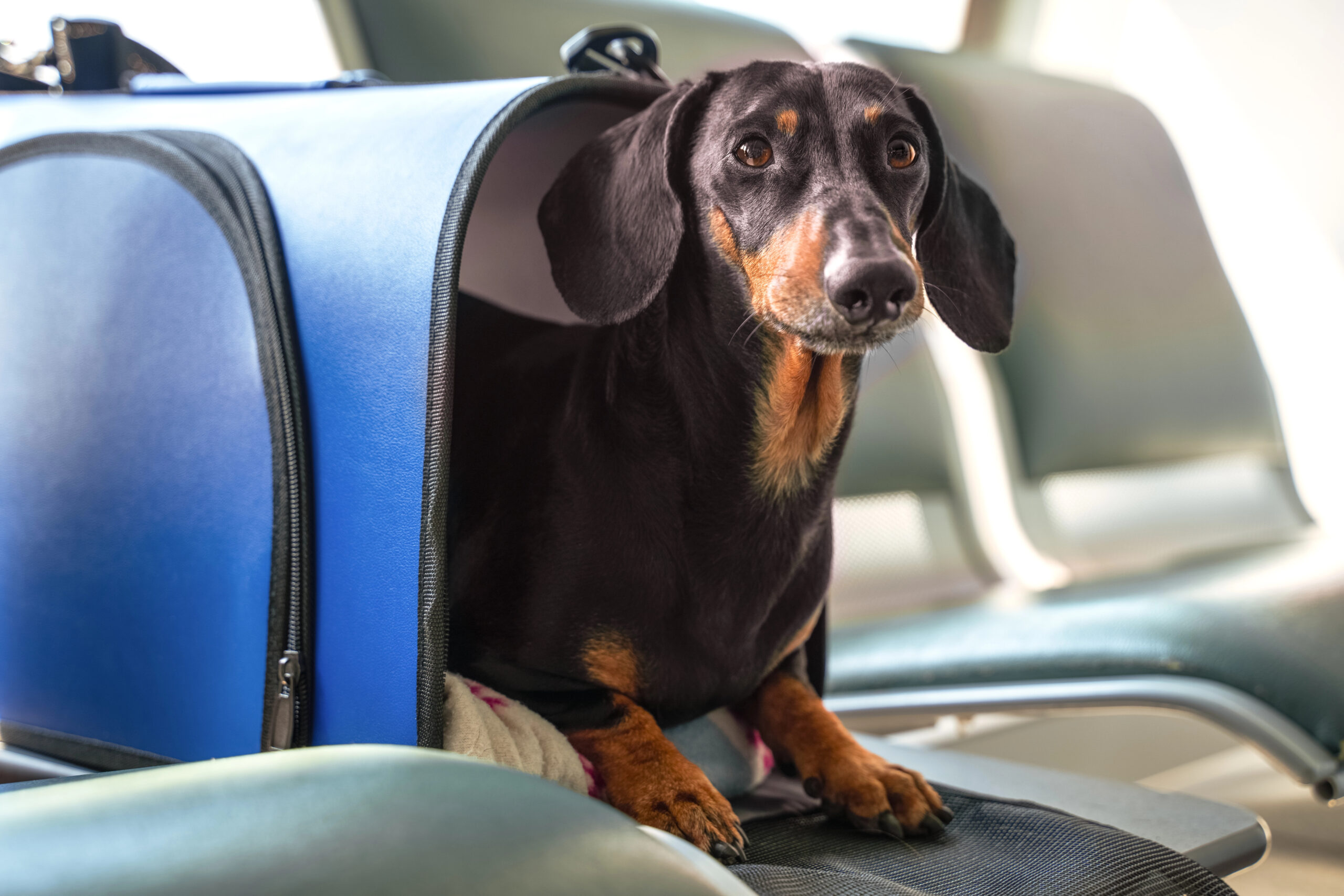
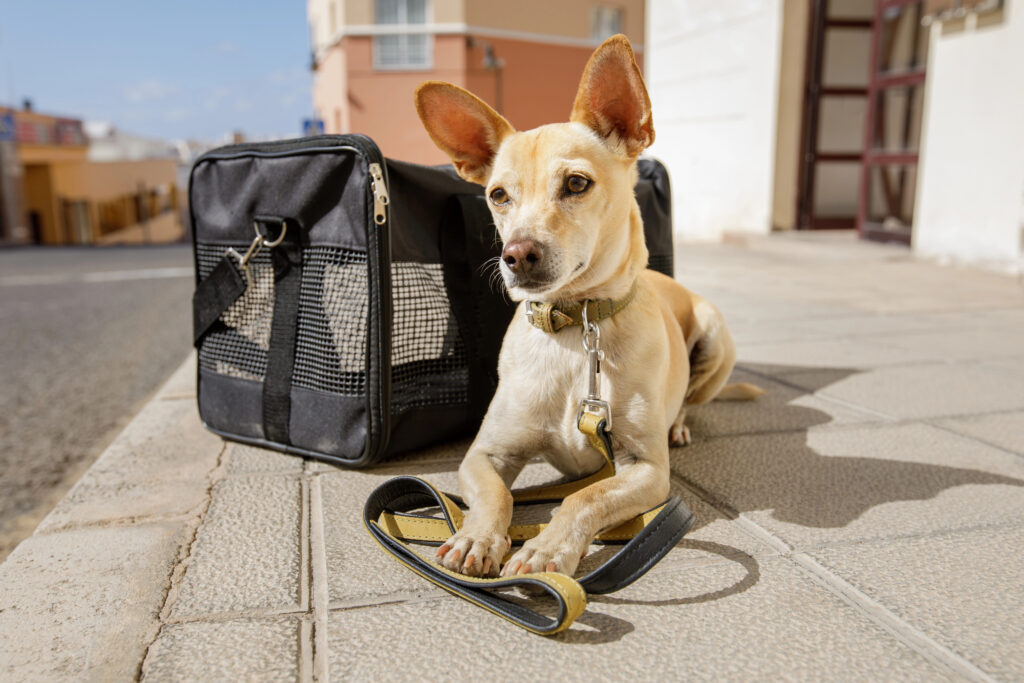
The carrier you choose influences your entire airport experience. Soft-sided carriers provide comfort but often include mesh windows and soft seams that some animals can manipulate or damage. Hard-sided carriers deliver superior security because they resist tears, pressure, and impacts during travel. When you analyze different options to keep your pet secure while you are at the airport, you notice that carrier selection plays a major role in preventing escapes.
A high-quality carrier keeps pets secured at the airport during loud announcements, crowded concourses, and unexpected delays. Check every latch, zipper, and vent before you leave home. Animals exploit weaknesses quickly when they feel anxious. You strengthen your overall travel plan by inspecting the carrier for damage or wear. Because TSA requires travelers to remove pets from carriers during screening, you must choose a design that can handle repeated openings without failure. Measure your pet accurately and select a carrier that offers enough space for comfort while maintaining a secure structure. You reduce risks when you prepare with the right equipment.
Wearable Pet Cameras
In addition to identification and health monitoring, wearable pet cameras extend situational awareness during moments when pets move beyond direct supervision. While microchips identify pets after recovery and health-monitoring collars reveal stress patterns, wearable cameras provide immediate visual context during terminal waits, hotel stays, and ground transfers caused by delays or rebooking. Please be sure to read the Article from Airport News Now about Wearable Pet Cameras, where they are allowed, where they are not allowed, and effective product choices for you.
Keep Pets Secure at the Airport -TSA Screening
TSA screening introduces the highest risk of escape for pets. When you reach the checkpoint, you must remove your pet from the carrier and carry them through the scanner. That single action creates vulnerability because your animal reacts to new sounds, bright lights, unfamiliar equipment, and crowds. Many escapes occur at the checkpoint because travelers underestimate the stress their pets feel at this moment. To keep your pet secure at the airport, you need a step-by-step plan before you enter the line. Hold your pet firmly with both hands when TSA instructs you to remove them from the carrier.
Maintain constant awareness of noise and movement nearby and avoid distractions during this short but intense moment. Ask TSA officers for a private room if your pet becomes highly anxious. TSA offers private screening rooms when needed, and many passengers never realize this option exists. You improve safety dramatically when you use available accommodations. Once you clear the scanner, return your pet to the carrier immediately. Do not set them on the floor or allow them to explore the lane. This step creates stability and reduces risk. When you treat TSA as the most critical phase, you maintain control over your entire travel experience.
Key Airport Zones That Increase Escape Risks
Airports contain several areas where escape risks increase sharply, and knowing where these zones sit helps you to keep your pet secure at the airport. Ticketing halls create wide, open spaces with heavy foot traffic, and pets often react to sudden movement from rolling bags and crowds. Security corridors near employee-only doors also create problems, because those doors open frequently as staff move between work zones. Gate areas with active boarding lanes introduce additional risk when jet bridge doors remain partially open while crews prepare an aircraft. Ramp-side access points near windows or service gates also matter because pets may react to ground-service noise or flashing lights outside.
Keep pets secure at the airport and reduce risks, by choosing routes that avoid crowded intersections and by staying on the side of hallways away from unmonitored doors. When you reach the gate, keep your pet’s carrier closed and latched until final boarding, since this area sees constant movement from crews and passengers. If you must let your pet out for a short break, choose an isolated corner away from the boarding lane so you maintain full control. This approach gives you predictable surroundings and cuts down on the variables that lead to escapes. By understanding where risks increase—you know how to keep your pet secure at the airport.
What Happens When You Do Not Secure Your Pet
Airports follow strict protocols when a pet escapes, and those procedures activate immediately. Airport police, operations teams, and airline staff coordinate through radio channels the moment an animal enters a restricted zone. They notify baggage handlers, gate agents, ramp crews, and maintenance teams to watch specific corridors, service tunnels, and gate areas where a pet might move. Owners cannot enter these restricted spaces under any circumstances, and that rule protects passengers, employees, and the secure areas around aircraft and equipment.
Surveillance teams track movement through cameras, while ground crews follow established recovery routes designed to guide loose animals toward controlled access points where staff can contain them safely. Many airports also involve local animal control units when needed to keep pets secure at the airport, especially if a pet reaches the ramp or exits the terminal building.
Recoveries move faster when a pet wears visible ID and carries a functional microchip. Updated registry details allow airport staff to reach you immediately when they scan the chip, and accurate contact information removes delays that stall reunions. When you prepare correctly before traveling to keep pets secure at the airport, you support the airport’s response and give every team involved a clear path to bring your pet back as quickly as possible.
What to Do Immediately If Your Pet Escapes
Escapes can still occur despite careful preparation to keep your pet secure at the airport. You need a clear response plan the moment your pet runs loose. A fast, organized reaction improves recovery time because airport teams follow specific search protocols and rely on accurate information from you.
Notify airport police or airport security immediately so they can activate their internal alert system. Provide your pet’s name, breed, color, size, and microchip number so responders can identify the animal quickly. Inform your airline’s gate and ground staff as well because ramp crews and baggage teams often spot loose pets near jet bridges or service areas. Visit the airport’s lost-and-found office and leave recent photos along with your updated contact information.
Social media also helps because many airports monitor their accounts continuously and can broadcast alerts to internal teams. Contact local animal control if your pet exits the terminal building or moves into exterior areas where airport police may request outside assistance. Each of these actions help to keep your pet secure at the airport.
Immediate Actions When a Pet Escapes at the Airport
| Action | Why It Matters | Information You Should Provide |
| Notify airport police/security | They activate airport-wide search protocols and coordinate internal teams. | Pet description, microchip ID, last known location, direction of movement. |
| Alert airline staff | Ramp crews, gate agents, and baggage handlers often see loose pets near aircraft areas. | Flight number, gate area, pet carrier details, identifying features. |
| Visit lost-and-found | Staff collect reports, log photos, and notify responders who encounter the animal. | Recent photos, your phone number, alternate contact. |
| Post on airport-monitored social pages | Many airports monitor social accounts and relay information to operations teams. | Short description, photo, airport code, terminal, time of escape. |
| Contact local animal control | They assist when a pet exits the terminal or appears near exterior zones. | Pet description, microchip info, where airport police are searching. |
Final Thoughts
Knowing the steps to keep pets secure at the airport empowers you to protect your animal in an environment full of unpredictable variables. Airports challenge pets with unfamiliar sights, sounds, and movements. Because escapes occur in seconds, preparation becomes your strongest tool. Microchips, updated registration information, secure carriers, strong harnesses, and well-planned TSA strategies create a layered defense system that reduces every major risk. When you remain attentive and proactive, you transform a stressful travel experience into a predictable, well-managed process. Your preparation protects your pet, supports airport safety, and sets the stage for smooth travel from the moment you enter the terminal until you reach your destination.